


Wrought Iron Box
Wrought iron box containers span centuries of practical security and folk art, offering robust construction and enduring utility for the discerning collector.
Wrought Iron Box
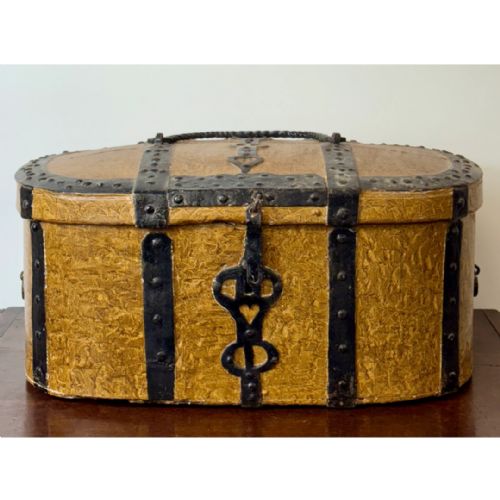
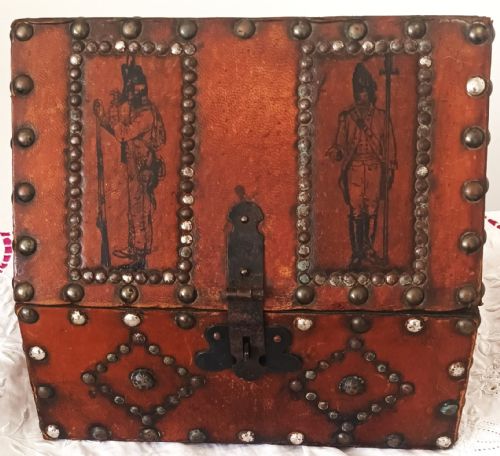
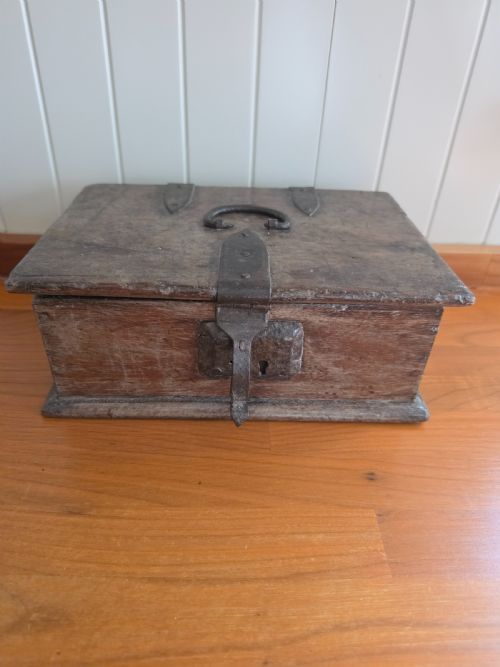
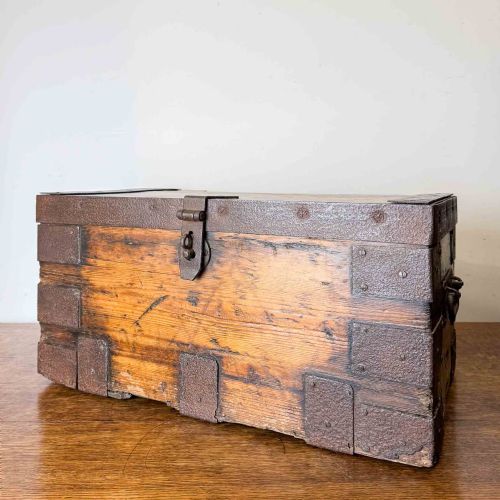
A wrought iron box encompasses heavy iron-bound strongboxes, painted wooden coffers with strapwork, and utilitarian storage vessels originating from diverse European and global traditions. These objects served crucial roles in domestic security, travel, and storage across many centuries.
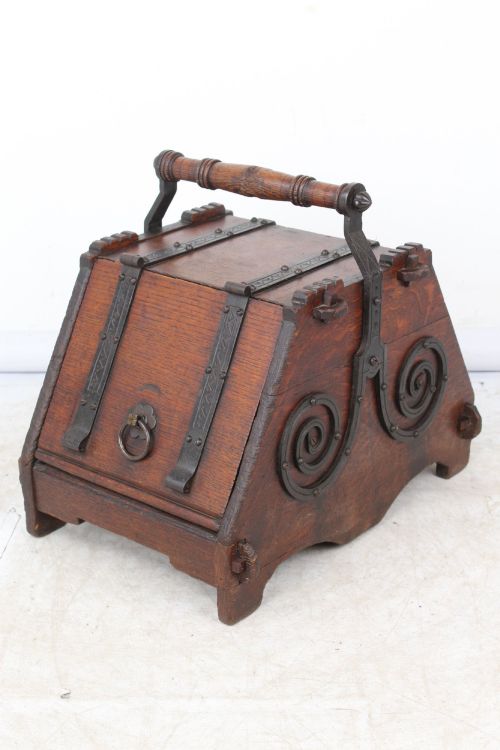
Buyers frequently encounter Scandinavian painted pine chests alongside English and continental iron strongboxes featuring complex locking mechanisms. The selection ranges from domestic marriage boxes to sturdy coal scuttles and garden planters.
Examples stretch from the sixteenth century through the Georgian era and into the Arts and Crafts movement, reflecting regional craftsmanship in wood and metal. Each piece combines structural ironwork with timber foundations like oak, elm, or pine.
How they were made
Blacksmiths forged wrought iron straps, hinges, and hasps by hand, securing them to timber bodies with heavy rivets and bolts. The resulting strapwork distributed stress and reinforced the container against forced entry.
Joinery methods varied from dovetailing and pegging in oak and pine boxes to heavy framing in iron safes. Surfaces often received coats of protective paint, leather binding, or decorative motifs specific to regional folk art traditions.
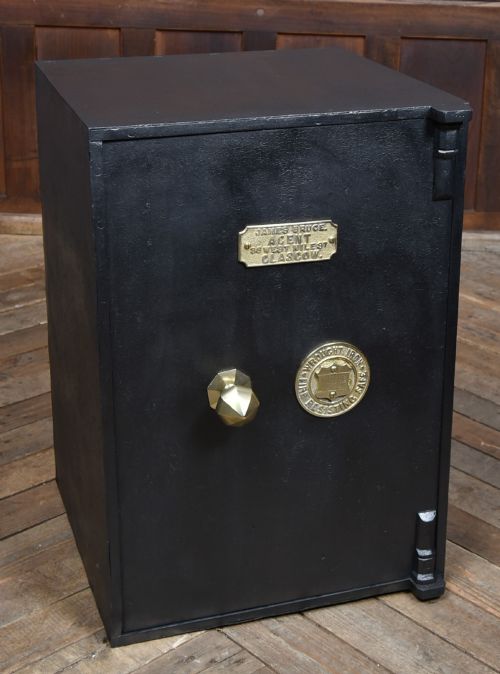
Regional variants include Scandinavian folk art marriage boxes, Spanish walnut containers, and Scottish iron safes.
What varies in quality
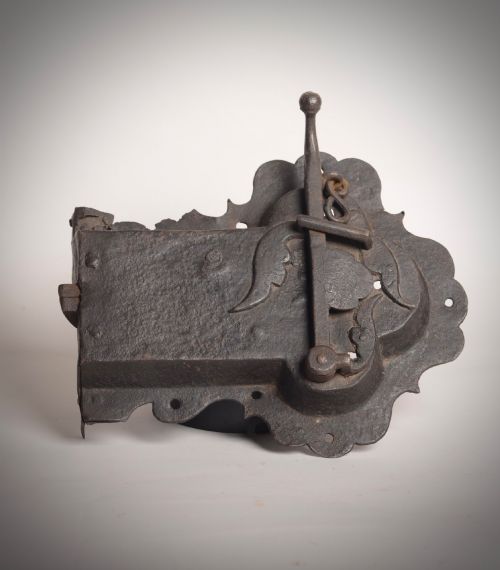
The sophistication of the internal locking mechanism and the integrity of the original blacksmith work distinguish superior examples from simpler utilitarian vessels. Elaborate rim locks and complex internal strapwork indicate high workshop competence.
The preservation of original painted surfaces, hand-forged hardware, and structural timber forms the basis of distinction among surviving pieces. Retaining working keys and untouched patination elevates the historical significance of the object.
James Bruce Glasgow·Christopher Dresser
The Wrought Iron Box Glossary
- Coffer
- A heavy wooden chest, often reinforced with metal bands, used for storing valuables. These vessels typically feature hinged lids and sturdy carrying handles.
- Strapwork
- Ornamental or reinforcing bands of iron applied across the exterior of a box or chest. This technique provides structural rigidity while adding visual texture.
- Strongbox
- A secure container constructed from thick timber and iron plating designed to protect money and documents. They frequently incorporate complex internal locking assemblies.
- Rim lock
- A mechanical locking device mounted directly onto the interior surface of a lid or door rather than mortised inside. These locks often display intricate brass or iron engraving.
- Armada chest
- A type of heavily guarded iron strongbox produced in continental Europe during the sixteenth and seventeenth centuries. They contain intricate spring-loaded locking mechanisms beneath the lid.
Wrought Iron Box: Frequently Asked Questions
What were wrought iron boxes used for?
These containers served primarily to secure currency, legal documents, and precious household goods against theft or fire. Strongboxes and coffers travelled safely on merchant vessels and stagecoaches.
Over time, many of these robust items transitioned into domestic settings for storing fuel, blankets, or decorative garden displays.
How do I identify the age of a box?
Age is determined by examining the construction techniques of both the woodwork and the blacksmith ironwork. Hand-cut dovetails, forged strapwork, and early lock mechanisms point toward older centuries.
Stylistic cues such as painted folk motifs or Gothic Revival details help narrow down the manufacturing period alongside wood species like oak and pine.
Are original keys usually included?
Many surviving strongboxes and chests retain their original working iron keys, though some rely on replacement mechanisms or operate without them. The presence of a functional period lock adds considerable interest for collectors.
Locks on these pieces often feature complex internal levers and decorative cover plates that reward close inspection.
How should I care for iron and wood?
Maintenance involves keeping the timber and metal in stable indoor environments away from excessive humidity and direct heat sources. Light application of wax preserves dry pine, oak, and elm surfaces.
Iron components benefit from occasional cleaning to prevent active corrosion while retaining the dark patina accumulated over centuries.