



Woven Seat Wooden Chairs
These woven seat wooden chairs bring tactile textures and sturdy vernacular forms straight into modern rooms, offering enduring comfort and honest historic craftsmanship.
Woven Seat Wooden Chairs
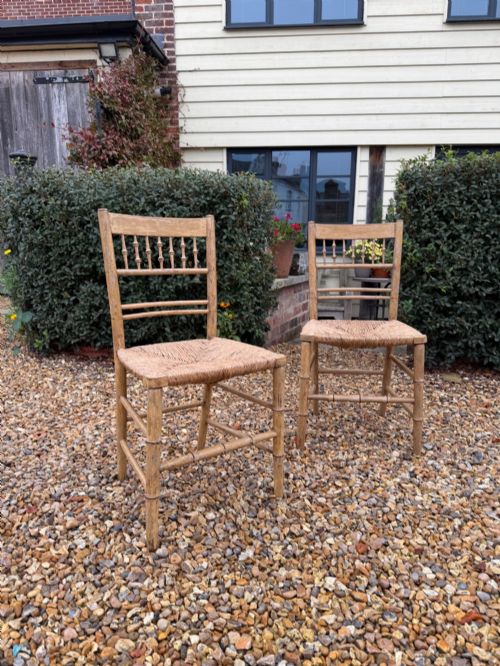
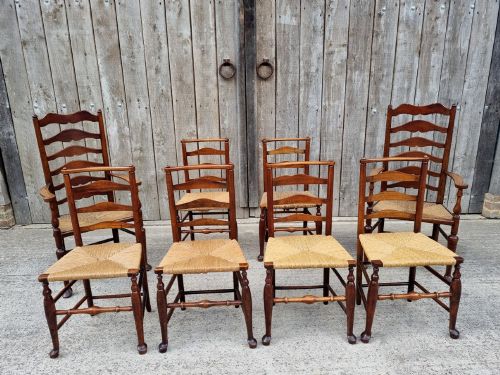
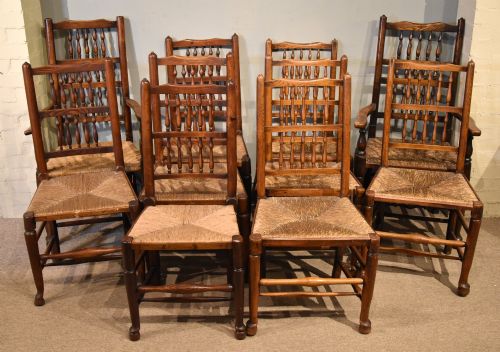
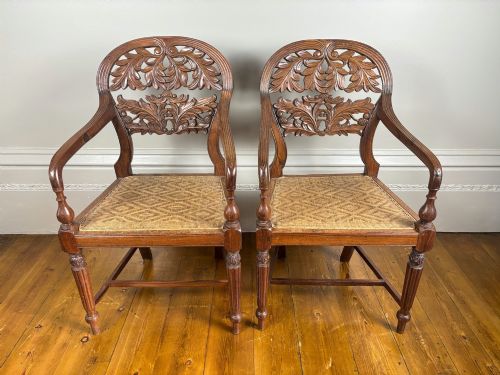
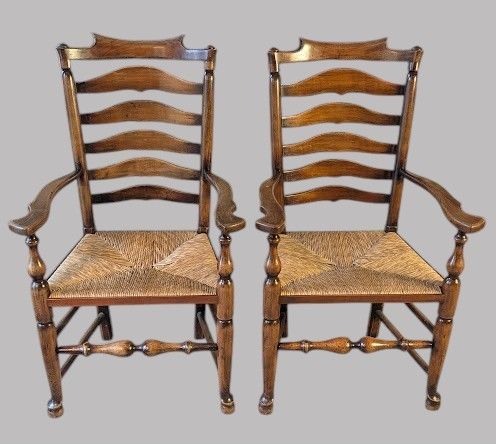
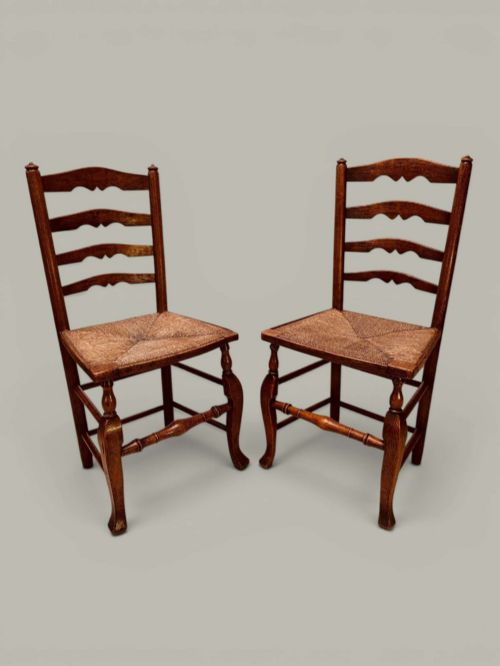
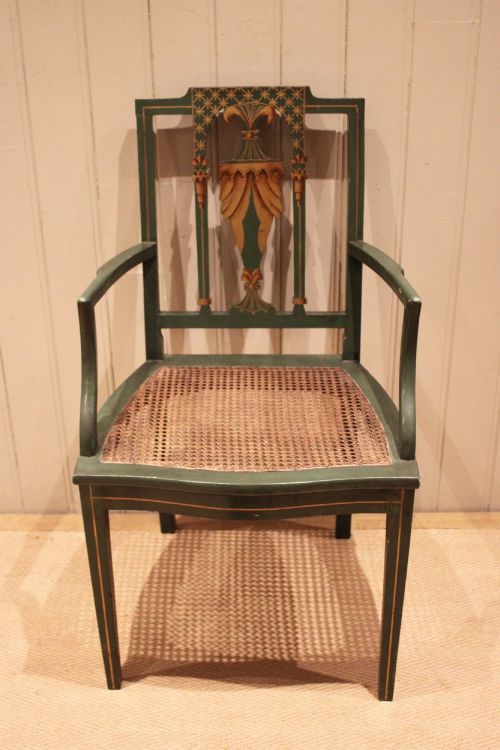
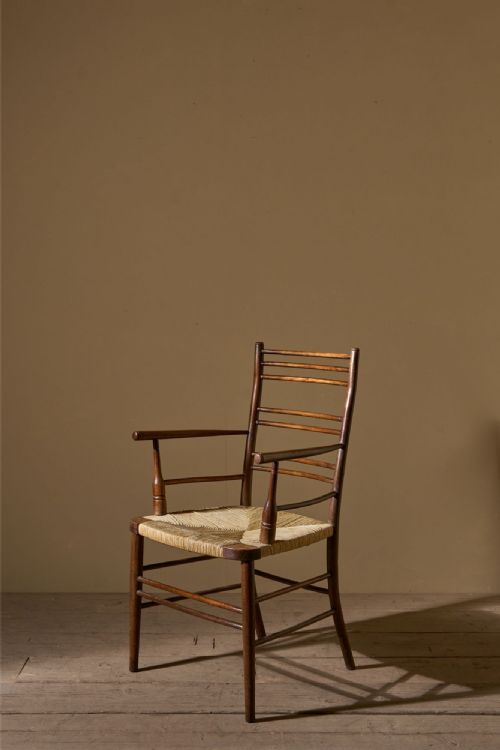
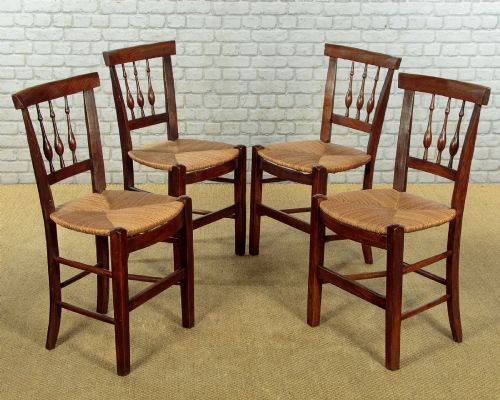
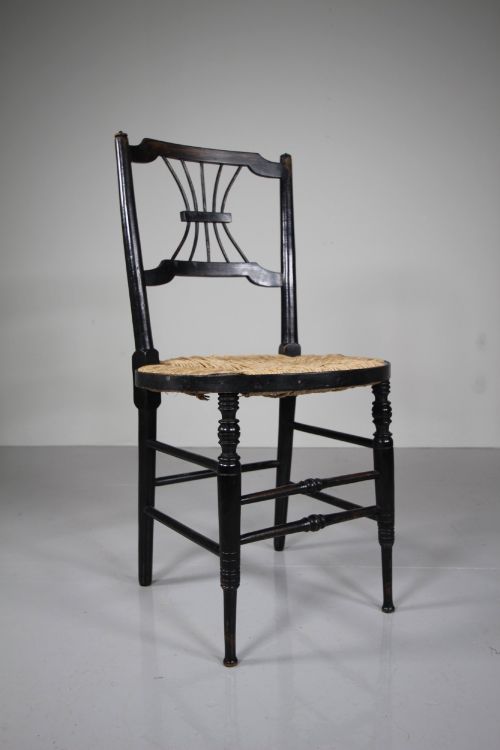
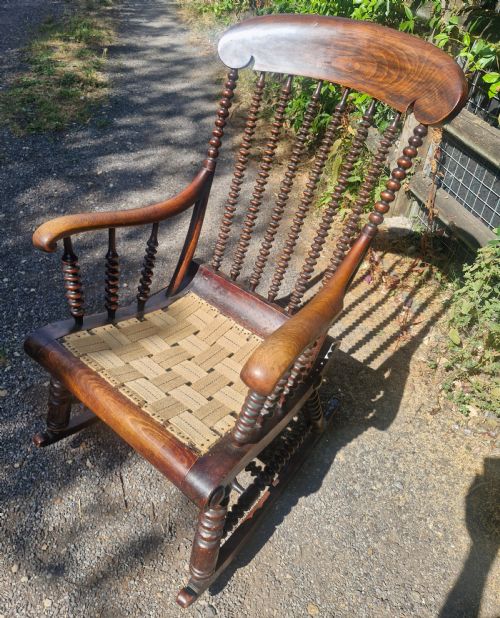
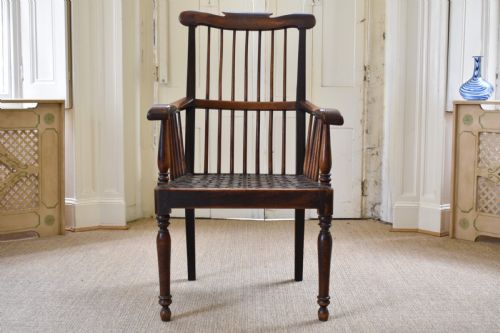
Woven seat wooden chairs encompass practical vernacular seating from the 18th century, the Victorian era, and the early 20th century, including both sturdy dining sets and individual rocking or armchair forms. You will frequently encounter country ladderbacks, spindlebacks, and Arts and Crafts designs originating from English, French, and regional traditions.
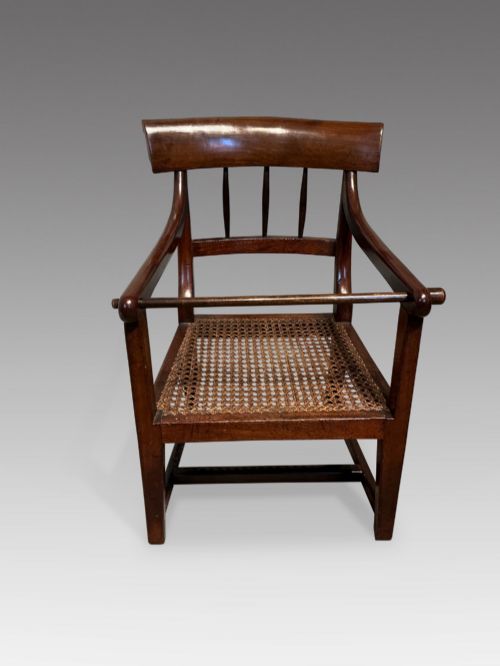
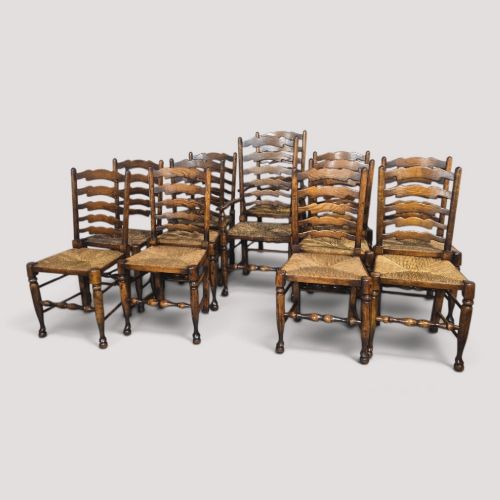
The materials span resilient native timbers like elm, oak, beech, and fruitwood paired with woven rush, cane, rattan, or split cane seats. These pieces range from simple farmhouse singles and child high chairs to substantial sets of dining chairs built for everyday utility.
Materials and construction methods
Frames are constructed using native hardwoods such as oak, elm, beech, fruitwood, and ash, often shaped into spindles, ladderbacks, or turned frames using traditional joinery. Artisans selected these dense woods for their structural strength and ability to support continuous daily use.
Seats are tightly hand-woven using natural materials like rush, split cane, or rattan, threaded directly around the wooden rails to create a flexible, supportive surface. This method distributes weight evenly across the frame while allowing the organic fibres to breathe and flex over time.
Woven Seat Wooden Chairs Retail Price Guide 2026
Typical asking prices for woven seat wooden chairs among the pieces listed under this phrase on Sellingantiques today, from the lower quarter to the upper quarter. They describe what is for sale here now, not the wider market.
Several listed chairs were specifically made for seating congregations inside St Paul's Cathedral in London.
Distinctions in quality and execution
Quality rests in the tightness and uniformity of the seat weaving, alongside the structural integrity of the timber frame and the retention of original surface patination. Tightly packed rush or evenly spaced cane indicates careful hand-craftsmanship that withstands decades of sitting.
Finer examples display harmonious proportions, thoughtful wood selection like figured elm or laburnum, and maker marks or firm attribution that confirm their provenance. Lighter vernacular versions rely on honest utility, while sophisticated regional styles showcase advanced turning and carving.
William Morris·Liberty And Co·Morris And Co
The Woven Seat Wooden Chairs Glossary
- Rush
- A marsh plant used in traditional seating manufacture, twisted into cords and hand-woven to form durable, textured seat pads.
- Ladderback
- A chair style featuring horizontal wooden slats between the upright rear posts, commonly paired with rush seating in country vernacular furniture.
- Spindleback
- A chair design utilising multiple thin, turned wooden rods in the backrest to provide lightweight yet sturdy support.
- Cane
- Strips of peeled rattan woven into open mesh patterns, frequently utilised for light seats and back panels.
- Vernacular
- Everyday functional objects built by regional craftsmen using local traditions and materials rather than high-style academic designs.
Woven Seat Wooden Chairs: Frequently Asked Questions
How do I care for a rush seat?
Keep rush seats clean by gently brushing away dust and avoiding excessive moisture, which can cause the natural plant fibres to become brittle. Applying a light, protective wax to the wooden frame helps maintain the timber without affecting the woven areas.
Position the chair away from direct heat sources and strong sunlight to prevent the organic seating materials from drying out and splitting over time.
Are these chairs suitable for daily dining?
Most of these chairs were originally designed for everyday domestic use, making them well-suited for regular dining when structurally sound. Their flexible woven seats offer comfortable support during meals.
Ensure that the joints remain tight and the woven surface shows no signs of breaking before putting vintage or antique seating into heavy daily service.
How can I date an elm chair?
Dating involves examining the tool marks, construction joints, and the specific turning style of the wooden components. Earlier pieces often display hand-adzed surfaces and pegged joinery.
Comparing the chair's overall proportions and regional style to documented examples from the 18th and 19th centuries helps narrow down its period of manufacture.
What is a Dales chair?
A Dales chair is a traditional regional ladderback seating form originating from the northern dales of England. These pieces typically feature sturdy wooden frames combined with rush seats.
They reflect local vernacular woodworking traditions focused on practical durability and honest construction.