





World War One Militaria
World war one militaria comprises authentic artefacts of early twentieth century conflict, offering collectors tangible links to historical military campaigns.
World War One Militaria
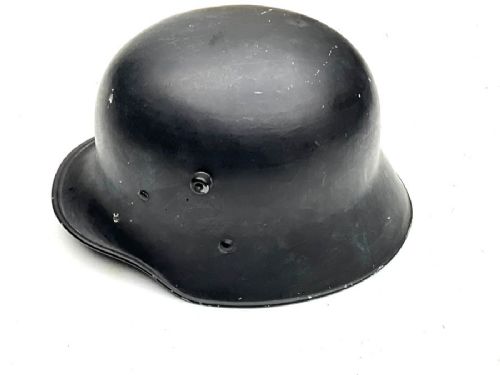
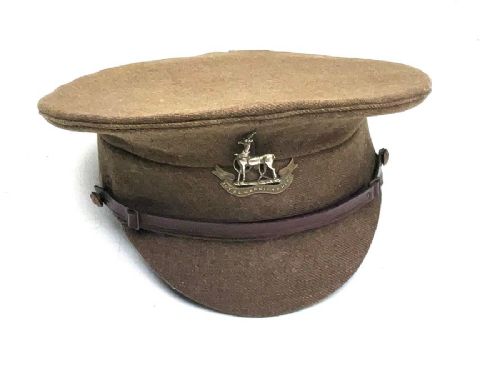
When you search for world war one militaria, you encounter a specialised range of objects originating primarily from the 1910 period alongside occasional items from 1870. The selection on this page centres heavily on military headgear, including various examples of German, British, and Portuguese military helmets and caps.
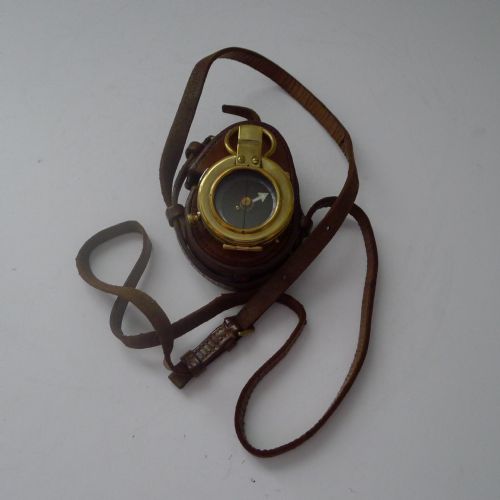
Beyond protective gear, the inventory extends to scientific instruments such as British army officers' compasses, original military medals, and distinctive utility items. These include umbrella stands fashioned from leather shell carriers and carved wood propaganda smoking pipes associated with trench art traditions.
Materials and construction
The physical construction of world war one militaria relies heavily on durable, utilitarian materials suited for service conditions. Metal, brass, and steel frequently form the structural components of helmets, instruments, and medals.
Organic and protective materials like leather, boiled leather, wool, glass, paint, horn, and carved wood are equally prominent. These substances appear across caps, shell carriers, and smoking pipes, reflecting the varied industrial and artisanal techniques of the era.
World War One Militaria Retail Price Guide 2026
Typical asking prices for world war one militaria among the pieces listed under this phrase on Sellingantiques today, from the lower quarter to the upper quarter. They describe what is for sale here now, not the wider market.
Current listings feature items spanning the 1910 period and the 1870 period, showcasing Imperial German and First World War military styles.
Judgements of quality
Quality in world war one militaria rests on the preservation of original components and the clarity of manufacturer markings. Pieces retaining their original paint, unaltered leather linings, and distinct metal stampings command greater historical interest.
The distinction between standard service equipment and officer grade items also shapes the tier of a piece. Finer finishing, superior materials, and documented maker attribution elevate individual helmets, instruments, and medals above basic issue equivalents.
French Ltd
The World War One Militaria Glossary
- Trench art
- Decorative or utilitarian objects fashioned by soldiers, prisoners of war, or civilians from scrap materials and ordnance debris. These items frequently utilise discarded shell cases, wood, and horn.
- Verner's pattern
- A standard design of military compass utilised by British officers during the period. These brass instruments were produced by specialised makers such as French Ltd.
- Boiled leather
- A process where leather is soaked in hot water or wax to render it rigid and robust. This material was commonly utilised for durable military headgear and equipment carriers.
- Imperial German
- A stylistic and historical designation relating to the German armed forces prior to the end of the monarchy. Equipment from this origin typically displays specific national cockades and metal fittings.
World War One Militaria: Frequently Asked Questions
What items belong to world war one militaria?
World war one militaria encompasses official service equipment, uniform headgear, and personal items issued to soldiers. The category includes military helmets, caps, medals, and navigational compasses.
Additionally, utilitarian objects adapted for domestic use, such as leather shell carrier umbrella stands and trench art smoking pipes, form part of this historical material culture.
How do I identify a period helmet?
Period military helmets from the early twentieth century are distinguished by their specific national styles, such as Imperial German patterns or British service caps. They utilise period specific materials including steel, boiled leather, and wool.
Examination of internal leather components, paint finishes, and structural shaping helps differentiate these authentic examples from later reproductions or alternative eras like 1870.
How should I display these pieces?
Living with world war one militaria involves balancing historical preservation with interior display. Metal, leather, and wooden artefacts benefit from stable environmental conditions away from direct sunlight and excessive moisture to protect original paint and organic materials.
Standalone objects like umbrella stands and scientific instruments integrate effectively into traditional studies and collection displays.