




Workshop Seating
Workshop seating comprises utilitarian stools and chairs built for nineteenth and twentieth-century trade, offering sturdy practicality for modern interiors.
Workshop Seating
Workshop seating encompasses functional stools and chairs designed for specific trades, including machinist tasks, mill work, and general industrial use. These pieces originate from periods spanning the nineteenth century through the 1930s, reflecting the demands of historical manufacturing environments.
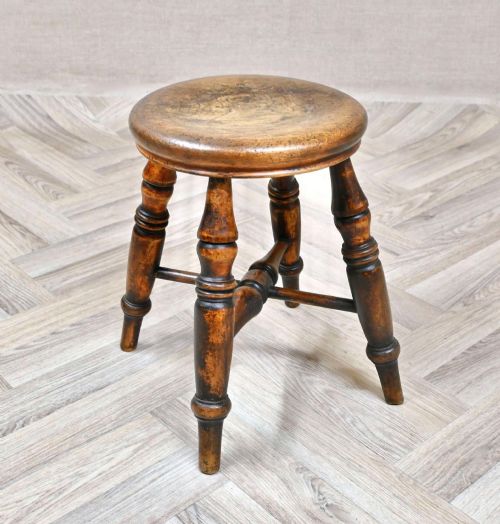
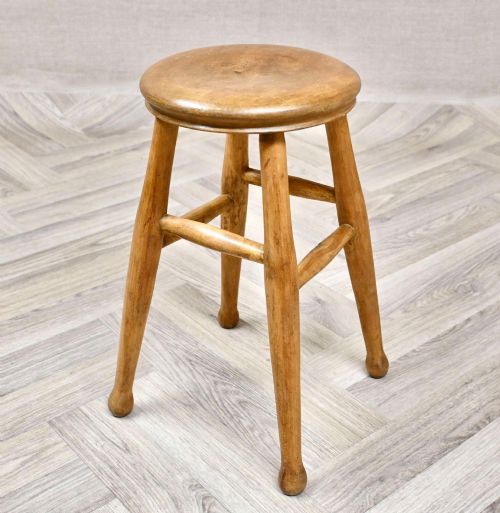
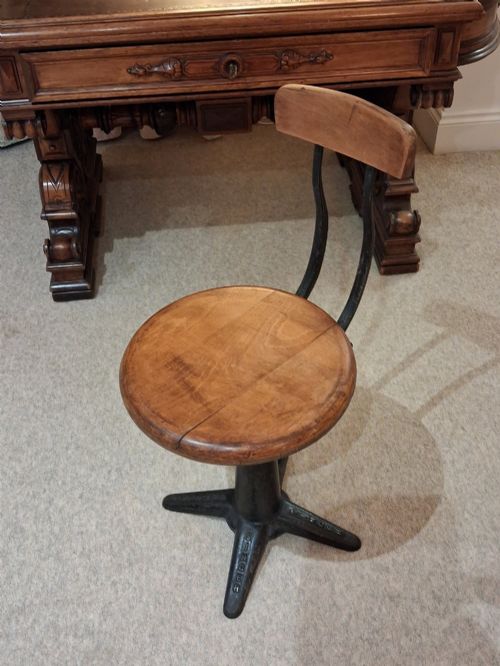
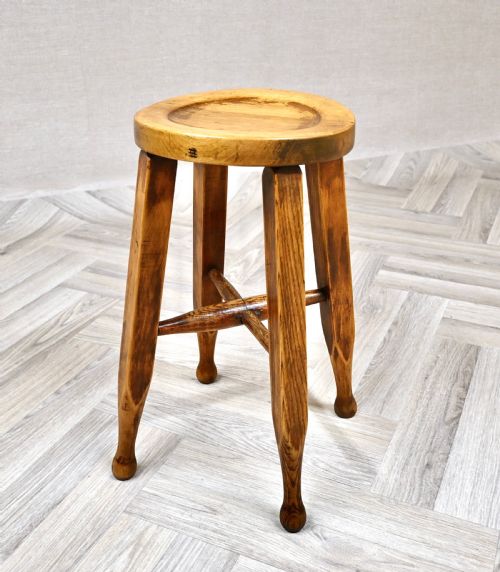
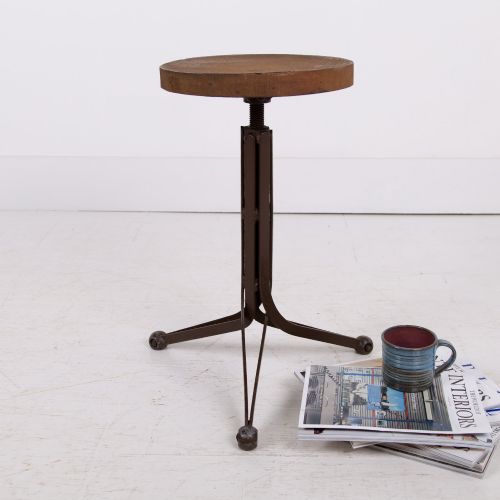
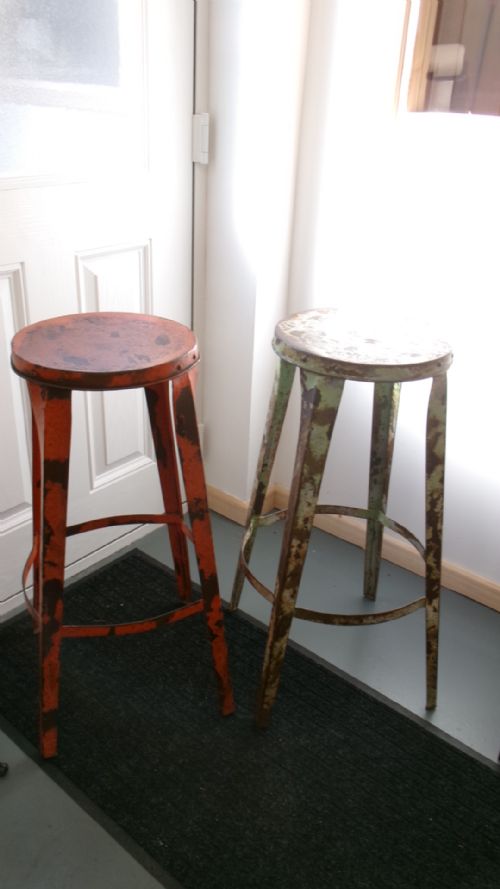
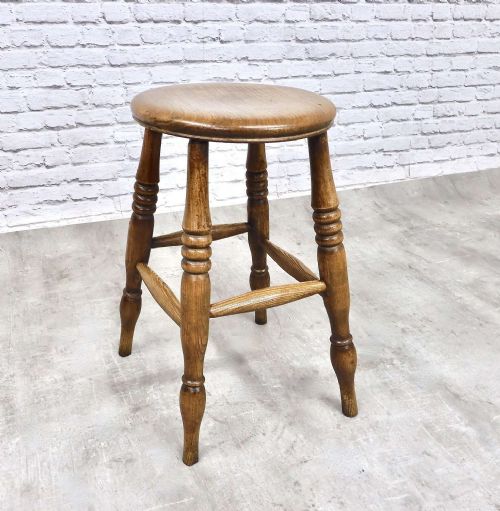
Buyers are most likely to encounter wooden and metal stools featuring adjustable mechanisms, revolving seats, and robust frames. The selection includes specialist forms such as cutter's stools, silversmith artisan chairs, and machinist's stools alongside standard bar stools.
The aesthetic is grounded in industrial, rustic country, and utilitarian styles, shaped entirely by function rather than decorative excess. These items bridge the gap between historical workplace relics and practical seating for contemporary homes and workspaces.
How workshop seating was made
Construction relies heavily on durable timbers such as oak, beech, elm, pine, and general wood, paired with heavy structural metals like cast iron and steel. These materials provided the necessary weight and resilience to withstand rigorous daily use in factories and mills.
Makers utilised riveting for metal joints and shaped solid timber tops for comfortable, long-term sitting. Mechanical components such as screw threads and revolving axes were engineered into iron frames to allow height adjustment for different workers and tasks.
Workshop Seating Retail Price Guide 2026
Typical asking prices for workshop seating among the pieces listed under this phrase on Sellingantiques today, from the lower quarter to the upper quarter. They describe what is for sale here now, not the wider market.
The listings span the nineteenth century through the 1930s, utilising oak, beech, elm, pine, cast iron, and steel.
What varies in quality
Quality differences lie in the integrity of the original mechanical adjustments and the thickness of the timber seats. Pieces retaining functional revolving screws and sturdy metal riveting demonstrate superior mechanical endurance compared to simpler variants.
The distinction between standard utility items and higher quality examples rests on maker attribution, such as branded workshop pieces, and the retention of original surfaces without excessive modern intervention.
Singer·Rubery Owen·Evertaut
The Workshop Seating Glossary
- Machinist stool
- A heavy-duty seat designed for factory machine operators, often featuring a metal pedestal and an adjustable revolving top.
- Cast iron
- An iron-carbon alloy poured into moulds to create rigid, heavy structural bases and legs for industrial furniture.
- Vernacular country
- A regional style of building using local materials to create functional objects without academic architectural pretension.
- Revolving seat
- A rotating top mechanism operated via a central threaded spindle or pivot, allowing height modification.
Workshop Seating: Frequently Asked Questions
What is workshop seating?
Workshop seating consists of utilitarian stools and chairs built for nineteenth and twentieth-century trade environments like mills, factories, and artisan studios.
These pieces prioritise function, utilising robust combinations of timber and cast iron to endure demanding physical work.
How were industrial stools used?
Workers used these stools at machinery, benches, and workstations where adjustable heights and mobility were essential for specific trade tasks.
Many examples catered to particular professions, including mill workers, cutters, and silversmiths, who required stable and sturdy seating.
How do I date an industrial stool?
Dating relies on identifying materials, manufacturing techniques, and specific design markers associated with nineteenth-century, Victorian, Edwardian, and 1930s periods.
Evidence such as cast iron bases, riveted metal joints, and designated trade styles helps narrow down the era of production.
Are these stools comfortable for daily use?
Many workshop stools feature ergonomically shaped solid wood seats designed for prolonged sitting during long shifts in factories and mills.
Their robust construction makes them practical for everyday use as bar stools or kitchen seating today.