

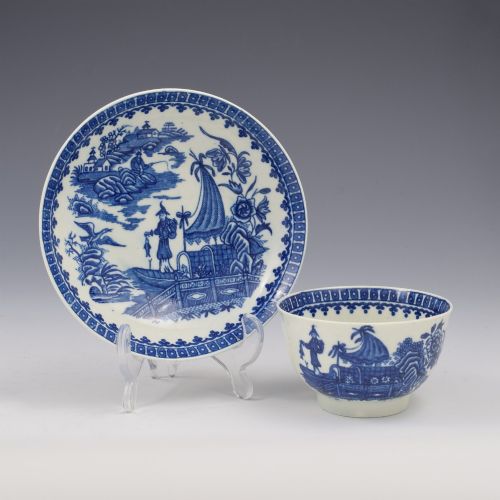


Worcester Porcelain Tea Cup
A worcester porcelain tea cup brings centuries of ceramic artistry to the table, combining delicate forms with intricate hand-painted motifs.
Worcester Porcelain Tea Cup
A worcester porcelain tea cup represents a rich tradition of English ceramic production spanning from the eighteenth century into the twentieth century. Collectors encounter various forms here, ranging from early eighteenth-century tea bowls to later Victorian and twentieth-century cabinet pieces.
The pieces on this page typically arrive as part of matched cups and saucers, trios, or larger tea services. Early examples often reflect the distinctive styles of the Dr Wall period, while nineteenth-century items showcase the subsequent developments under Flight, Barr & Barr and Royal Worcester.
How they were made
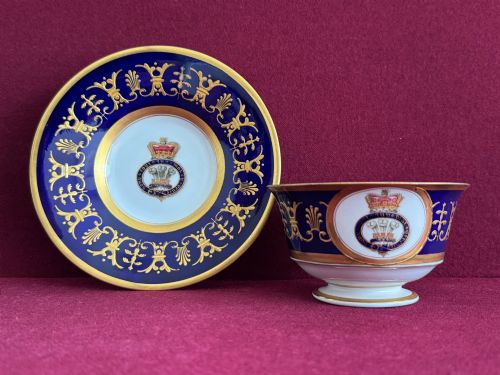
Makers utilised soft-paste porcelain and bone china, often incorporating soapstone into the early bodies to assist with thermal shock during tea service. Artisans shaped these pieces by hand or wheel before applying rich underglaze cobalt blue, enamel colours, and delicate gilding.
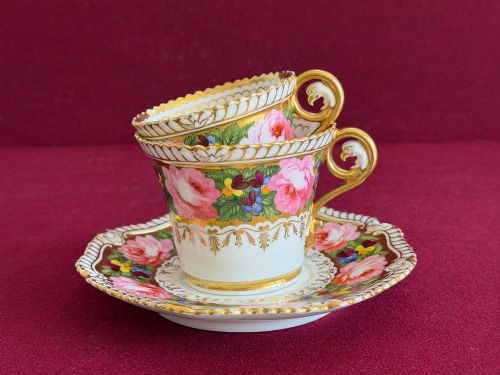
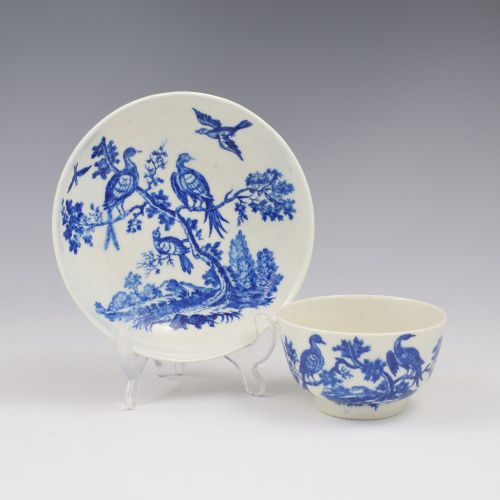
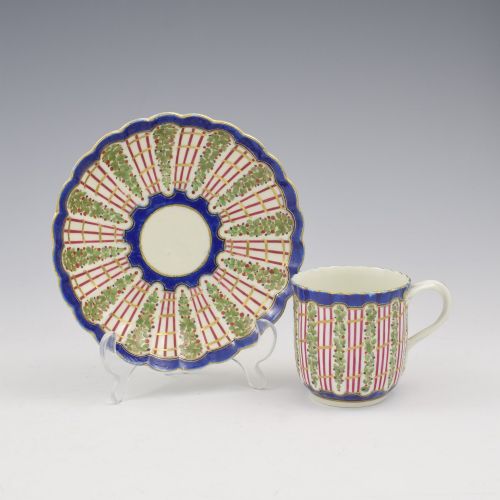
Surface decoration frequently combined hand-painted birds, insects, and floral sprays with printed or hand-gilded borders. Firing techniques evolved across the periods represented, shifting from eighteenth-century soft-paste compositions to robust nineteenth-century bodies and later twentieth-century earthenware and bone china standards.
Worcester Porcelain Tea Cup Retail Price Guide 2026
Typical asking prices for worcester porcelain tea cup among the pieces listed under this phrase on Sellingantiques today, from the lower quarter to the upper quarter. They describe what is for sale here now, not the wider market.
Early eighteenth-century drinkers balanced handleless tea bowls carefully in their palms, mastering the art of warm tea without scorching their fingers.
What varies in quality
Quality in a worcester porcelain tea cup rests heavily on the crispness of the underglaze cobalt blue painting and the precision of the enamel work. Early pieces featuring hand-painted bird studies or intricate scale grounds demonstrate superior artisanal skill compared to simpler transfer-printed items.
The survival of original gilding and the clarity of the porcelain body also dictate the standing of a piece within its period. Later Victorian and twentieth-century items show varying levels of hand-finishing, where painted fruit or elaborate floral motifs elevate standard production ware into cabinet displays.
Barr and Barr·Flight Barr and Barr·Royal Worcester·Chamberlain Worcester
The Worcester Porcelain Tea Cup Glossary
- Soft-Paste Porcelain
- An early ceramic composition of clay, glass frit, and ground minerals that vitrifies at lower temperatures than hard paste. It yields a warm, creamy translucent body favoured by eighteenth-century factories.
- Tea Bowl
- A small handleless drinking vessel used in eighteenth-century tea ceremonies before the handled teacup gained popularity. These pieces mirror Chinese export prototypes.
- Underglaze Cobalt Blue
- A blue pigment applied to the unfired ceramic body beneath a transparent glaze, remaining stable at high firing temperatures. It defines the classic blue-and-white wares of the Dr Wall period.
- Blue Scale Ground
- A patterned underglaze blue ground resembling fish scales, typically framing reserved panels filled with exotic birds or flowers. This technique requires exceptional control during the painting process.
- Blush Ivory
- A Victorian ceramic ground treatment introduced by Royal Worcester that mimics the warm tone of natural ivory. It serves as a soft backdrop for polychrome floral decorations and raised gilding.
Worcester Porcelain Tea Cup: Frequently Asked Questions
How do I date a tea cup?
Dating relies on factory marks found underneath the base, such as crescent marks, script letters, or impressed crown and circle stamps. Style, paste composition, and decorative motifs also provide clear indicators of the manufacturing era.
Early pieces often feature crescent or square fret marks associated with the eighteenth century, whereas nineteenth-century items display specific factory names and pattern numbers.
Were these cups meant for drinking?
Most pieces served a dual purpose as functional tableware for social gatherings or as decorative cabinet items. Eighteenth-century tea bowls were held in both hands to enjoy hot infusions without handles.
As tea-drinking habits evolved into the nineteenth century, handles became standard on teacups, and matching saucers completed the individual settings for formal drawing rooms.
How should I clean my porcelain?
Delicate historic porcelain requires gentle hand washing in lukewarm water with mild soap. Avoid soaking pieces with gilt highlights or enamel decorations to preserve the surface pigments.
Soft cloths and careful drying prevent accidental chips on fragile rims, while modern dishwashers should be avoided entirely due to harsh detergents and high temperatures.
What is a trio set?
A trio consists of a teacup, a matching saucer, and a corresponding small plate for cakes or bread and butter. This configuration became popular during the nineteenth century for formal afternoon tea.
Collecting trios allows buyers to appreciate coordinated factory patterns and matching gilding across multiple ceramic surfaces within a single set.