

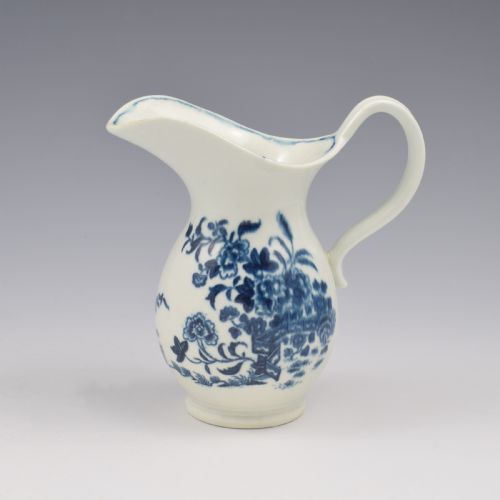


Worcester Porcelain Milk Jug
A Worcester porcelain milk jug brings tangible eighteenth-century craft and later factory artistry straight to the table.
Worcester Porcelain Milk Jug
A worcester porcelain milk jug spans delicate eighteenth-century forms through to robust twentieth-century tableware, offering collectors a rich variety of styles and periods. Buyers searching for a worcester porcelain milk jug encounter everything from early Dr Wall water ewers to later hand-painted fruit cream jugs.
The material record on this page shows pieces originating from the eighteenth century, the Georgian period, and later decades including 1890, 1920, 1940, and 1960. Forms range from sparrow beak milk jugs and water ewers to miniature sugar bowl and creamer sets.
Earlier examples frequently showcase hand-painted patterns like the Fisherman design on soft-paste bodies, whilst later decades present naturalistic fruit painting and gilt rope edges. Every worcester porcelain milk jug reflects the shifting aesthetic demands of its era, from traditional English fine porcelain to Victorian and Edwardian tastes.
Materials and production methods
Makers utilised porcelain and soft-paste porcelain as the fundamental base for these vessels, shaping them into specialised forms like sparrow beak jugs and ewers. Cobalt underglaze provided the deep blue foundation for early decorated patterns before firing.
Enamel colours and glaze sealed the surface, providing a smooth finish that protected the delicate painted details beneath. Artisans applied gold leaf and gold gilt to rims and handles, elevating utilitarian items into decorative display pieces.
Later twentieth-century examples demonstrate continued mastery of painted decoration, particularly with botanical and fruit subjects executed over fine glazes. The combination of precise potting and careful kiln work defines the technical standard of the factory.
Worcester Porcelain Milk Jug Retail Price Guide 2026
Typical asking prices for worcester porcelain milk jug among the pieces listed under this phrase on Sellingantiques today, from the lower quarter to the upper quarter. They describe what is for sale here now, not the wider market.
Materials documented across the current selection include porcelain, soft-paste porcelain, enamel, glaze, cobalt underglaze, gold leaf, and gold gilt.
Judging quality and execution
The distinction between standard factory output and top-tier pieces rests on the precision of the hand-painted decoration and the delicacy of the form. Early Dr Wall period pieces with well-executed transfer prints or underglaze blue painting command attention for their historical alignment.
Later works distinguish themselves through artist signatures, such as signed Freeman pieces, and the sheer density and realism of painted fruit scenes. The crispness of the gilt rope edge and the purity of the white glaze further separate exceptional items from ordinary production.
Dr Wall·Chamberlain Worcester·Royal Worcester
The Worcester Porcelain Milk Jug Glossary
- Dr Wall
- An early period of Worcester production named after the founding partner Dr John Wall, known for soft-paste porcelain and cobalt underglaze decoration. Pieces from this era often feature delicate potting and distinct blue and white patterns.
- Sparrow Beak
- A small, distinctive eighteenth-century milk jug shape characterised by a pinched, pointed pouring lip resembling a bird's beak. This form was designed for pouring small quantities of cream or milk.
- Soft-paste Porcelain
- An artificial ceramic body composed of clay, glass frit, and white sand, fired at lower temperatures than hard-paste. It possesses a warm, slightly creamy translucence typical of early English wares.
- Armorial
- A decorative scheme featuring a family coat of arms, crest, or heraldic badge hand-painted onto the ceramic surface. These bespoke commissions were created for landed families during the Georgian period.
- Gilt
- A thin layer of gold applied to the edges, handles, or decorative highlights of the porcelain. This embellishment adds a bright metallic contrast to the painted body and white glaze.
Worcester Porcelain Milk Jug: Frequently Asked Questions
How do I spot an eighteenth-century piece?
Eighteenth-century examples often utilise soft-paste porcelain, which displays a warm translucence when held to the light. They frequently feature hand-painted cobalt underglaze patterns or early shapes like the water ewer.
Examining the base and interior glaze reveals the characteristic potting marks of the period. Later Victorian and twentieth-century pieces present different paste compositions and more modern decorative styles such as painted fruit.
Are signed pieces more desirable?
Signed pieces, such as those bearing artist signatures like Freeman, often attract stronger interest from collectors. Individual artist attribution proves the high level of hand-painted skill involved in decorating later factory wares.
Specific subjects like detailed fruit painting demonstrate the pinnacle of twentieth-century studio output. This personal touch elevates the vessel from standard tableware to an individual work of art.
How should I display my jug?
These ceramic vessels do best in stable interior environments away from direct sunlight to protect enamel colours and gold gilt highlights. Placing them within enclosed cabinets prevents accidental knocks and minimises dust accumulation on delicate spouts and handles.
Because many examples date back centuries, handling them with clean hands and avoiding dishwasher cleaning ensures their preservation. Enjoying them as part of a curated display highlights their historical forms and detailed decoration.