


Worcester Porcelain Jug
A worcester porcelain jug brings centuries of refined British ceramic history to the table, offering a tangible link to historic factories and delicate domestic design.
Worcester Porcelain Jug
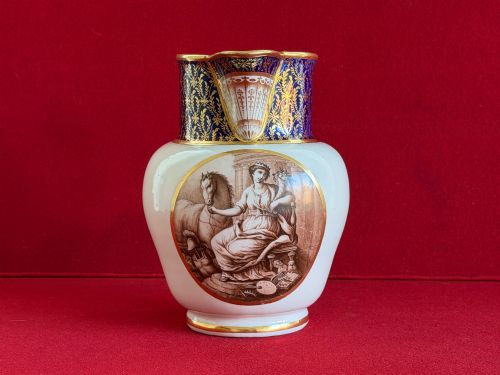
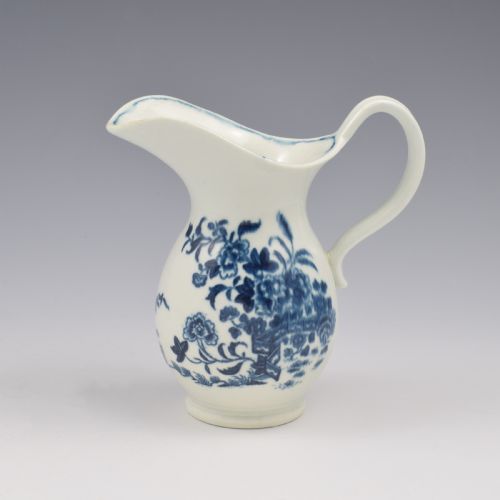
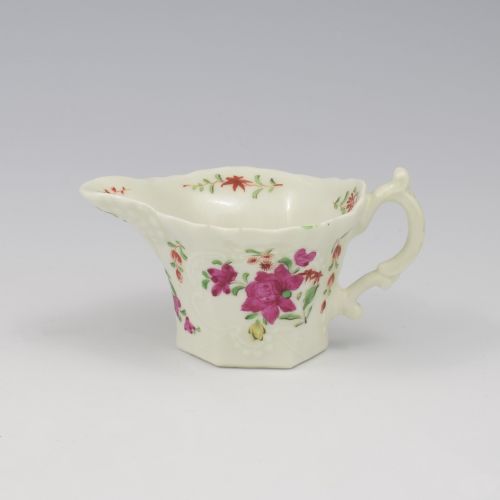
A worcester porcelain jug encompasses a wide variety of forms from milk jugs and cream jugs to large decorative ewers and sauce boats. Buyers searching this phrase most frequently encounter 18th-century First Period pieces featuring delicate hand-painted or printed patterns alongside later Victorian and Edwardian Royal Worcester productions.
The pieces span multiple eras including the Georgian, Regency, and Victorian periods, extending into the early and mid-20th century. Forms range from small sparrow beak milk jugs to grand painted fruit ewers and blush ivory vessels.
How They Were Made
The manufacture of these vessels relies upon porcelain, soft-paste porcelain, and enamel, enriched with gold leaf, gilding, and fine glaze. Potters shaped the clay by hand or mould before applying detailed underglaze blue prints, polychrome enamels, or hand-painted motifs.
Later works incorporate specialised surface treatments such as blush ivory finishes and intricate hand-painted fruit scenes signed by factory artists. Firing techniques evolved from early 18th-century kilns to the sophisticated output of the Victorian era.
Listings span from the 18th century through the Victorian, Edwardian, and Regency periods up to the mid-20th century.
What Varies in Quality
Later Royal Worcester examples depend heavily on the skill of the artist, with signed pieces featuring detailed fruit or floral studies representing the upper tier of execution. The uniformity of the glaze and the delicacy of reticulated work further distinguish finer items from standard production.
Royal Worcester·Chamberlain Worcester·Grainger Worcester
The Worcester Porcelain Jug Glossary
- Sparrow Beak
- A small 18th-century milk or cream jug featuring a distinctive pinched spout resembling a bird's beak. This form is frequently found in early Worcester collections.
- First Period
- The initial phase of Worcester porcelain production, lasting roughly from 1751 to 1783 under the direction of Dr Wall. Pieces from this era are highly sought after by collectors.
- Blush Ivory
- A matt cream-coloured ceramic ground introduced by Royal Worcester in the late 19th century. It serves as a subtle background for delicate floral hand-painting.
- Sauce Boat
- A vessel designed for holding sauces or gravies, often modelled with a handle and a shaped pouring lip. Early examples often display complex moulded details.
- Ewer
- A large pitcher with a wide spout and elaborate handle, typically used for decorative display rather than daily service. Victorian iterations often feature painted fruit or gilded accents.
Worcester Porcelain Jug: Frequently Asked Questions
How do I identify a First Period Worcester piece?
First Period pieces date from the mid to late 18th century and often exhibit characteristic paste variations, crescent marks, or square seal marks underneath. Their forms include sparrow beak jugs and sauce boats decorated with underglaze blue or polychrome enamels.
Closer examination reveals details like mask spouts and hand-painted landscapes or floral prints typical of the Dr Wall era.
What is blush ivory porcelain?
Blush ivory is a specialised soft cream-coloured ground developed by Royal Worcester during the Victorian period. It provides a muted backdrop for delicate floral and botanical decorations.
This finish became extremely popular around the turn of the 20th century and is seen on numerous jugs and vases from that era.
Were these jugs used for milk or cream?
Many of the smaller forms, particularly the sparrow beak and waisted shapes, served specifically for holding milk or cream at the tea table. Their spouts were designed for clean pouring into cups.
Larger vessels and ewers served decorative purposes or held water and wine rather than dairy.
How can I tell the difference between periods?
Distinguishing periods involves examining the paste, the factory mark, and the painting style. 18th-century pieces feature soft-paste bodies and period-specific transfer prints or hand-applied enamels.
Victorian and later Royal Worcester items often display specific date codes, puce factory marks, and more elaborate artistic styles like painted fruit.
Are painted fruit pieces rare?
Royal Worcester pieces decorated with painted fruit by factory artists represent a distinct tier of later production. These items were meticulously hand-painted, often signed by artists such as Stinton or Freeman.
Their fine execution and detailed gilding make them particularly prominent among 20th-century ceramic collections.