

Worcester China Dish
When you search for a worcester china dish, you enter a tradition of English porcelain spanning Georgian elegance through to twentieth-century hand-painted fruit.
Worcester China Dish
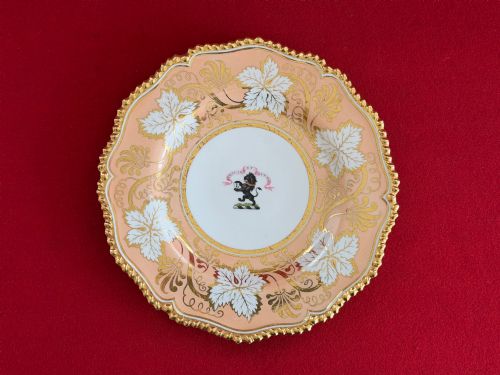
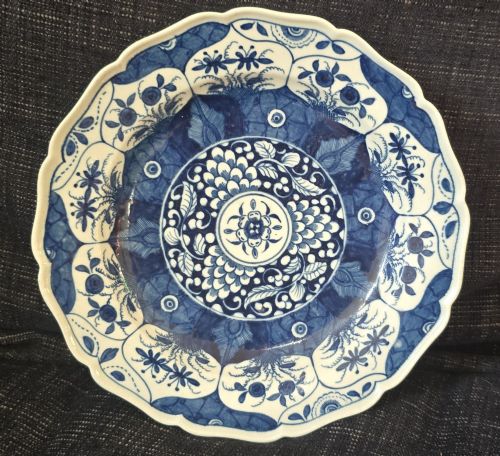
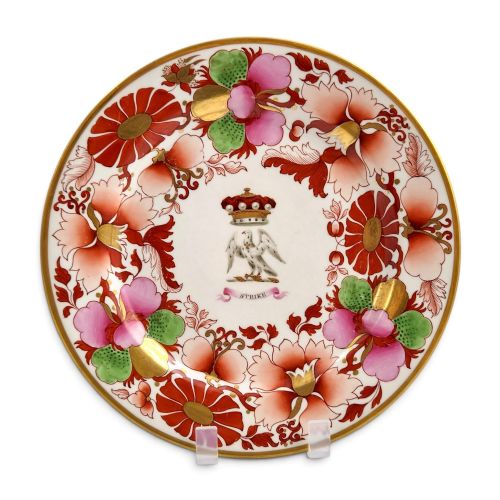
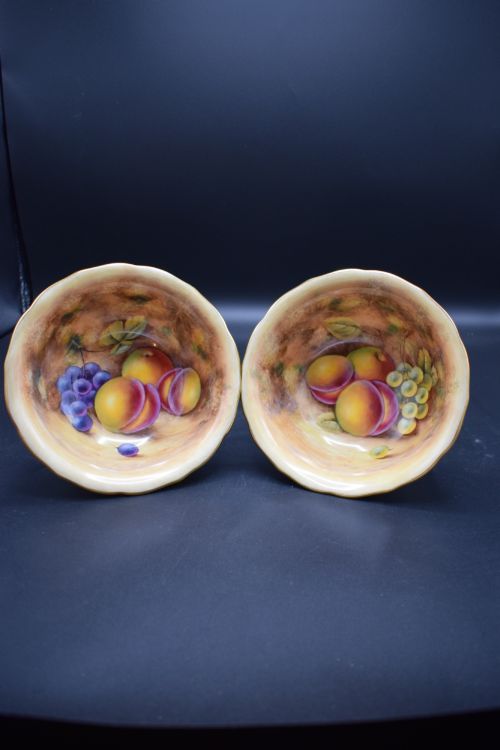
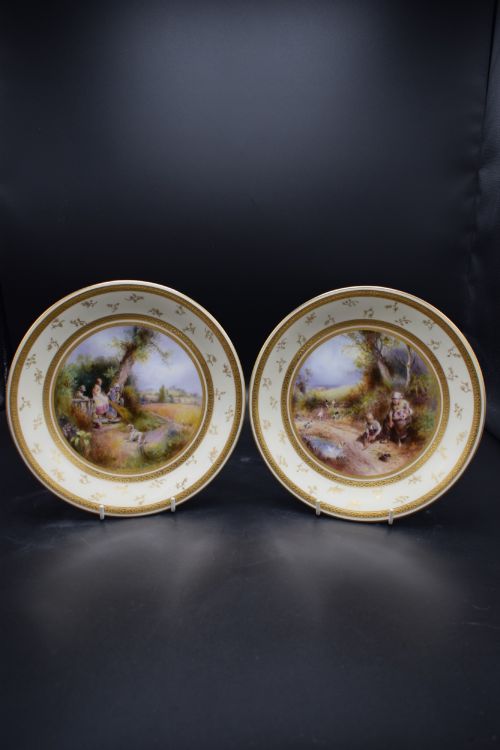
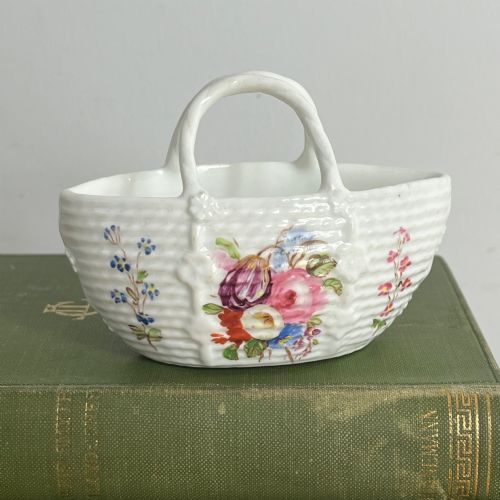
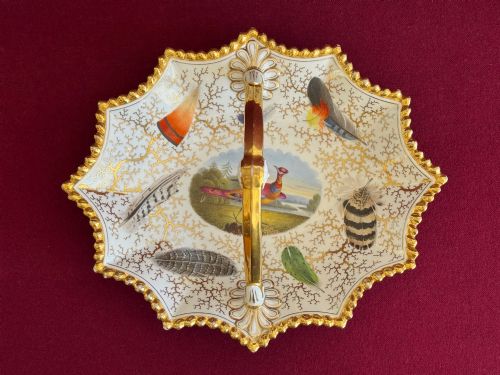
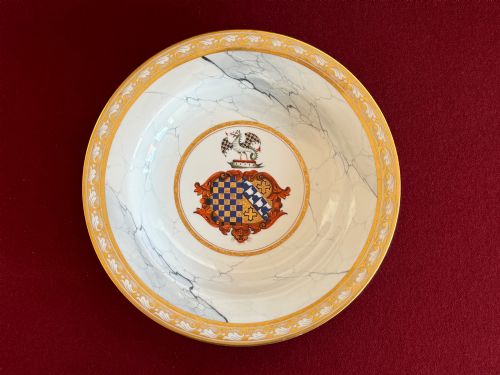
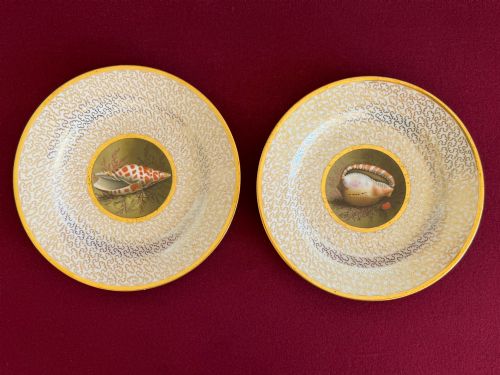
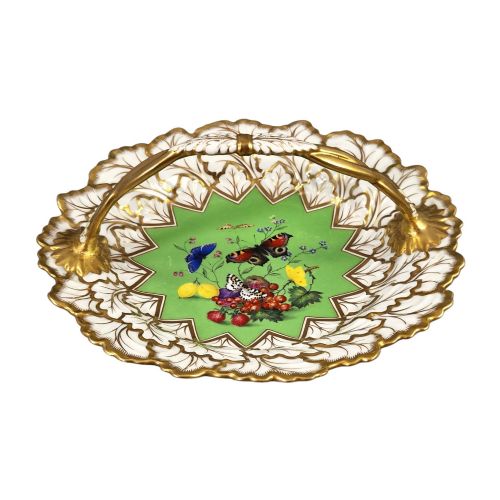
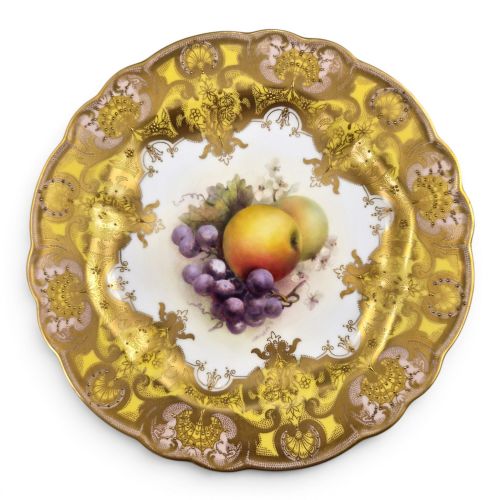
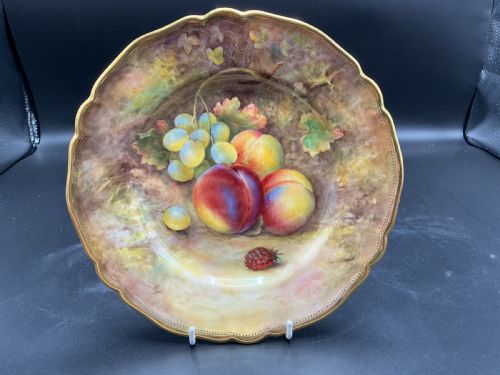
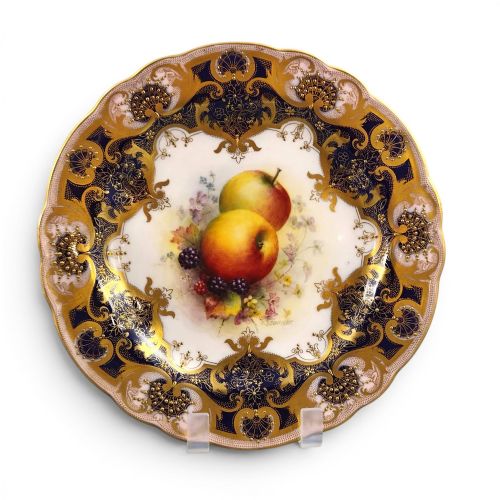
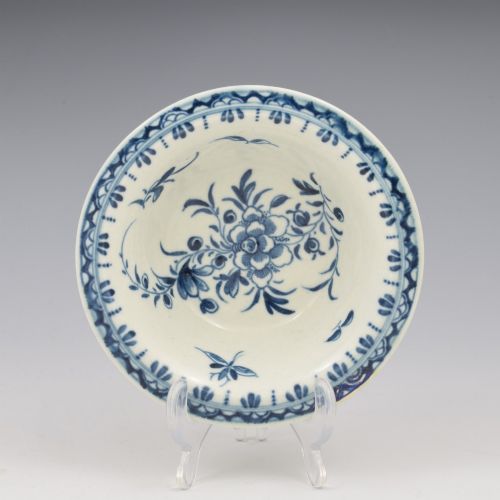
A worcester china dish encompasses a variety of forms, from eighteenth-century Dr Wall period patty pans and dessert dishes to nineteenth-century armorial soup plates and baskets by Flight, Barr & Barr. Buyers most frequently meet cabinet plates, dessert dishes, and serving pieces decorated with hand-painted fruit, landscapes, or traditional Japanese-inspired patterns like the Dragon in Compartments.
The listings on this page draw from multiple eras, including Georgian, Regency, Edwardian, and mid-twentieth-century periods. Forms range from simple bone china dinner plates and porcelain trays to elaborately gilded cabinet plates and twin-handled serving dishes originally commissioned for prominent households and retailers.
How they were made
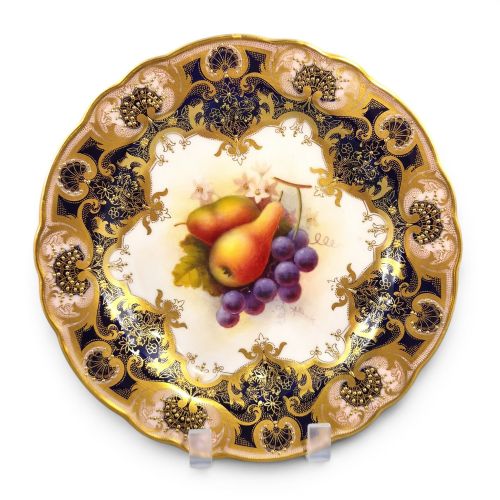
Makers utilised soft-paste porcelain in the eighteenth century before transitioning to fine bone china and standard porcelain bodies in the nineteenth and twentieth centuries. These pieces combine moulded or thrown ceramic bases with detailed hand-painting in enamel colours and applied gold leaf, gilding, or rich cobalt blue grounds.
Decoration required specialist skills, uniting landscape, floral, and fruit painters with gilders who applied tooling and gold leaf. Many pieces received multiple firings in kilns to fix the intricate underglaze blue, overglaze enamels, and gilt highlights securely to the ceramic surface.
Worcester China Dish Retail Price Guide 2026
Typical asking prices for worcester china dish among the pieces listed under this phrase on Sellingantiques today, from the lower quarter to the upper quarter. They describe what is for sale here now, not the wider market.
Some nineteenth-century artists painted whimsical dragons and exotic birds onto plates, ensuring every dinner guest stared into a tiny mythological battle.
What varies in quality
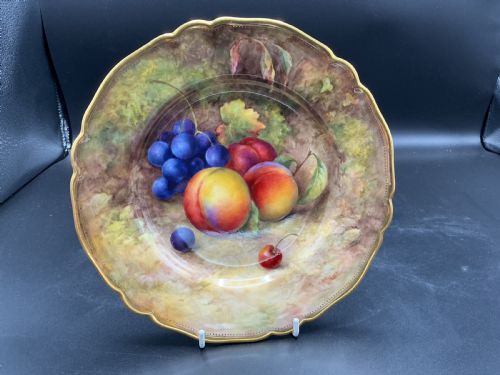
The distinction between standard production and the highest grade lies in the execution of the painting and the complexity of the gilding. Master artists such as Richard Sebright, Harry Martin, or John Smith produced hand-painted fruit and landscape scenes that elevate a standard cabinet plate into a work of fine art.
Quality is also determined by the provenance and the prestige of the specific period factory, whether an early Dr Wall piece with delicate blue scale ground or a Regency armorial service created for a specific baron. Rich, raised tooling on the gold leaf and crispness in the transfer or hand-painted details mark out the superior examples.
Royal Worcester·Flight Barr And Barr·Chamberlains Worcester·Grainger And Co·Doe And Rogers
The Worcester China Dish Glossary
- Cabinet plate
- A decorative plate intended for display in a cabinet rather than for practical dining use. These often feature elaborate hand-painted scenes and heavy gilding.
- Armorial
- Bearing a coat of arms or family crest. These bespoke items were commissioned by landed families and nobility.
- Soft-paste porcelain
- An artificial porcelain body composed of clay and glass frit used in early factories before the widespread adoption of bone china. It produces a warm, slightly translucent glaze.
- Blue scale
- A dark blue patterned ground resembling fish scales, applied to porcelain surfaces and usually framing reserves of painted flowers or birds. This technique is particularly associated with eighteenth-century Worcester.
- Gilding
- The application of gold leaf or gold powder to the ceramic surface. Higher quality pieces often feature tooling and burnished highlights upon the gold.
Worcester China Dish: Frequently Asked Questions
How do I date an antique Worcester dish?
Dating relies on identifying the factory period marks stamped or painted on the underside, alongside stylistic clues such as paste composition and painting technique. Eighteenth-century pieces differ significantly in weight and glaze from Victorian or twentieth-century productions.
Makers like Flight, Barr & Barr or Chamberlain used specific variations of their names during the Regency and Georgian eras, which helps narrow the production window to a specific decade.
Were these dishes meant for daily use?
Many nineteenth-century pieces, such as dessert plates and serving dishes, formed part of large dining services used for formal meals. However, pieces bearing heavy gilding or delicate hand-painted fruit were often decorative items from the outset.
Twentieth-century cabinet plates were primarily created for display rather than catering, preserved for their artistic merit by collectors.
How should I display a cabinet plate?
Cabinet plates are best housed in secure wall-mounted cabinets or displayed on sturdy plate stands designed to support the weight of the porcelain safely. Keeping them away from direct sunlight protects the overglaze enamels and gold leaf from fading over time.
Ensure the display environment maintains a stable temperature to prevent any stress on the antique ceramic body.
What is the Dr Wall period?
The Dr Wall period refers to the earliest phase of the Worcester porcelain manufactory, established by Doctor John Wall in the mid-eighteenth century. Pieces from this era are prized for their soft-paste body and classic blue and white transfer printing or hand-painted chinoiserie.
Items carrying this attribution represent the foundational artistry of English porcelain production.