

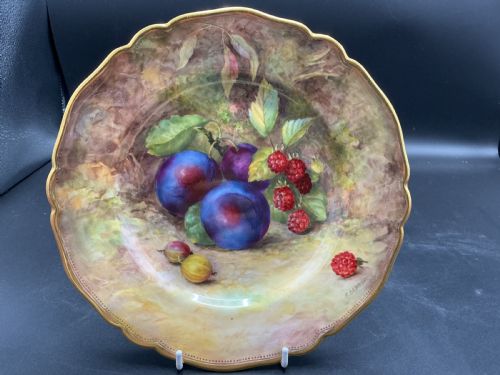


Worcester Bone China
Worcester bone china brings together refined ceramic bodies and master painting, offering cabinet plates, vases, and figures from Georgian origins onward.
Worcester Bone China
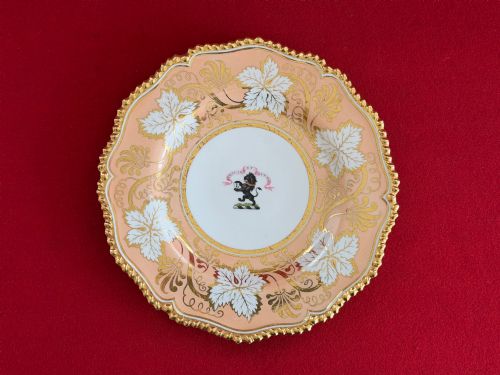
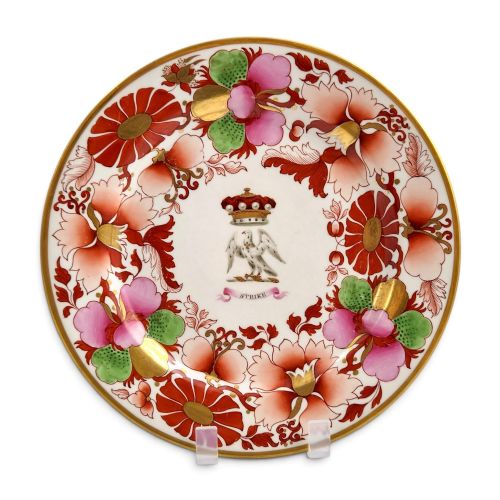
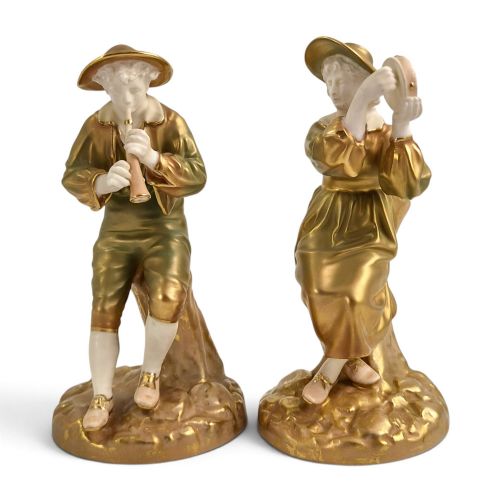
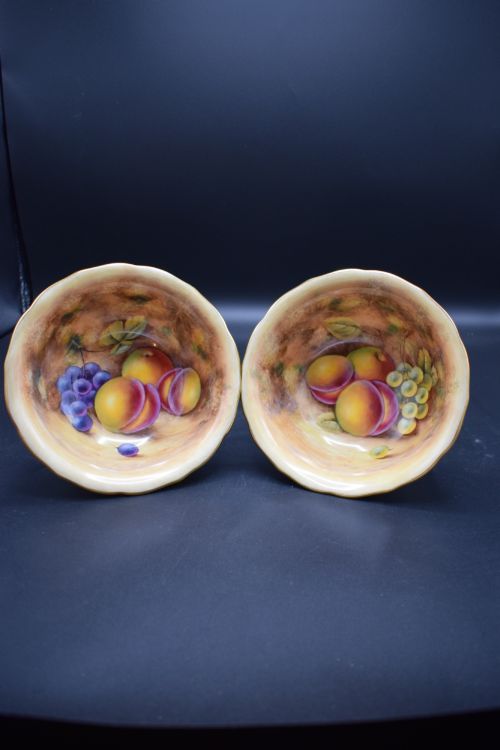
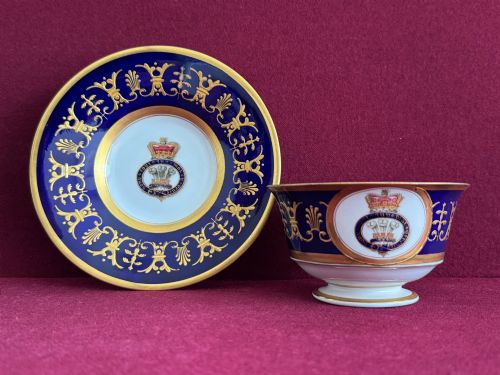
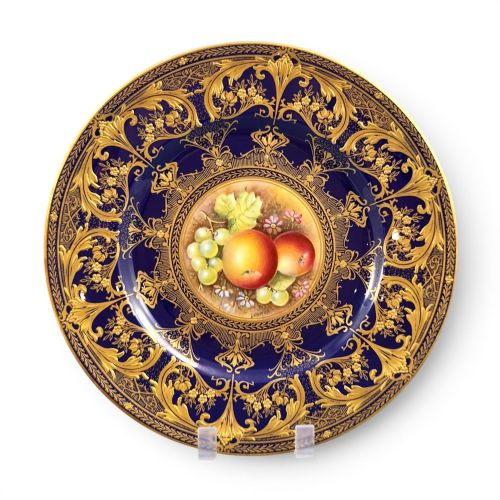
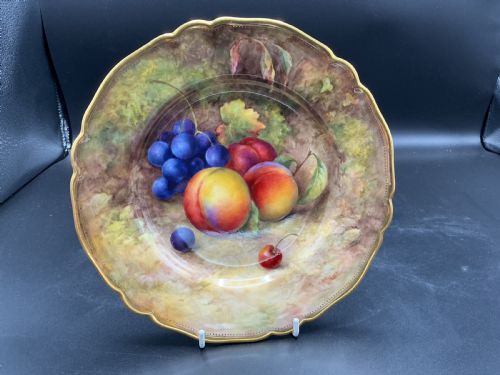
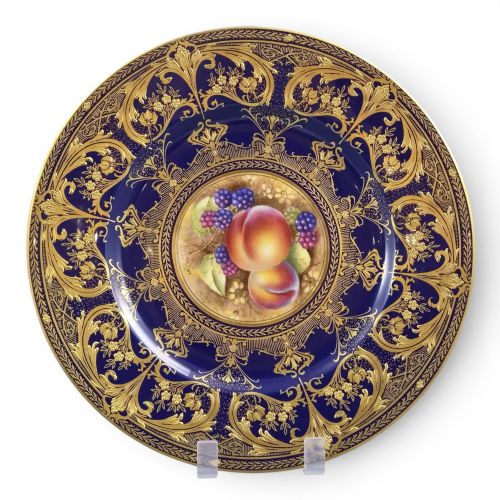
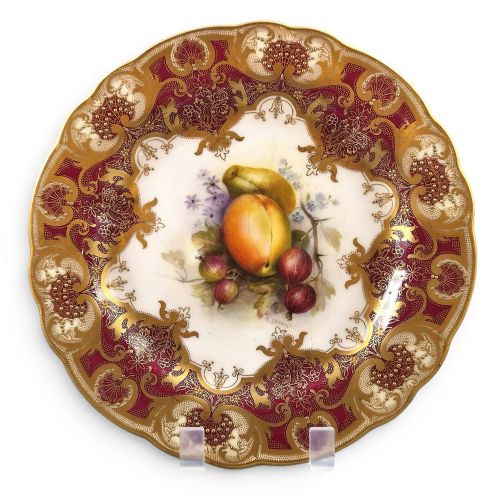
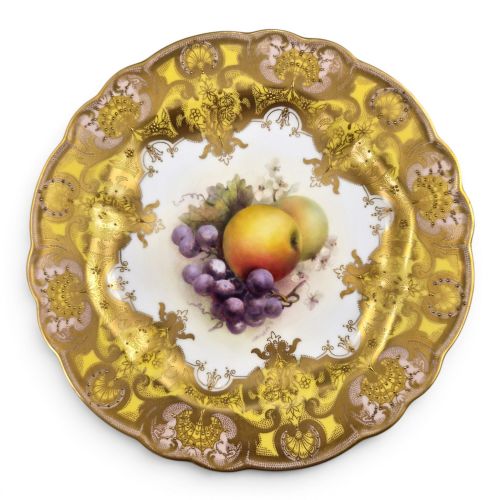
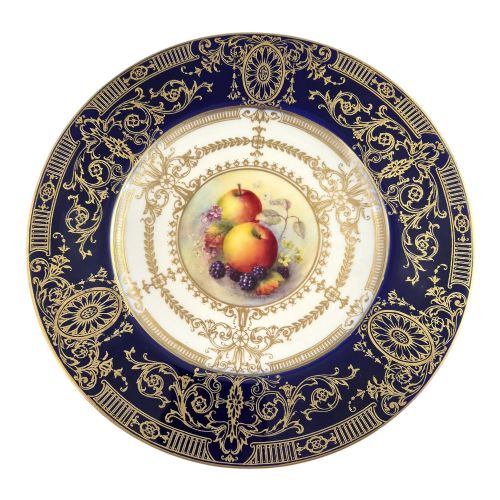
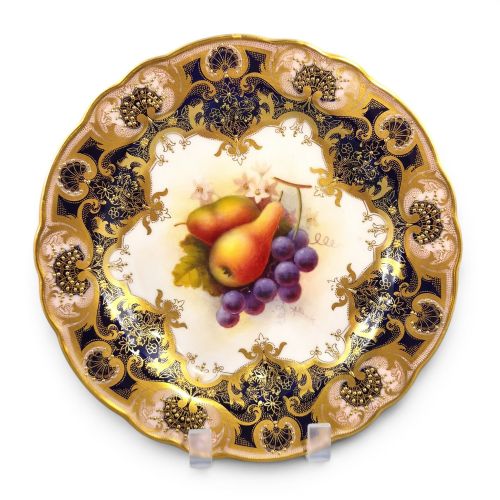
When you search for worcester bone china, you encounter objects spanning from Georgian armorial services to mid-century painted fruit pieces. The selection on this page centres heavily on cabinet plates, decorative bowls, and vases alongside teacups, saucers, and figurines.
Makers and decorators shape the character of these items, with pieces emerging across the Edwardian era, the 1920s, 1930s, and mid-century decades. Functional items such as coffee pots, cream jugs, and soup dishes appear alongside purely decorative cabinet pieces.
Traditional English and Regency styles sit beside Art Deco and Edwardian designs, reflecting shifts in manufacturing over two centuries. Collectors find both cabinet plates bearing artist signatures and domestic table services designed for daily use.
Materials and decoration methods
Production relies upon fine bone china and porcelain bodies formed into plates, vessels, and figures. Artisans apply enamel colours and gold leaf highlights, utilising heavy gilding and gold gilt for rich surface ornamentation.
Hand-painting defines the output, with artists executing detailed fruit studies, birds, and armorial crests directly onto the ceramic surface. Vases and tea wares receive meticulous brushwork from named painters before final firing.
Worcester Bone China Retail Price Guide 2026
Typical asking prices for worcester bone china among the pieces listed under this phrase on Sellingantiques today, from the lower quarter to the upper quarter. They describe what is for sale here now, not the wider market.
Listings feature items spanning the Georgian, Regency, Victorian, Edwardian, Art Deco, and mid-century periods, utilising fine bone china, porcelain, enamel, and gold leaf.
Quality factors in Worcester ceramics
Distinction lies in the execution of the hand-painted decoration, where recognised artists produce naturalistic fruit, landscapes, and animal studies with exceptional precision. The complexity of the gilt borders and the crispness of armorial transfers further separate standard production from masterworks.
The integrity of the porcelain body and the preservation of the enamel colours dictate the condition and visual impact of each piece. Plates with complete, unrubbed gold leaf and signed artistic attribution represent the high point of the range.
Royal Worcester·Flight Barr And Barr·Chamberlain Worcester·Barr Flight And Barr
The Worcester Bone China Glossary
- Bone china
- A type of porcelain incorporating bone ash to create a strong, milky-white ceramic body suitable for delicate forms.
- Armorial plate
- A ceramic dish decorated with a specific family coat of arms or crest commissioned by the original owner.
- Cabinet plate
- A decorative display plate intended for visual appreciation in a cabinet rather than for dining use.
- Gilding
- The application of gold leaf or gold paint to the rims, handles, and borders of ceramic vessels.
- Tea trio
- A matching set comprising a teacup, saucer, and matching side plate designed for social tea service.
Worcester Bone China: Frequently Asked Questions
What periods do these pieces date from?
The pieces span from Georgian and Regency eras through the Victorian and Edwardian periods into the mid-twentieth century. Items cover decades from the early 1800s up to the 1960s.
Specific dates appear on many items, linked to particular monarchs or production years recorded in the registry.
How do I identify a signed piece?
Artists often signed their painted fruit and landscape scenes directly onto the ceramic surface near the base of the design. Names such as Richard Sebright or John Smith indicate individual painter attribution.
Signatures usually match recorded decorators associated with the factory during specific operating decades.
Were these items meant for daily use?
Many objects, including tea sets, coffee cups, and soup dishes, served functional dining purposes in domestic households. Other items like cabinet plates and decorative urns served purely ornamental roles.
Armorial services were custom-ordered for prominent families to display status during formal meals.
What is blush ivory ware?
Blush ivory refers to a soft, matte cream-coloured ceramic ground often decorated with floral patterns and gold highlights. This finish gained popularity around the turn of the twentieth century.
Pieces utilising this technique include tea trios, vases, and small decorative vessels.