




Wool Silk Wall Hanging
Wool silk wall hanging selections span European tapestries and Central Asian tribal embroideries, bringing historic textile art and rich texture into modern interiors.
Wool Silk Wall Hanging
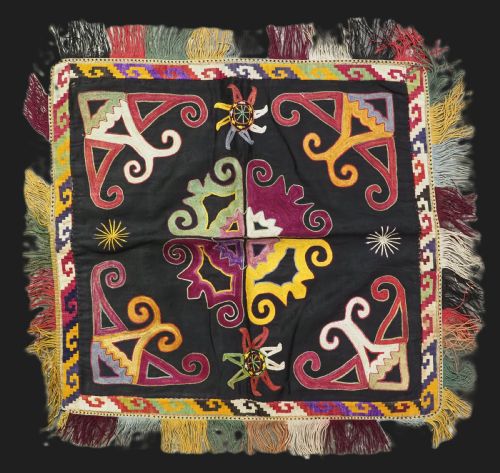
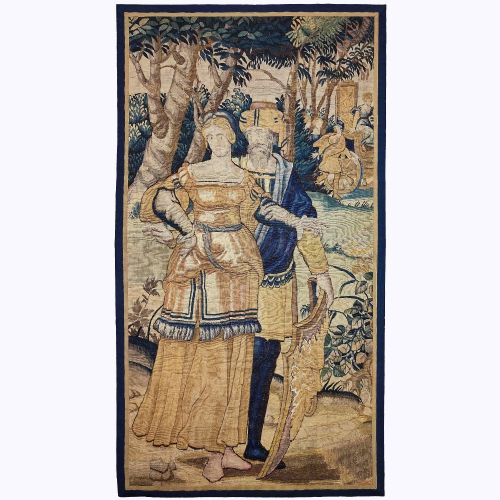
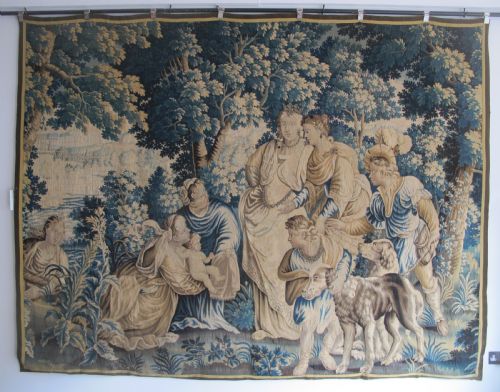
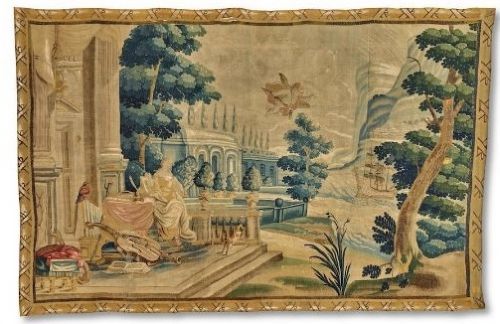
A wool silk wall hanging brings together centuries of textile tradition, ranging from European verdure and biblical tapestries to Central Asian tribal embroideries. Buyers encounter pieces that function as grand historic panels or intricate dowry hangings.
Many items originate from specific regional traditions, displaying motifs from Central Asian tribal workshops or European baroque looms designed to decorate large country house walls.
How They Were Made
Weavers and needleworkers constructed these pieces using wool, silk, cotton, and linen grounds, frequently adding silk highlights to create contrast against heavier woollen foundations. Artisans also incorporated materials such as felt, glass beads, and brass details on specific tribal and decorative items.
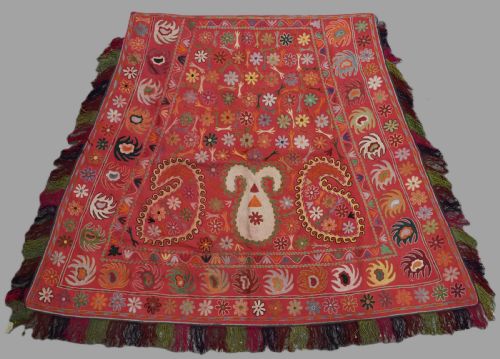
European examples rely on complex tapestry weaving techniques to depict verdure landscapes and mythological scenes across large scales. Central Asian and Persian pieces utilise dense hand embroidery, often featuring silk thread applied to red wool or felt grounds.
Listings feature wool, silk, cotton, linen, felt, glass beads, and brass across periods from the seventeenth century through the early twentieth century.
What Varies in Quality
Quality rests upon the density of the weave or embroidery and the complexity of the design, with finer needlework and intricate pictorial detail distinguishing superior examples. The preservation of the original ground materials and the vibrancy of the remaining silk highlights also influence the standing of a piece.
Larger scale European tapestries demonstrate mastery through pictorial depth and balanced proportions within mythological or verdure scenes. Tribal embroideries show distinction through the precision of geometric motifs and the richness of the underlying wool or felt support.
The Wool Silk Wall Hanging Glossary
- Verdure tapestry
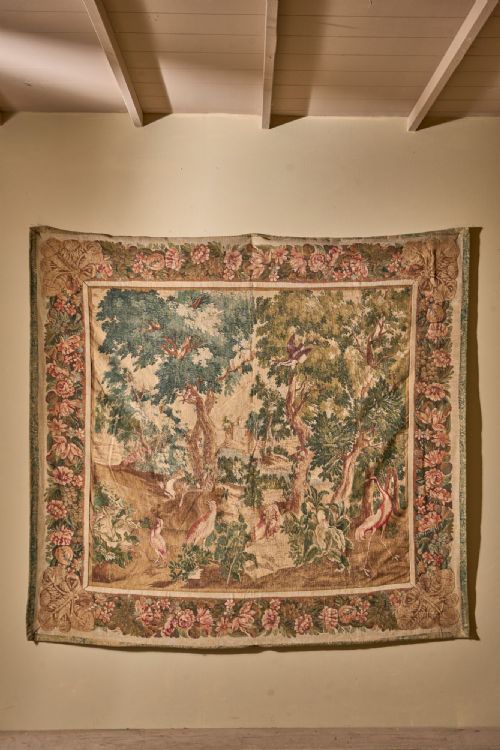
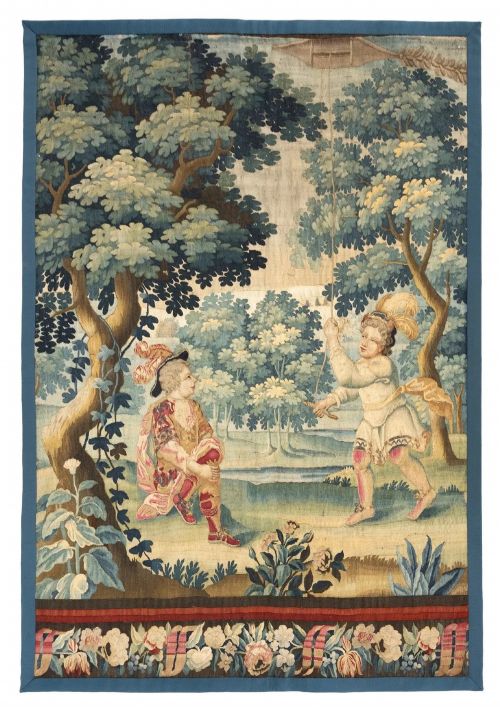
- A European wall hanging featuring a landscape dominated by trees, foliage, and plants, often populated by birds or animals. These works date primarily from the seventeenth and eighteenth centuries.
- Ilgich
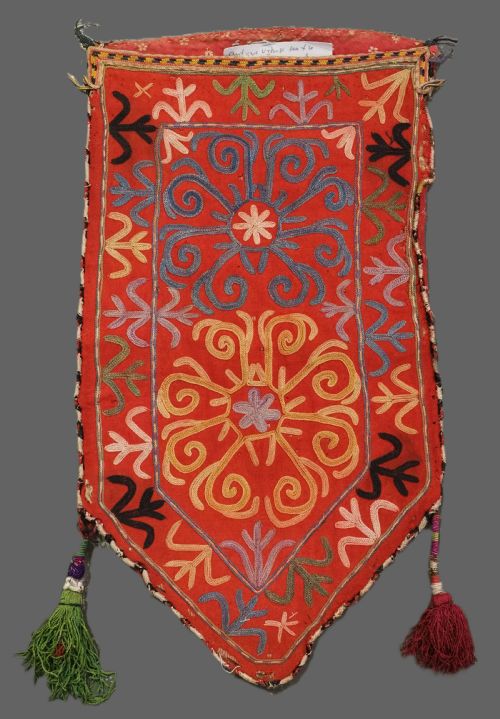
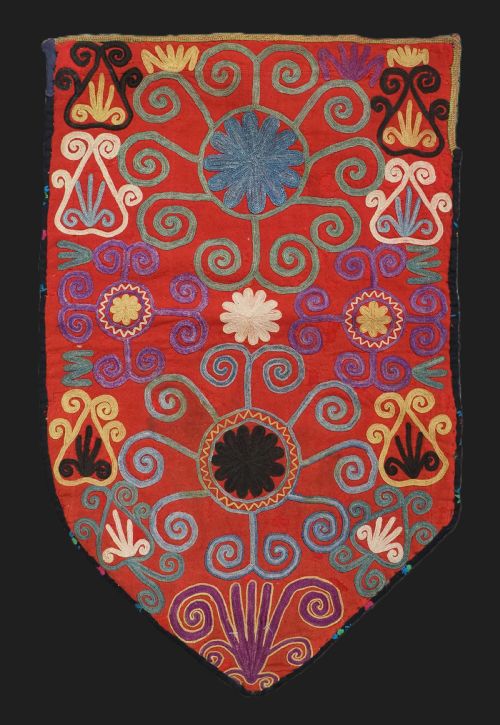
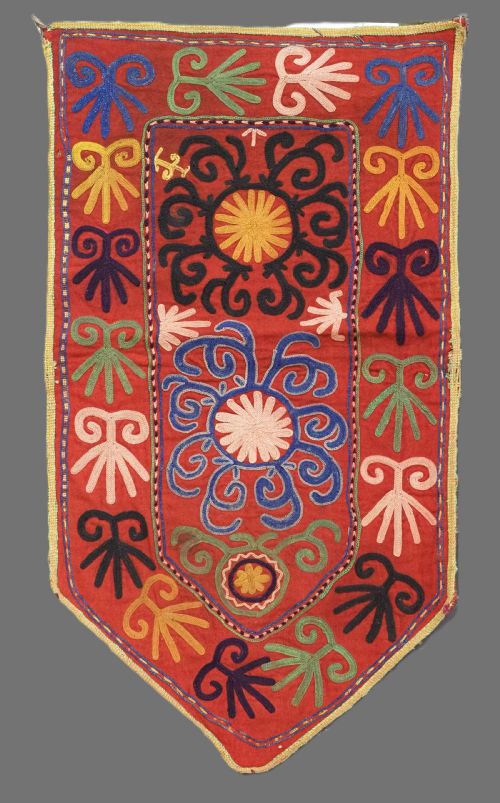
- A Central Asian embroidery piece created by the Lakai tribe, traditionally used as a dowry hanging or tent furnishing. They are typically worked in silk on wool grounds.
- Torba
- A small tribal bag face or wall hanging produced by Turkmen groups, featuring distinctive gul motifs and detailed geometric patterns. Silk highlights frequently accent the primary wool design.
- Aubusson tapestry
- A woven wall hanging originating from the French town of Aubusson, known for fine pictorial compositions and pastoral or biblical scenes. These pieces reflect classical baroque styling.
- Rasht embroidery
- A traditional Persian textile technique involving inlaid pieces of coloured felt and detailed chain stitch embroidery using silk threads. Floral medallions often form the central design.
Wool Silk Wall Hanging: Frequently Asked Questions
How do I hang a heavy textile safely?
Large tapestries and heavy embroideries require professional mounting systems that distribute weight evenly across a wooden batten or hidden support rod. Sewing a supportive linen backing band along the top edge prevents the original fabric from tearing under its own weight.
Smaller tribal pieces can often be displayed using specialised display clips or custom mounts that grip the textile without puncturing the historic fibres. Consulting a textile conservator ensures the chosen method protects the material integrity over time.
What is a verdure tapestry?
A verdure tapestry depicts a lush landscape filled with stylized trees, foliage, rolling hills, and occasional animals or birds. Originating mainly in Flemish and French workshops during the seventeenth and eighteenth centuries, these pieces brought outdoor scenes into grand interior rooms.
The colour palette relies heavily on natural tones of green, blue, and brown, though fading over centuries often shifts the original hues toward softer muted shades.
What distinguishes Central Asian tribal hangings?
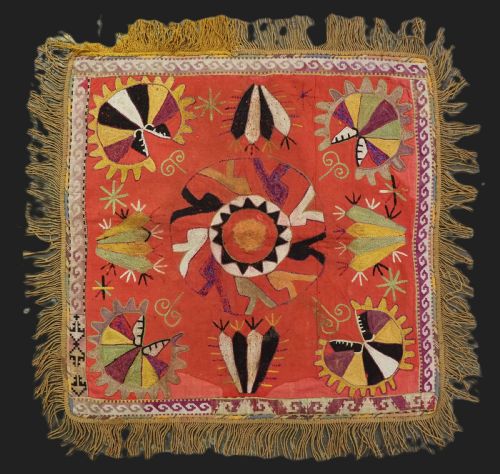
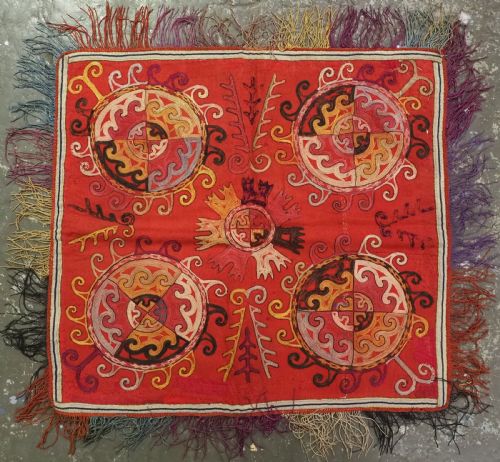
Central Asian tribal hangings, such as those from the Lakai or Turkmen groups, feature bold geometric patterns and vibrant silk embroidery on heavy wool or felt grounds. These items served functional and ceremonial purposes within nomadic yurt dwellings, including dowry displays and horse covers.
The use of saturated red wool grounds paired with contrasting white cotton and bright silk thread creates a visually striking aesthetic distinct from European woven works.