
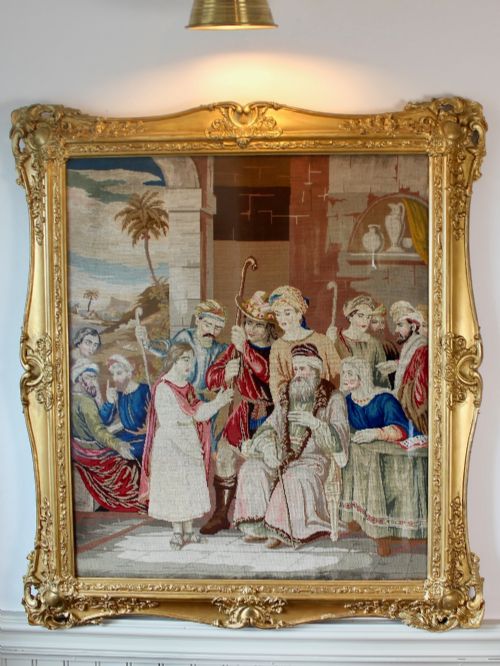


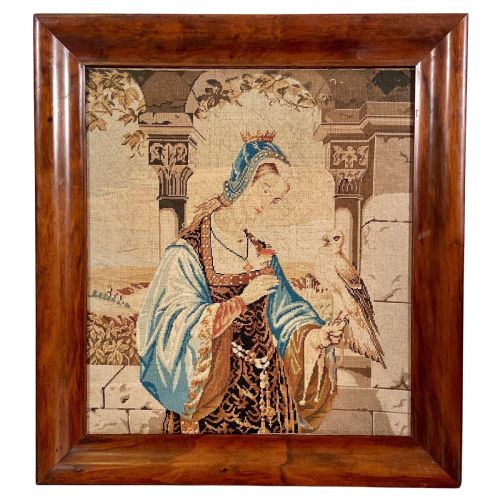
Wool Embroidery Wall Art
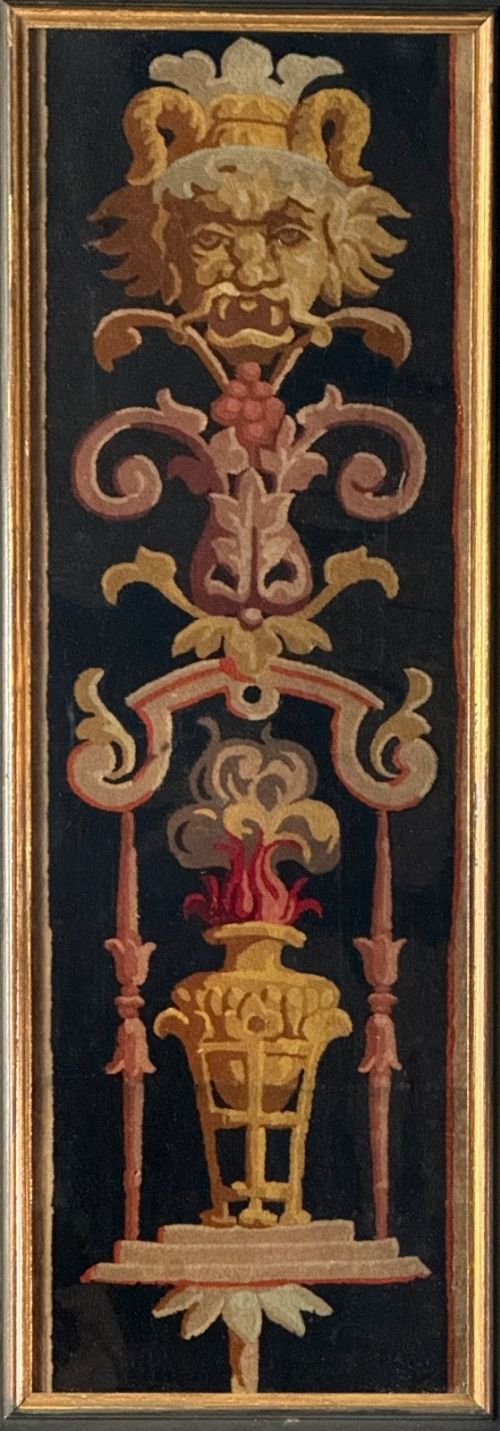
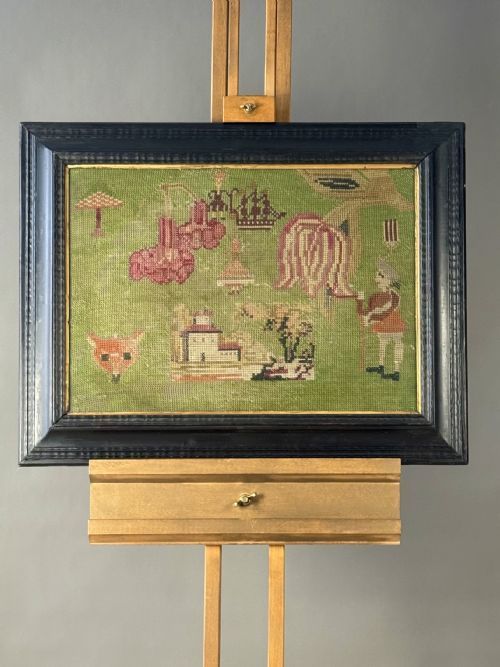
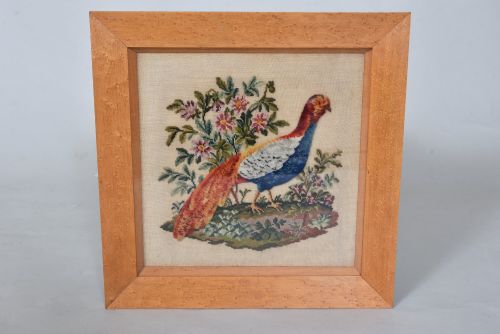
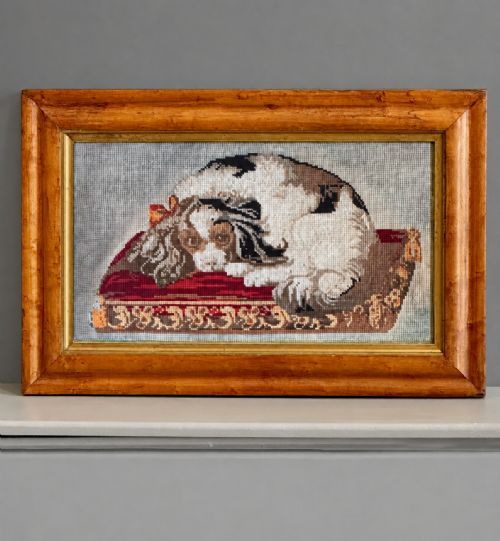
Wool embroidery wall art brings tactile warmth and historic narrative into a room through textured threads and historic needlework.
Wool Embroidery Wall Art
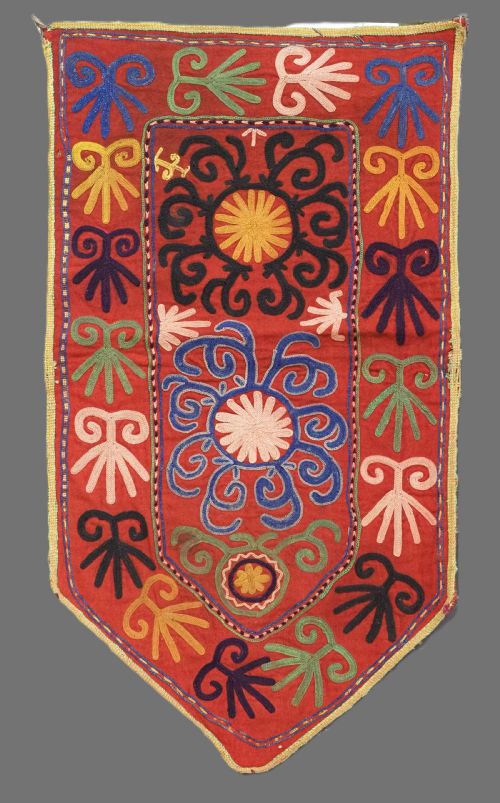
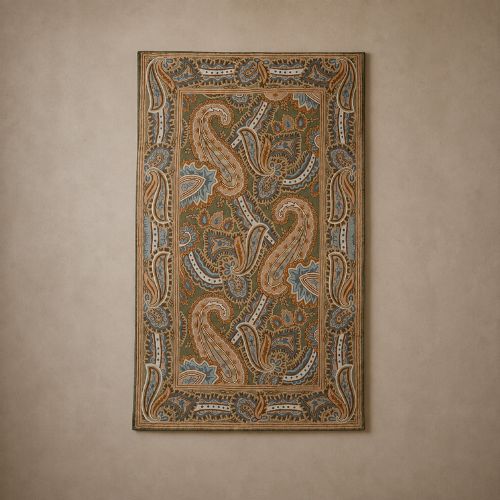
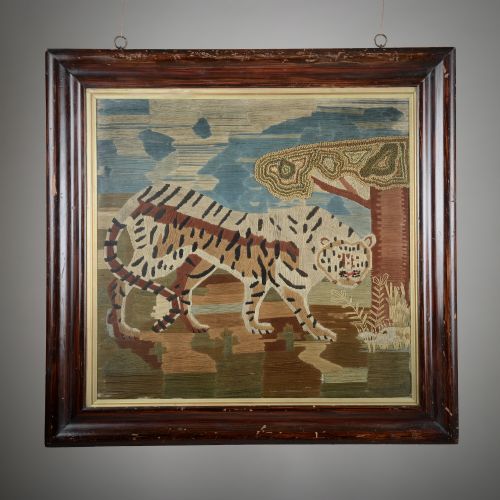
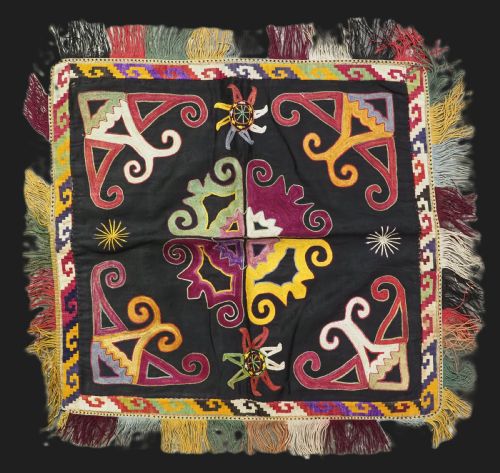
When searching for wool embroidery wall art, buyers encounter a diverse selection ranging from British samplers and Berlin woolwork to Central Asian tribal hangings. These textiles served various historic functions, from domestic educational exercises to nomadic dowry decorations and formal portraiture.
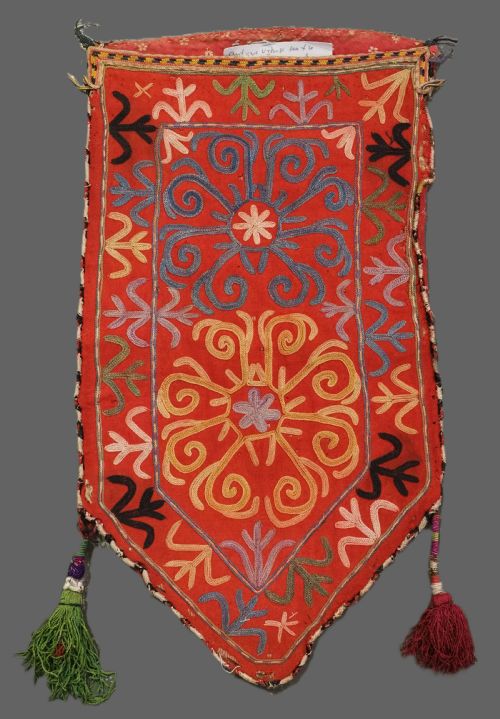
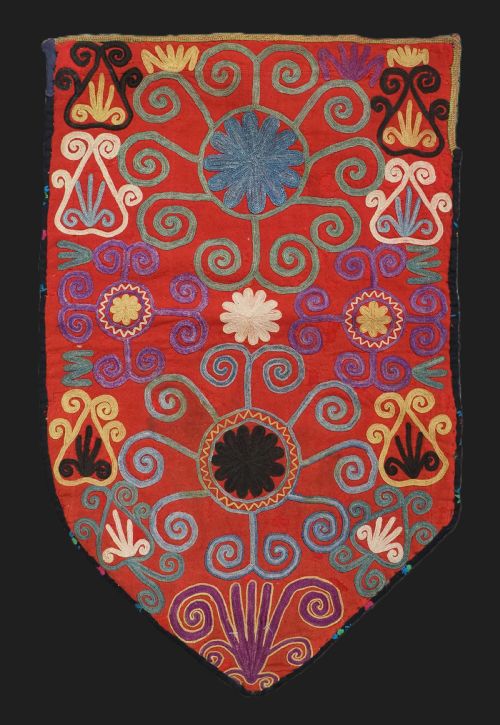
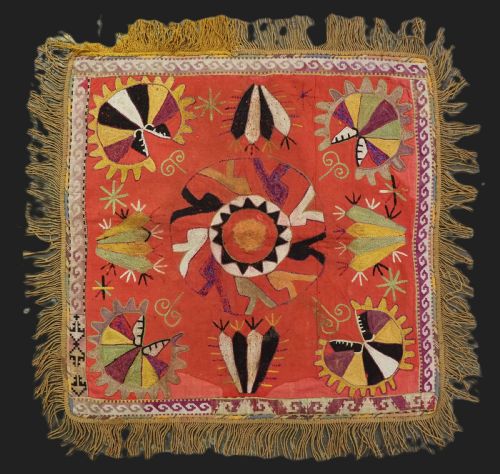
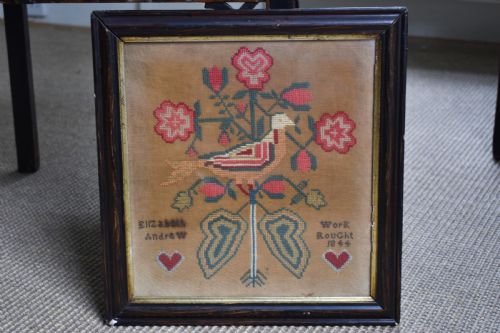
The most common examples on this page date from the Victorian era and around nineteen hundred, encompassing framed pictorial scenes, tribal dowry panels, and detailed needlepoint pictures. Materials shift between fine wool yarns, silk highlights, canvas foundations, and felt appliques.
Originating across Britain, Europe, and Central Asia, these pieces reflect both refined domestic craftsmanship and distinctive tribal traditions. Each wall hanging preserves specific cultural motifs, ranging from pastoral landscapes and literary subjects to geometric nomadic symbols.
How they were made
Maker execution relies heavily on wool yarn stitched onto supportive foundations such as canvas, linen, cotton, or felt. Silk highlights frequently add lustre to specific details, while wool provides the primary dense texture and depth.
Techniques range from counted cross stitch in Berlin woolwork to intricate plushwork, crewelwork, and felt applique. Central Asian examples often incorporate detailed surface embroidery and horse hair tassels, while European pieces utilise traditional needlepoint stitches.
Framing methods preserved these textiles using wood, burr maple, or giltwood frames, sometimes incorporating glass protection such as verre églomisé. The integration of textile and frame secures the structural stability of each hanging panel.
The inventory records wool embroidery wall art spanning from the eighteenth century through to the early twentieth century, incorporating British, European, and Central Asian origins.
What varies in quality
Quality rests in the precision of the stitching and the complexity of the design, where tighter needlework creates sharper pictorial definition and more durable surfaces. Masterful shading and proportion distinguish superior figurative woolwork from simpler folk examples.
The survival of original framing elements, such as period burr maple or giltwood surrounds, elevates the integrity of European pieces. Similarly, the preservation of vibrant natural dyes and original silk highlights defines the standard of Central Asian tribal textiles.
Condition and completeness matter significantly, particularly regarding the retention of delicate felt appliques, tassels, and structural backing fabrics. Pieces maintaining their original domestic or nomadic context offer clearer historical value to collectors.
The Wool Embroidery Wall Art Glossary
- Berlin work
- A popular form of nineteenth-century counted-thread embroidery using brightly coloured wool on canvas. It was worked from printed and hand-coloured grid patterns.
- Sampler
- A historic piece of needlework created to demonstrate proficiency in various stitches and alphabets. They often include decorative motifs, dates, and maker names.
- Verre églomisé
- A historic decorative technique involving the application of gold or silver leaf to glass, combined with etching and painting. It frequently appears on quality picture frames.
- Gros point
- A coarse needlepoint stitch worked on canvas, creating a durable and textured surface. It is commonly found on nineteenth-century pictorial wall art.
- Ilgich
- A Central Asian embroidered dowry hanging created by tribal makers. These textiles feature distinctive geometric patterns and symbolic motifs.
Wool Embroidery Wall Art: Frequently Asked Questions
How should I hang wool embroidery?
Display these textiles away from direct sunlight to prevent the wool yarns and natural dyes from fading over time. Ensure the weight of the piece is evenly supported by a secure hanging wire attached to a sturdy frame.
Maintain stable indoor humidity levels to protect organic materials like wool, canvas, and wooden frames from environmental damage. Regular gentle dusting with a soft brush keeps the surface clean without disturbing delicate stitches.
How do I date antique needlework?
Dating relies on examining the substrate materials, framing techniques, and stylistic conventions visible in the design. Historic samplers often feature embroidered dates, maker names, or specific royal references that narrow the timeline.
Comparing the wool types and colour palettes with documented examples from the eighteenth and nineteenth centuries provides further chronological clarity. Tribal pieces often align with specific nomadic weaving traditions of the early twentieth century.
What is Berlin woolwork?
Berlin woolwork emerged as a dominant needlecraft craze during the Victorian period. It involved stitching vibrant Berlin wool onto a canvas grid following printed pattern sheets.
These pictorial works often illustrated biblical scenes, literary narratives, animals, or romantic landscapes. Their dense, colourful finish made them ideal for framed domestic wall display.