



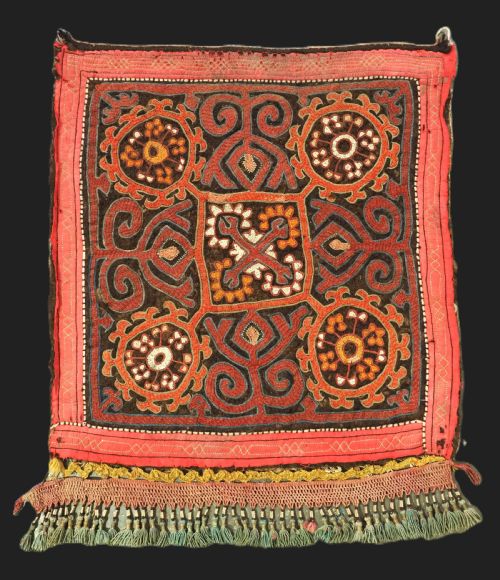
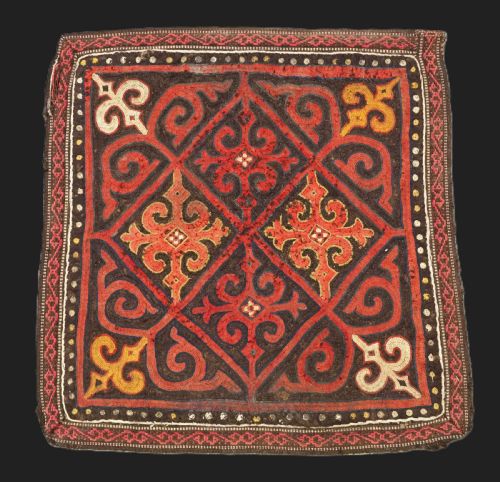
Wool Embroidery Panel
A wool embroidery panel brings centuries of skilled handiwork into a modern interior, offering rich texture and historical depth through stitched depictions and patterns.
Wool Embroidery Panel
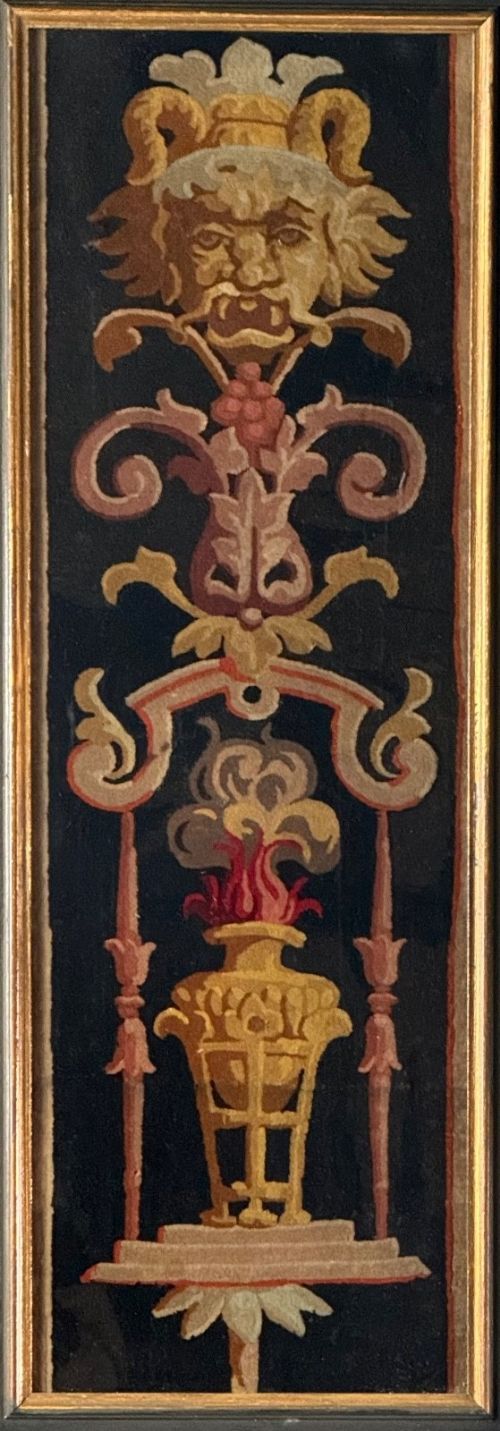
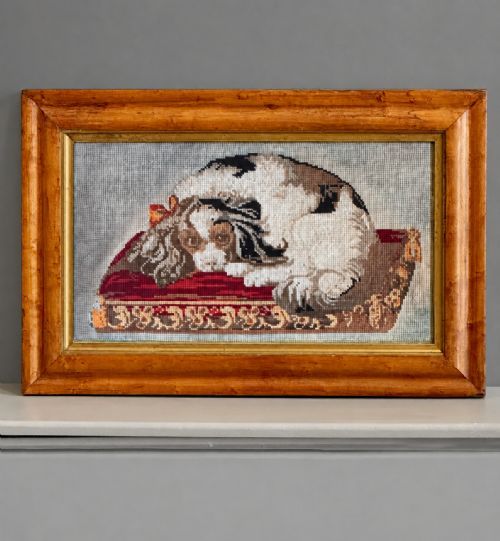
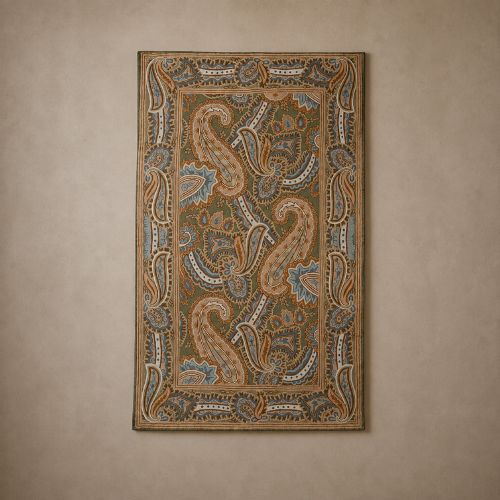
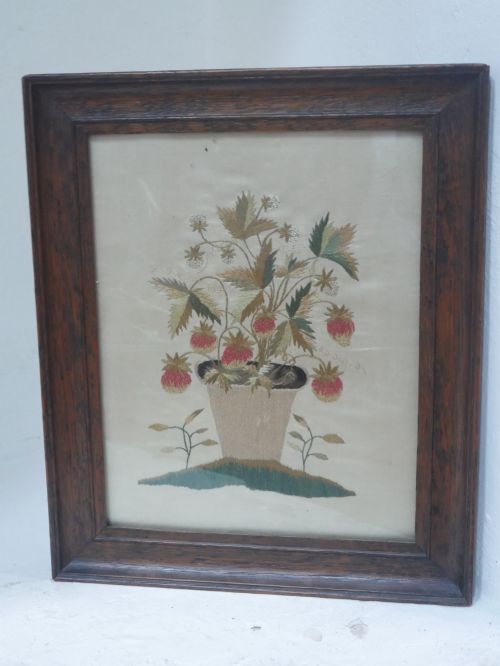
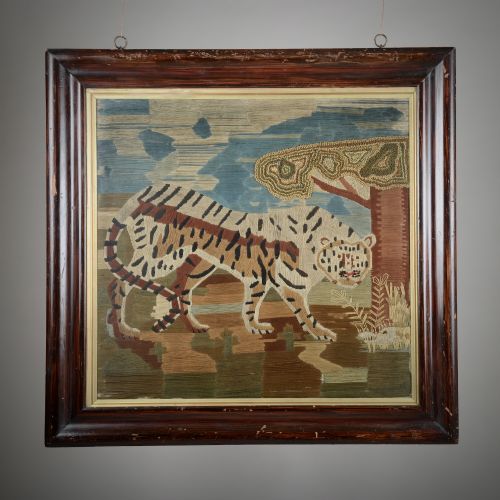
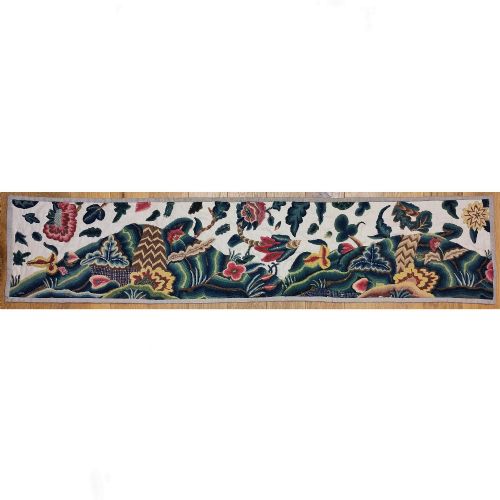
A wool embroidery panel encompasses diverse historical textiles, ranging from early English crewelwork to Central Asian nomadic dowry hangings and Victorian needlework pictures. When searching for a wool embroidery panel, a buyer encounters everything from seventeenth-century classical grotesques to nineteenth-century Berlin work portraits and twentieth-century Persian Rasht appliqués.
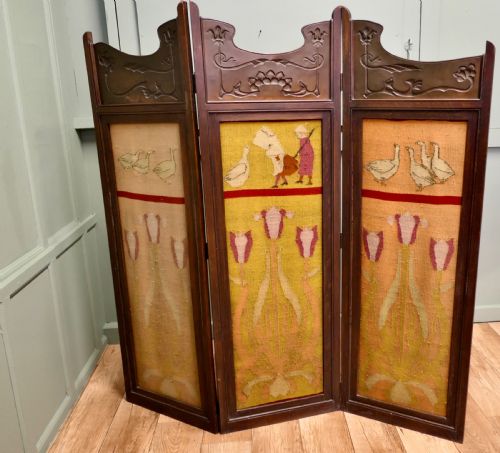
The material takes many forms across the selection, appearing on woven linen grounds, woollen felt backgrounds, canvas, and framed wooden structures. Pieces serve variously as wall art, folding screen inserts, yurt decorations, and sampler records.
Originating from British, French, Italian, Swedish, and Central Asian workshops, these panels reflect distinct regional textile traditions. Surviving examples demonstrate both domestic needlecraft and tribal craftwork intended for ceremonial or daily display.
Materials and construction methods
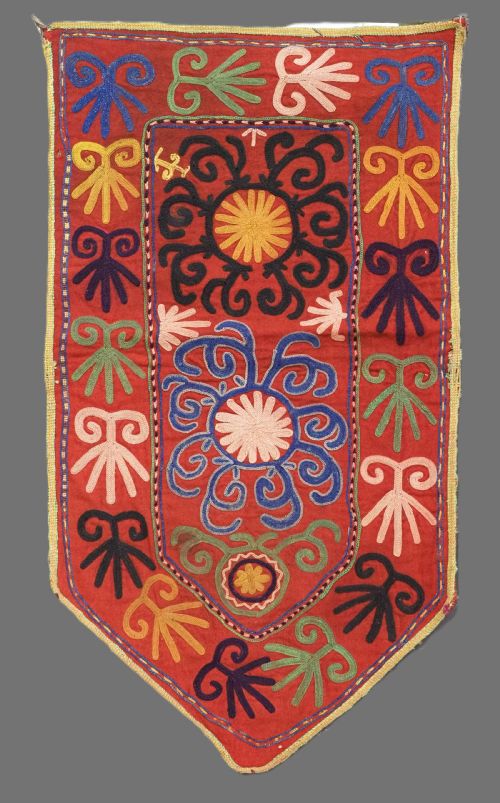
Makers stitched primarily with wool yarns onto supporting grounds of linen, cotton, or felt, frequently incorporating silk threads for detailed pictorial highlights. Crewelwork pieces utilise twisted wool yarns on sturdy linen, while Central Asian nomadic examples employ silk embroidery applied to red wool or felt foundations.
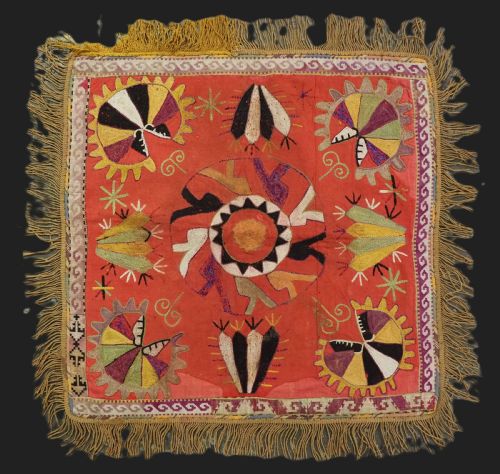
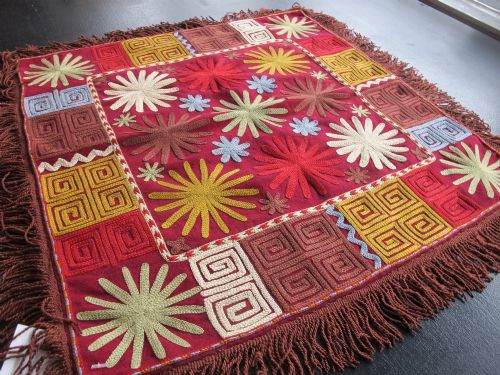
Structural elements such as wood frames, copper mounts, and glass protect fragile needlework surfaces. Felt panels often feature applied fringes and contrasting fabric appliqués, built to withstand hanging inside tents or domestic rooms.
Wool Embroidery Panel Retail Price Guide 2026
Typical asking prices for wool embroidery panel among the pieces listed under this phrase on Sellingantiques today, from the lower quarter to the upper quarter. They describe what is for sale here now, not the wider market.
Listings feature works spanning from the seventeenth century through to the early twentieth century, incorporating wool, silk, linen, felt, and cotton.
Assessing quality in historical needlework
Quality rests in the precision of the stitching, the complexity of the design, and the survival of the original materials. Finer examples display intricate needle control, balanced colour palettes, and well-preserved wool or silk threads.
The integrity of the ground fabric and the presence of period mountings, such as burr maple or gilt frames, contribute significantly to the standing of a textile piece. Tribal and domestic items differ greatly in execution, with professional needlework pictures showing formal perspective and folk pieces offering expressive naive charm.
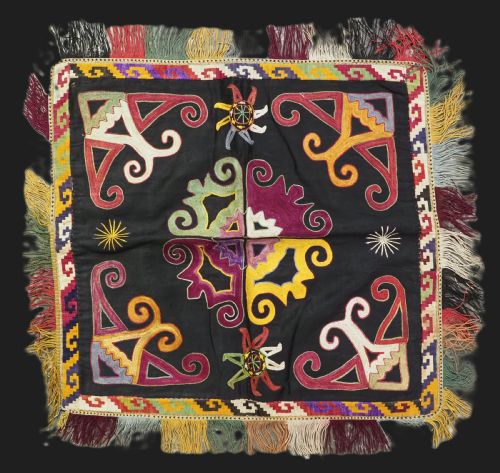
Lakai Tribe·Kirghiz Nomads
The Wool Embroidery Panel Glossary
- Crewelwork
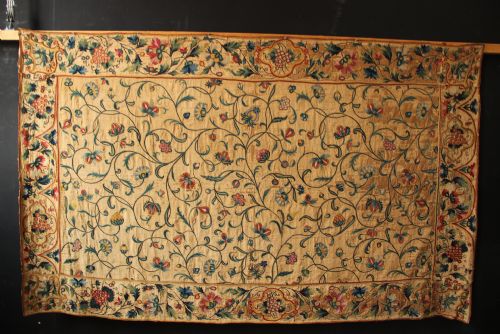
- Embroidery executed with wool yarn on a linen or cotton ground. This technique creates deeply textured pictorial surfaces popular in English domestic interiors.
- Berlin work
- A nineteenth-century style of needlepoint stitched on canvas using coloured wools from printed grid patterns. It produced vibrant, highly detailed pictures often mounted in wooden frames.
- Ilgich
- A Central Asian dowry embroidery piece produced by Lakai tribes. These wall hangings feature geometric and floral motifs stitched in silk onto wool or felt grounds.
- Rasht embroidery
- A traditional Persian technique involving complex inlay and applique work using wool felt and silk. Pieces typically display elaborate floral medallions.
Wool Embroidery Panel: Frequently Asked Questions
How were wool embroidery panels displayed originally?
Historical pieces served multiple functions, from wall hangings inside nomadic tents to framed decorative pictures in European homes. Many functioned as dowry items or structural components of folding screens.
Nomadic panels were hung directly from yurt walls, whereas Western needlework was typically stretched over canvas, framed in wood, or incorporated into interior furnishings.
What is the difference between crewelwork and Berlin work?
Crewelwork uses twisted wool yarns to form free-form botanical and figurative designs upon a linen foundation. It relies on varied stitches to create fluid pictorial depth.
Berlin work employs counted-thread canvas embroidery using brightly coloured wools guided by gridded patterns. This method yields rigid, geometric compositions with dense pictorial coverage.
How should antique textiles be cared for at home?
Protect delicate wool and silk surfaces by mounting panels away from direct sunlight to prevent colour fading. Gentle vacuuming through protective mesh can remove surface dust.
Avoid humid environments and keep textiles out of damp spaces to protect organic wool, felt, and backing materials from deterioration.
How do I identify the period of a textile panel?
Dating relies on examining the materials, ground fabrics, and stylistic characteristics. Seventeenth and eighteenth-century examples often feature crewelwork on linen, while Victorian pieces typically show canvas needlepoint or framed samplers.
Central Asian nomadic panels from the late nineteenth and early twentieth centuries are distinguishable by their specific silk-on-felt applique methods and tribal motifs.