

Wool Embroidery Hanging
When you seek a wool embroidery hanging, you encounter textile panels, ceremonial horse covers and tapestries spanning centuries of global needlework tradition.
Wool Embroidery Hanging
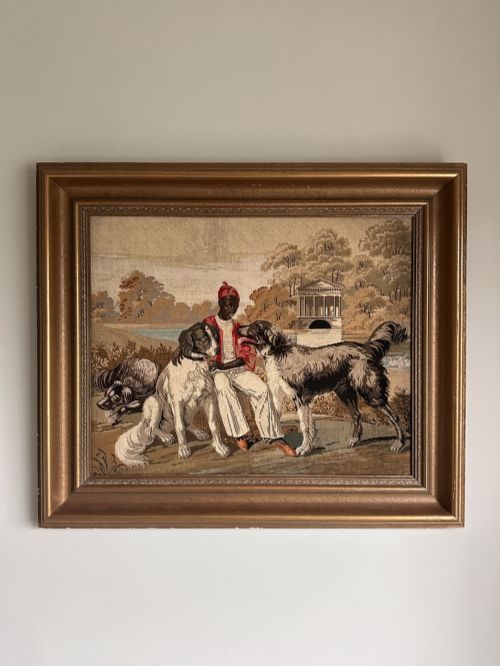
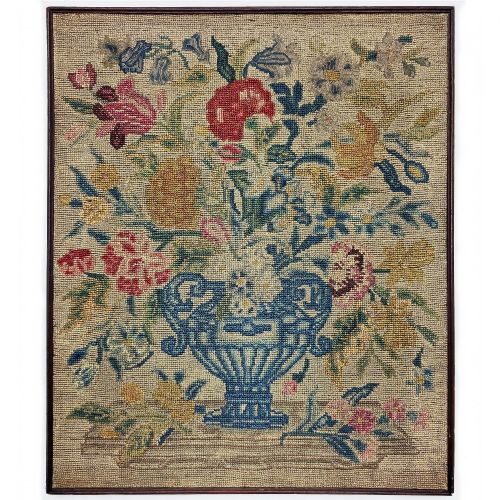
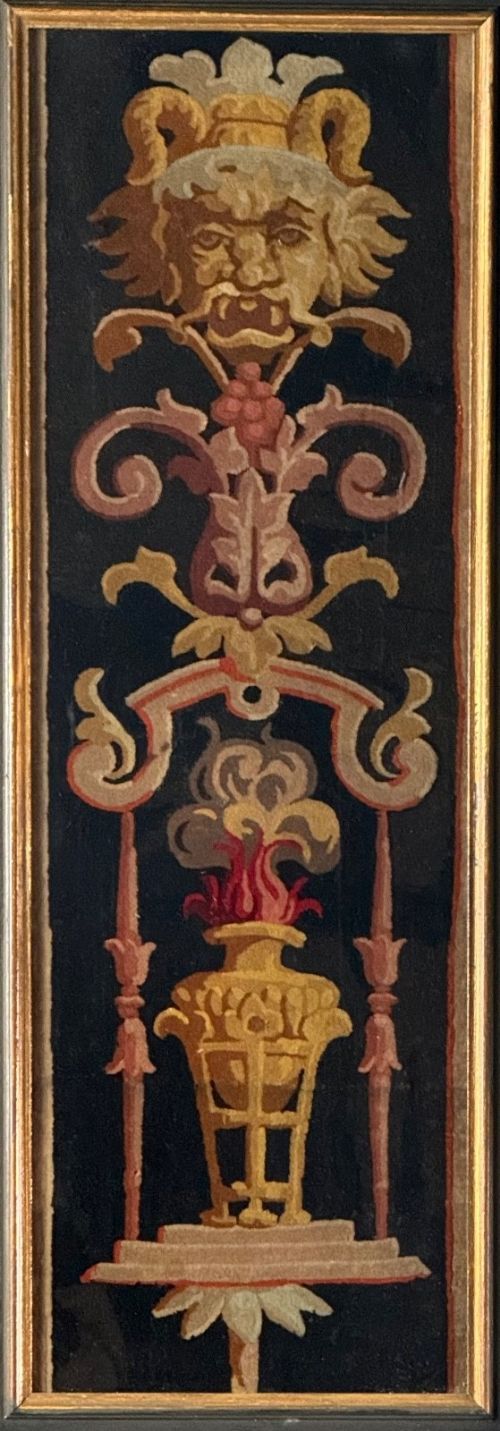
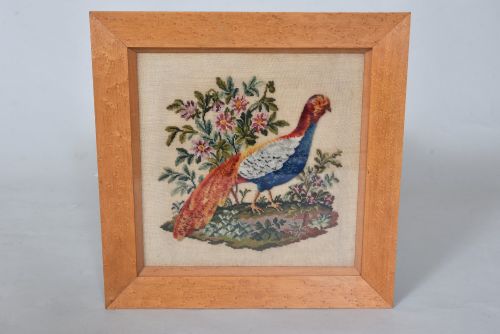
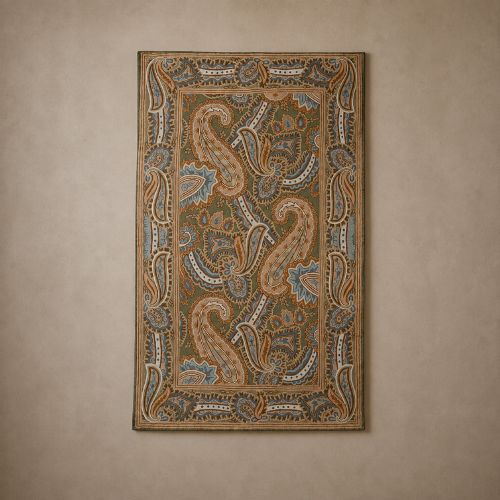
A wool embroidery hanging encompasses a diverse group of textile artworks, ranging from English crewelwork panels and Victorian needlework to Central Asian nomadic pieces. Buyers looking for these items find wall art and decorative hangings designed to bring texture and history into a space.
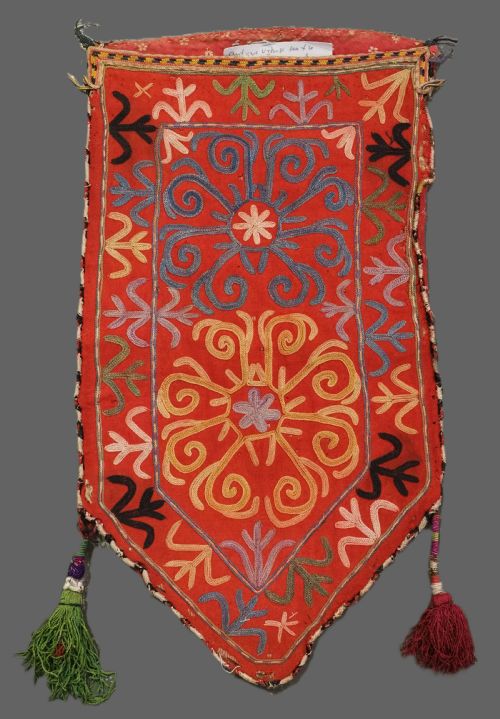
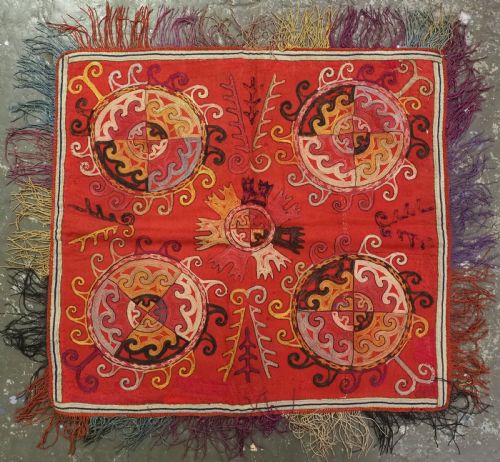
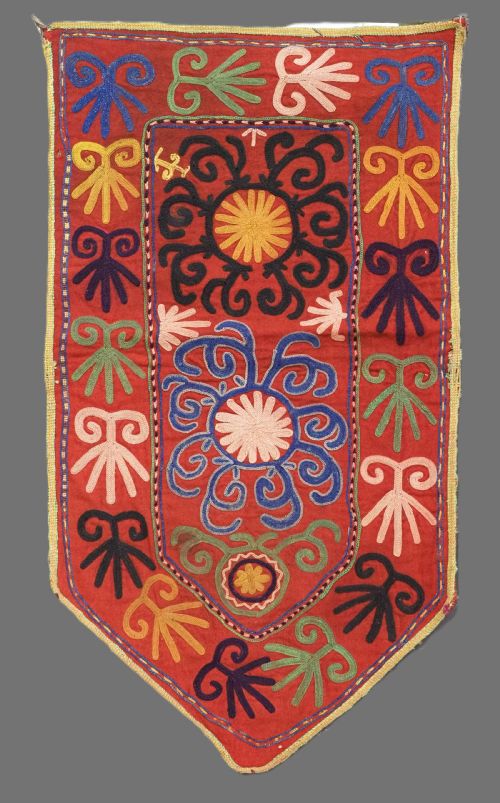
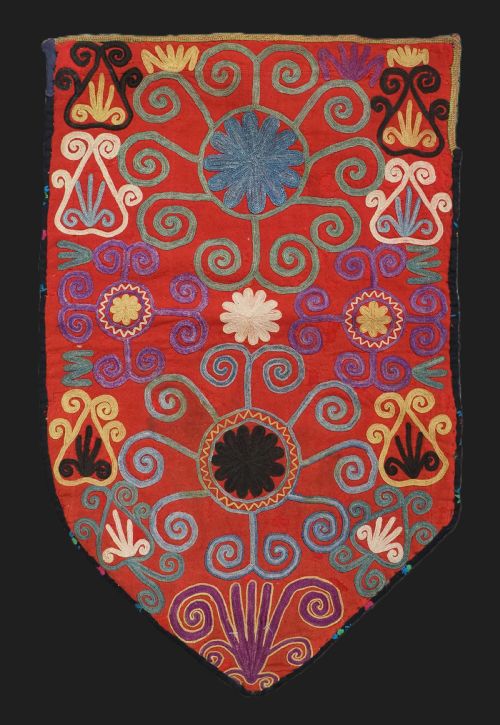
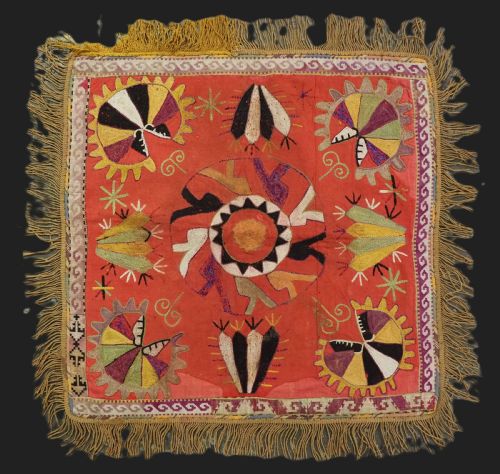
The selections on this page lean heavily toward Central Asian tribal works, particularly Uzbek Lakai ilgiches and Kyrgyz felt panels, alongside European needlework from the seventeenth century onward. These objects served ceremonial, domestic and architectural purposes in their original contexts.
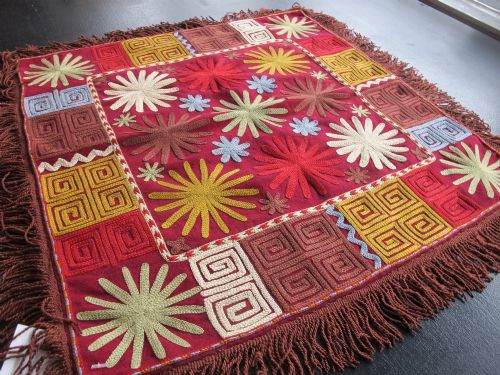
Forms vary from framed tapestries and wall panels to saddle covers, dowry embroideries and yurt decorations. Wool frequently combines with silk, cotton, felt and linen to create dense surfaces filled with traditional motifs.
How They Were Made
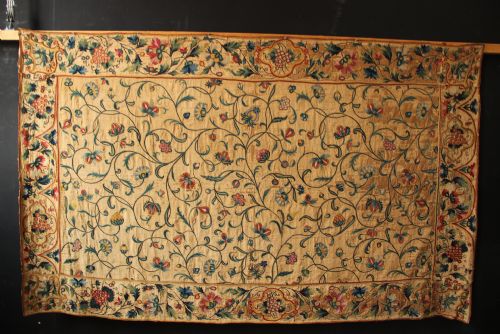
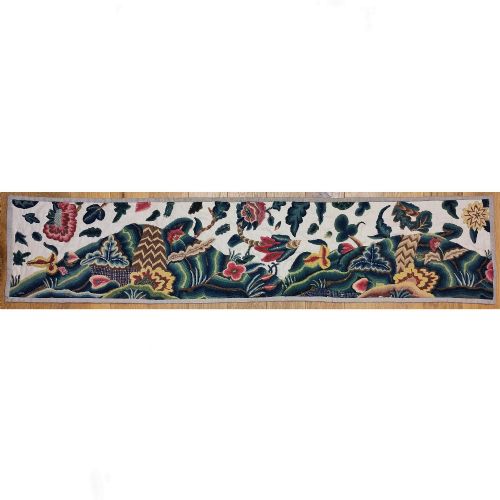
Makers utilised wool, silk and cotton threads applied to wool, felt, linen or cotton grounds using specialised stitches. Crewelwork involved fine wool threads worked on linen twill, while Persian Rasht embroidery employed intricate chain stitching over a felt background.
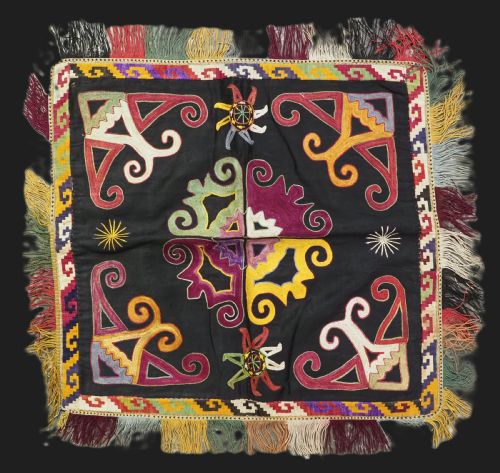
Nomadic textiles frequently combined applique work with embroidery, attaching contrasting pieces of felt and fabric to sturdy wool foundations. Techniques like plushwork introduced a raised, velvety texture to the surface through cut-loop piles.
Wool Embroidery Hanging Retail Price Guide 2026
Typical asking prices for wool embroidery hanging among the pieces listed under this phrase on Sellingantiques today, from the lower quarter to the upper quarter. They describe what is for sale here now, not the wider market.
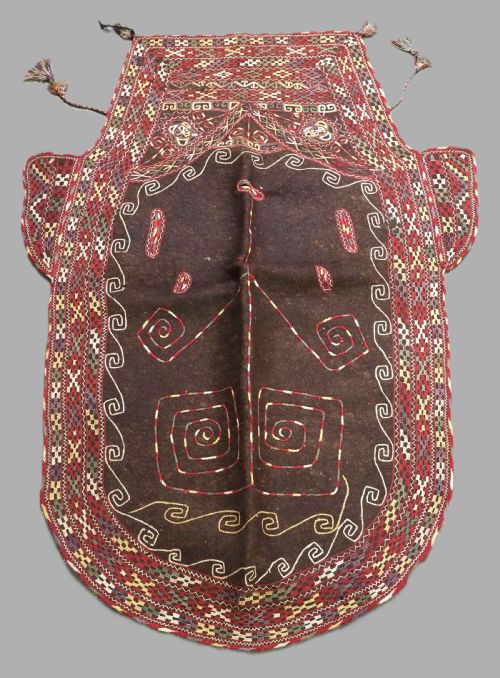
Several antique horse blankets and saddle covers on offer double as vibrant wall art for modern homes.
What Varies in Quality
The caliber of a piece depends heavily on the density and precision of the stitchwork. Fine examples display tight, even tension and complex colour blending that create depth within the design.
Material preservation and the integrity of the ground fabric dictate the longevity and visual impact of the textile. Pieces retaining their original fringes, backing materials and vibrant natural dyes stand out within the range.
The Wool Embroidery Hanging Glossary
- Crewelwork
- Embroidery executed with fine wool yarn on a linen or cotton twill ground. This technique creates textured, flowing floral and botanical designs.
- Ilgich
- A Central Asian embroidery piece, often associated with the Lakai tribe, traditionally made as dowry work for wall hanging. These items feature bold geometric and figurative motifs.
- Plushwork
- A textile technique producing a raised, velvet-like pile by cutting loops of thread or yarn. Victorian makers frequently used this method for animal depictions.
- Torba
- A small ceremonial storage bag or wall hanging produced by Turkmen tribes. They display intricate geometric patterns and silk highlights.
- Suzani
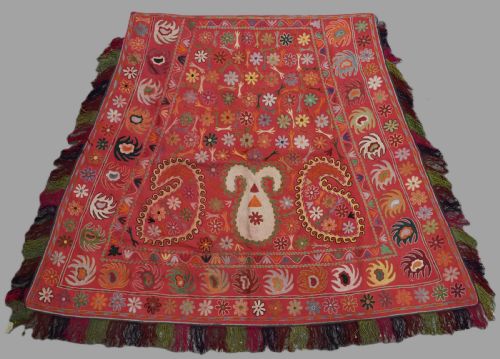
- A type of embroidered tribal textile from Central Asia featuring silk or wool stitching on a cotton or wool ground. They often display large floral medallions.
Wool Embroidery Hanging: Frequently Asked Questions
How were wool embroidery hangings used originally?
Many of these textiles served practical and ceremonial functions in domestic spaces. Central Asian pieces adorned nomadic tents, functioned as dowry items or decorated horse gear.
European examples functioned as wall tapestries, decorative panels or framed artworks designed to insulate and adorn elite interiors.
How do I hang a textile safely?
Mounting requires weight distribution across the entire top edge to prevent stress on the fabric. Conservation framing behind UV-filtered glass protects delicate wool and silk fibres from light damage.
Alternatively, a professional can stitch a supportive cotton sleeve along the reverse to slide onto a thin mounting rod.
What is the difference between crewelwork and Berlin woolwork?
Crewelwork utilises fine wool yarns on a linen ground to create flowing, organic crewel embroidery designs popular in English needlework from the seventeenth century onward. It relies on freeform stitching rather than a rigid grid.
Berlin woolwork emerged later in the nineteenth century, using brightly coloured wools worked onto a canvas grid from printed pattern charts to produce pictorial scenes.
How do I identify Central Asian tribal pieces?
Central Asian works like Lakai and Yomut pieces are distinguished by bold geometric motifs, vibrant wool or silk embroidery on red felt grounds, and specific cultural forms such as uut kap panels and horse covers. Their vibrant colour palettes reflect nomadic artistic traditions.
Applique work and distinctive border patterns further separate these regional textiles from European needlework.