



Wooden Weapon
When you handle a wooden weapon, you hold a tangible piece of global martial history fashioned from timber, horn, and metal.
Wooden Weapon
A wooden weapon encompasses implements designed for combat, defence, or ceremonial use, ranging from traditional clubs to concealed blades. When searching for a wooden weapon, collectors encounter ethnographic artefacts, tribal art, and gentleman's walking sticks with hidden blades from various global traditions.
The inventory on this page primarily reflects 19th-century craftsmanship alongside Georgian and Edwardian examples. Pieces span diverse cultural origins including Indigenous Australian, Oceanic, African, Japanese, and European traditions.
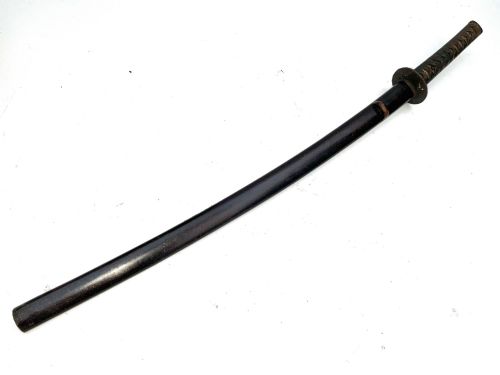
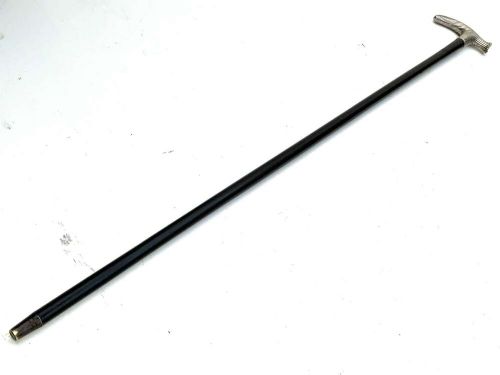
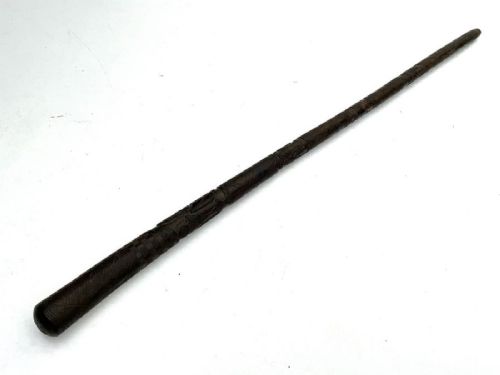
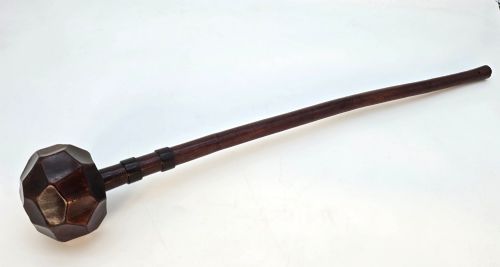
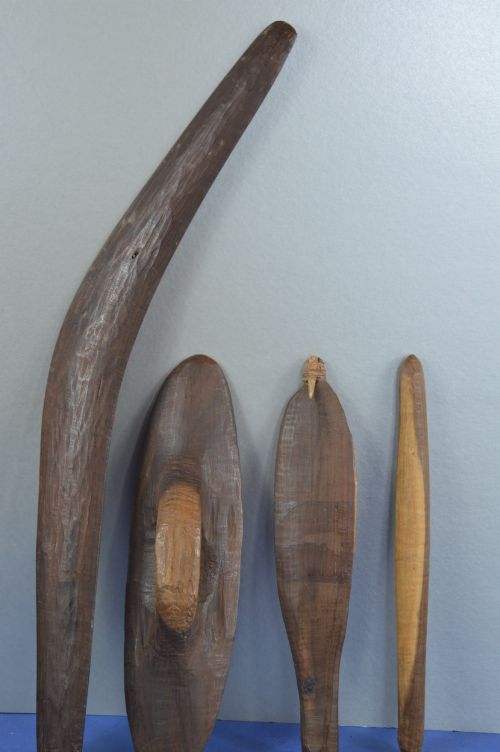
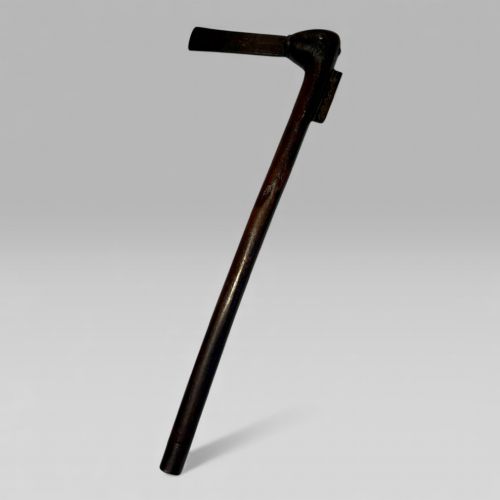
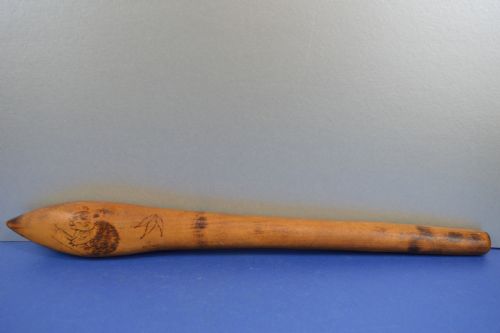
Forms vary significantly, from Australian Aboriginal nulla-nulla throwing clubs and Fijian war clubs to Japanese bokken sticks and European sword sticks. Gentlemen's walking sticks housing steel blades represent a prominent category within these listings.
Materials and construction methods
Makers utilised dense native timbers such as hardwood, walnut, cherrywood, partridge wood, hazel, and rosewood to ensure durability in combat or daily carriage. These woods were often carved from a single piece, incorporating root-ended handles or integrated grips.
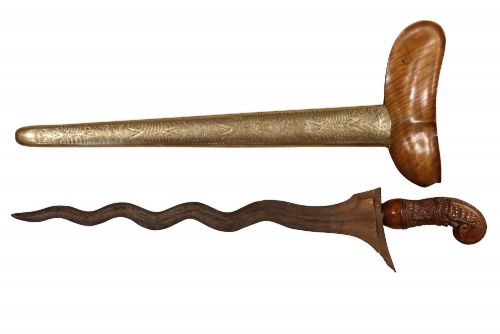
Many items combine organic materials with metal components, featuring brass, iron, or steel blades by makers like Wilkinson or Toledo, alongside horn handles and collars. Truncheons and certain clubs retain original paintwork or polished finishes applied to protect the timber.
Wooden Weapon Retail Price Guide 2026
Typical asking prices for wooden weapon among the pieces listed under this phrase on Sellingantiques today, from the lower quarter to the upper quarter. They describe what is for sale here now, not the wider market.
Listings feature items from the 18th century, 19th century, Georgian, Victorian, and Edwardian periods, utilising hardwood, steel, brass, and horn.
Assessing craftsmanship and condition
Quality in a wooden weapon rests on the integrity of the carving, the balance of the implement, and the preservation of original surfaces. Superior examples display crisp detail in tribal iconography or precise joinery in concealed blade mechanisms.
The pedigree of integrated steel components, such as named maker blades, elevates a piece beyond standard utility items. Original patination, untouched paintwork on truncheons, and authentic wear patterns from active use distinguish finer artefacts.
Wilkinson·Toledo
The Wooden Weapon Glossary
- Knobkerrie
- A traditional African southern African club featuring a heavy knob at the end of a wooden shaft, used for hunting and fighting.
- Bokken
- A Japanese wooden sword used for training in martial arts, replicating the size and shape of a katana.
- Sword stick
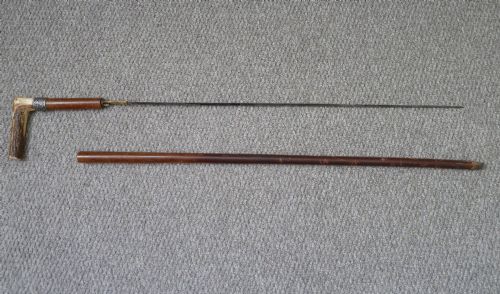
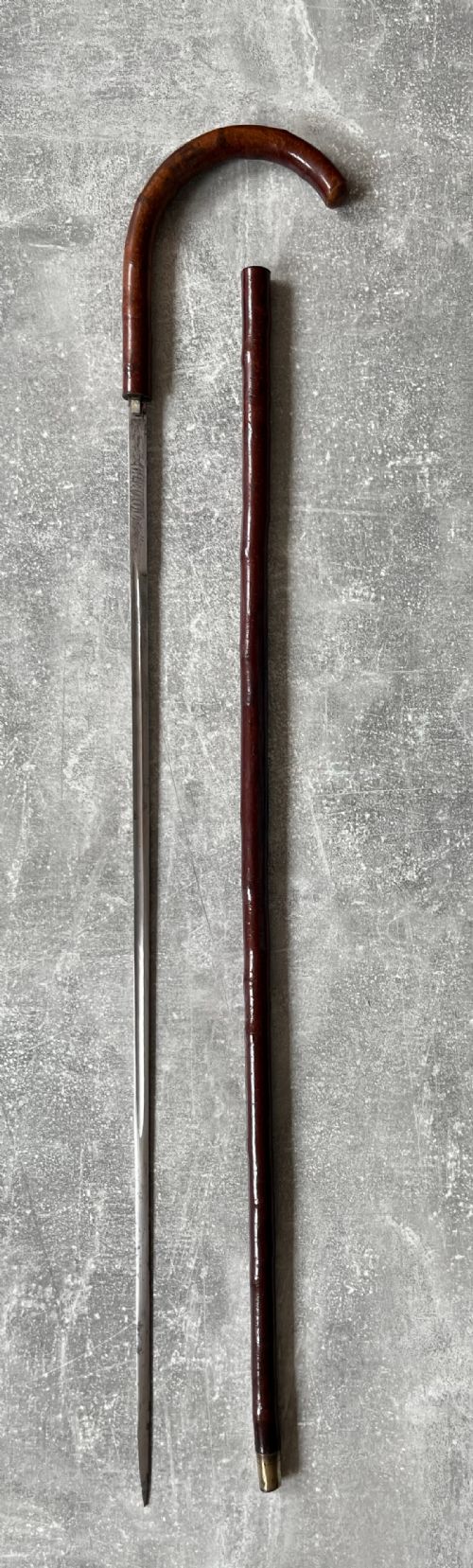
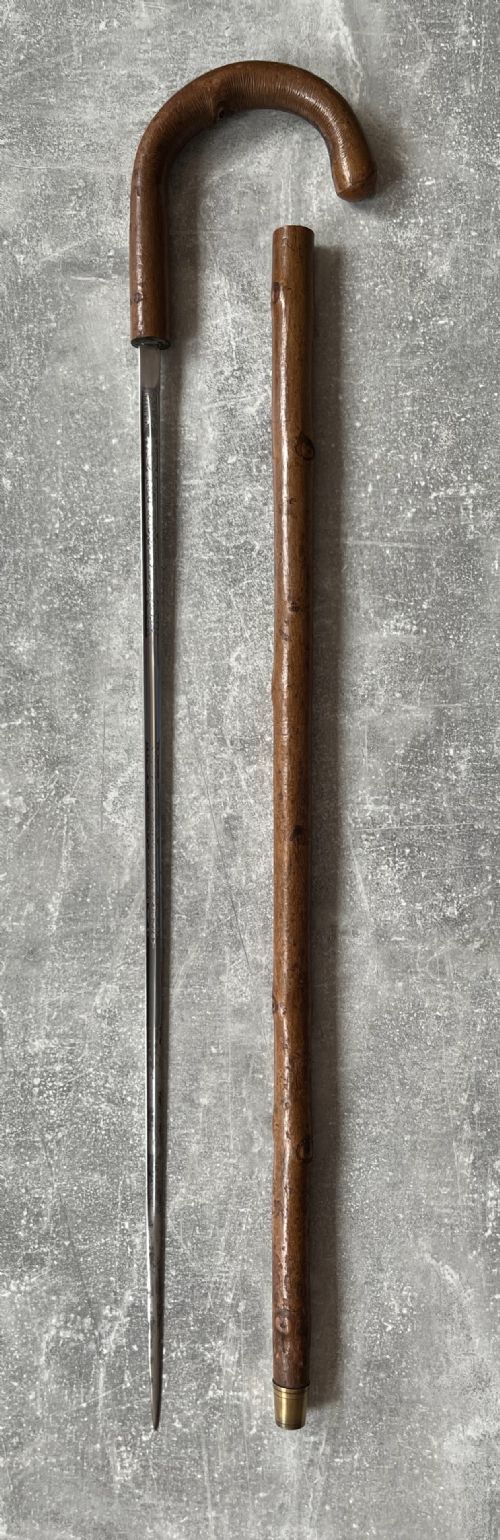
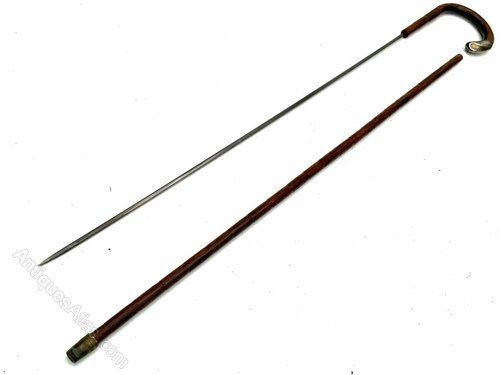
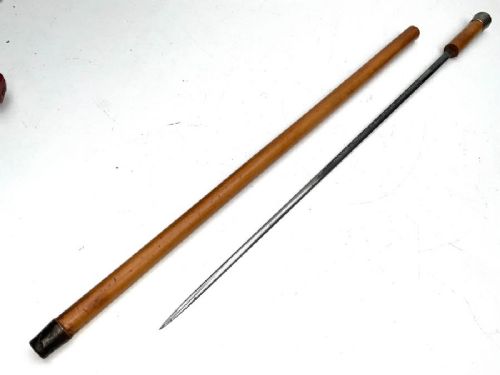
- A walking stick or cane containing a concealed steel blade within the wooden shaft, popular during the Victorian and Edwardian eras.
- Woomera
- An Australian Aboriginal spear-thrower that acts as an extension of the arm to increase the velocity and range of a thrown spear.
- Truncheon
- A short, thick wooden club carried as a weapon by police officers or authority figures, occasionally retaining original painted insignia.
Wooden Weapon: Frequently Asked Questions
What is a wooden weapon?
A wooden weapon is an implement constructed primarily from timber for martial, defensive, or ceremonial purposes. These objects range from indigenous throwing clubs and war implements to gentleman's walking sticks housing hidden steel blades.
The category bridges utilitarian combat tools and ethnographic art, reflecting the specific cultural techniques and material resources of their regions of origin during the eighteenth, nineteenth, and early twentieth centuries.
How do I identify a sword stick?
A sword stick appears as a standard walking cane or stick, often fitted with a horn, wood, or metal handle. Closer inspection reveals a release mechanism or a threaded collar where the wooden shaft separates to reveal a concealed steel blade.
Many examples from the Victorian and Edwardian periods include maker-marked blades or specialised grips such as hammer head designs, masonic emblems, or simple root-ended timber handles.
What cultures produced these items?
The pieces originate from diverse global traditions, including Indigenous Australian, Oceanic, African, and Asian cultures. Collectors encounter Aboriginal nulla-nulla clubs, Fijian war clubs, African ceremonial axes, and Japanese bokken sticks alongside European civilian pieces.
Each culture utilised specific regional hardwoods and decorative techniques, resulting in distinct forms tailored to local warfare, hunting practices, or social status representation.
How should I care for antique wood?
Antique wooden implements require stable indoor humidity and protection from direct sunlight to prevent the timber from drying out or splitting. Maintaining a stable environment preserves the original surface patination and any historic paint or polish.
Metal components such as concealed blades or fitted collars benefit from occasional light oiling to prevent oxidation, while the wooden shafts should be handled with clean hands to avoid transferring oils.