




Wooden Washstand Unit
These wooden washstand unit pieces bring period practicality to the room, offering solid timbers and marble surfaces designed for daily grooming.
Wooden Washstand Unit
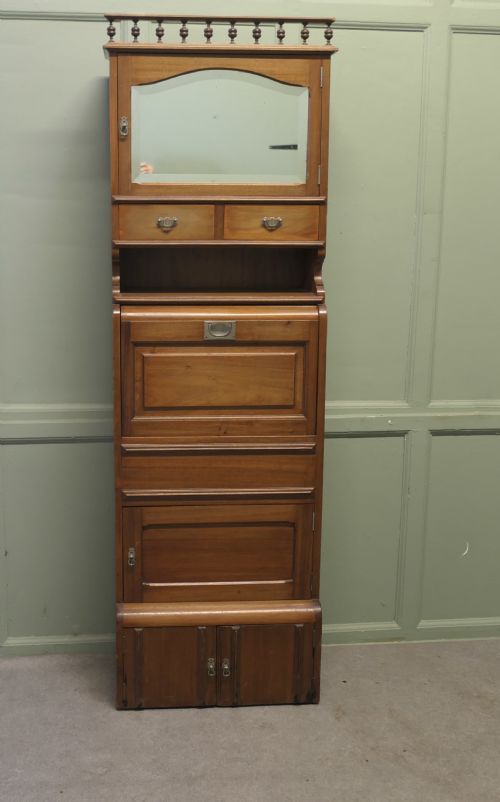
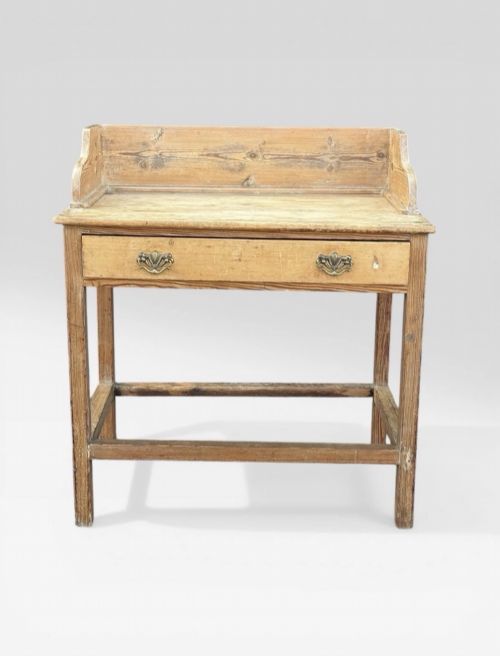
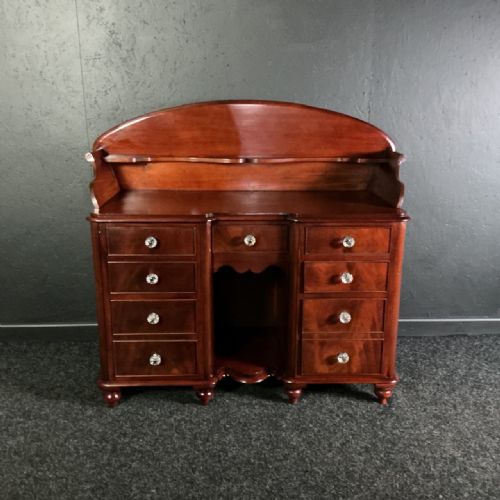
A wooden washstand unit is a piece of antique furniture built for personal hygiene and washing before plumbed bathrooms became common in every home. These functional items range from simple pine washstands to more elaborate mahogany and walnut designs intended for bedrooms or dressing rooms.
On this page, the most frequent examples you will encounter date from the Victorian and Edwardian periods, constructed in native pine or rich hardwoods. Many incorporate marble tops designed to resist water splashes alongside spaces for basins, jugs and associated washing accessories.
Beyond standard washstands, the selection includes related forms like shaving stands, dressing tables and etageres that served similar domestic or maritime routines. Earlier Georgian examples tend to feature restrained mahogany construction, whilst later pieces often display inlaid satinwood or turned legs.
Materials and construction methods
Cabinet makers utilised a range of dense hardwoods such as mahogany and walnut alongside softer timbers like pine and cherry wood. These woods were chosen for their durability and finished with polished surfaces or subtle inlaid details.
Many washstands integrate heavy marble slabs on their upper surfaces to provide a durable, waterproof counter for ceramic basins and ewers. Brass fittings, glass components and metal hardware appear frequently as functional and decorative elements across the various periods.
Joinery methods reflect traditional cabinet making, with dovetailed drawers, turned wooden legs and occasional stamped manufacturer signatures on the interior woodwork. Specialised pieces, such as campaign furniture or marine vanity cabinets, incorporated clever folding mechanisms and compact dimensions suited for travel.
Wooden Washstand Unit Retail Price Guide 2026
Typical asking prices for wooden washstand unit among the pieces listed under this phrase on Sellingantiques today, from the lower quarter to the upper quarter. They describe what is for sale here now, not the wider market.
Several pieces were built specifically for yachts and boats, proving that even Victorian sailors appreciated a proper place to wash.
Distinctions in quality and finish
The choice of primary timber largely dictates the tier of the piece, moving from utilitarian painted or unpainted pine up to figured mahogany, walnut and satinwood inlay. Finer examples exhibit meticulous grain matching and precise marquetry rather than plain surfaces.
Integrated hardware and stone tops show clear variations in execution, from standard turned wooden knobs to cast brass handles and thick, well-veined marble slabs. The presence of maker stamps or labels from established cabinet makers adds a distinct level of documented craftsmanship.
Structural integrity depends on the original joinery and how well the wood has survived exposure to moisture over the centuries. Finer items retain their original fittings, smooth drawer actions and intact surface patination without excessive replacement parts.
James Shoolbred·Gillows
The Wooden Washstand Unit Glossary
- Washstand
- A piece of furniture designed to hold a basin and water jug for washing. They often feature protective tiled or marble splashbacks.
- Etagere
- A piece of furniture consisting of a set of open shelves for displaying small objects. These often double as console tables in walnut or other fine woods.
- Campaign furniture
- Portable furniture designed to be easily dismantled and packed for travel. These pieces frequently feature brass corners and folding supports.
- Satinwood
- A durable, yellowish wood often used for fine inlay work and cabinet making. It creates a bright contrast against darker timbers like mahogany.
- Shaving stand
- A specialised piece of furniture featuring an adjustable mirror and small surfaces for grooming tools. Gentlemen used these daily for shaving routines.
Wooden Washstand Unit: Frequently Asked Questions
What is a wooden washstand unit?
A wooden washstand unit is an antique piece of furniture originally built to hold a wash basin, water jug and grooming items before running water was common in bedrooms. They typically feature wooden frames in pine, mahogany or walnut, often paired with marble tops to protect against water.
These versatile items now function well as side tables, bathroom sink surrounds or hallway furniture. Their historic design brings traditional character and useful surface space to modern interiors.
How do I date a wooden washstand?
Dating a wooden washstand involves looking at the primary timber, hardware, construction methods and stylistic clues. Georgian pieces tend to be restrained mahogany, whilst Victorian and Edwardian examples often feature heavier proportions, marble inserts or turned legs.
Maker stamps on drawers or structural components can provide a more precise point of origin. Comparing the style of handles and inlay work against known period eras also helps narrow down the decade of manufacture.
How were washstands used historically?
Historically, these units stood in bedrooms or dressing rooms to facilitate morning and evening washing routines. A ceramic basin and pitcher sat on the top surface, while lower shelves or cupboards stored chamber pots, towels and wash jugs.
Some specialised versions, such as shaving stands or marine cabinets, served specific grooming needs or travel requirements on yachts. Their compact layouts kept all necessary personal hygiene tools within arm reach.
Can I use an antique washstand today?
Antique washstands adapt easily to modern homes as bathroom vanity bases, hallway consoles or decorative side tables. Many buyers fit modern drop-in basins into the existing wooden or marble tops with professional plumbing modifications.
Their sturdy timber construction handles everyday placement well, provided the surfaces are protected from standing water. Regular waxing preserves the finish and maintains the historical character of the wood.