

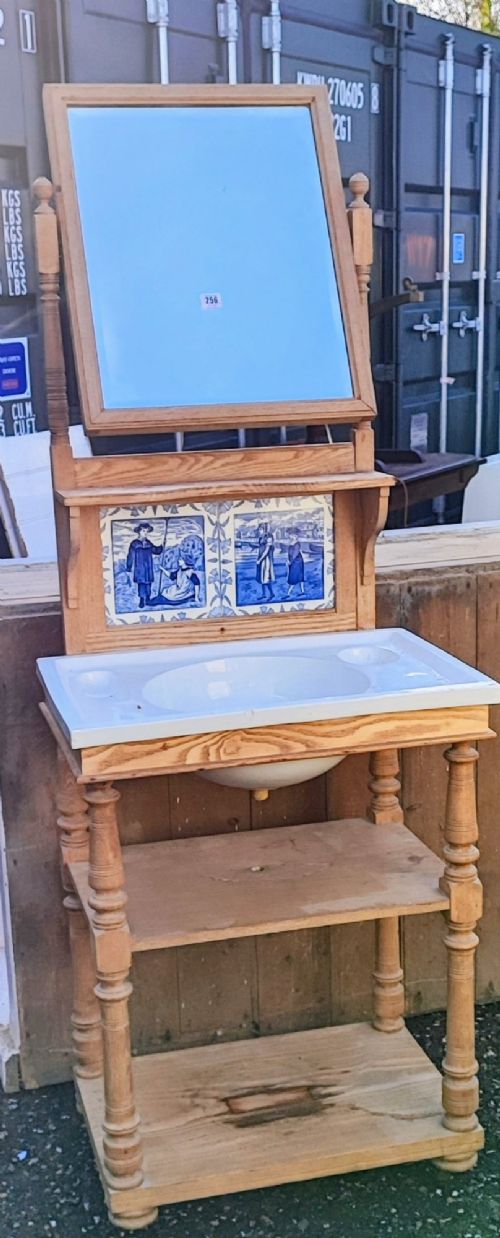
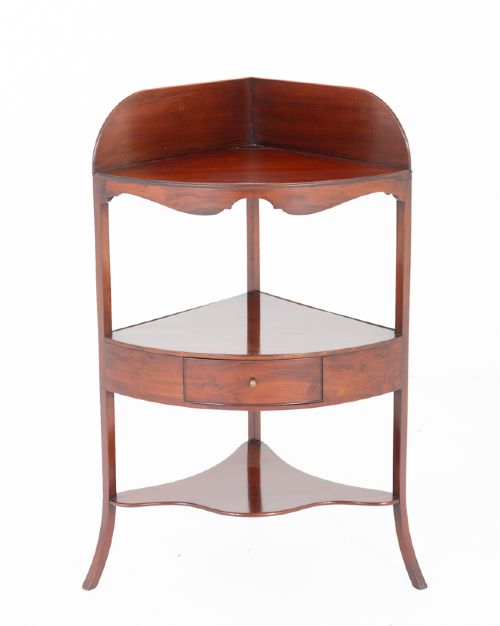
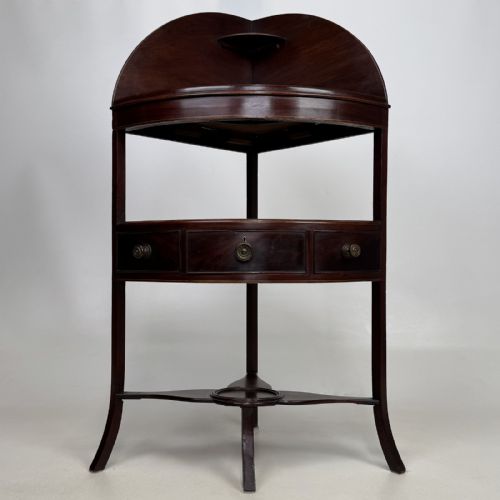
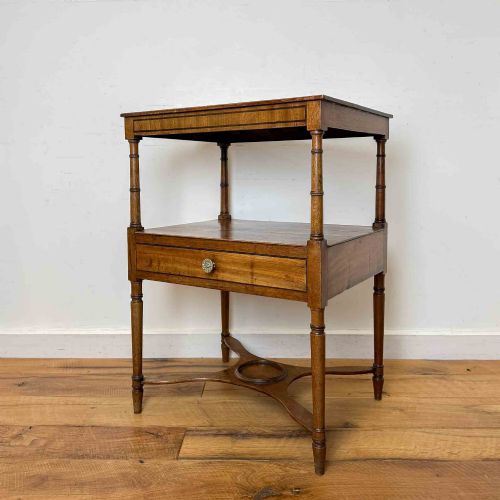



Wooden Wash Basin
A wooden wash basin brings functional period furniture into a modern room, offering clever corner designs and handsome timbers.
Wooden Wash Basin
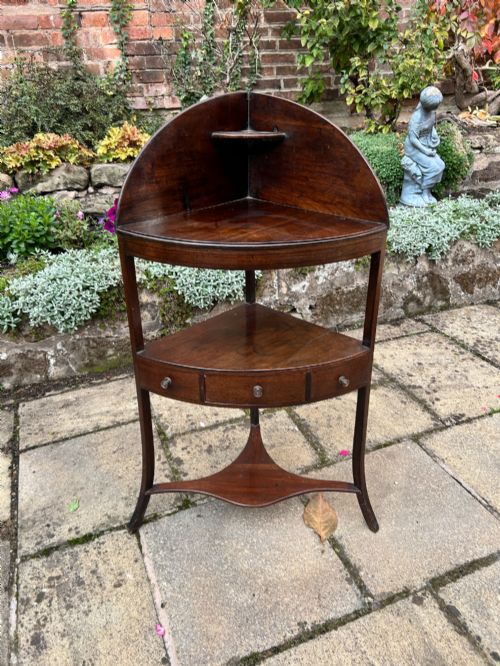
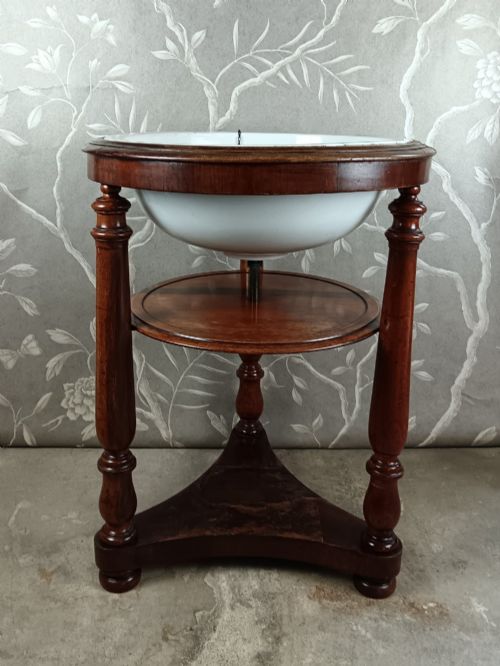
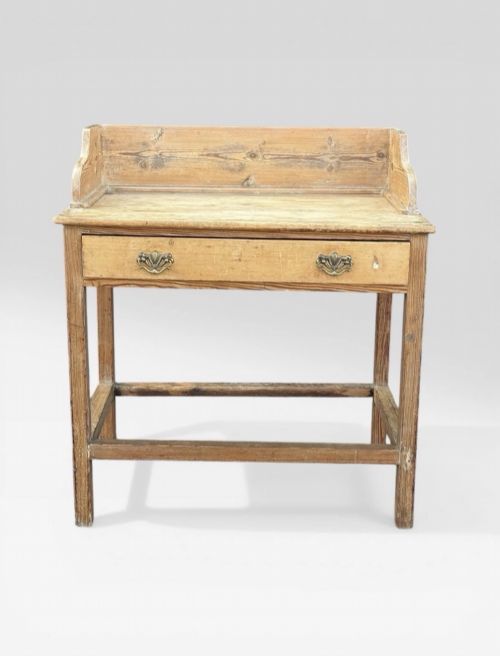
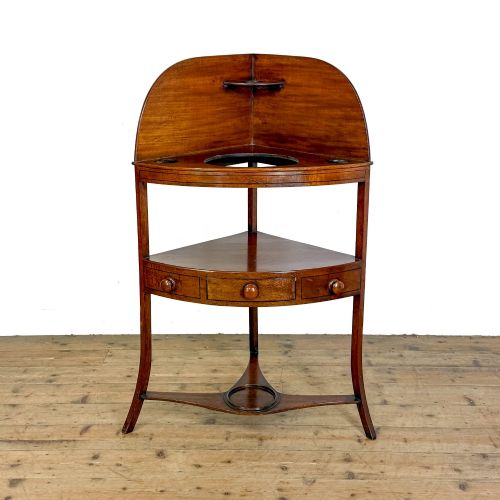
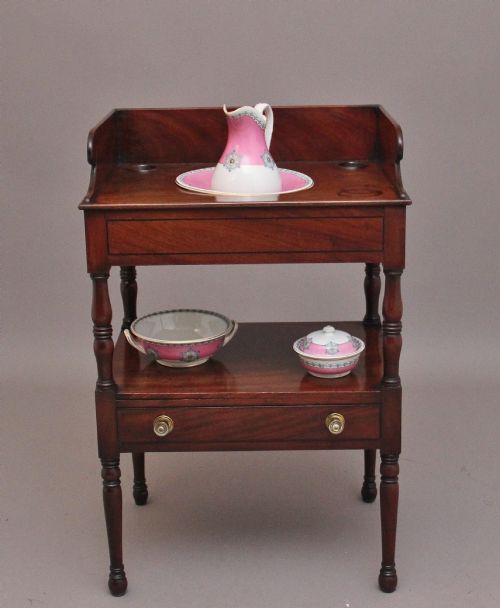
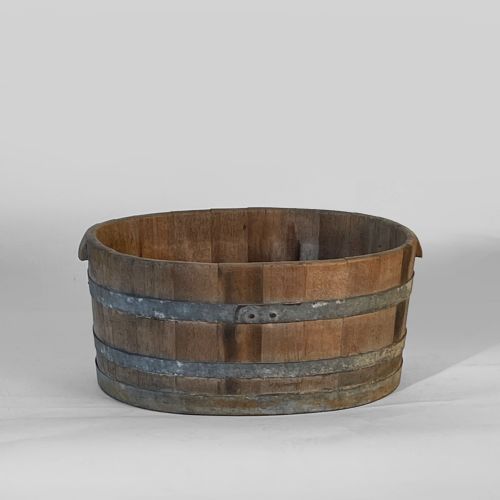
A wooden wash basin encompasses pieces like washstands, corner stands, basin stands, wig stands, and coopered buckets or troughs. These items date from the 18th century, the Georgian era, the Regency period, and the Victorian era.
The buyer meets corner stands and washstands most frequently on this page. These pieces utilise woods such as mahogany, satin birch, and pine, often displaying Georgian or Victorian country styles.
How they were made
Cabinetmakers constructed these pieces primarily using solid mahogany, pine, and satin birch, frequently incorporating boxwood inlay for decorative contrast. Brass fittings appeared on campaign items, whilst coopered tubs utilised tight stave construction.
Makers shaped timber to fit corners, round frames, and square cabinets, adding galleries to retain basins and incorporating small drawers or shelves beneath.
Wooden Wash Basin Retail Price Guide 2026
Typical asking prices for wooden wash basin among the pieces listed under this phrase on Sellingantiques today, from the lower quarter to the upper quarter. They describe what is for sale here now, not the wider market.
Listings span from the 18th century through the Georgian and Regency eras to the late Victorian period, featuring mahogany, satin birch, and pine.
What varies in quality
Quality rests in the selection of timber grain and the precision of the joinery, particularly where corner joints and leg supports meet. Pieces featuring boxwood inlay or rich satin birch display a higher degree of decorative refinement than plain pine variants.
The presence of original brass hardware, intact galleries, and unaltered internal surfaces distinguishes finer examples from those modified or heavily restored over time.
The Wooden Wash Basin Glossary
- Corner Washstand
- A three-legged washstand shaped to fit neatly into the corner of a room, saving floor space. These typically feature shaped tiers for a basin, soap cup, and water jug.
- Gallery
- A raised wooden edge or border running along the top back or sides of a washstand. This prevented water splashes from reaching the wall.
- Coopered
- Built using curved wooden staves bound together with metal bands, a technique traditionally used for buckets and washing tubs.
- Wig Stand
- A small, slender stand with a carved spherical or tiered top designed to hold a powdered wig when not in use.
- Satin Birch
- A pale, figured hardwood utilised for cabinetmaking during the Victorian period, known for its shimmering chatoyant grain.
Wooden Wash Basin: Frequently Asked Questions
Where did people put these washstands?
These washstands sat in bedrooms and dressing rooms to hold basins and water jugs for morning washing.
Today, buyers place corner washstands and washstand cabinets in hallways, bathrooms, and living rooms as decorative side tables.
How do I date a wooden wash basin?
Dating relies on observing the timber species, construction methods, and stylistic cues such as Georgian bracket feet or Victorian gallery rails.
Pieces from the eighteenth century often show heavier mahogany construction, whilst later nineteenth-century examples introduce satin birch and pine.
Can I use a washstand today?
These pieces function well as plant stands, occasional lamp tables, or hallway surfaces for keys and small items.
Original basins are frequently missing, so modern owners often adapt the top tier to hold decorative bowls or dried flowers.
What is a campaign washstand?
Campaign furniture was built for travel by military officers during the eighteenth and nineteenth centuries.
These pieces often featured clever folding designs or brass elements that allowed for easy packing and transport.