





Wooden Wall Shelving
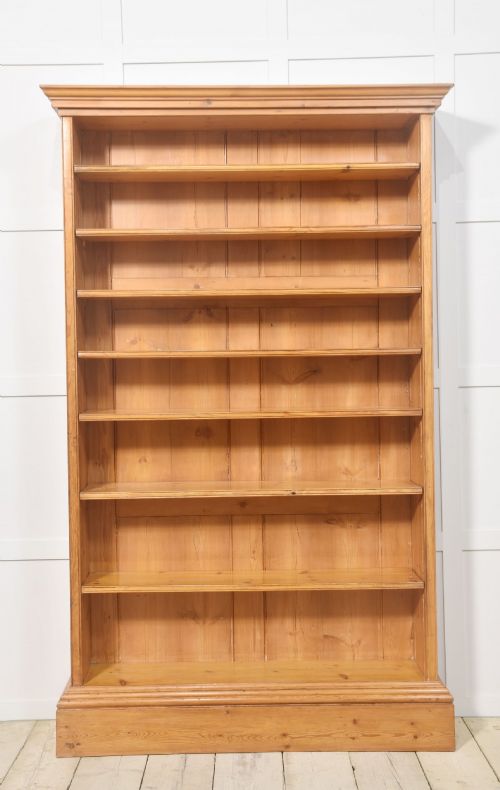
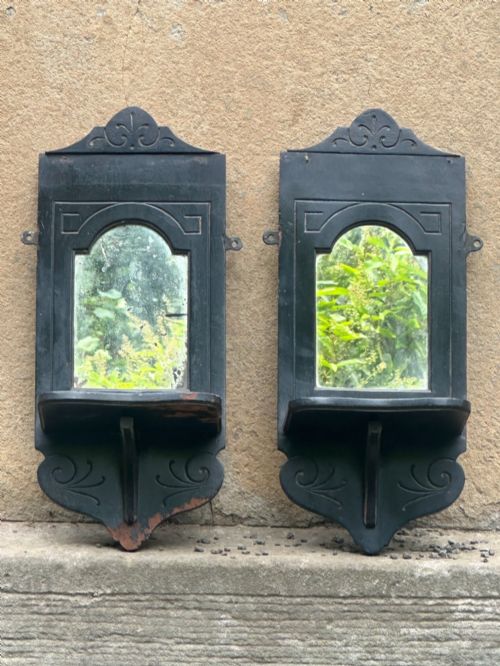
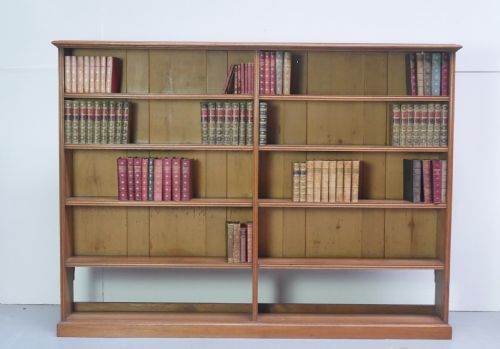
These pieces of wooden wall shelving lift books and ornaments off the floor while bringing period character to a bare wall.
Wooden Wall Shelving
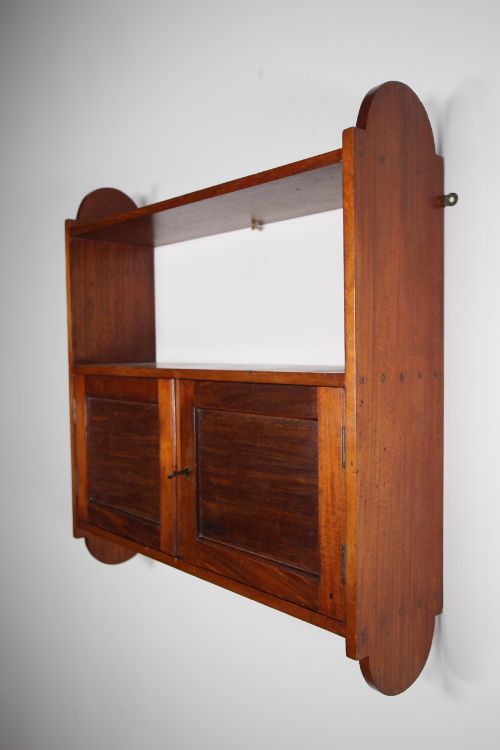
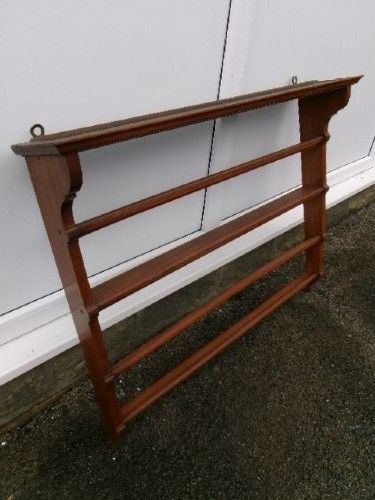
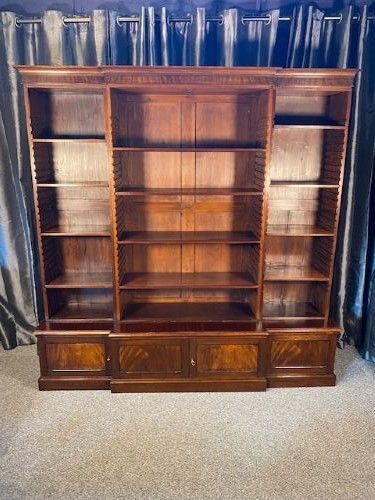
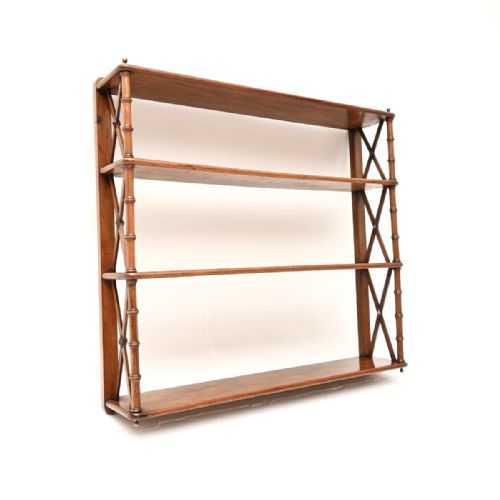
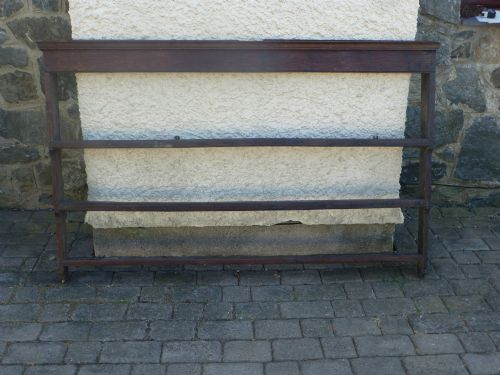
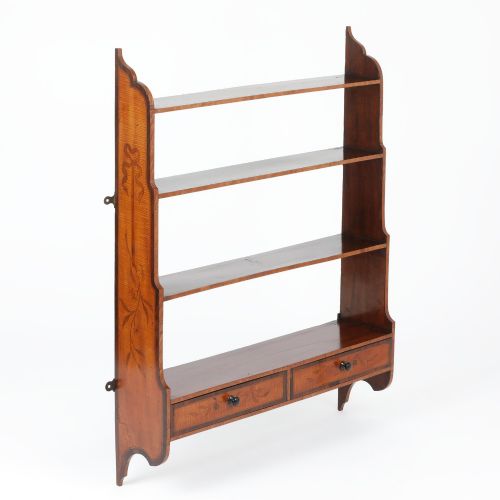
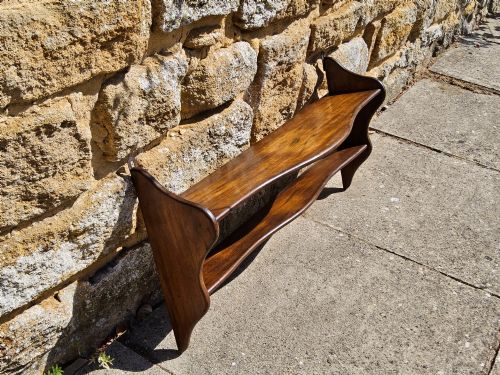
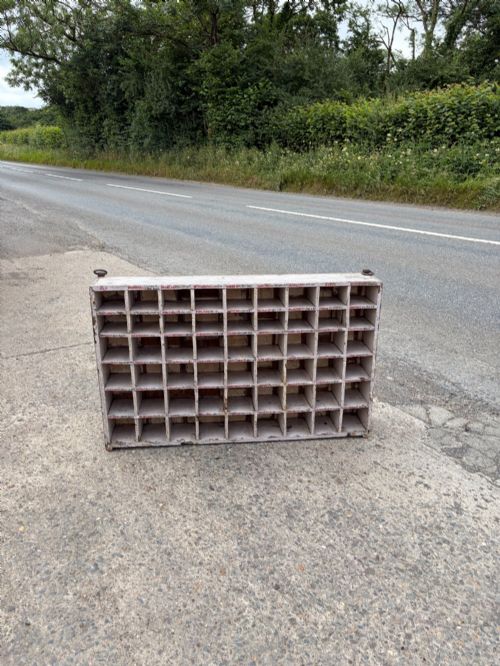
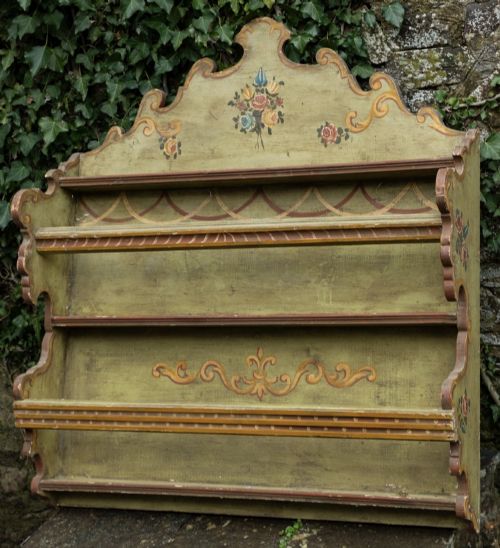
Wooden wall shelving covers hanging bookcases, plate racks, wall cabinets, and open display ledges designed to mount directly onto domestic walls.
The selection ranges from eighteenth-century oak dresser racks and Georgian mahogany hanging shelves down to Edwardian pine bookcases and walnut pieces from the nineteen-twenties.
Buyers meet everything from simple country pine and oak display units to formal satinwood and mahogany hanging waterfall shelves.
Materials and construction
Cabinetmakers built these shelves using native and imported timbers including mahogany, walnut, oak, pine, satinwood, and limewood, frequently incorporating brass fixings or glass panels.
Surfaces show hand carving, decorative inlays in olive wood or other fine veneers, hand-painted details, and occasional structural elements in iron.
Construction relies on traditional joinery suited to hanging weights, from simple pegged joints in provincial oak pieces to refined dovetails in mahogany and walnut.
Wooden Wall Shelving Retail Price Guide 2026
Typical asking prices for wooden wall shelving among the pieces listed under this phrase on Sellingantiques today, from the lower quarter to the upper quarter. They describe what is for sale here now, not the wider market.
The listings include seventeen-century carved oak wall shelves alongside nineteenth-century mahogany bobbin shelves and nineteen-twenties walnut cabinets.
Distinctions in quality
Quality rests in the selection of timber and the crispness of any carved ornament, where restrained execution outlasts heavy-handed modern alterations.
The integrity of the hanging mechanism and the retention of original surface finishes, whether polished mahogany or country oak, separate standard utility pieces from finer examples.
Heals·Arthur Simpson
The Wooden Wall Shelving Glossary
- Hanging shelves
- Open wooden wall shelving suspended by brackets or cords rather than standing on the floor. These pieces save floor space in smaller rooms.
- Plate rack
- Wooden wall shelving featuring grooved ledges designed to display ceramic plates upright. They often appear in oak or pine within country interiors.
- Waterfall shelves
- Graduated wooden wall shelving where each tier steps back from the one below it. They typically date from the eighteenth and nineteenth centuries.
- Pigeon holes
- Compartmentalised wooden wall shelving built for sorting papers or small objects. They are frequently found in nineteenth and early twentieth-century workshops and studies.
Wooden Wall Shelving: Frequently Asked Questions
How do I hang antique shelves safely?
Check the original fixing points on the backboards to see how the maker intended the piece to bear weight. Use appropriate wall anchors suited to plaster or masonry rather than relying on modern screws alone.
Distribute heavier volumes across lower tiers and keep lighter decorative objects on upper shelves to maintain stability against the wall.
Can these shelves hold heavy books?
Solid mahogany, oak, and walnut shelves possess the structural strength to support modest libraries if the timber remains sound. Inspect the joints where the shelves meet the uprights for any movement before loading them.
Lighter pine or delicate hanging waterfall shelves suit display items and smaller volumes rather than heavy reference sets.
How do I clean old wooden surfaces?
Dust the timber regularly with a dry cloth and apply a traditional beeswax to nourish dry walnut and mahogany. Avoid modern silicone sprays that build up and attract grime over time.
Keep wooden wall shelving away from direct heat sources and strong sunlight to prevent the timber from warping or splitting.
How do I date a set of shelves?
Examine the timber species, tool marks, and construction methods such as hand-cut dovetails or pegged joints. Georgian and eighteenth-century pieces often show different proportions and moulding profiles compared to Edwardian or nineteen-twenties revivals.
Hardware like brass hanging loops or screws can also indicate the period of manufacture or subsequent restoration.