

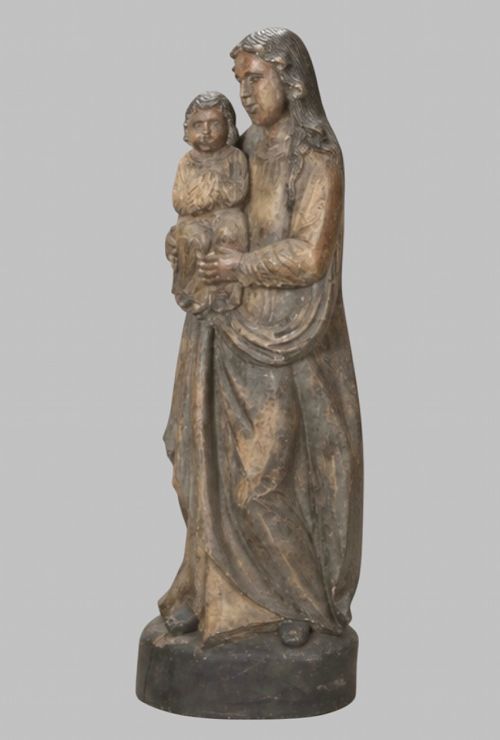


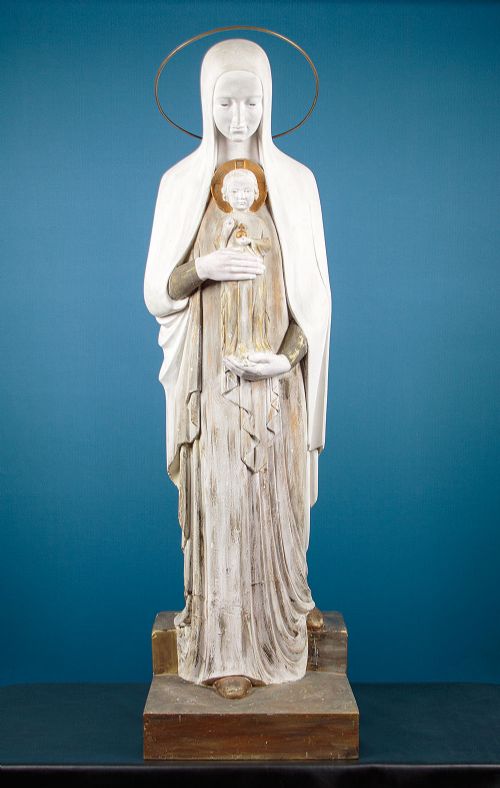

Wooden Virgin Mary Statue
These wooden virgin mary statue pieces are carved devotional sculptures of the Madonna, sought after for their contemplative presence and historic craftsmanship.
Wooden Virgin Mary Statue
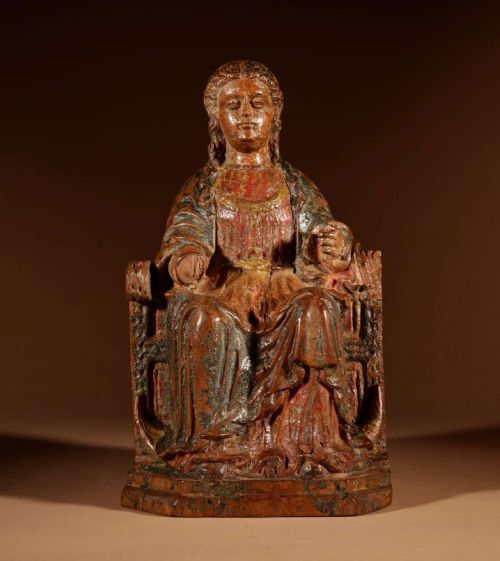
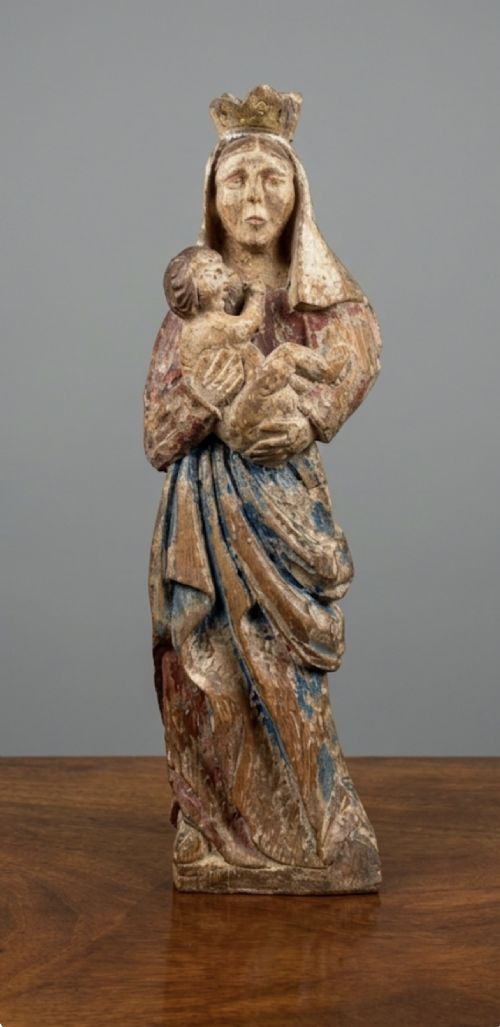
A wooden virgin mary statue represents the Madonna, often shown seated on a throne, holding the infant Christ, or standing as a singular devotional figure. You will find these sculptures spanning multiple centuries, from medieval depictions to twentieth-century religious figures.
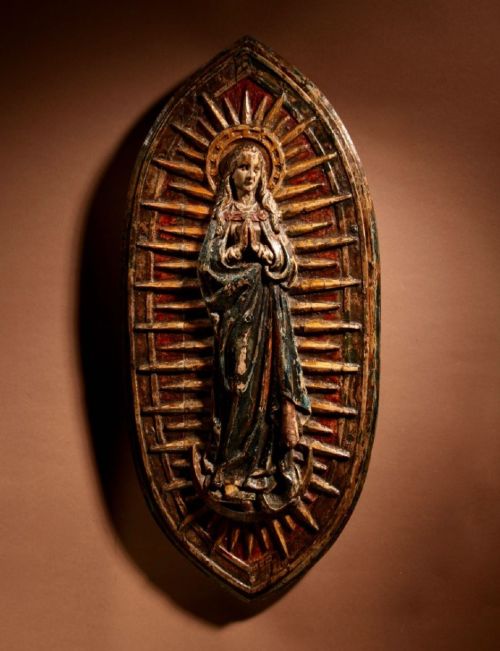
The pieces on this page appear in various forms, including central altarpiece panels, wall sculptures, and free-standing figures. Oak and walnut are common woods, alongside painted and gilded surfaces.
Many examples capture specific iconographic moments, such as the Pieta, the Lady of Sorrow, or the Virgin of the Annunciation. These works originate from diverse European traditions, including Spanish, German, and Low Countries workshops.
How they were made
Carvers shaped these figures primarily from solid blocks of hardwood such as oak, walnut, and applewood using gouges and chisels. The grain of the wood dictates the depth and flow of the drapery carved into each garment.
Many sculptures received a layer of gesso applied over the timber to create a smooth surface for polychrome paint or gold leaf. This surface treatment brought depth and colour to the devotional imagery before ageing over the centuries.
Wooden Virgin Mary Statue Retail Price Guide 2026
Typical asking prices for wooden virgin mary statue among the pieces listed under this phrase on Sellingantiques today, from the lower quarter to the upper quarter. They describe what is for sale here now, not the wider market.
Some medieval carvers cleverly hid tiny wooden snakes beneath the Virgin's feet to represent the triumph over temptation.
What varies in quality
The survival of original surface finishes, such as polychrome pigment or gold leaf, significantly alters the character of a piece. Traces of early gesso and original paint elevate the historic integrity compared to later stripped wood surfaces.
The Wooden Virgin Mary Statue Glossary
- Polychrome
- Decoration consisting of several colours applied to the surface of wood or gesso. This technique was widely used in medieval and baroque sculpture to bring realism to the garments and flesh.
- Pieta
- A subject in Christian art depicting the Virgin Mary cradling the dead body of Jesus. It is most often found in sculptures dating from the medieval period onwards.
- Gesso
- A plaster mixture used as a base for paint or gold leaf on wood carvings. It provides a bright, smooth ground that enhances applied gilding and pigment.
- Altarpiece
- A structured artwork placed behind or above an altar, often featuring carved central panels and subsidiary figures. Surviving fragments frequently originate from these larger architectural schemes.
- Giltwood
- Timber that has been coated with thin sheets of gold leaf. This finish catches candlelight and signifies the sacred status of the figure.
Wooden Virgin Mary Statue: Frequently Asked Questions
How do I date a wooden virgin mary statue?
Dating relies on stylistic markers such as the cut of the robes, the posture of the infant Christ, and the tool marks left on the timber. Medieval pieces often display rigid, linear drapery, while baroque and later works favour dynamic, swirling movement.
Material choice and the presence of original gesso or polychrome provide further clues to the period of origin. Comparing the carving technique to established regional workshops helps narrow down the century.
Where were these statues originally displayed?
These figures originally stood in churches, private domestic chapels, or served as the central focus of larger wooden altarpieces. Smaller devotional sculptures were also made for private prayer within the home.
Over the centuries, many transitioned from sacred architectural settings into secular collections. Today, they are displayed as standalone sculptural works on tables, shelves, or mounted directly onto walls.
How should I care for an antique wood carving?
Keep wooden sculptures away from direct heat sources, bright sunlight, and rapid humidity fluctuations to prevent the timber from splitting. Stable indoor conditions protect fragile gesso and historic paint layers from lifting.
Dust the surface gently with a soft, dry brush rather than using wet cloths or polishes. Allowing the wood and aged finishes to remain untouched preserves their historic integrity.
What is the difference between a fragment and a full figure?
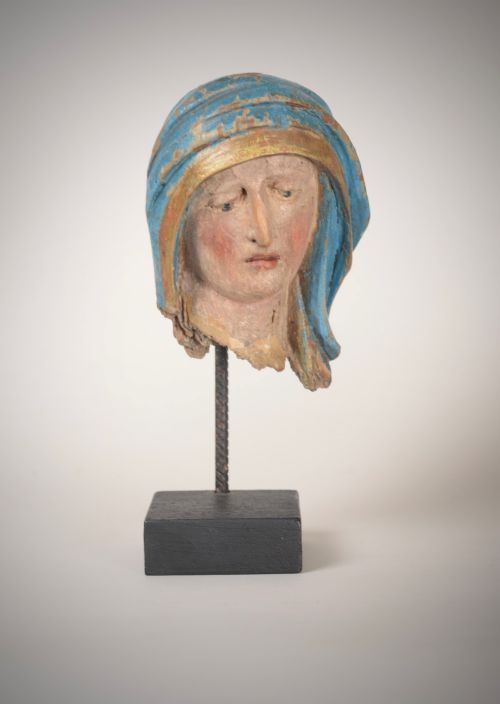
A full figure is an intact standalone statue, whereas a fragment represents a surviving portion of a larger dismantled altarpiece or architectural group. Fragments often show broken edges where they once joined other panels.
Despite their incomplete state, fragments are valued for the high quality of their remaining carving. They offer a direct window into medieval and renaissance workshop practices.