

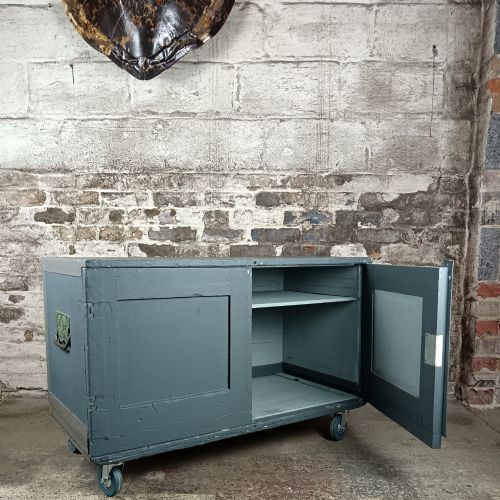
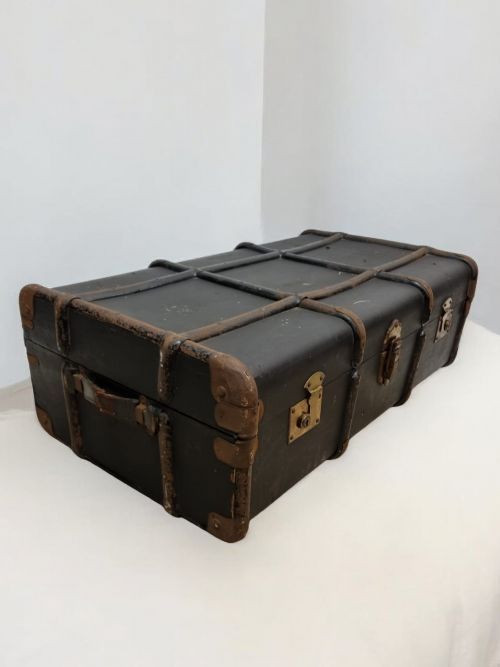

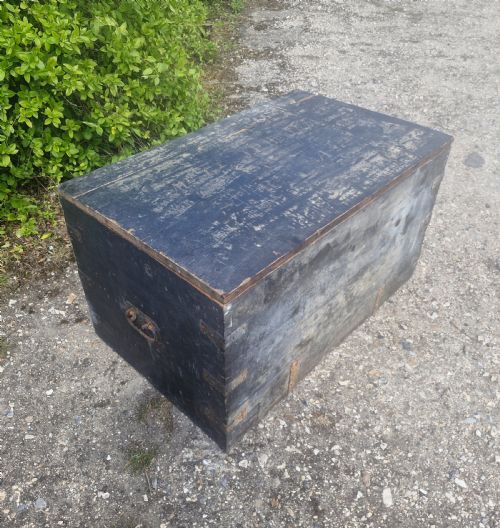
Wooden Traveling Trunk
When you search for a wooden travelling trunk, you seek a sturdy vessel built for motion, bearing the marks of distance and use.
Wooden Traveling Trunk
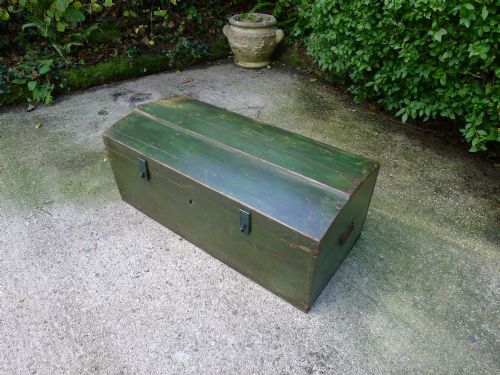
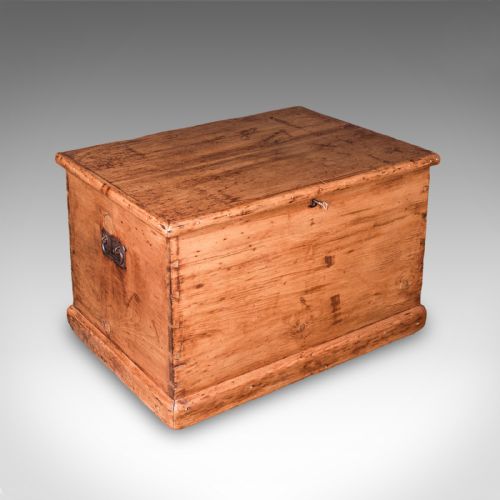
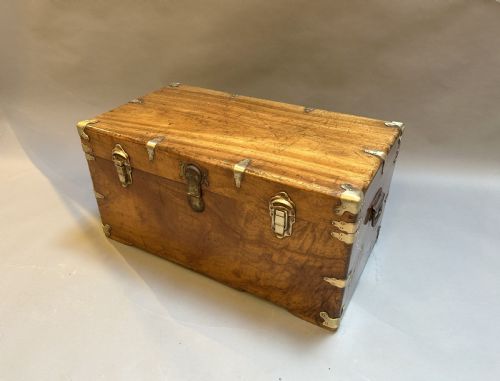
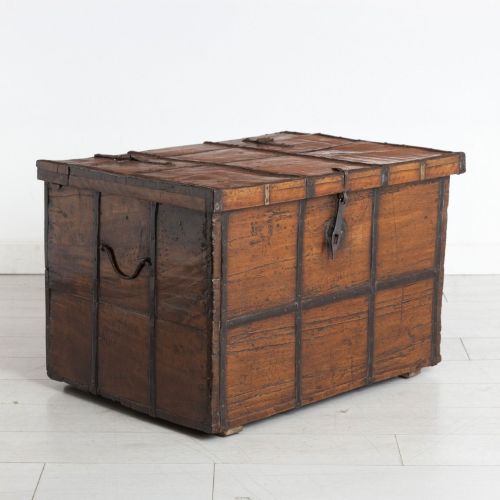
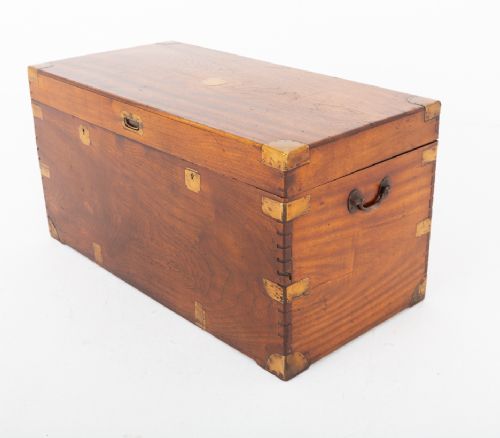
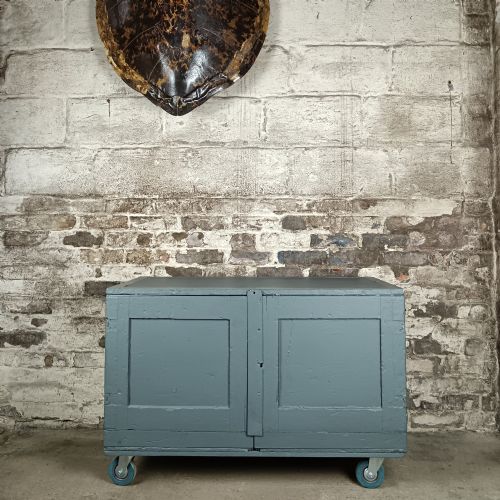
A wooden travelling trunk is a robust storage piece designed for transit, encompassing forms from campaign chests to steamer trunks. The items listed under this phrase span periods from the Georgian era through the Victorian years and into the early 20th century. Buyers most commonly meet Victorian pine, camphorwood and oak examples, often fitted with iron or brass hardware.
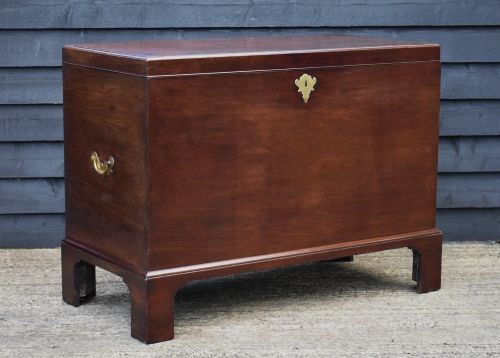
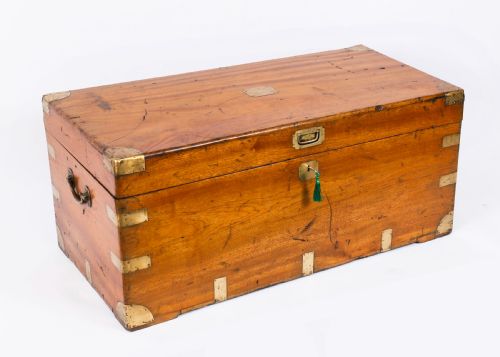
The practical origins of these objects lie in military service, carriage travel and early steamship voyages. Pieces range from large mahogany military travelling chests to painted pine travel trunks and canvas dome-top chests. These items served officers, explorers and travellers who required secure storage for clothing and equipment on long journeys.
How they were made
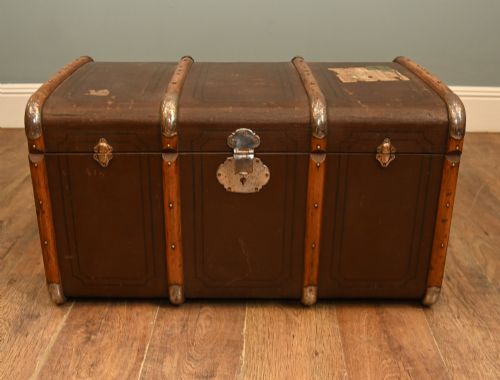
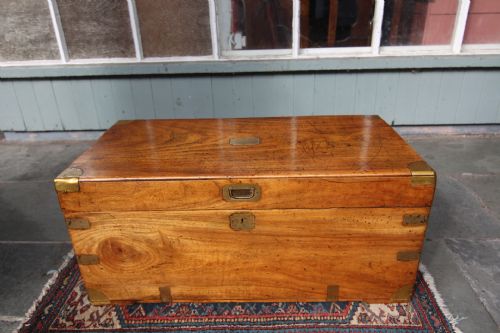
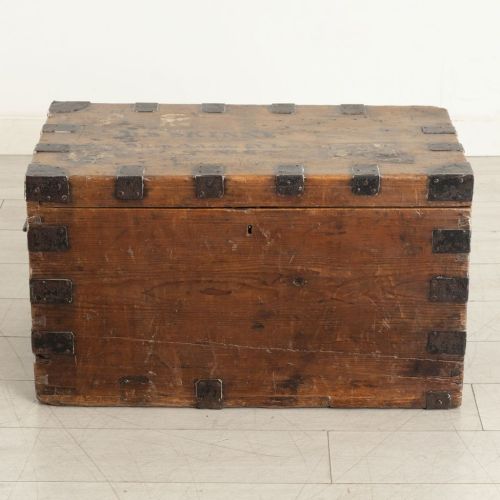
Construction relies heavily on durable timbers such as camphorwood, teak, oak, mahogany and pine, chosen for strength and weight. Woods are frequently reinforced with iron or brass banding, corner brackets and secure locks to withstand rough handling during transport. Leather, canvas and hide coverings appear across various examples to protect the wooden structure from moisture and wear.
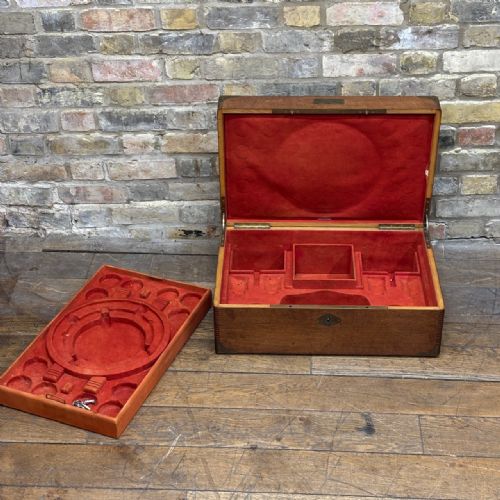
Joinery techniques prioritize structural integrity, utilising metal bindings and corner plates to secure high-stress joints. Many pieces integrate specialised interior compartments, zinc linings or fitted trays designed to organise belongings during transit. Original hardware, including drop handles and key escutcheons, remains an integral part of the fabrication.
Wooden Traveling Trunk Retail Price Guide 2026
Typical asking prices for wooden traveling trunk among the pieces listed under this phrase on Sellingantiques today, from the lower quarter to the upper quarter. They describe what is for sale here now, not the wider market.
Some Victorian trunks hold surprises like bright red interiors or old shipping labels hinting at forgotten voyages.
What varies in quality
The standard of a wooden travelling trunk depends upon the choice of timber and the integrity of its metal reinforcements. Solid hardwoods like teak and camphorwood command attention for their durability and natural resistance, while painted pine examples rely on the condition of their surface finish. The presence of original brass or iron bindings alters the character and completeness of a piece.
Internal organisation and retaining hardware distinguish utilitarian boxes from finer travelling furniture. Pieces retaining fitted interior compartments, working locks with keys and maker marks demonstrate a higher degree of original design. The balance between robust metalwork and well-figured wood grain dictates the overall presence of the trunk.
Seabrook of St Pauls London·Aux Etats Unis of Paris·Louis Vuitton
The Wooden Traveling Trunk Glossary
- Campaign chest
- A portable chest of drawers or trunk designed to break down or transport easily for military officers on active service. These pieces typically feature brass corners and recessed carrying handles.
- Camphorwood
- An aromatic timber frequently used for military campaign trunks because its natural scent deters insects. This wood displays a distinct grain and warm tone.
- Steamer trunk
- A lower-profile luggage case designed to fit beneath a ship cabin berth during ocean voyages. They emerge predominantly from the late 19th and early 20th centuries.
- Coaching trunk
- A heavy storage case constructed for transport on the roof or boot of a horse-drawn coach. They often incorporate domed lids to shed rainwater.
- Zinc lining
- A protective interior metal sheathing applied to trunks to keep contents dry and secure during damp transport conditions.
Wooden Traveling Trunk: Frequently Asked Questions
What is a wooden travelling trunk?
A wooden travelling trunk is a heavy-duty container built from materials like pine, oak, camphorwood and teak, reinforced with iron or brass for journeys by land or sea.
These pieces range from Georgian military chests to Victorian canvas-covered luggage cases, designed to protect belongings while in motion.
How were campaign trunks used?
Campaign trunks served military officers and travellers on long expeditions, doubling as furniture and secure storage while on the move.
They were constructed with recessed handles and metal corners to endure frequent loading onto carts, ships and trains.
How do I date a trunk?
Dating relies on observing the timber, hardware, construction methods and any discernible maker stamps or labels found on the piece.
Georgian and early Victorian examples often feature solid hardwoods and hand-forged ironwork, while 1920s steamer trunks display canvas coatings and specialised internal fittings.
How do I live with a trunk?
Trunks function well as coffee tables, blanket boxes or end-of-bed storage units within a modern interior space.
Their robust construction allows them to hold everyday items while adding texture and history to a room.