





Wooden Toy Figures
Wooden toy figures are charming survivors from past centuries, offering a tangible glimpse into early play and craftsmanship.
Wooden Toy Figures
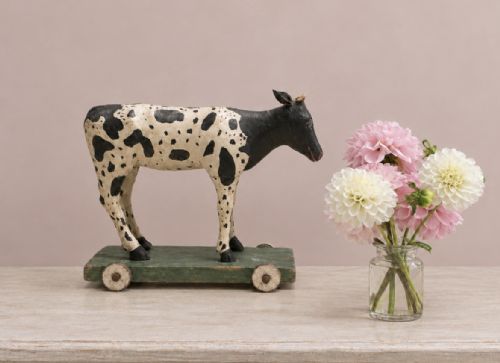
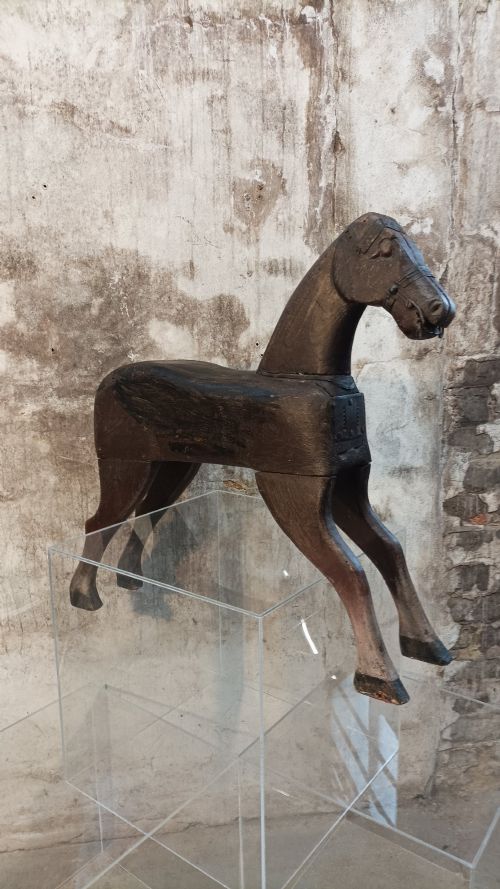
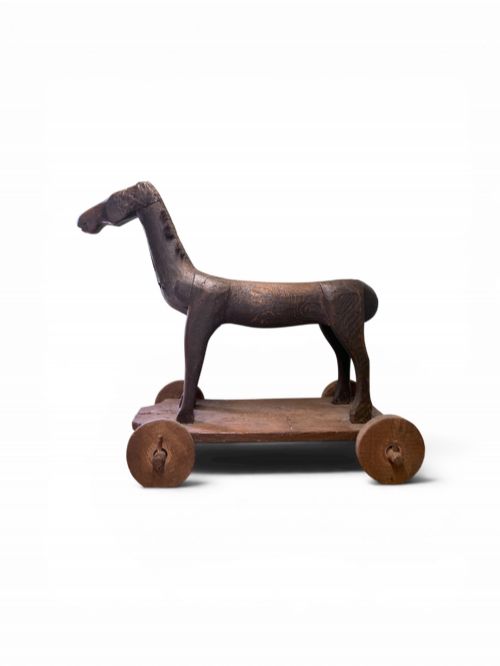
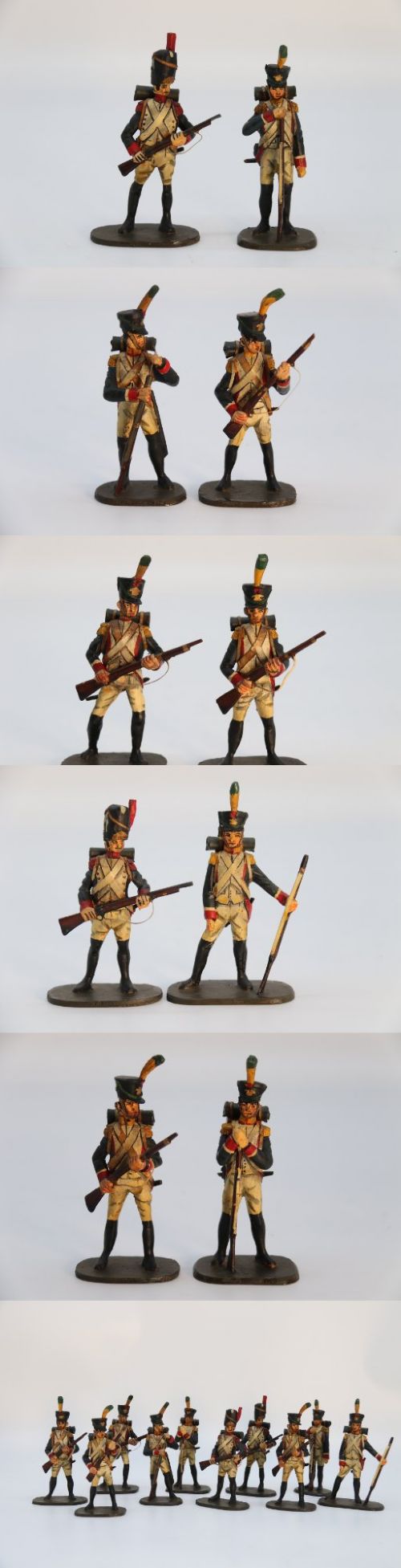
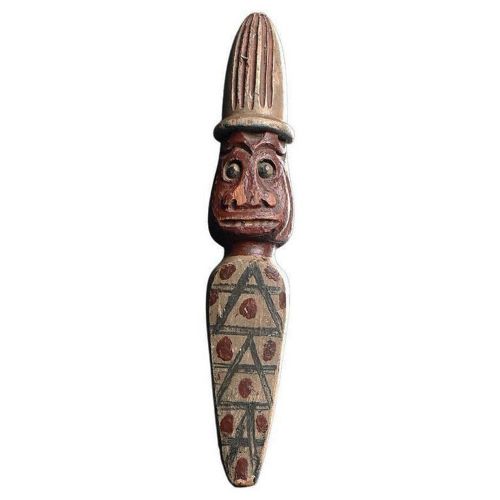
Wooden toy figures encompass a delightful array of carved animals, soldiers, and animated characters designed for past generations of children and collectors. When searching for wooden toy figures, buyers encounter whimsical representations of horses, cows, lions, and soldiers spanning several centuries.
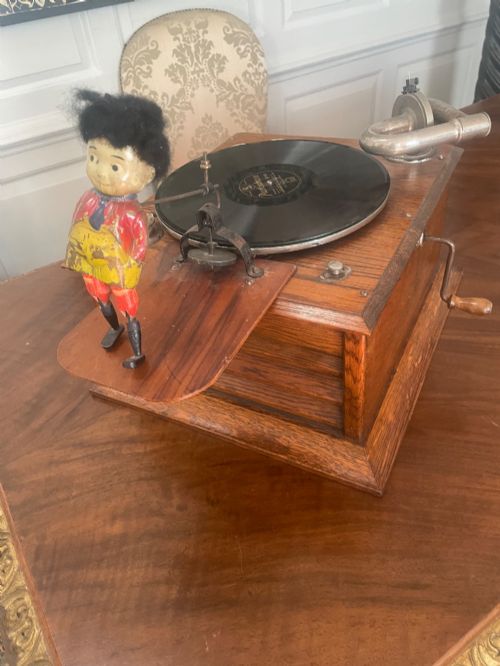
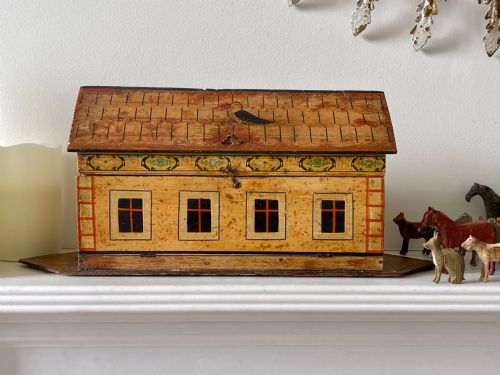
The selections on this page draw from periods ranging from the eighteenth century through to the early decades of the twentieth century. Traditional forms include Noah's Ark sets with animals, jigger dolls, rocking horses, and animated whirligigs.
Regional styles vary across European and American traditions, encompassing folk art aesthetics that highlight naive charm over rigid academic proportion. Most pieces show the heavy influence of vernacular woodworking and regional craft techniques.
What varies in quality
Quality rests upon the expressiveness of the carving and the preservation of original painted surfaces rather than rigid manufacturing standards. Naive works from the eighteenth and nineteenth centuries often display stronger character and bolder execution than later mass-produced items.
The integrity of surviving paint layers significantly influences the appeal of these objects, with untouched historic pigments holding greater interest. Completeness in multi-piece sets, such as Noah's Ark animal groups or military figures, also shapes the overall coherence of a grouping.
Wooden Toy Figures Retail Price Guide 2026
Typical asking prices for wooden toy figures among the pieces listed under this phrase on Sellingantiques today, from the lower quarter to the upper quarter. They describe what is for sale here now, not the wider market.
Ignatz the painted wooden mouse stands ready to scurry across any mantelpiece.
The Wooden Toy Figures Glossary
- Folk art
- Artistic work created within a traditional culture by self-taught makers, prioritising utility and local style over formal academic training. This aesthetic defines the charmingly naive proportions seen in many early playthings.
- Whirligig
- A wooden toy featuring wind-driven moving parts that animate figures when exposed to breezes. These kinetic sculptures combine mechanical ingenuity with playful visual design.
- Jigger doll
- A articulated wooden figure designed to dance on a thin wooden board when tapped by hand. They rely on gravity and loose joints to create lively motion.
- Marionette
- A puppet worked from above by strings or wires attached to its wooden limbs. These theatrical objects allowed children and performers to enact complex scenes.
- Patina
- The surface sheen and discoloration developed by wood and paint through age and handling. This mellowing provides visual evidence of a piece's history.
Wooden Toy Figures: Frequently Asked Questions
How old are these wooden toys?
The pieces span from the eighteenth century through the early twentieth century, reflecting shifting tastes in vernacular craft and children's playthings.
Earlier examples often display simpler tool marks and heavier pine construction, while later twentieth-century items incorporate more defined mechanical actions like wheels and linkages.
Are the paints original?
Many items retain their early or original painted surfaces, which have matured over decades into stable, matte patinas.
Layered pigments and natural wear patterns help distinguish historic decorative finishes from later restoration work.
How were jigger dolls used?
Jigger dolls were placed on thin wooden boards that owners tapped or bounced to make the articulated figures dance and move.
This simple kinetic mechanism provided entertaining visual displays in domestic settings.
What woods were commonly used?
Carvers typically relied on accessible local timbers such as pine and oak for the primary bodies of animals and human figures.
Iron and other metals were occasionally integrated for pins, wheels, and structural reinforcements.