
Wooden Tallboy Unit
A wooden tallboy unit is a vertically proportioned storage piece designed to maximise floor space while holding a large wardrobe.
Wooden Tallboy Unit
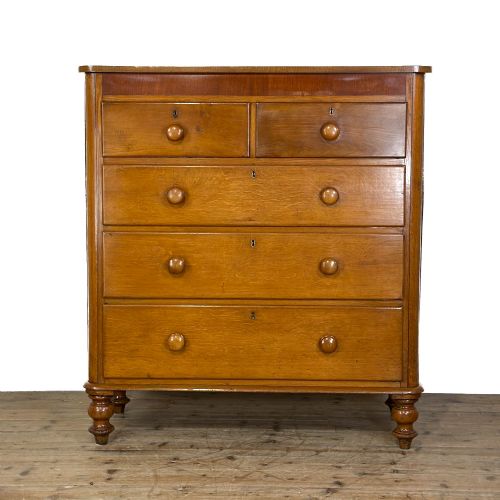
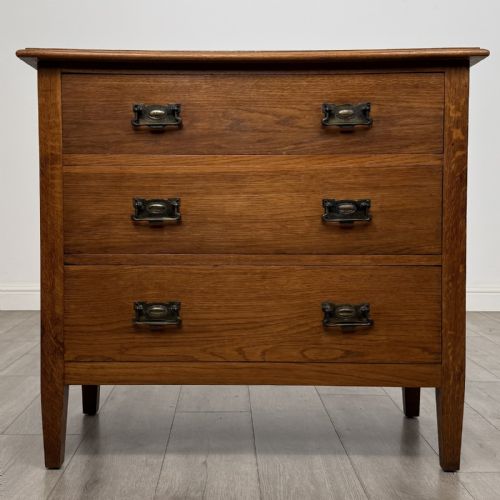
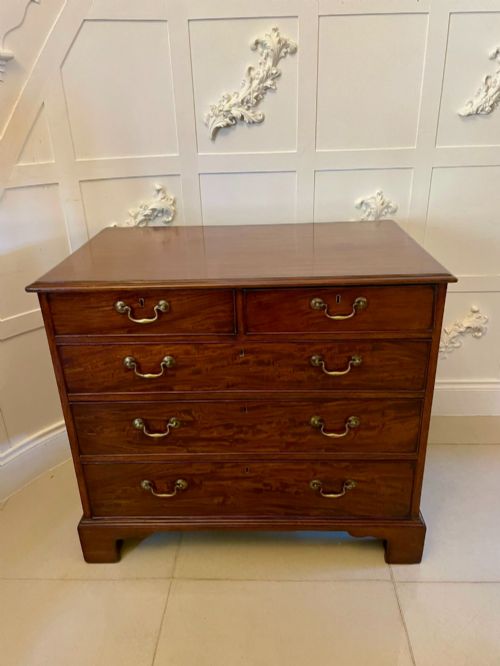
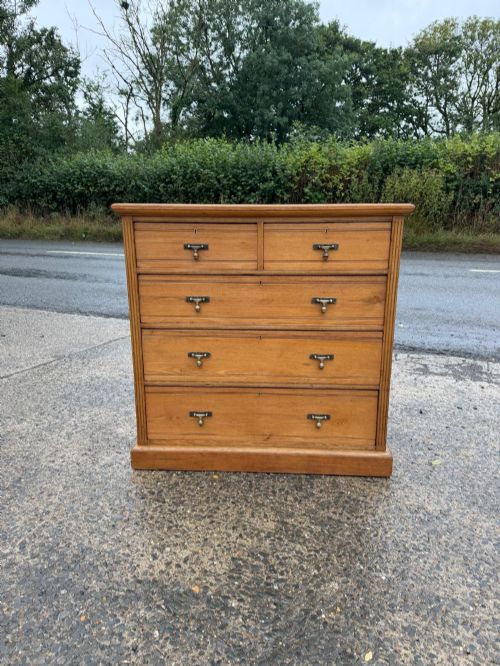
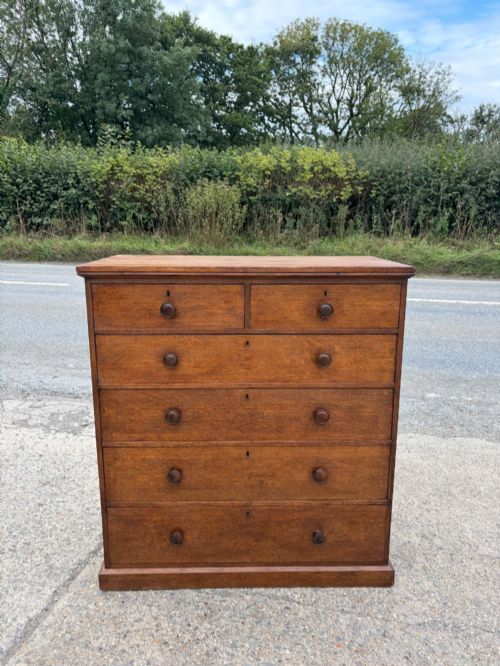
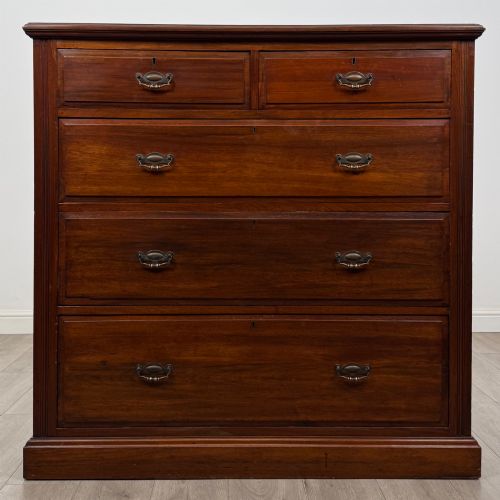
A wooden tallboy unit functions primarily as a tall chest of drawers or specialised cabinet, offering substantial vertical storage without consuming excessive floor space. These items span periods from the eighteenth century through the Edwardian era, encompassing Georgian, Regency, and Victorian aesthetics.
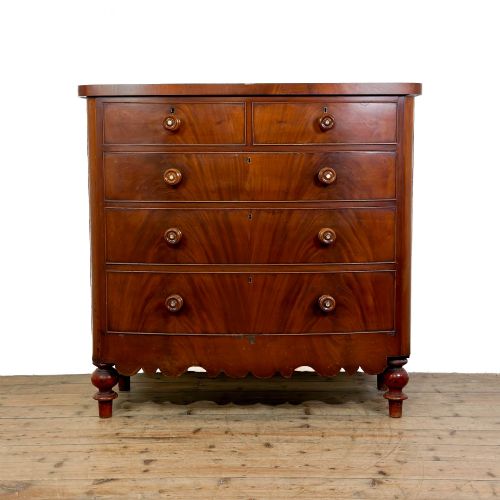
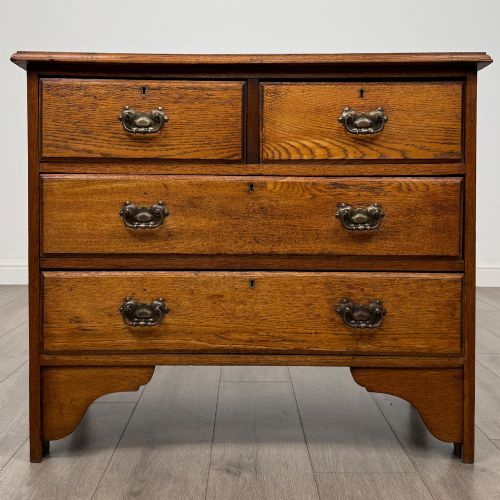
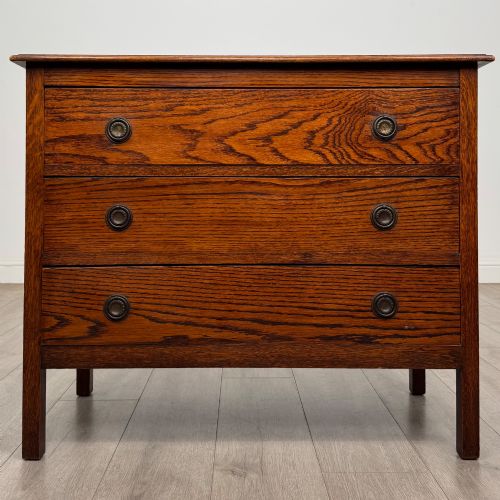
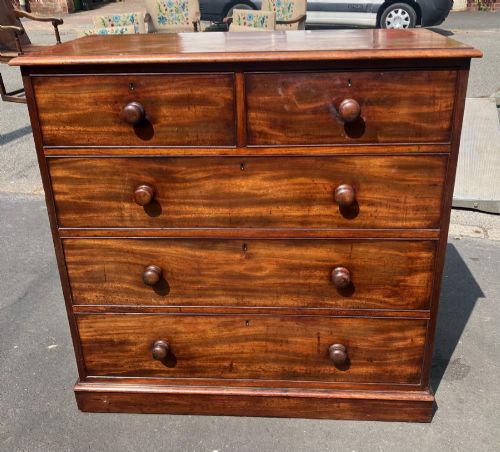
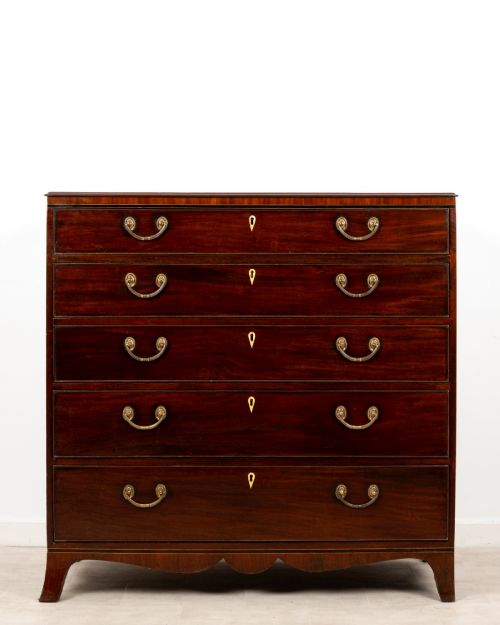
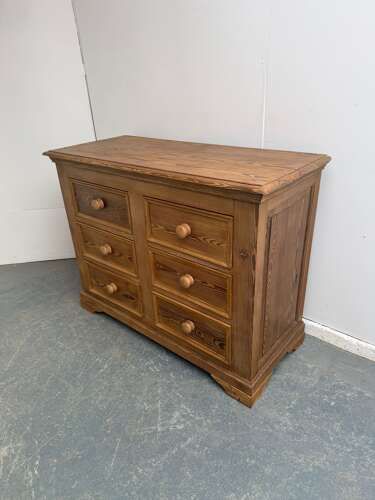
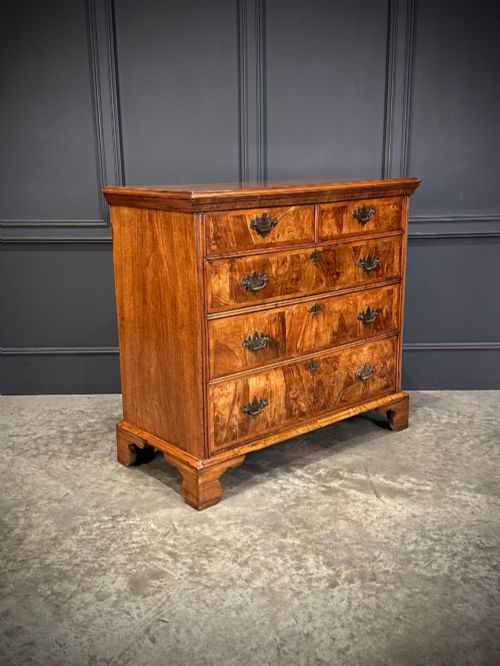
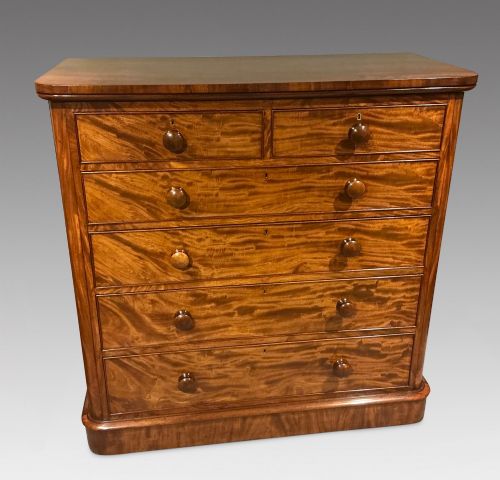
The most common configurations on this page are chests of drawers arranged in multi-drawer formats, alongside occasional music cabinets and haberdashery units. Woods range from utilitarian pine to finely figured mahogany and walnut.
Materials and construction
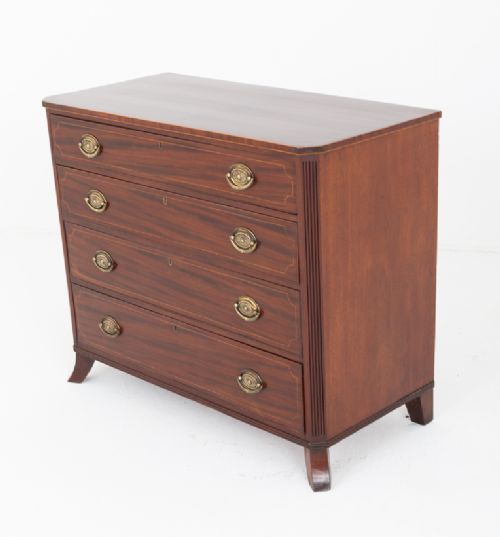
Cabinet makers utilised solid timbers including oak, pine, mahogany, and walnut for the primary structure and drawer carcases. Flame mahogany and burr walnut veneers frequently appear on drawer fronts to create decorative grain patterns.
Hardware such as brass drop handles and acorn pulls complement the timber, whilst specialised elements like raised galleries and line inlay demonstrate refined carpentry techniques.
Some nineteenth-century pine chests bear stubborn traces of scumble paint, proving that our ancestors loved a dramatic faux-wood makeover just as much as we do.
Distinctions in quality
The standard of timber selection and veneer matching dictates the visual appeal of a piece, with figured grains and careful placement setting finer examples apart. Superior items exhibit harmonious proportions, clean joinery, and retaining original hardware rather than modern replacements.
The Wooden Tallboy Unit Glossary
- Tallboy
- A tall chest of drawers, often formed of one chest stacked upon another or built as a single tall vertical unit. This configuration provides maximum storage capacity within a compact footprint.
- Veneer
- A thin layer of decorative wood applied to a sturdier secondary timber base. Flame mahogany and burr walnut veneers are typical examples.
- Gallery
- A raised wooden border running along the top edge of a cabinet or chest. This feature prevents items placed on top from sliding off.
- Line inlay
- Narrow strips of contrasting wood inserted flush into the surface to create decorative borders. It frequently outlines drawer fronts on Georgian and Victorian furniture.
Wooden Tallboy Unit: Frequently Asked Questions
Where should I place a tallboy?
A tallboy suits bedrooms, hallways, or dressing rooms where floor space is limited but vertical capacity is required. Its height allows it to hold significant amounts of clothing or linen.
Ensure the unit has sufficient clearance and stability, securing it to the wall if necessary to prevent tipping due to its height.
How do I clean wooden furniture?
Dust the surfaces regularly with a soft, dry cloth to prevent the accumulation of dirt and grit. Avoid harsh chemical cleaners that can strip historic finishes.
Apply a traditional beeswax polish occasionally to nourish the wood and maintain a natural sheen across mahogany, oak, or walnut surfaces.
Are original handles important?
Original brass handles and pulls contribute significantly to the historical integrity and visual harmony of antique chests. They show how the piece has aged naturally over time.
Replacement hardware is common, but matching period-appropriate brassware helps maintain the correct aesthetic for Georgian or Victorian examples.
What is a Wellington chest?
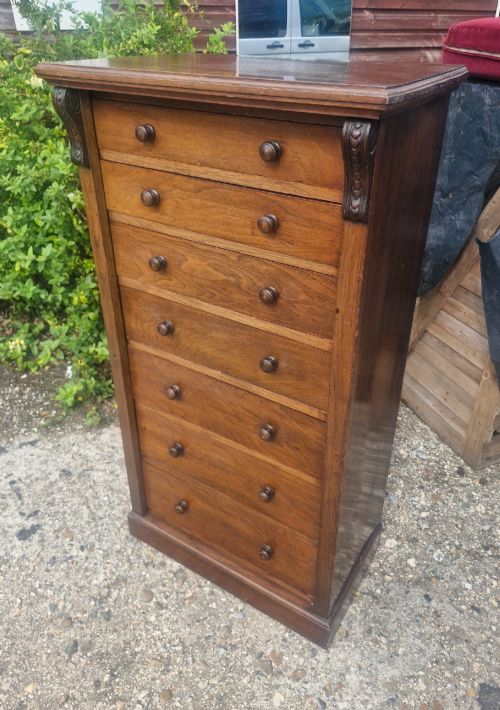
A Wellington chest is a tall, narrow drawer unit typically secured by a hinged locking side flap that fastens over the drawer edges. This specific form emerged during the nineteenth century.
It provides secure storage for documents, shirts, or small valuables while maintaining a slender vertical profile.