





Wooden Tall Chair
A wooden tall chair brings elevation and character to a room, offering practical height alongside traditional craftsmanship.
Wooden Tall Chair
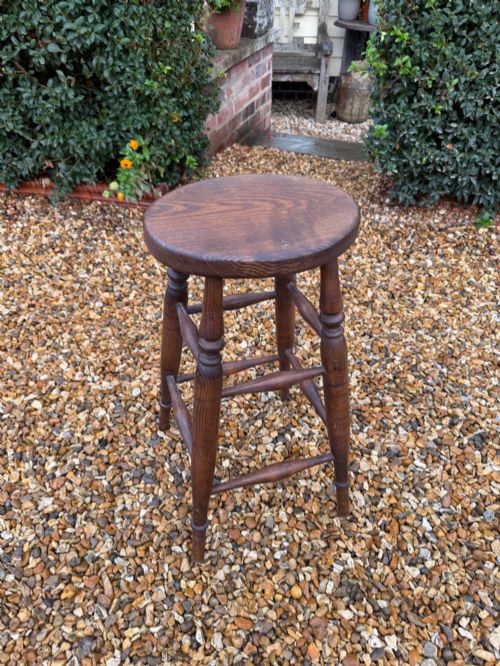
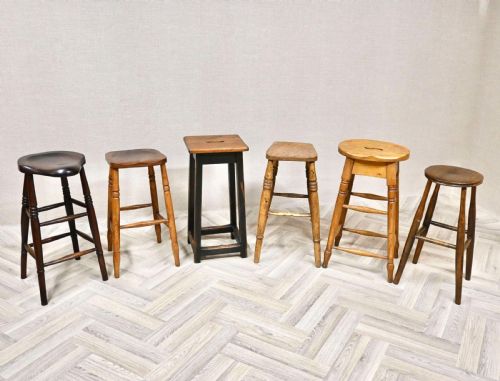
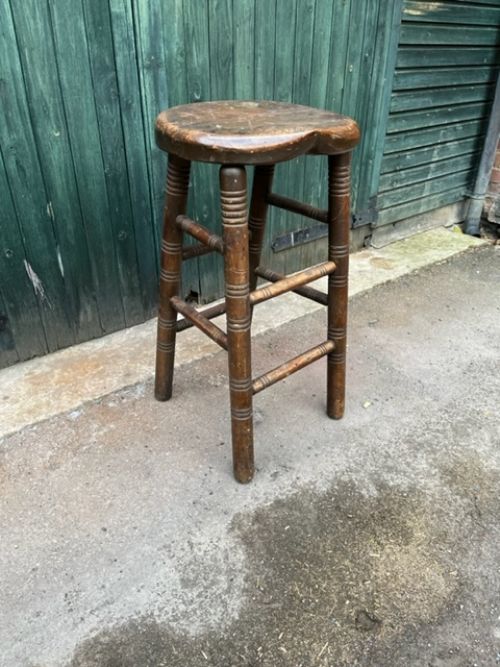
A wooden tall chair encompasses various elevated seating forms, from nineteenth century bar stools and clerk seats to farmhouse armchairs and highchairs. Buyers searching for a wooden tall chair encounter functional workspace furniture and domestic seating raised above standard floor levels.
Rustic country and farmhouse styles dominate the domestic offerings, while commercial and office forms such as tavern and clerk chairs provide sturdy utility. Each piece reflects the functional requirements of its original setting, whether elevated for writing at high desks or serving domestic children.
How they were made
Makers utilised a variety of native and imported timbers, shaping ash, elm, beech, oak, mahogany, walnut, pine and bamboo into sturdy frames. Traditional turning techniques produced spindle legs and stretchers, while carving added detail to backrests and wings on formal parlour and hall pieces.
Joinery methods varied according to the intended use, employing robust pegged joints for heavy farmhouse armchairs and simpler lap or dowel construction for lighter stools. Some examples incorporate fabric or leather upholstery on seats and backs, adding comfort to elevated frames.
Wooden Tall Chair Retail Price Guide 2026
Typical asking prices for wooden tall chair among the pieces listed under this phrase on Sellingantiques today, from the lower quarter to the upper quarter. They describe what is for sale here now, not the wider market.
Listings span the nineteenth century, Regency, and early twentieth century up to nineteen-ten, utilising oak, elm, beech, mahogany, ash, pine, fabric, and leather.
What varies in quality
The quality of a piece lies in the selection of timber and the integrity of the joinery, particularly where tall frames experience lateral stress at elevated footrests and stretchers. Superior examples display thoughtful turning, well-balanced proportions, and carving executed with depth and precision rather than shallow mechanical stamping.
Stylistic refinement also distinguishes simpler utility furniture from high-status items, such as the difference between a plain turned clerk stool and an Art Nouveau hall armchair with an elaborate tall back. Original surfaces, whether polished mahogany or aged oak, retain patination that enhances visual depth.
The Wooden Tall Chair Glossary
- Clerk stool
- A tall seat designed for a high writing desk, often featuring turned legs and a swivel or fixed wooden top.
- High wing back armchair
- An elevated seat with projecting side pieces designed to shield the occupant from draughts, seen in nineteenth century examples.
- Bamboo highchair
- A child's elevated seating form constructed from joined bamboo stalks, reflecting late nineteenth century decorative trends.
- Windsor farmhouse armchair
- A wooden seating type featuring spindles fitted into a solid carved seat, scaled up to extra tall proportions.
- Turned beech
- Timber shaped on a lathe to create cylindrical and rounded components, commonly utilised for the structural supports of nineteenth century stools.
Wooden Tall Chair: Frequently Asked Questions
What were wooden tall chairs used for?
These elevated seats served specific utilitarian roles in homes, offices, and commercial establishments. Clerk and tavern chairs provided workers with height to write at high desks or oversee counters.
Domestic forms included children's highchairs and farmhouse armchairs designed for elevated seating at tables or hearths.
How do I date a tall wooden chair?
Dating relies on examining construction methods, timber choice, and stylistic markers characteristic of specific eras. Pieces from the Regency period exhibit distinct classical restraint, while Victorian and Edwardian examples often feature heavier carving or machine-turned components.
Art Nouveau and Aesthetic Movement pieces display characteristic organic motifs and unconventional materials like bamboo.
Are tall stools and highchairs comfortable?
Comfort depends entirely on the original design purpose and the inclusion of footrests or upholstered elements. Clerk stools and bar stools prioritised utility and posture for short working intervals rather than deep lounging.
Armchairs with tall backs and fabric or leather pads offered greater support for domestic use.
How do I care for antique wooden seating?
Maintain antique timber by keeping pieces away from direct heat sources and rapid humidity changes that cause wood to split. Regular dusting and occasional application of appropriate wax polish preserve the natural finish and historic patination.
Protect upholstered sections from direct sunlight to prevent fabric degradation.