
Wooden Storage Unit
These wooden storage unit pieces offer practical domestic organisation through centuries of traditional craftsmanship.
Wooden Storage Unit
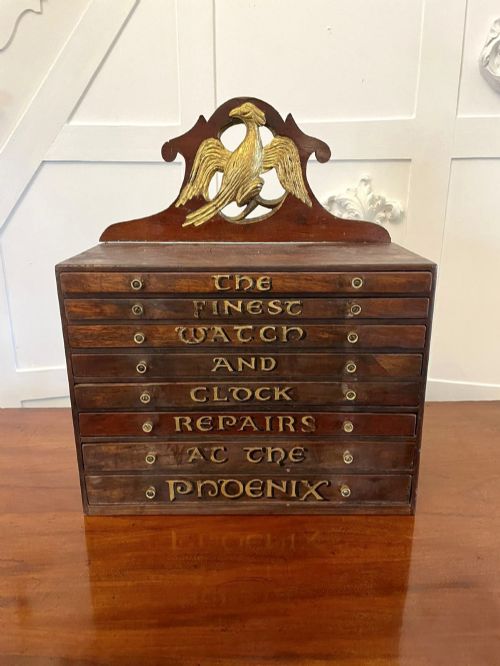
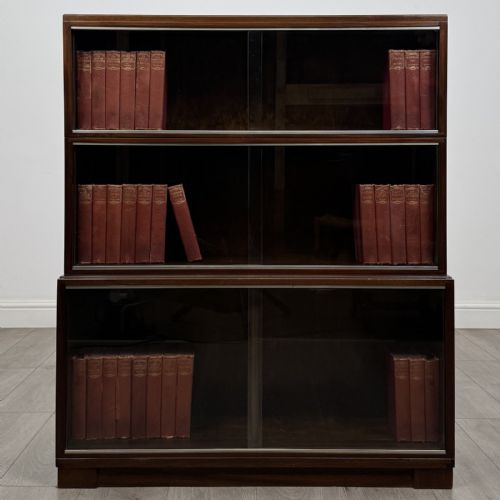
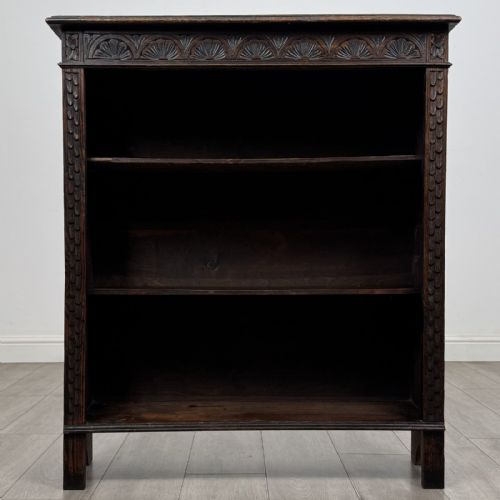
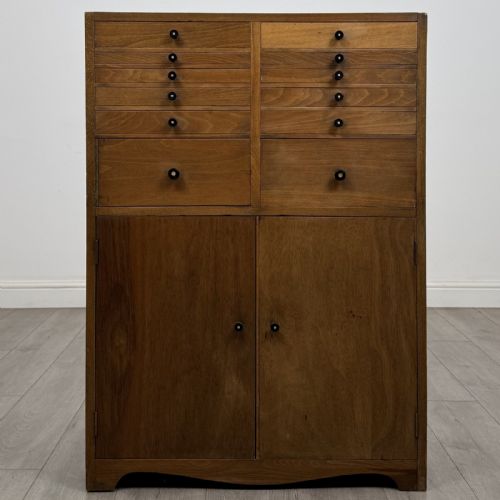
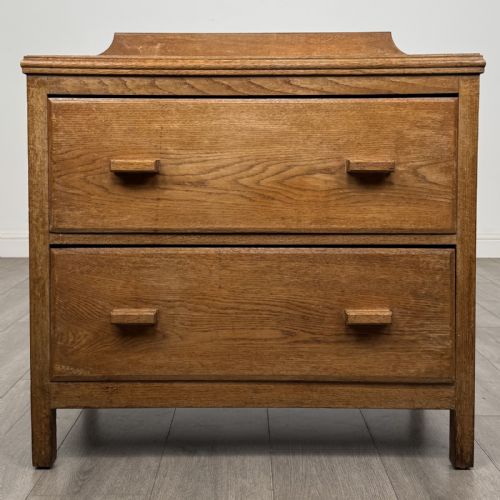
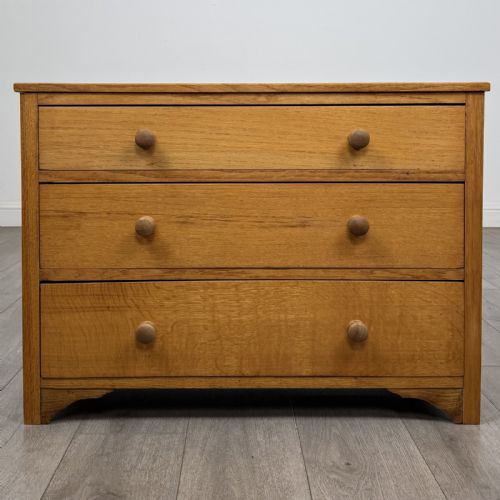
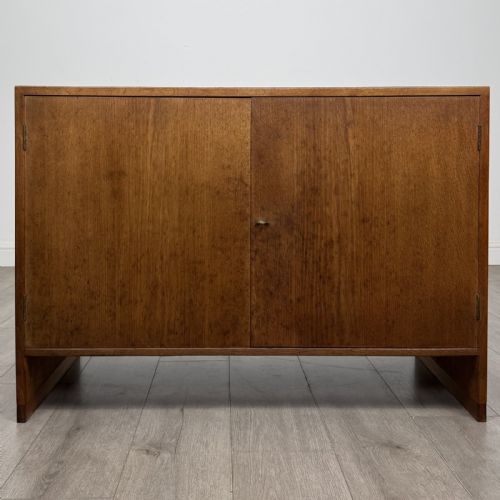
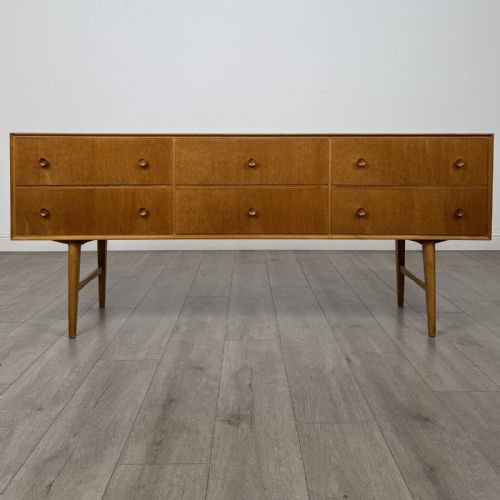
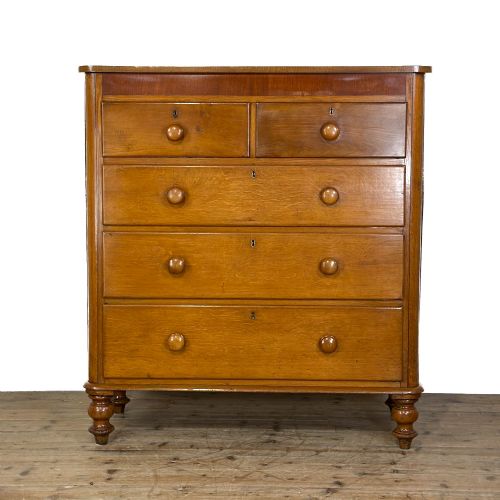
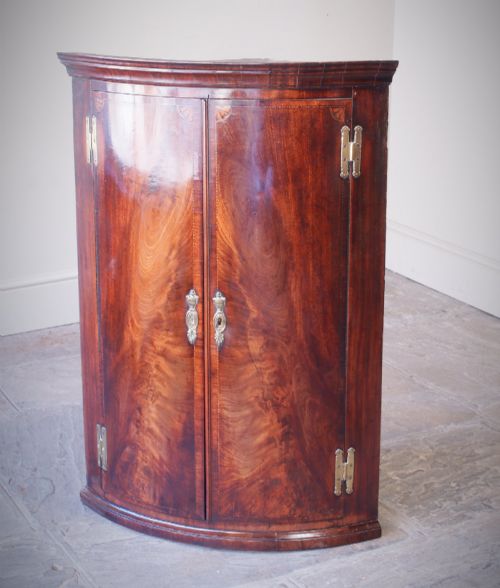
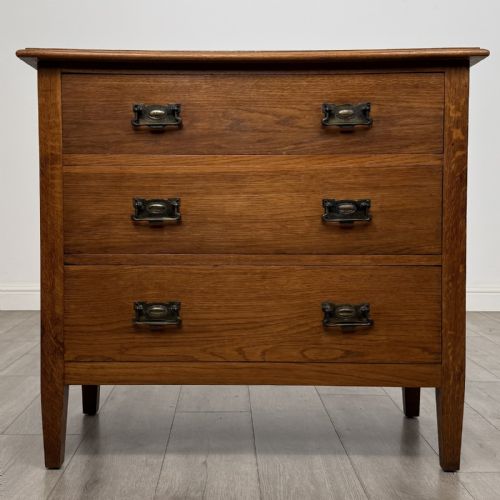
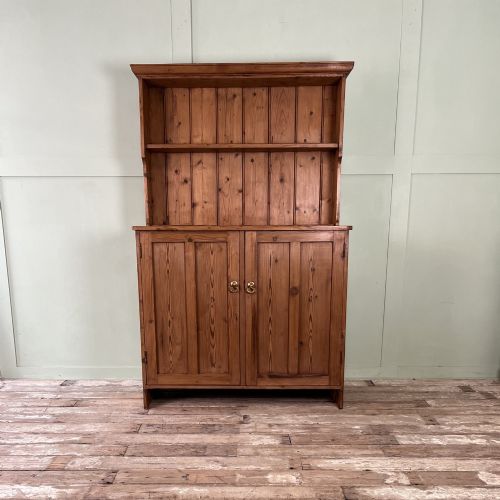
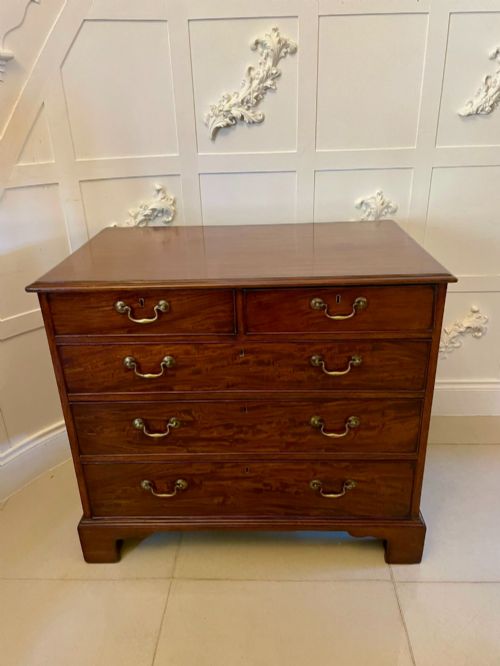
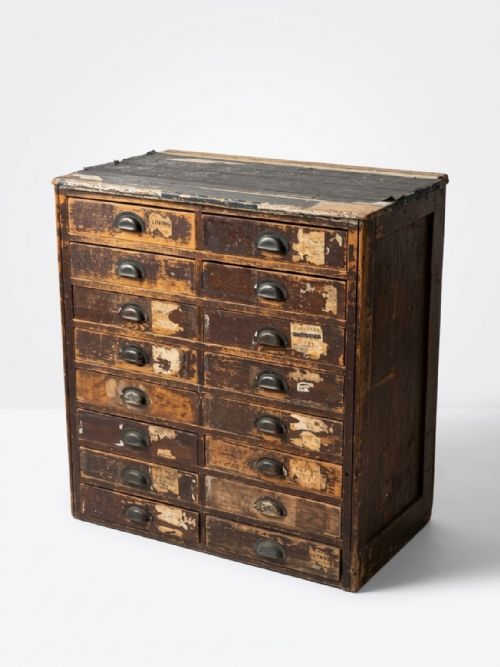
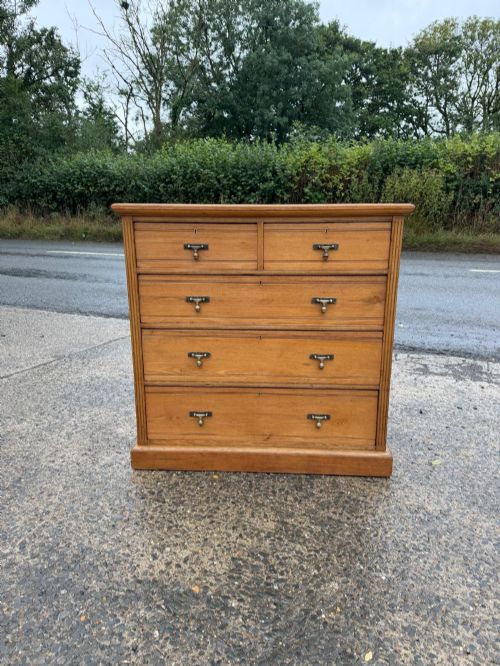
When you search for a wooden storage unit, you encounter a vast array of functional domestic furniture spanning multiple centuries. The selection encompasses practical forms such as chests of drawers, bookcases, sideboards, corner cabinets, and multi-drawer filing banks originating from periods including the Georgian era, Victorian times, and the early twentieth century.
Buyers are most likely to meet solid oak and mahogany pieces on this page, reflecting the enduring popularity of hardwood construction. These items range from small apprentice chests and bedside cabinets to large kitchen dressers and fitted cupboards designed for specific household needs.
How they were made
Cabinet makers utilised durable timbers like oak, mahogany, walnut, pine, and teak, shaping them into robust frames and housing units. Joinery techniques relied on traditional methods to ensure longevity, while secondary elements such as brass handles, acorn pulls, iron fixings, and glass door panels added both utility and decoration.
Surface finishes vary according to the period and style, featuring carved oak details, inlaid mahogany veneers, flame mahogany figuring, and tambour mechanisms. Workshops also integrated adjustable shelving and raised galleries to enhance the functional capability of each piece.
Listings feature oak and mahogany predominantly, alongside pine, walnut, teak, brass, and iron across Victorian, Edwardian, and Georgian periods.
What varies in quality
The standard of a wooden storage unit depends heavily on the selection of timber and the precision of the cabinet maker's joinery. Superior examples display carefully matched grain patterns, such as flame mahogany or figured oak, alongside intact original hardware like brass handles and bracket feet.
Construction depth and proportion separate everyday utilitarian items from finer examples of period furniture. Pieces that retain their original glazed doors, working tambour fronts, and uncompromised internal drawer configurations command greater appreciation from collectors.
Denby & Spinks·Luxmore's of Ilfracombe
The Wooden Storage Unit Glossary
- Gallery
- A raised decorative border along the top edge of a cabinet or chest of drawers. This feature prevents items from sliding off the surface.
- Tambour
- A sliding door or shutter constructed from narrow vertical strips of wood glued to a canvas backing. It runs in tracks to conceal shelving compartments.
- Bow Front
- A convex curved front facade commonly found on chests of drawers and corner cupboards. This styling softens the geometric lines of the furniture.
- Apprentice Chest
- A small-scale miniature chest created by a trainee craftsman to demonstrate skill. These pieces mirror the exact joinery of full-size furniture.
- Bracket Feet
- Architectural corner feet supporting a case piece such as a cabinet or chest. They elevate the body off the floor with a clean, bracketed profile.
Wooden Storage Unit: Frequently Asked Questions
What periods do these storage units come from?
The listings include examples originating from the eighteenth, nineteenth, and early twentieth centuries. Specific eras represented span the Georgian, Victorian, Edwardian, and Art Deco periods.
Craftsmanship methods shifted across these eras, moving from hand-carved solid hardwoods to include industrial shelving and mid-century modern designs.
How do I identify a Georgian chest of drawers?
Georgian pieces often feature fine mahogany construction, consistent proportions, and distinctive details like bracket feet or inlaid wood. The joinery inside the drawers typically employs hand-cut dovetails.
These items date from the eighteenth century and tend to exhibit a warm patina developed through decades of careful use.
What is an industrial shelving rack?
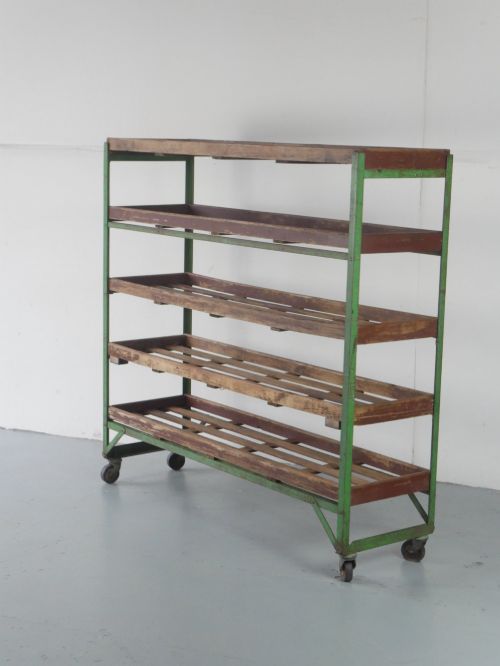
Industrial shelving racks are utilitarian storage units designed for heavy-duty commercial or workshop environments rather than formal living spaces. They often incorporate robust metal and wood construction.
These pieces reflect early twentieth-century manufacturing needs and offer open storage for contemporary homes.
How do I care for antique wooden furniture?
Maintain antique timber by keeping it away from direct heat sources and strong sunlight, which can dry out the wood and fade the finish. Regular dusting with a soft, dry cloth preserves the surface.
Avoid using silicone-based polishes and instead rely on traditional beeswax occasionally to nourish the grain without buildup.