

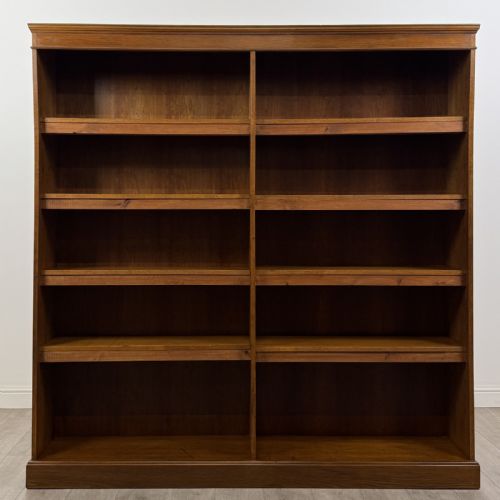
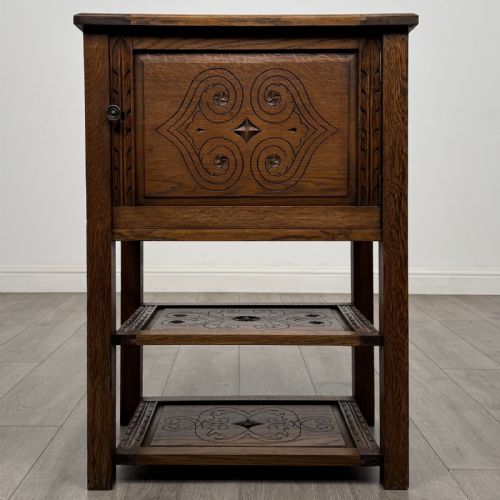
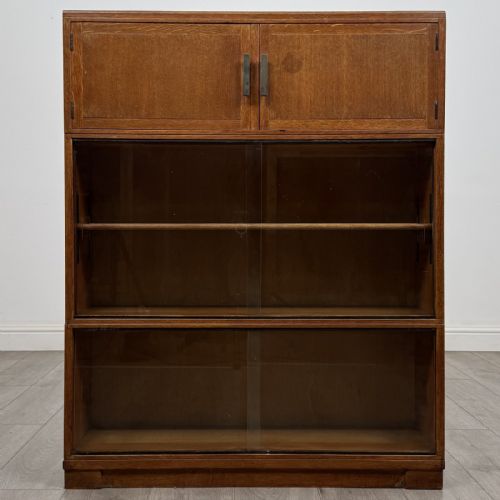
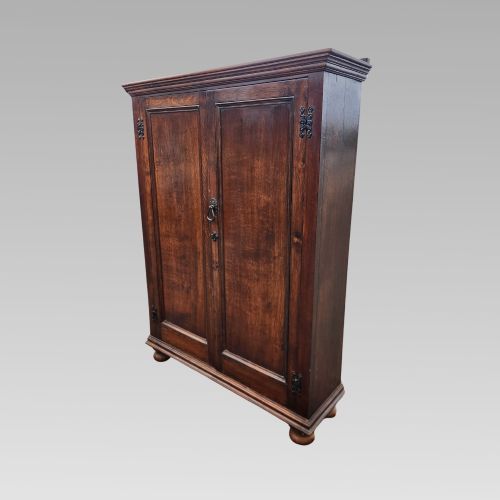
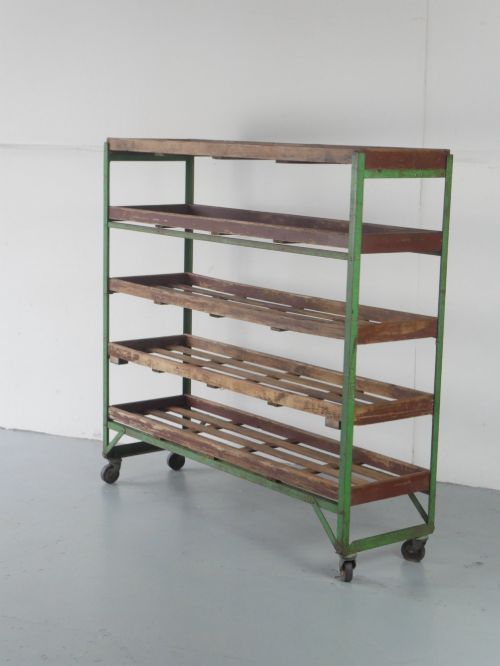
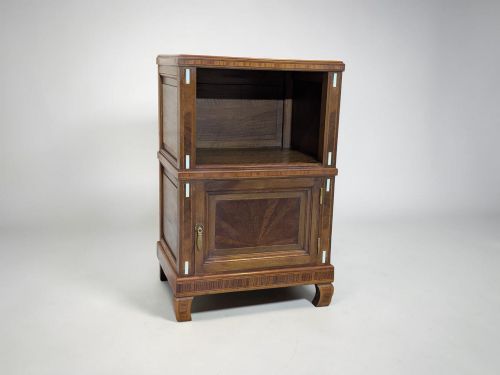
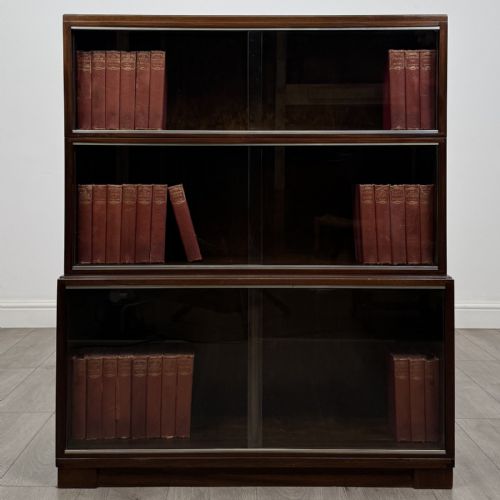
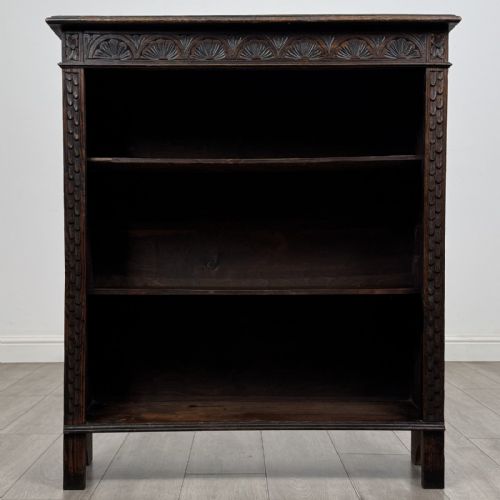
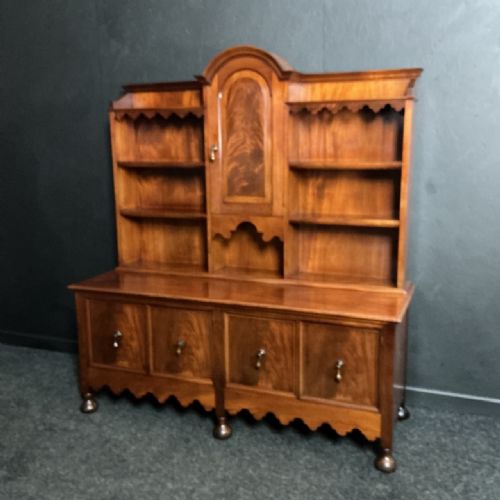
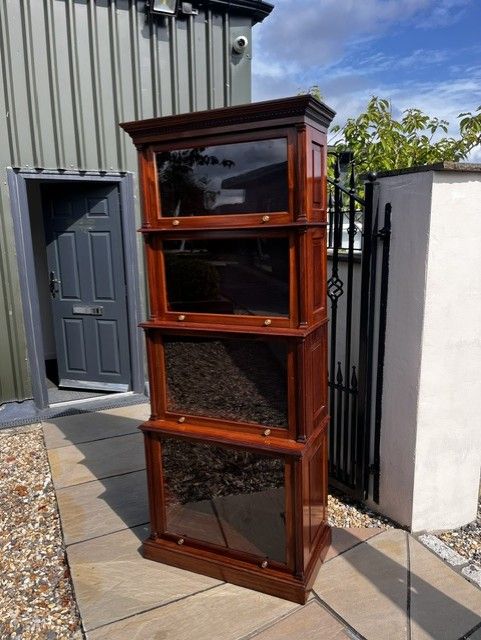
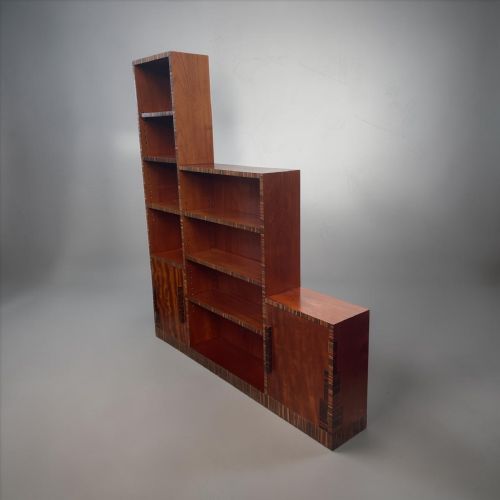
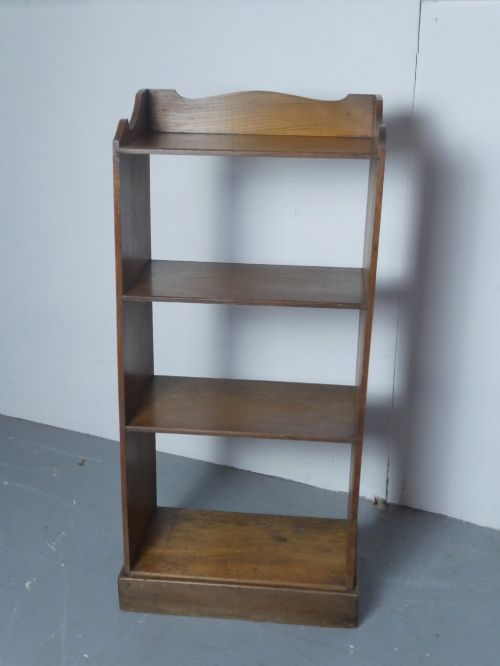
Wooden Storage Shelf
A wooden storage shelf brings honest timber and simple utility to a room, holding books and belongings with straightforward charm.
Wooden Storage Shelf
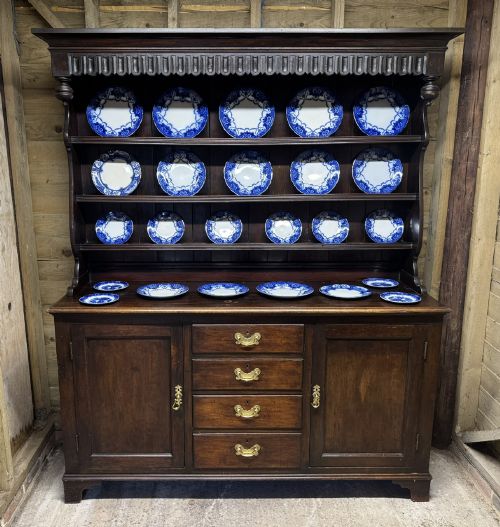
When searching for a wooden storage shelf, you encounter a wide variety of domestic furniture designed to hold books, display china, or organise papers. The selection ranges from compact wall shelves and tabletop accessories to substantial bookcases, dressers, and side cabinets.
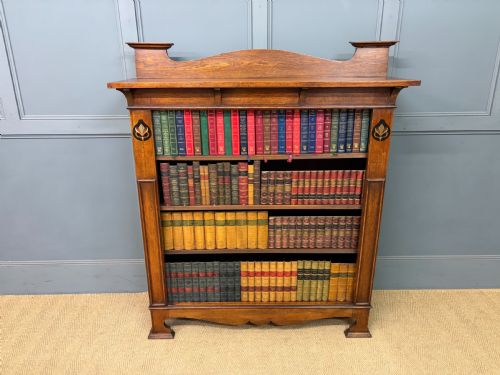
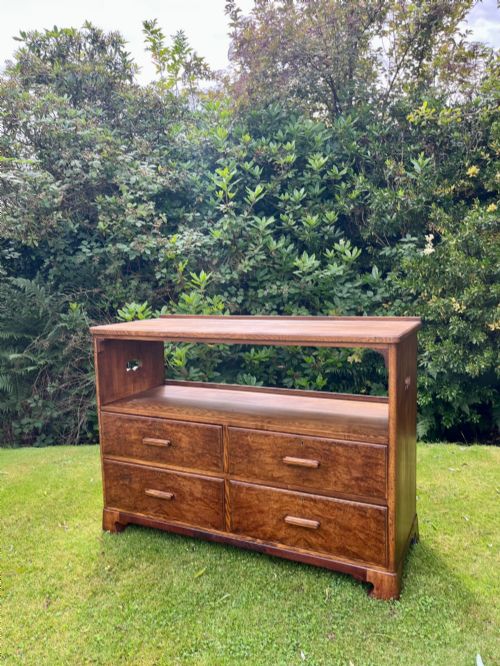
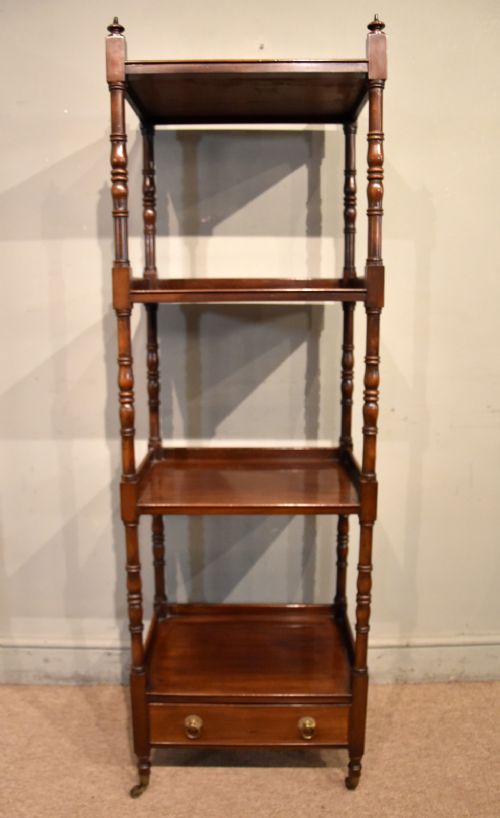
The pieces on this page span several centuries and styles, drawing heavily on Victorian, Edwardian, and Art Deco periods, alongside industrial and rustic Indian influences. You are most likely to meet open bookcases, chiffoniers, and tiered wall shelving constructed during the nineteenth and early twentieth centuries.
Origins vary from English country workshops to Scottish pine pieces, French filing units, and Italian walnut creations. Each form reflects the specific domestic or commercial storage needs of its era, whether that involved housing a library or sorting post office post.
Materials and construction methods
Timbers dominate these pieces, with oak, mahogany, walnut, and pine appearing most frequently alongside occasional teak, cedar, and amboyna. Makers selected these woods for their grain, durability, and suitability for structural shelving.
Metal and glass components provide functional support and protection, with brass hardware, iron brackets, and glazed cabinet doors frequently integrated into the designs. Joinery techniques range from traditional hand-carved oak details to the practical construction of industrial shelving racks and pigeon holes.
Wooden Storage Shelf Retail Price Guide 2026
Typical asking prices for wooden storage shelf among the pieces listed under this phrase on Sellingantiques today, from the lower quarter to the upper quarter. They describe what is for sale here now, not the wider market.
Some nineteenth century filing shelves spent their early days sorting letters in bustling French post offices before finding a quiet retirement in a modern study.
Distinctions in craftsmanship and condition
The distinction between standard utility items and finer examples rests in the selection of timber and the subtlety of decorative details. Pieces featuring solid mahogany, burr walnut, or figured oak with inlaid marquetry and carved mouldings stand apart from purely utilitarian pine furniture.
Structural integrity and original mechanisms also define the higher tier, particularly in adjustable shelving systems, tambour doors, and revolving bookcase actions. The integration of period brass fittings and the preservation of original waxed or polished surfaces signal superior historic manufacture.
Whytock and Reid
The Wooden Storage Shelf Glossary
- Chiffonier
- A low sideboard or cabinet featuring a combination of lower cupboards and upper drawers or shelves. This form became particularly popular during the nineteenth century.
- Tambour
- A flexible shutter door constructed from narrow vertical strips of wood glued to canvas. It allows smooth operation across curved cabinet fronts.
- Pigeon holes
- A set of small, stacked compartments designed for sorting letters, documents, or papers. They are commonly found in desks and filing units.
- Breakfront
- A large cabinet or bookcase where the central section projects forward from the flanking wings. This architectural arrangement creates depth and visual interest.
Wooden Storage Shelf: Frequently Asked Questions
How do I choose the right size?
Measure your available wall space and floor area carefully before selecting a piece. Consider whether a slim wall-mounted shelf or a freestanding bookcase best suits the proportions of your room.
Take into account the depth of the shelves to ensure they accommodate your books or display items without protruding awkwardly into walkways.
How should I care for timber shelves?
Maintain wooden surfaces by dusting them regularly with a soft, dry cloth to prevent grit accumulation. Avoid placing furniture in direct sunlight or near heat sources to protect the historic polish and timber.
Periodical application of appropriate wax polish helps nourish aged wood and preserves its natural lustre over years of use.
What is the difference between an open bookcase and a cabinet?
An open bookcase provides immediate, unobstructed access to its contents, making it ideal for everyday book storage and casual display. Cabinets feature doors, sometimes glazed, which protect delicate items from dust and securely enclose your belongings.
Choosing between them depends on whether you prefer an open, airy display or the tidy containment offered by doors.