

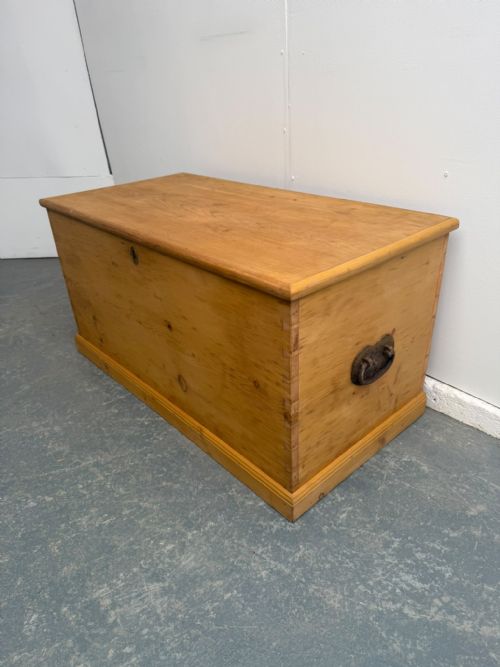


Wooden Storage Ottoman
A wooden storage ottoman offers sturdy utility and timeless character, making it a practical addition to any room.
Wooden Storage Ottoman
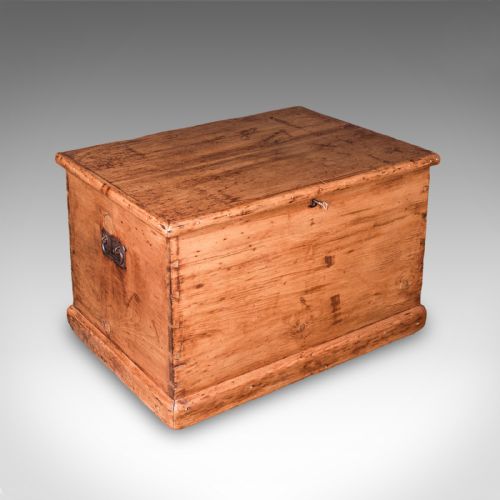
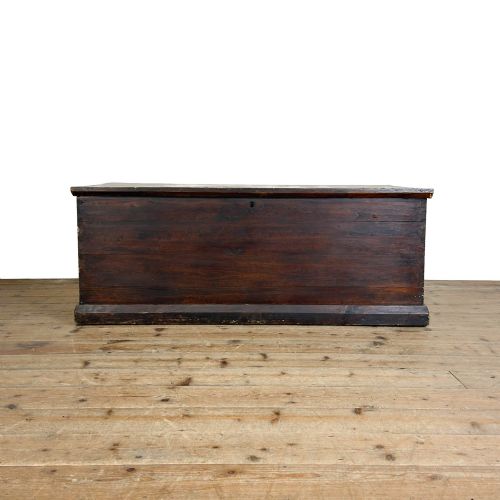
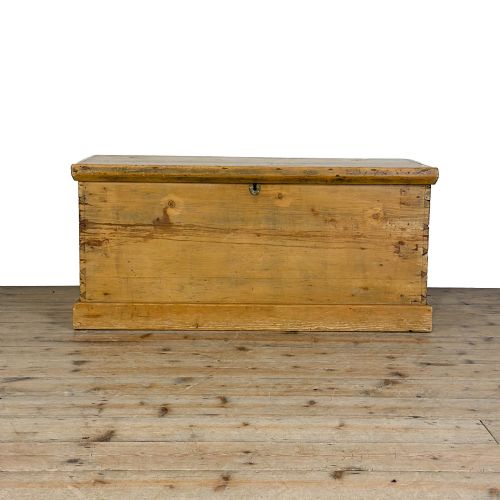
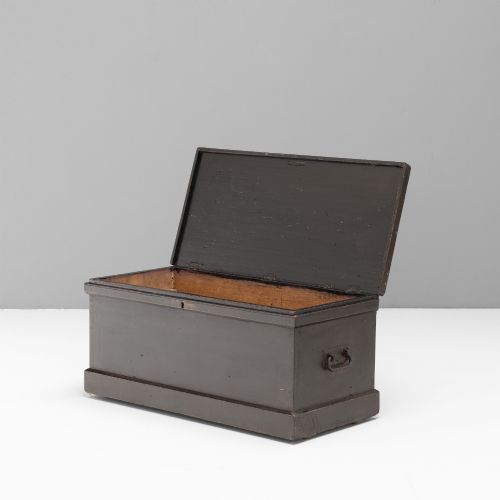
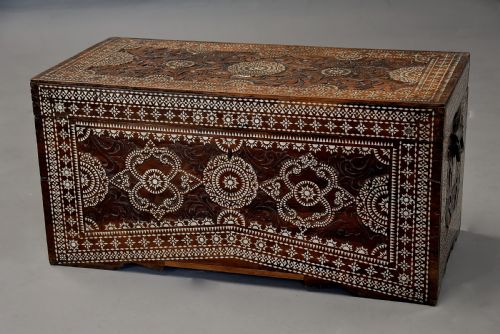
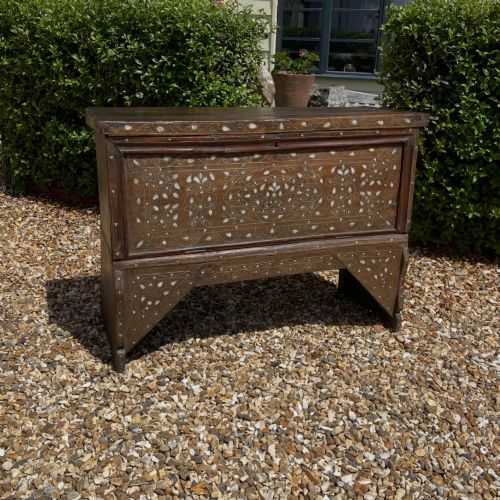
The selection on this page ranges from rustic Victorian country pine boxes to more elaborate inlaid Middle Eastern trunks and French cherrywood blanket boxes. Form follows function closely, with many examples featuring side lifting handles and internal compartments intended to hold linens, blankets, or apparel.
Beyond simple blanket boxes, variations include low coffee table formats, dressing stools with storage, and specialised shoe box cabinets. These diverse forms reflect how different eras adapted sturdy wooden boxes to suit changing domestic requirements.
Materials and construction methods
Carpenters relied heavily on solid pine, oak, and mahogany to build these storage pieces, often enhancing the timber with wax finishes, paint, or stain. Iron and brass hardware, such as side lifting handles and working locks, provided structural reinforcement and functional utility.
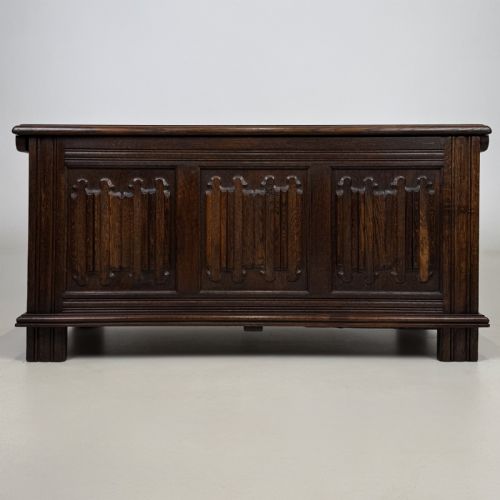
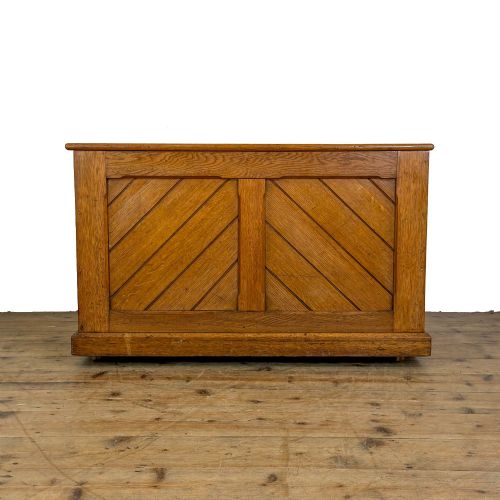
Decorative techniques varied widely according to origin and style, ranging from simple linenfold panels on 1920s oak boxes to intricate mother-of-pearl inlay on Middle Eastern trunks. Upholstery also appears on select Victorian and Edwardian examples, combining padded seating surfaces with internal storage cavities.
Wooden Storage Ottoman Retail Price Guide 2026
Typical asking prices for wooden storage ottoman among the pieces listed under this phrase on Sellingantiques today, from the lower quarter to the upper quarter. They describe what is for sale here now, not the wider market.
The listings span multiple eras, featuring pieces from the Regency period, the Victorian era, and the early twentieth century up to 1930.
Assessing quality and craftsmanship
Quality in a wooden storage ottoman is determined by the selection of timber, the integrity of the joinery, and the preservation of original hardware. Solid hardwoods and dense old-growth pine generally indicate a sturdier build than later, lighter alternatives.
The refinement of decorative elements also sets finer pieces apart, such as hand-carved linenfold panels or precise mother-of-pearl inlay work compared to plain utility boxes. Retaining original working locks, functional side handles, and undisturbed period patina further elevates the standing of an individual chest.
The Wooden Storage Ottoman Glossary
- Mule chest
- A traditional storage chest featuring one or more drawers beneath the main internal compartment. They bridge the gap between a simple blanket box and a full chest of drawers.
- Linenfold
- A style of woodcarving that imitates folded linen cloth, commonly seen on panels of Tudor Revival and early twentieth-century oak furniture.
- Work box
- A small decorative box or ottoman designed specifically for holding sewing implements, textiles, or small craft materials.
- Inlay
- A decorative technique where contrasting materials such as mother-of-pearl or different woods are embedded into the surface of the primary timber.
- Blanket box
- A deep chest traditionally utilised for storing woollen blankets, quilts, and household linens safely away from dust.
Wooden Storage Ottoman: Frequently Asked Questions
What is a wooden storage ottoman used for?
These pieces serve primarily to conceal household clutter such as extra blankets, pillows, and clothing while providing a sturdy surface or seat.
Depending on the specific height and shape, some owners utilise them as coffee tables, hallway benches, or bedroom footstools.
How do I identify a Victorian pine box?
Victorian pine storage pieces typically display deep honey tones from historic wax finishes, accompanied by dovetailed joints and hand-forged iron or brass handles.
Examining the underside, interior boards, and back panels often reveals traditional hand-planed marks characteristic of nineteenth-century carpentry.
Can I use an ottoman as a coffee table?
Low and wide blanket boxes or flat-topped trunks adapt exceptionally well to serving as coffee tables in living spaces.
Their substantial wooden construction easily supports books and trays while keeping everyday items tucked away inside.
What is the difference between a trunk and a mule chest?
A standard trunk consists of a single top-opening compartment designed primarily for transit and deep storage.
By contrast, a mule chest incorporates one or more drawers at the base beneath the main lift-top compartment for easier access to smaller items.