




Wooden Storage Barrel
These wooden storage barrel pieces combine everyday utility with enduring craftsmanship, offering robust solutions for modern interiors.
Wooden Storage Barrel
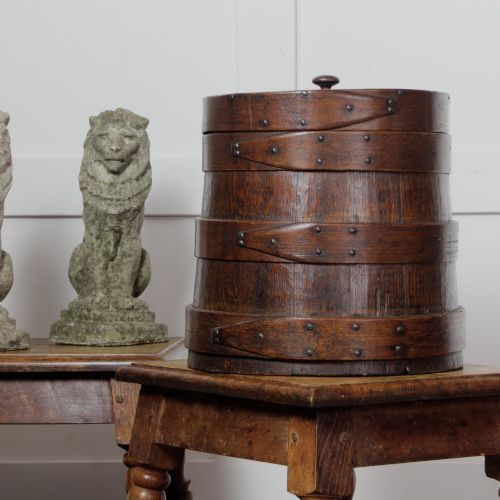
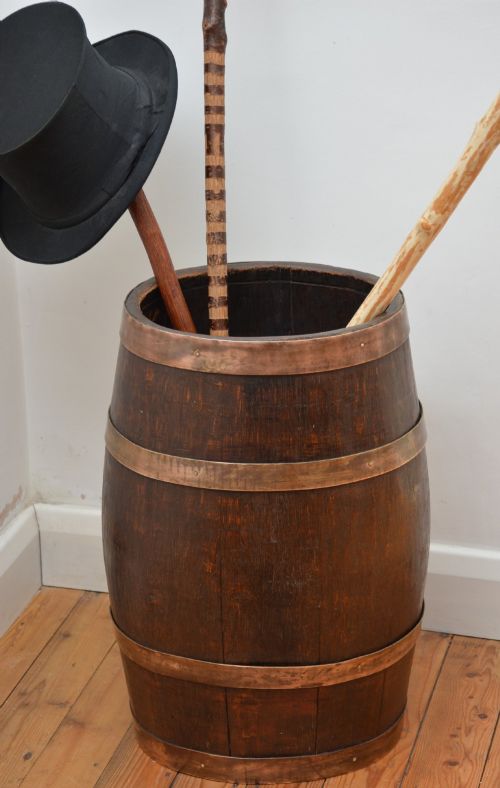
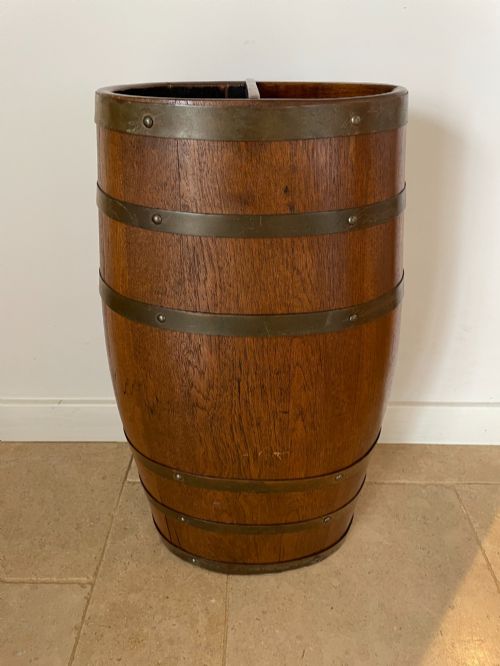
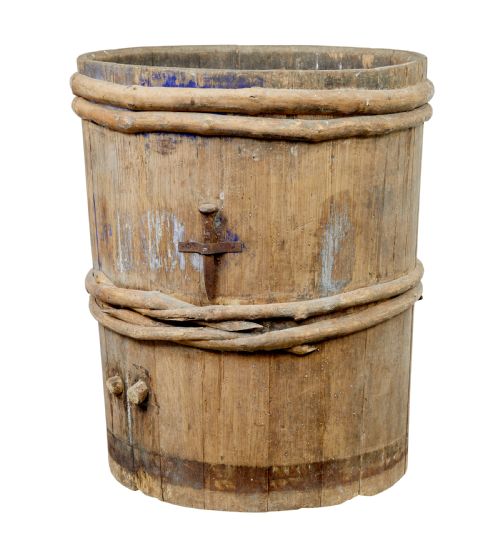
A wooden storage barrel serves multiple functional roles across various historic periods, appearing primarily as coopered vessels, umbrella stands, flour bins, and trunks in the available inventory. Buyers seeking these items will frequently encounter sturdy oak and pine examples originating from the Georgian, Victorian, and Edwardian eras, along with rustic Scandinavian country pieces.
Forms range from tall stick stands fitted with brass loops to large storage vessels and dome-top travel chests constructed from wood, canvas, and leather. These objects reflect practical domestic and travel needs from the eighteenth century through the early twentieth century.
The selection also includes related seating forms such as panelled wingback concave barrel settles and dug out chairs. Oak and pine dominate the material selection, shaping both utilitarian bins and decorative hallway vessels.
Materials and Construction Techniques
Construction relies heavily on traditional coopering techniques, where vertical wooden staves of oak or pine are bound together with metal bands of brass, iron, or copper to form secure, watertight or sturdy vessels. This method provides the structural integrity necessary for holding grain, umbrellas, or travel belongings.
Secondary materials such as canvas, leather, and iron reinforcement appear on trunks and chests, adding durability to exterior surfaces. Surface finishes range from polished oak to rustic, unadorned pine.
Wooden Storage Barrel Retail Price Guide 2026
Typical asking prices for wooden storage barrel among the pieces listed under this phrase on Sellingantiques today, from the lower quarter to the upper quarter. They describe what is for sale here now, not the wider market.
Some barrels are so stoutly coopered they could probably survive a trip over Niagara Falls, though we recommend keeping them firmly in the hallway.
Assessing Quality and Authenticity
Quality rests upon the integrity of the original construction, particularly the precision of the coopered staves and the matching strength of the metal or brass bands. Pieces that retain their original loops, hardware, and surface patination demonstrate superior preservation.
The sophistication of the timber selection, such as figured oak or dense pine, distinguishes standard utilitarian vessels from finer country house examples. Original makers' marks or labels further elevate the standing of specific pieces within the range.
The Wooden Storage Barrel Glossary
- Coopered
- Built from curved wooden staves joined together edge-to-edge and bound by hoops of metal or wood. This traditional technique defines the construction of cylindrical barrels and buckets.
- Stave
- One of the narrow, shaped strips of wood that form the sides of a barrel, tub, or bucket. Fitting these pieces together accurately requires high skill.
- Umbrella stand
- A vertical vessel or rack designed specifically for holding wet walking sticks and umbrellas in a hallway. These frequently utilise coopered barrel designs with metal loops.
- Pine
- A softwood commonly utilised in Scandinavian and country furniture for its workability and light grain. It forms the basis of many rustic storage vessels.
- Flour bin
- A large storage container built to keep dry goods safe from pests and dampness. Georgian and early examples often feature heavy oak construction.
Wooden Storage Barrel: Frequently Asked Questions
What were wooden storage barrels used for originally?
These vessels served diverse domestic functions, ranging from holding grain and flour in early kitchens to storing bottles or acting as hallway umbrella stands. Their robust construction kept contents secure from environmental wear.
Over time, specialised forms emerged for travel and daily household organisation, adapting coopered techniques to trunks, buckets, and settles.
How do I clean and maintain a wooden barrel?
Dust the wood regularly with a dry cloth and occasionally nourish dry surfaces with a suitable beeswax polish. Avoid placing these items near direct heat sources to prevent the wood from splitting.
Metal bands and brass loops require minimal attention, needing only gentle wiping to remove dust without disturbing the historic patination.
How can I tell a Victorian barrel from a Georgian one?
Georgian pieces often display heavier oak construction intended for utilitarian agricultural or kitchen tasks like grain storage. Victorian examples frequently incorporate decorative brass banding and formal adaptations for hallway use.
Examining the tooling marks, joinery methods, and hardware style helps clarify the distinct period of manufacture.
Are these barrels suitable for modern hallway storage?
Coopered umbrella stands and small storage vessels fit naturally into contemporary hallways for organising walking sticks and umbrellas. Their narrow footprints make them practical space-savers.
Larger trunks and bins work effectively as living room side tables or blanket boxes, blending historic character with modern utility.