




Wooden Statue Column
These wooden statue column pieces elevate sculpture, lighting, and displays with classical presence.
Wooden Statue Column
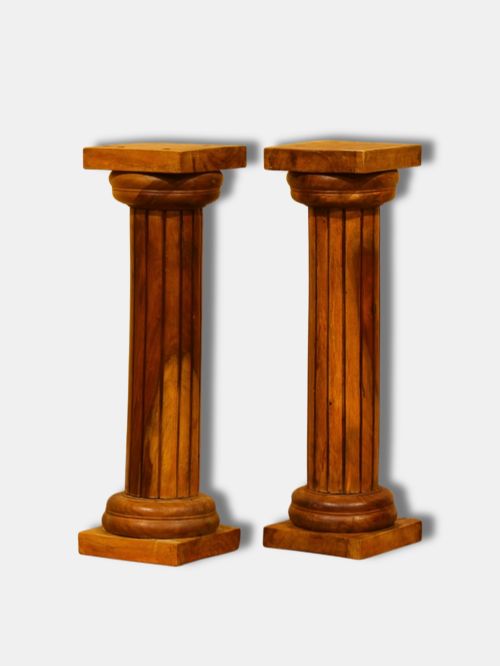
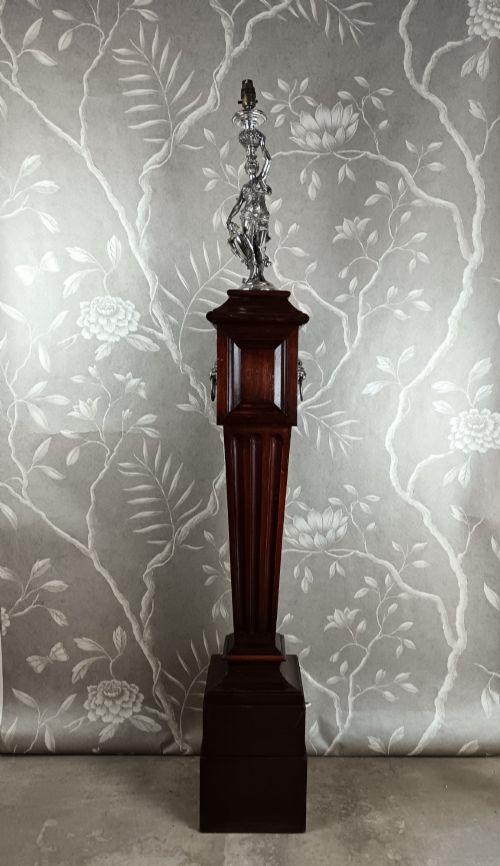
A wooden statue column functions as an architectural support or elevated display platform for figures, urns, and lamps, bringing classical proportion into interior spaces. When searching for a wooden statue column, buyers encounter a variety of architectural forms, from slender torchere floor lamps and cylinder stands to heavy display pedestals.
The pieces appearing on this page span several distinct periods, including the Victorian era, the nineteenth century, and the early twentieth century, alongside specific revivals like the Chippendale and French Renaissance styles. Formats range from paired neoclassical hardwood columns to inlaid display pedestals and large decorative stained hardwood carvings.
How they were made
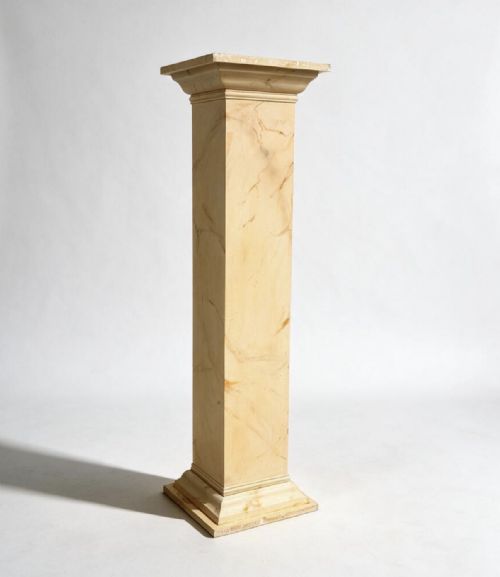
Makers utilised a variety of dense timbers, predominantly mahogany, oak, satinwood, rosewood, and general hardwoods, often enhanced with surface treatments such as paint and faux marble finishes. These materials provided the structural integrity required to support heavy figures and lamps while offering a rich canvas for detailed carving.
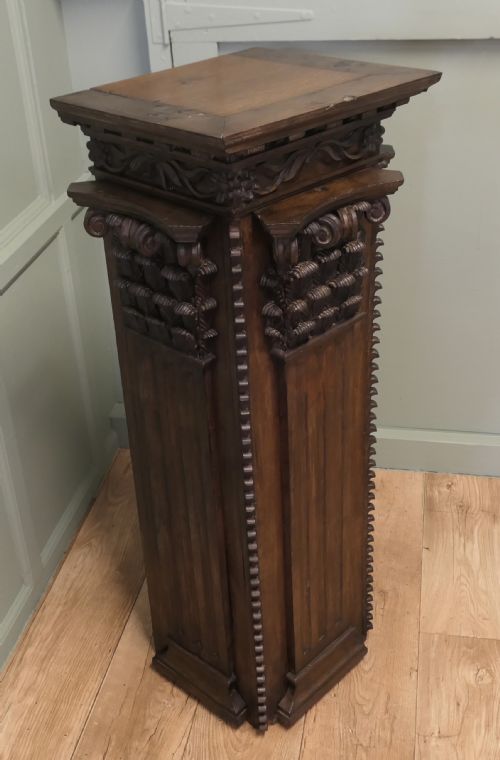
Construction techniques combine traditional joinery with elaborate decorative arts, including intricate wood carving, contrasting inlay work, and architectural elements inspired by neoclassical and French designs. Some examples incorporate mixed media, pairing carved wood bodies with silver-plated figural elements or marble tops.
Wooden Statue Column Retail Price Guide 2026
Typical asking prices for wooden statue column among the pieces listed under this phrase on Sellingantiques today, from the lower quarter to the upper quarter. They describe what is for sale here now, not the wider market.
Materials documented across the listings include mahogany, oak, satinwood, rosewood, marble, and silver-plate.
What varies in quality
Quality in these columns rests upon the crispness of the carving, the selection of timber, and the harmony of the overall proportions. Pieces featuring deeply carved architectural details or refined inlay work demonstrate a higher level of artisanal execution than plain utility supports.
The integrity of the surface finish and the stability of the column under weight further distinguish finer examples. Whether dealing with French neoclassical pairs or nineteenth-century display pillars, superior execution is evident in the balance between structural strength and decorative restraint.
The Wooden Statue Column Glossary
- Neoclassical
- A style drawing inspiration from the classical art and architecture of ancient Greece and Rome. It frequently employs clean architectural lines, columns, and symmetrical ornamentation.
- Torchere
- A tall stand or floor lamp designed to hold a light source aloft. In antique pieces, these often take the form of slender columns.
- Inlay
- A decorative technique where pieces of contrasting material are inserted into a wood matrix to form patterns. Satinwood and various dark hardwoods are often utilised for this purpose.
- Grand Tour
- A cultural journey undertaken by wealthy young Europeans in the eighteenth and nineteenth centuries to collect art and antiquities. Figures such as carved wood goddesses are frequently associated with this tradition.
Wooden Statue Column: Frequently Asked Questions
What is a wooden statue column used for?
These pieces serve as architectural pedestals, display stands, and floor lamps to elevate sculptures, urns, and decorative objects within a room.
They create vertical focal points and lift art to eye level, combining structural support with classical decorative presence.
How do I style a wooden statue column at home?
Place a column in an entryway, corner, or hallway to display a bronze figure, a ceramic vase, or a sculptural lamp.
Ensure the weight of the displayed object matches the structural capacity and proportions of the pedestal top.
What woods are typical for these columns?
Common timbers include mahogany, oak, satinwood, rosewood, and general dense hardwoods selected for their strength and grain.
Some examples also feature painted surfaces, faux marble finishes, or contrasting inlay work to enhance their visual weight.
How do I tell Victorian columns apart from older pieces?
Victorian pieces often display revival styles such as Chippendale or heavy architectural carving typical of nineteenth-century production.
Earlier eighteenth-century or Grand Tour examples tend to exhibit more direct classical motifs and hand-carved patination developed over longer periods.