

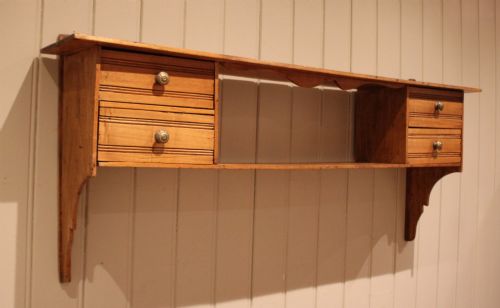
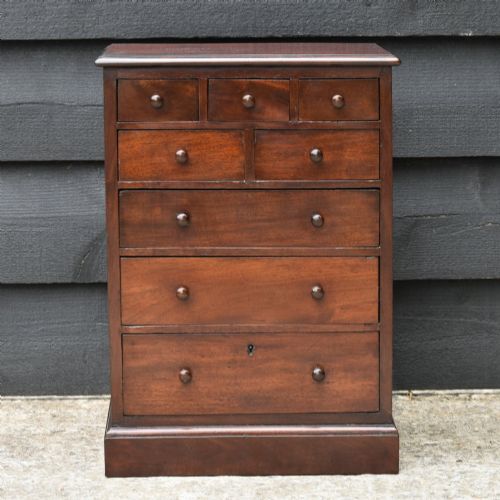
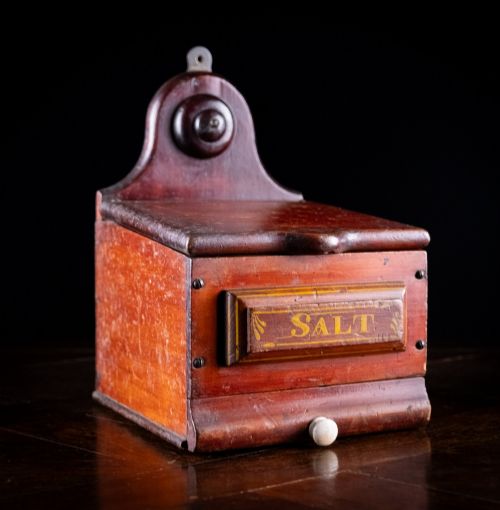
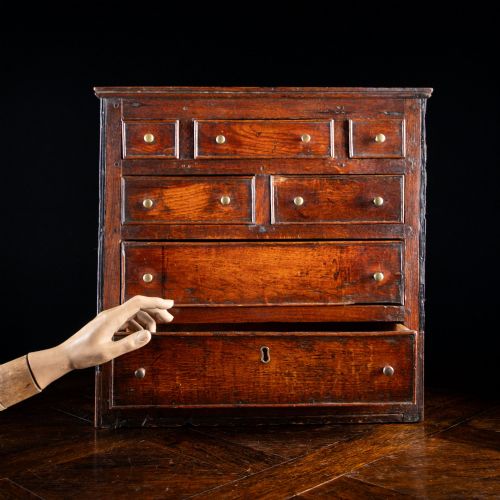


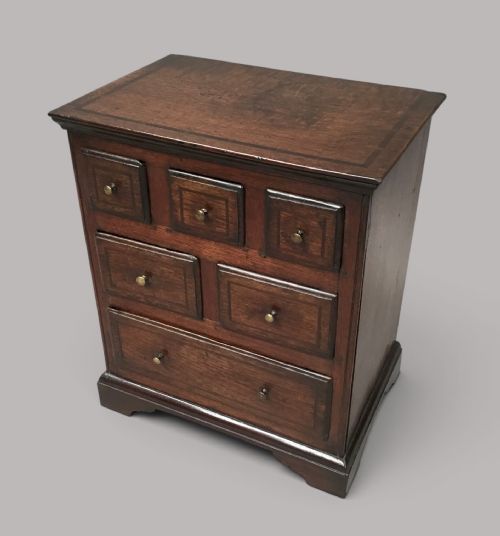


Wooden Spice Drawers
These wooden spice drawers bring honest utility and warmth to a room, offering compact storage with time-worn character.
Wooden Spice Drawers
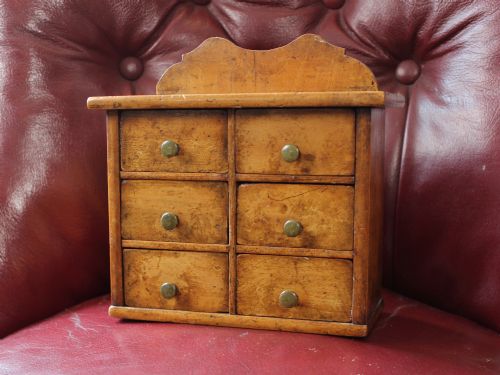
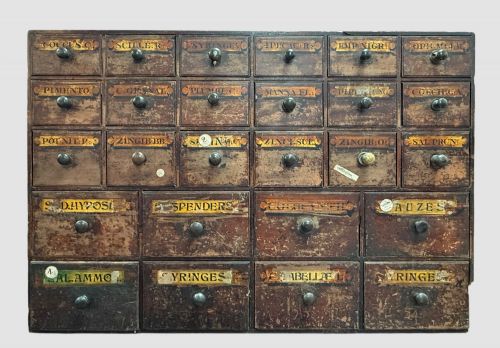
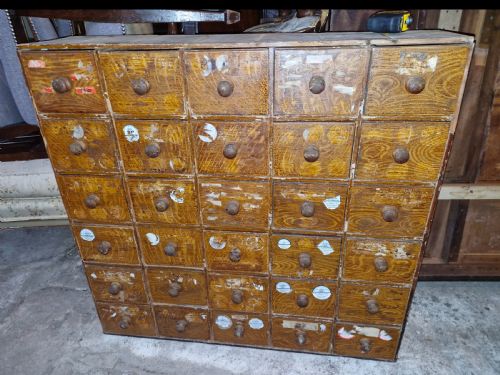
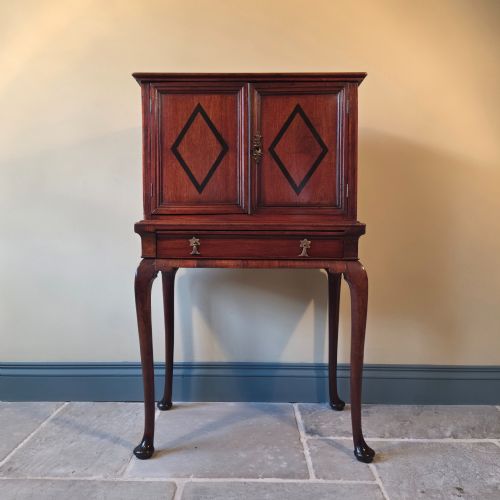
Wooden spice drawers encompass compact storage forms from the 18th century through to the 1930s, including spice cabinets, banks of drawers, and miniature chests. These pieces span Georgian, Victorian, and Edwardian periods, reflecting both domestic kitchen storage and small-scale cabinet making.
How they were made
Carpenters utilised solid timbers such as oak, pine, mahogany, and fruitwood to build these small storage units. Drawer construction often relied on traditional joinery suited to miniature and wall-hung formats.
Hardware typically included brass pulls and keyplates, while surface treatments ranged from clear finishes showing the natural grain to original red paint and decorative detailing.
Wooden Spice Drawers Retail Price Guide 2026
Typical asking prices for wooden spice drawers among the pieces listed under this phrase on Sellingantiques today, from the lower quarter to the upper quarter. They describe what is for sale here now, not the wider market.
Listings feature oak, pine, mahogany, and fruitwood across Georgian and Victorian periods.
What varies in quality
Quality rests in the choice of timber and the crispness of the original construction, distinguishing simple utility boxes from finer miniature cabinetry. Selection of woods like burr walnut or figured mahogany elevates certain pieces above standard pine.
The survival of original surfaces, such as early paint or patinated oak, alongside functional brass hardware and working locks, defines the standard of preservation across different examples.
The Wooden Spice Drawers Glossary
- Spice cabinet
- A small wall-hanging or tabletop unit designed for holding aromatic seasonings and dry goods. These often feature multiple small drawers or a panelled door.
- Miniature chest of drawers
- A scale model or apprentice piece replicating full-sized furniture chests. These demonstrate the cabinet maker's skill at a reduced size.
- Bank of drawers
- A multi-drawer unit designed for sorting small items, commonly associated with apothecary, chemist, or general storage use.
- Apprentice piece
- A fine example of furniture made by a craftsman demonstrating mastery to join a guild. These miniature chests show the same dovetails and construction as larger pieces.
Wooden Spice Drawers: Frequently Asked Questions
What were wooden spice drawers used for?
These small drawers and cabinets stored valuable spices, herbs, and aromatics safely away from damp kitchen air.
Over time, many similar small drawer units found secondary uses in homes and shops for organising small household items or medicines.
How do I hang a wall spice box?
Wall-hanging spice boxes usually feature integrated suspension points or brackets on the rear panel for mounting. Weight distribution needs careful checking against the wall fixing type used.
Due to their compact size, they fit well in kitchen spaces or smaller utility areas without dominating the room.
How do I tell an 18th century piece apart from a Victorian one?
Eighteenth-century examples often display pegged construction, hand-sawn timber boards, and native woods like oak or fruitwood.
Victorian and later pieces frequently incorporate machine-sawn elements, varied secondary woods, and styles influenced by changing domestic fashions.
Are miniature chests actually spice drawers?
Miniature chests of drawers served various purposes, including apprentice demonstrations, personal keepsakes, or small tabletop storage.
While some functioned in kitchens or dispensaries, others were simply scaled-down versions of larger bedroom chests.