


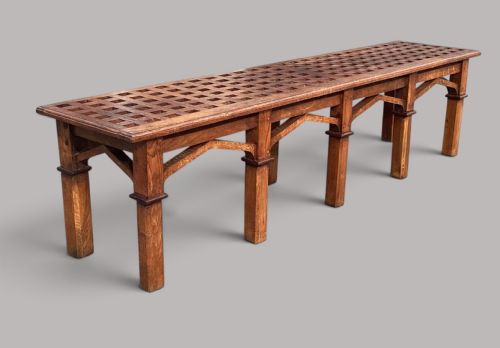
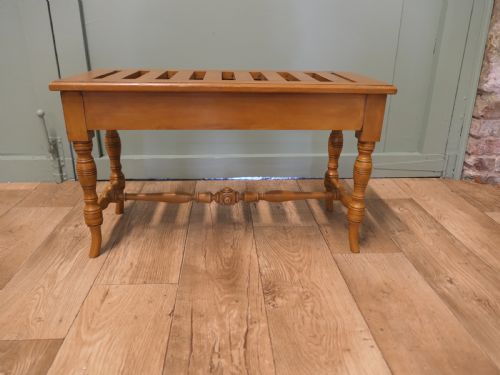
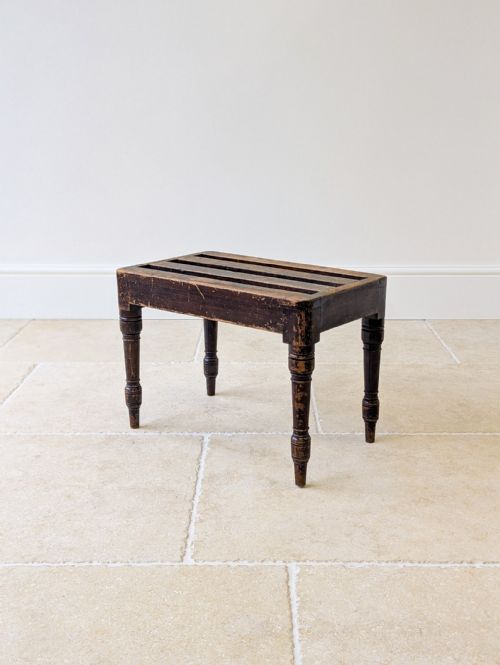
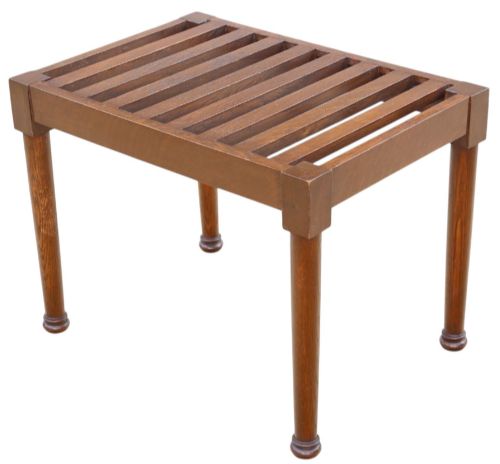
Wooden Slat Bench
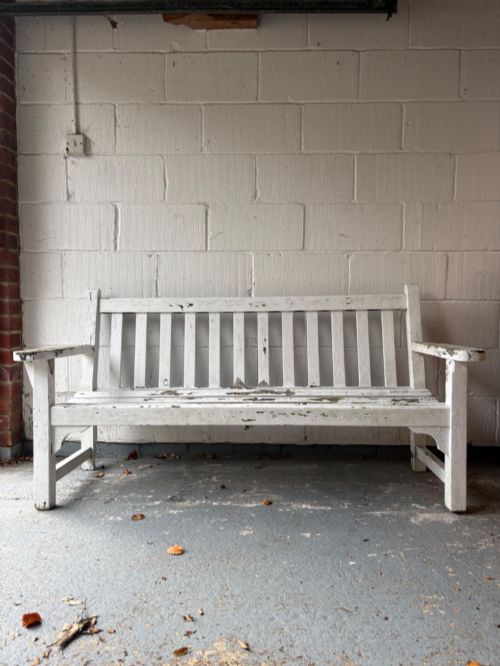
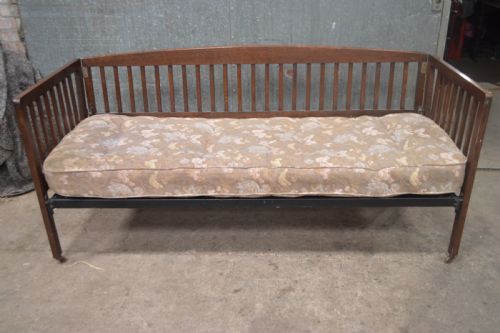
A wooden slat bench brings honest utility and straightforward construction to a hallway or garden.
Wooden Slat Bench
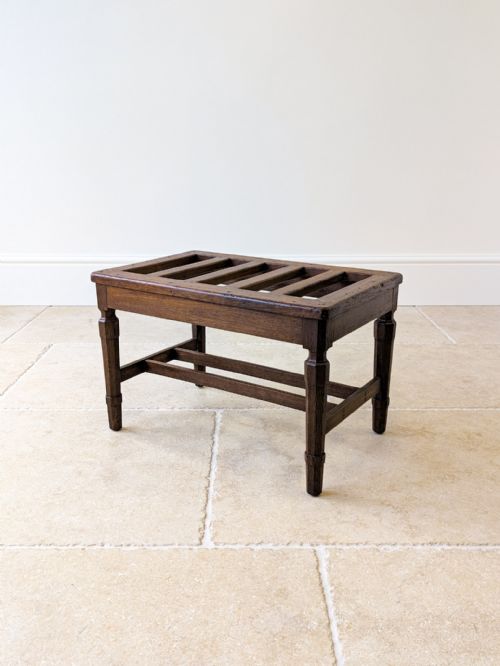
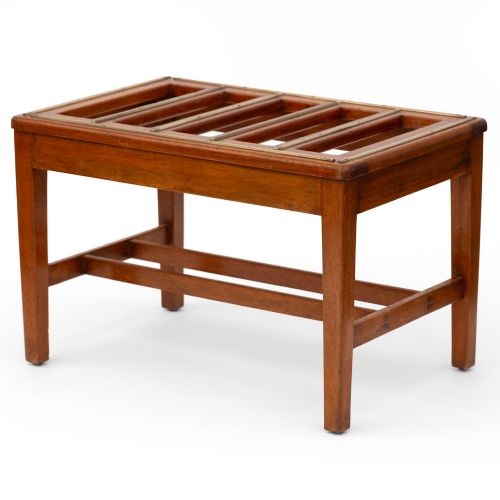
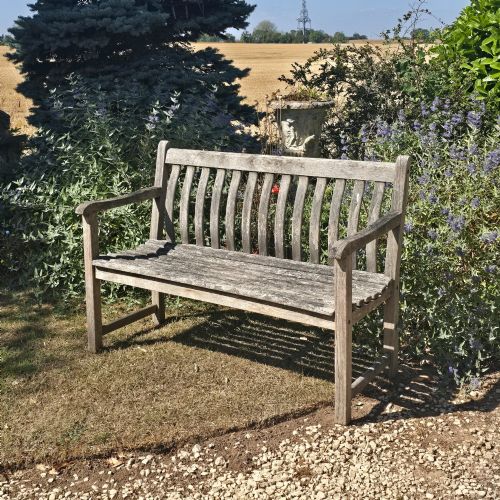
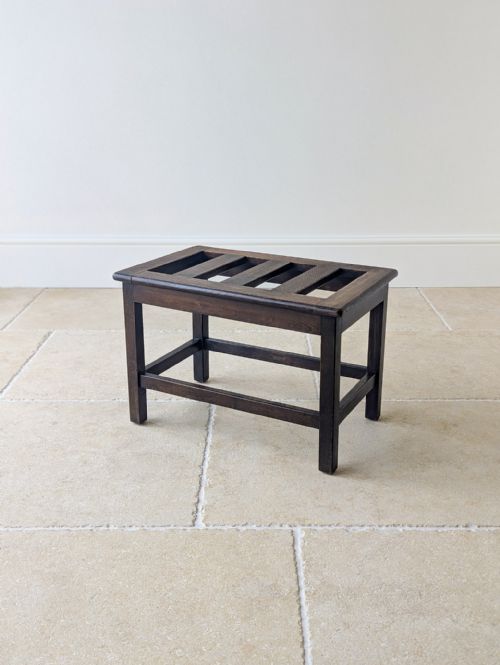
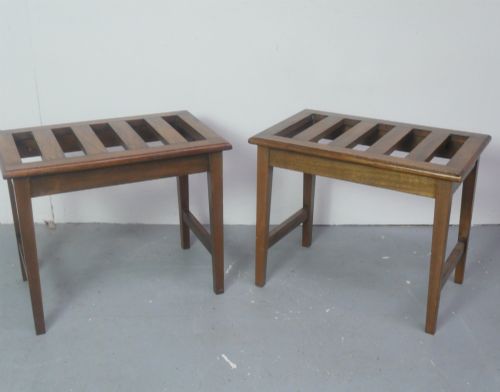
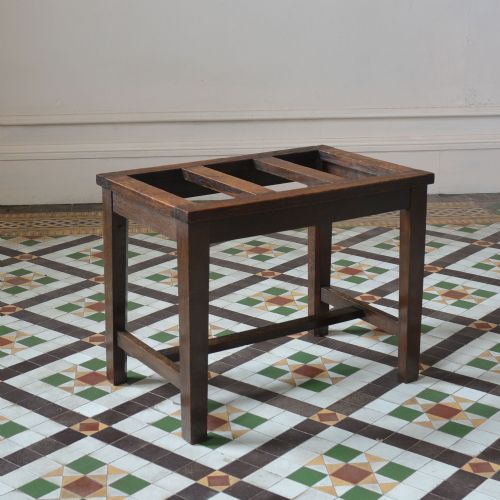
Indoor variations often serve as luggage racks or suitcase stands designed for bedrooms and dressing rooms, featuring folding legs or low platforms. Outdoor versions take the shape of sturdy park seats, garden benches, and tree surrounds built to withstand the elements.
The materials reflect the intended environment, with durable hardwoods utilised for domestic service and heavier weather-resistant timbers or metal frames chosen for outdoor relaxation.
Materials and construction methods
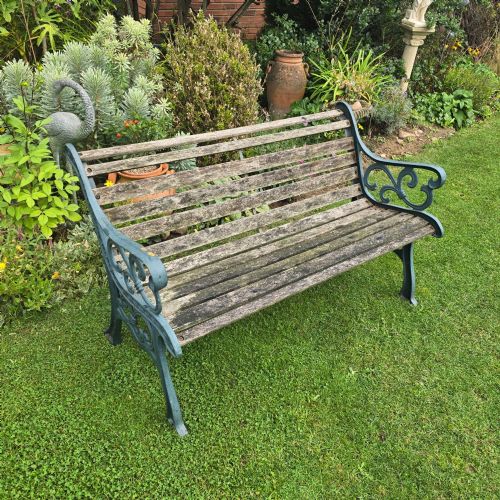
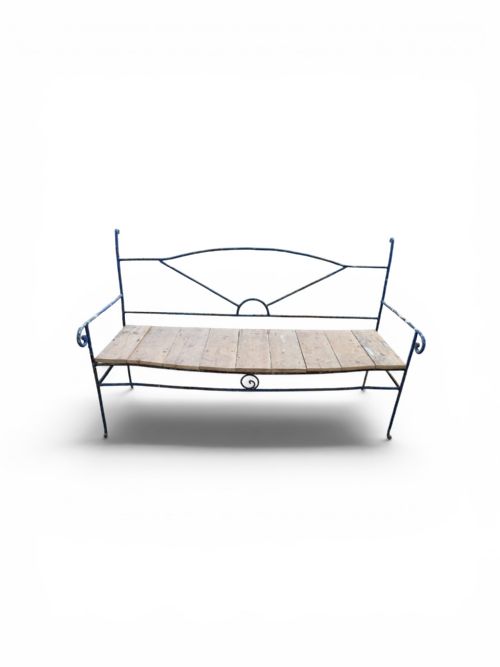
Craftsmen built these pieces using solid timbers such as oak, mahogany, walnut, and teak, frequently combining wooden slats with robust cast iron frames for exterior seating. Joinery methods relied on traditional framing and secure fixings to ensure stability under regular weight.
Interior luggage stands often incorporated folding mechanisms with textile webbing or hinged wooden slats designed for compact storage when not in use.
Wooden Slat Bench Retail Price Guide 2026
Typical asking prices for wooden slat bench among the pieces listed under this phrase on Sellingantiques today, from the lower quarter to the upper quarter. They describe what is for sale here now, not the wider market.
Some luggage stands once welcomed weary travellers in West End hotels before finding a quieter retirement in domestic bedrooms.
Distinctions in craftsmanship
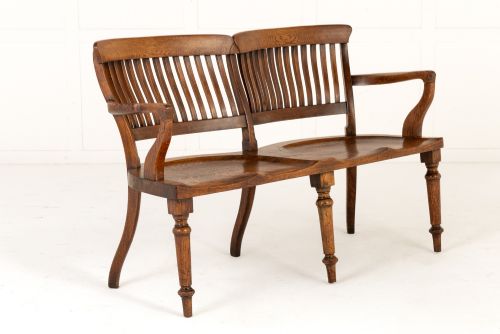
Quality reveals itself in the selection of timber and the rigidity of the slatted surface, where tightly spaced, substantial boards outperform thin, flexible laths. Superior examples show thoughtful proportion, careful joinery, and maker attribution rather than generic factory production.
Weathered garden pieces demonstrate quality through the natural silvering of durable teak or oak, while indoor stands rely on crisp mouldings, intact folding mechanisms, and rich polishes.
Brown & Lamont·Liberty·Beatty Bros Fergus Canada·Waring & Gillow
The Wooden Slat Bench Glossary
- Luggage stand
- A low folding or fixed rack with horizontal slats designed for holding suitcases in a guest bedroom. These pieces often feature raised rear upstands to protect walls.
- Slats
- Narrow strips of timber arranged in parallel rows to form the seat or surface of a bench or rack. This construction allows air circulation and prevents water pooling.
- Cast iron
- A strong, heavy alloy used for the structural ends and decorative frames of Victorian and Edwardian garden seating. It provides the necessary weight to anchor outdoor benches.
- Weathered
- The natural silver-grey patina acquired by outdoor timbers exposed to sun and rain over decades. This transformation indicates seasoned wood rather than recent manufacture.
- Upstand
- A raised barrier along the rear edge of a luggage rack or bench that prevents luggage or cushions from slipping backward.
Wooden Slat Bench: Frequently Asked Questions
Where should I use a wooden slat bench?
Indoor versions work well in guest bedrooms as luggage stands or in hallways as seating for putting on shoes. They provide compact utility without overwhelming smaller spaces.
Outdoor garden variants suit patios, lawns, or beneath trees where weather-resistant teak and cast iron can endure the seasons.
How do I care for weathered teak?
Weathered teak requires very little intervention because the natural silver-grey patina protects the underlying timber. Regular brushing removes surface debris and keeps the slats clean.
Avoid aggressive chemical treatments that strip the aged character, as the weathered finish is often the most desirable aspect.
Are folding luggage stands sturdy?
Folding luggage stands are engineered with cross-bracing and secure hinge mechanisms to support heavy suitcases safely. The slatted top distributes weight evenly across the frame.
Checking the tension of the joints ensures the stand remains stable during daily use.
How can I tell a Victorian bench from a later piece?
Victorian pieces typically display heavier timber dimensions, hand-cut joinery details, and robust cast iron frames with manufacturer registration marks. The patination on the wood often reveals deeper signs of age.
Later Edwardian and 1930s examples tend toward lighter proportions and alternative wood selections like polished oak.