


Wooden Sideboard with Mirror
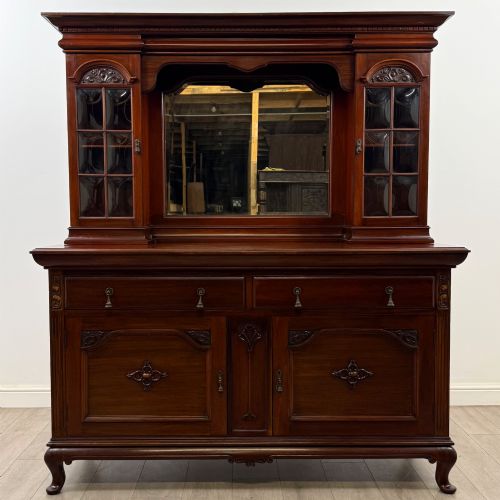
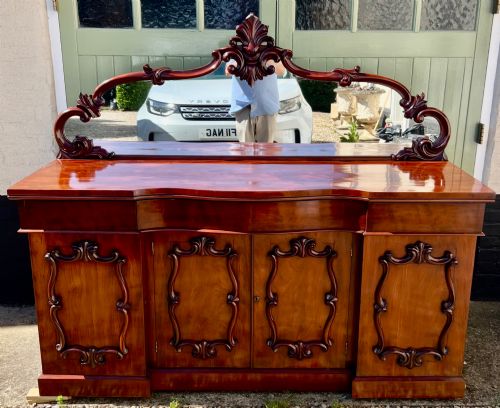
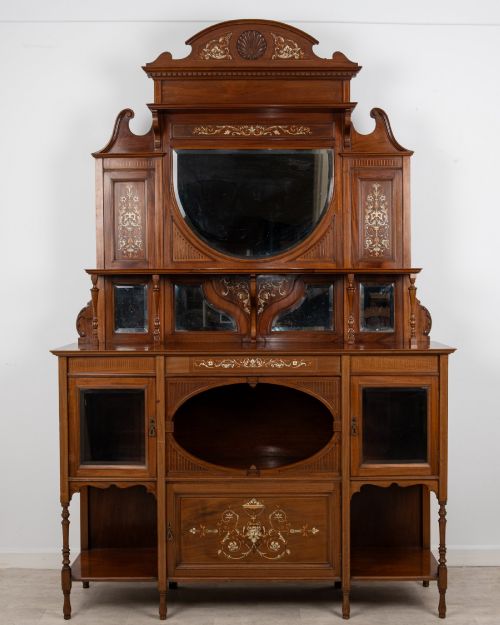
These wooden sideboard with mirror pieces combine substantial timber storage with integrated reflective glass, offering both everyday utility and period presence for the home.
Wooden Sideboard with Mirror
A wooden sideboard with mirror brings together practical cabinetry and decorative glass backings, spanning periods from the mid-nineteenth century through the early twentieth century. These architectural forms frequently combine substantial timber bases with carved or tiered mirror superstructures.
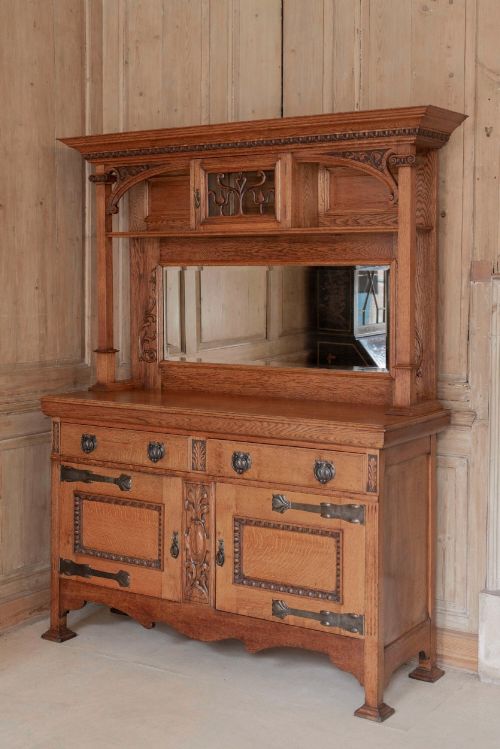
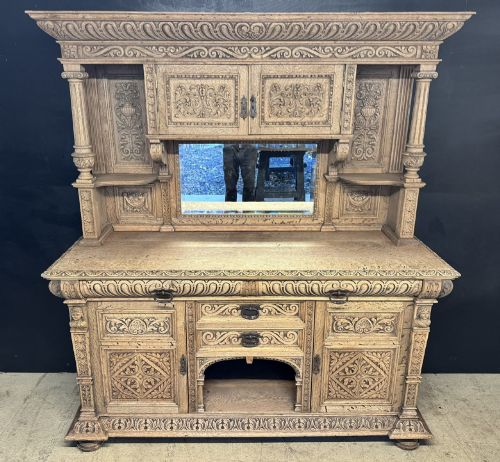
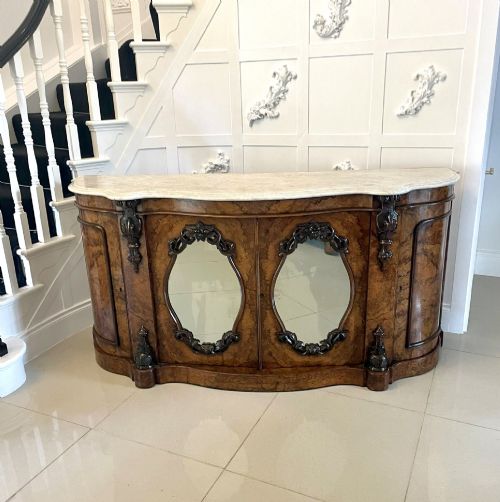
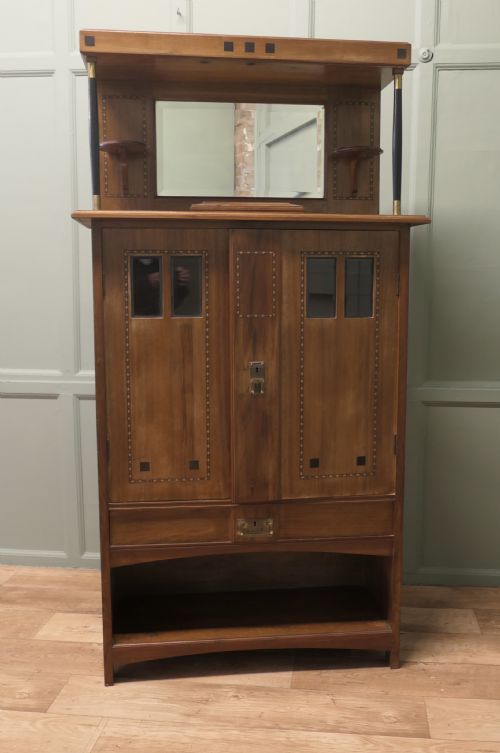
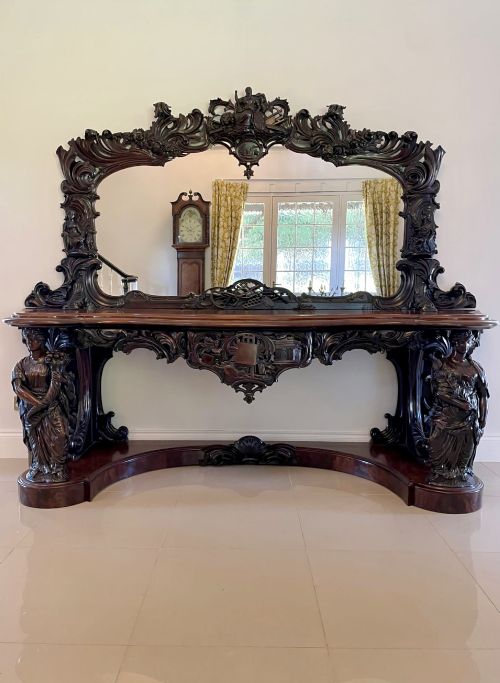
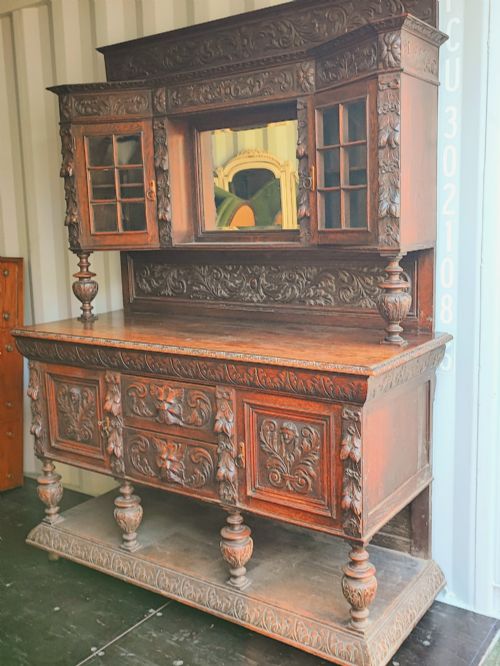
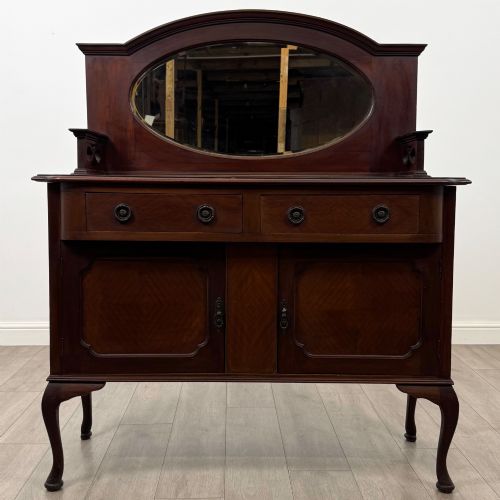
You will most commonly encounter Victorian and Edwardian examples on this page, ranging from heavy burr walnut and mahogany credenzas to lighter oak and walnut pieces. Styles stretch from restrained Arts and Crafts designs to ornate Jacobean and Chippendale revivals.
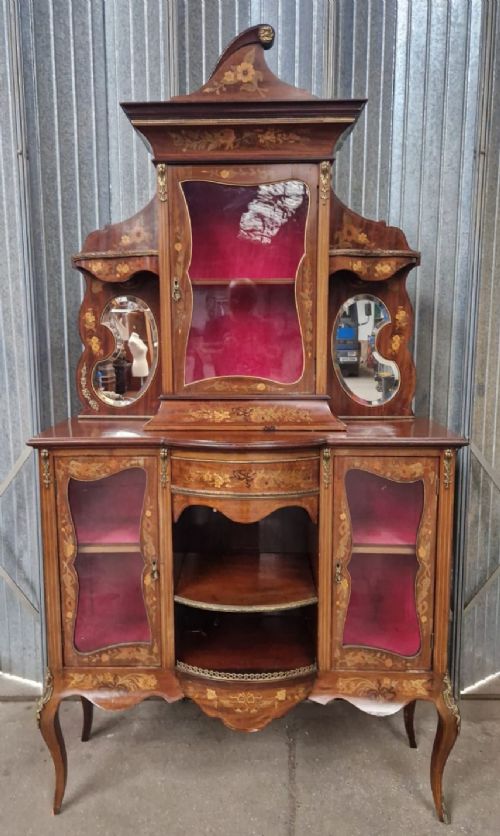
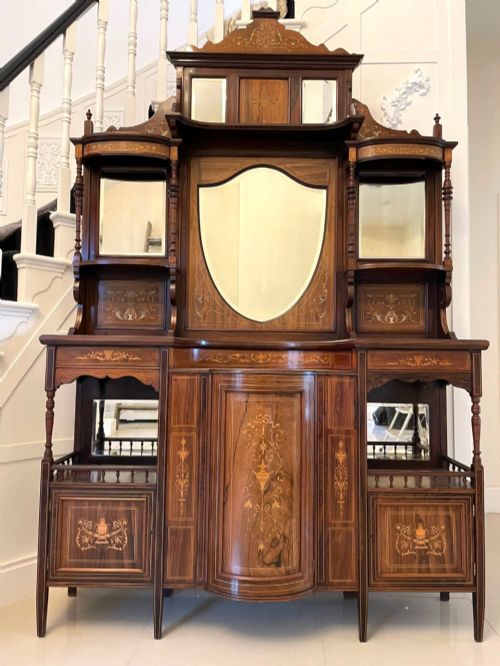
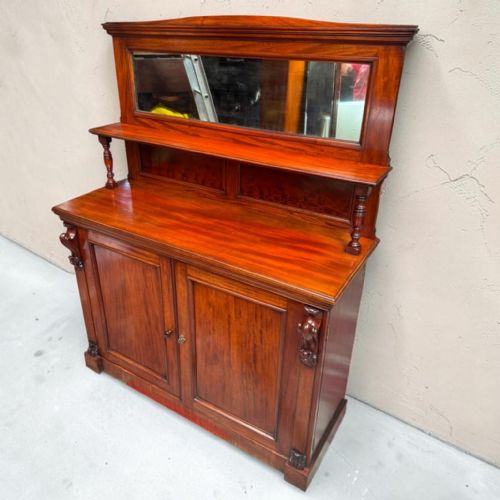
Formations vary from breakfront chiffonier pedestals to small washstands and cocktail display cabinets, yet all share the defining vertical glass element. The integration of mirror glass alters the perceived space of a room while displaying decorative objects effectively.
Materials and construction methods
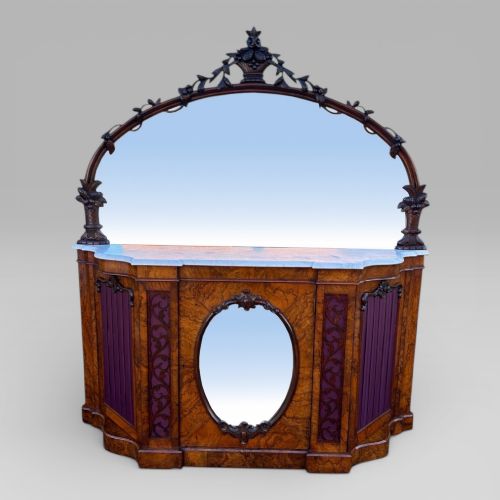
Makers utilised dense hardwoods such as oak, mahogany, and burr walnut for the primary structure, often applying intricate carvings or geometric mouldings to the timber surfaces. Marble tops appear on several substantial credenzas, providing a durable and cool contrasting counter surface.
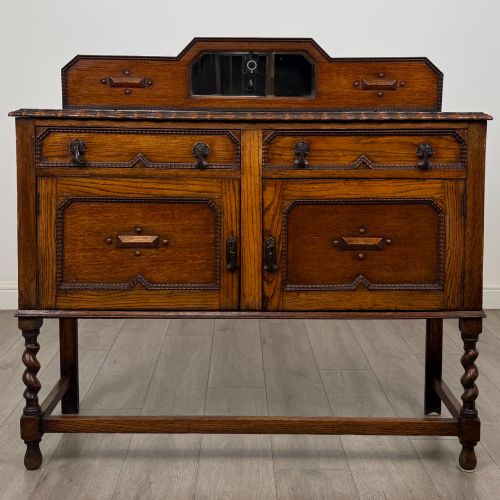
The vertical glass components utilise bevelled mirror glass secured within wooden frames or tiered superstructures, occasionally accompanied by brass hardware such as handles and hinges. Inlaid decorative marquetry and turned barley twist supports frequently punctuate the joinery.
Wooden Sideboard with Mirror Retail Price Guide 2026
Typical asking prices for wooden sideboard with mirror among the pieces listed under this phrase on Sellingantiques today, from the lower quarter to the upper quarter. They describe what is for sale here now, not the wider market.
Barley twist supports invite guests to trace the helical wooden grooves with an absent-minded thumb while waiting for dinner to be served.
Assessing craftsmanship and execution
Superior examples demonstrate meticulous timber selection, particularly in the figured grain of burr walnut or the depth of hand-carved mahogany and oak details. The integration of the mirror superstructure into the main cabinet body reveals the precision of the original joinery.
The quality of the mirror glass itself and the condition of integrated marble slabs distinguish exceptional pieces from standard production. Refined hardware choices and sophisticated revival styling further elevate the character of the finished cabinet.
The Wooden Sideboard with Mirror Glossary
- Credenza
- A low dining room cabinet or sideboard, frequently featuring a mirror back and marble top in Victorian iterations. These pieces often incorporate central cupboards flanked by pedestals.
- Chiffonier
- A compact sideboard or low cupboard, typically fitted with a raised shelf and mirror superstructure. This form developed during the nineteenth century for smaller reception rooms.
- Breakfront
- A piece of furniture whose central section projects forward from the flanking outer sections. This architectural arrangement creates depth and shadow across the timber facade.
- Marquetry
- Decorative veneer patterns formed by fitting together small pieces of different coloured woods. Craftsmen applied this technique to enhance the visual appeal of drawer fronts and cabinet doors.
- Barley twist
- A type of turning shaped like a helix, resembling a twisted rope or barley sugar. This decorative support column appears frequently on oak furniture from the later revival periods.
Wooden Sideboard with Mirror: Frequently Asked Questions
Where should I place a wooden sideboard with mirror?
These pieces suit dining rooms, hallways, or spacious living areas where the reflective glass can capture and amplify natural light. Ensure the wall and floor space can accommodate both the low cabinet depth and the height of the mirror superstructure.
Position the cabinet away from direct, prolonged sunlight to protect vulnerable polished wood surfaces and delicate veneer work. Allowing sufficient clearance around the piece ensures the carved details and proportions remain visible.
How do I care for the mirror glass?
Clean the glass gently using a soft cloth and a minimal amount of mild glass cleaner applied to the cloth rather than directly sprayed. This prevents moisture from seeping behind the glass plate or damaging the surrounding wooden frame.
Inspect the edges of the mirror periodically for signs of foxing or silver degradation, which occurs naturally with age. Preserving the original glass contributes significantly to the character and authenticity of the piece.
How do I distinguish Edwardian from Victorian pieces?
Victorian examples generally feature heavier timbers such as burr walnut and mahogany, accompanied by dark finishes, elaborate carvings, and sometimes marble tops. The overall aesthetic tends toward formal grandeur and ornate detailing.
Edwardian pieces often utilise lighter oak or walnut, reflecting the shift towards brighter interiors influenced by the Arts and Crafts movement. The silhouettes become simpler, favouring clean lines and restrained decorative elements.
Can I use a washstand as a sideboard?
Smaller washstands with marble tops and mirror backs adapt well to modern living spaces as compact serving surfaces or hallway display consoles. Their heritage as washing furniture does not restrict their utility in contemporary settings.
The durable marble surface resists moisture and general wear, making these versatile items practical for holding drinks, keys, or decorative objects.