

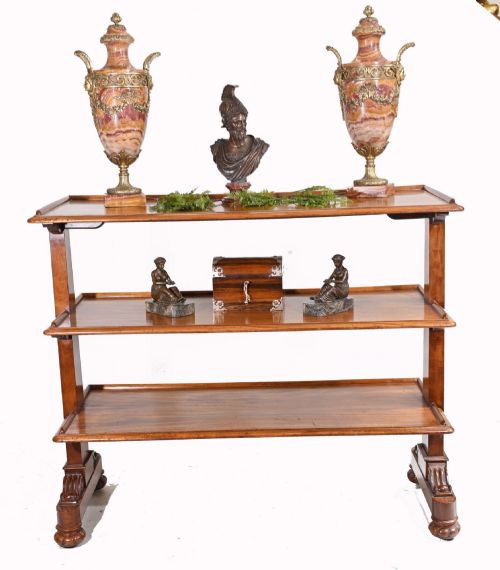
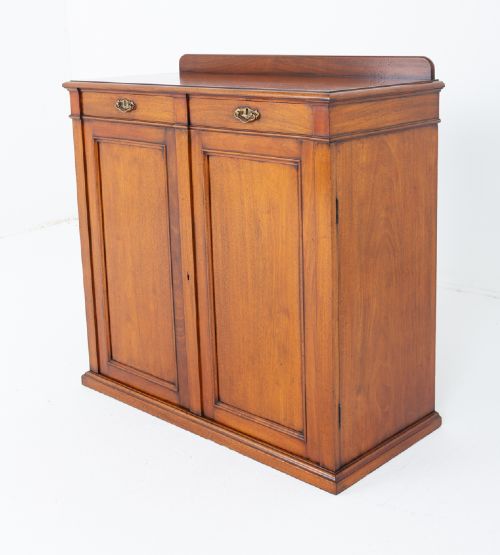
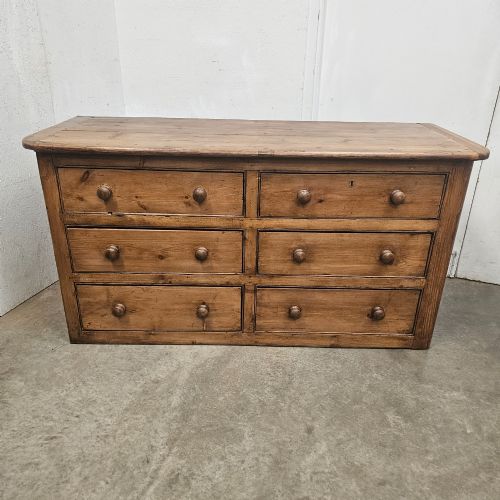
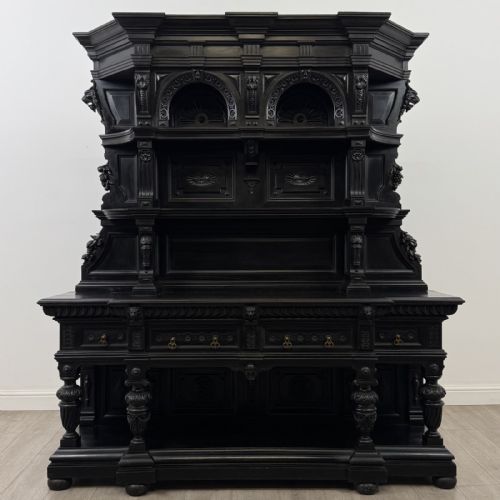
Wooden Sideboard Unit
These wooden sideboard unit options span centuries of cabinetmaking, offering sturdy storage and characterful grain for dining rooms and hallways.
Wooden Sideboard Unit
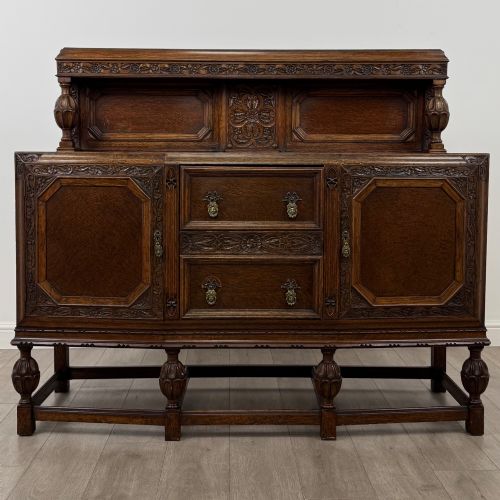
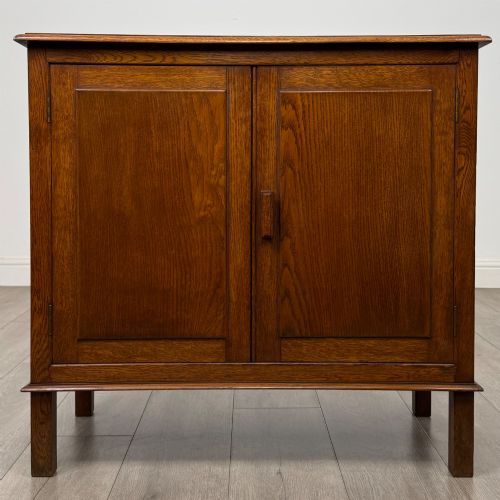
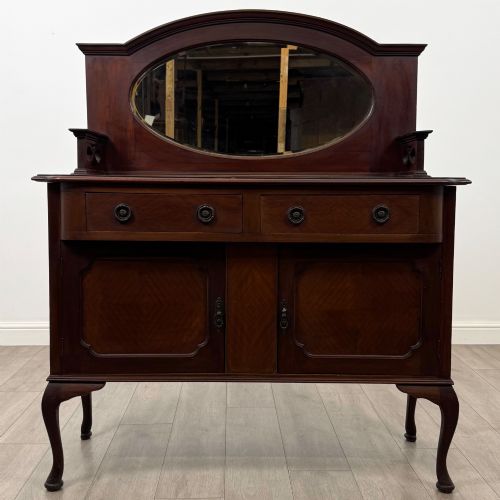
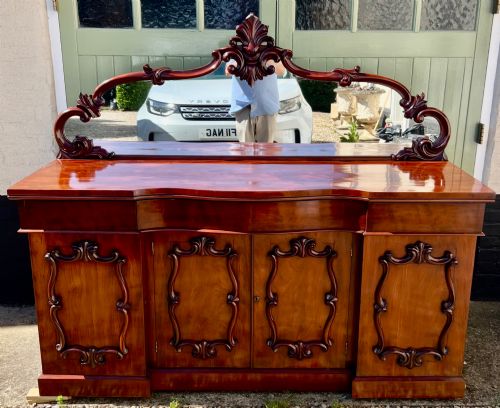
A wooden sideboard unit serves as a functional storage anchor in a room, taking forms such as cupboards, dressers, and buffets. When searching for a wooden sideboard unit, buyers frequently encounter Edwardian and Victorian oak or mahogany examples equipped with drawers and shelved interiors.
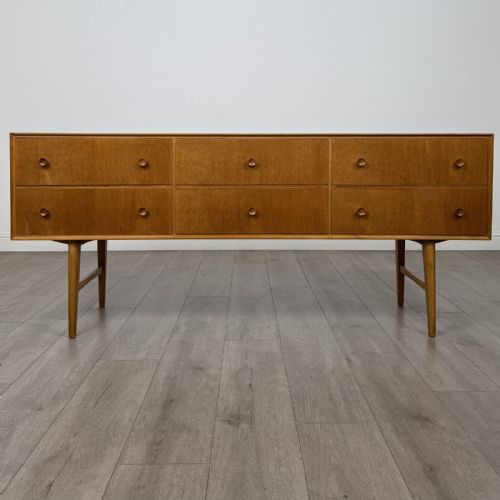
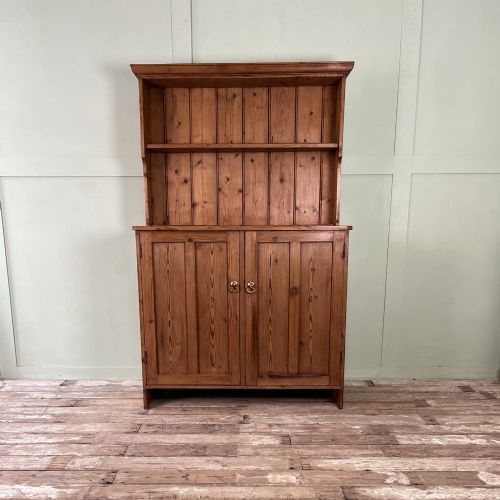
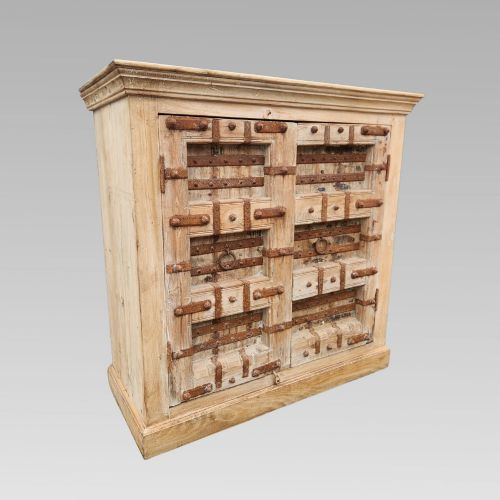
The selection ranges from early country oak dressers to mid-century modern designs and French provincial walnut buffets. Pieces often feature practical additions like mirror backs, raised galleries, or brass face handles.
Originating across Britain, Europe, and further afield, these items adapt easily to contemporary homes needing substantial storage furniture. They provide a grounding architectural presence alongside everyday utility.
How they were made
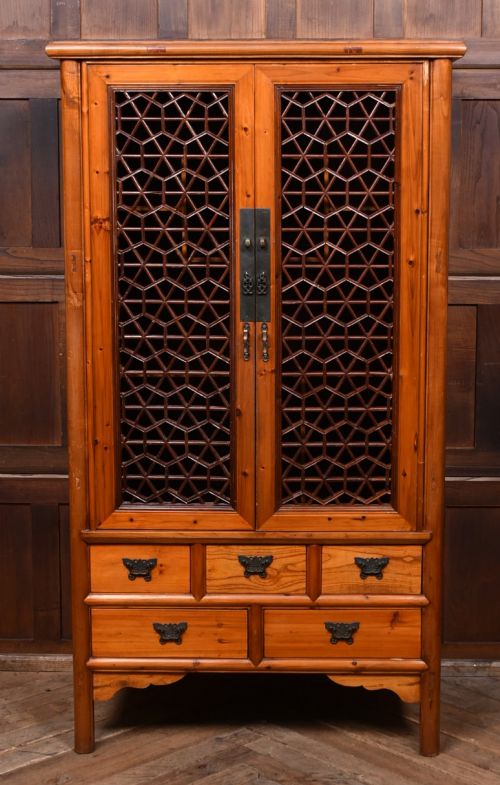
Cabinetmakers utilised solid timbers such as oak, mahogany, pine, and walnut, often applying wood veneer or ebonised finishes for decorative effect. Construction methods relied on traditional joinery to build durable frames capable of supporting heavy crockery and linens.
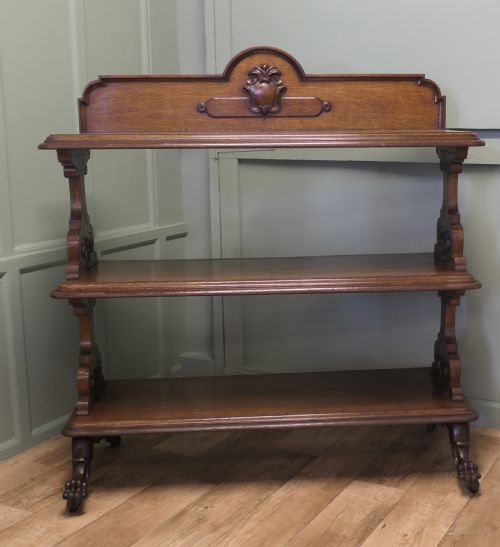
Surface detailing involved carved elements like lion mask motifs, raised galleries, marble tops, and satinwood inlay. Hardware commonly included brass handles and original castors, reflecting the prevailing style of each period from Georgian revival to arts and crafts.
Wooden Sideboard Unit Retail Price Guide 2026
Typical asking prices for wooden sideboard unit among the pieces listed under this phrase on Sellingantiques today, from the lower quarter to the upper quarter. They describe what is for sale here now, not the wider market.
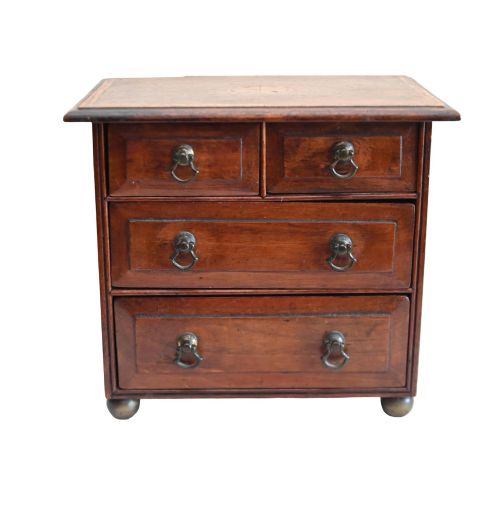
Apprentice chests allowed young woodworkers to demonstrate their mastery by crafting miniature masterpieces.
What varies in quality
Quality rests on the selection of timber and the precision of the cabinetmaker's joinery rather than mere age. Pieces featuring refined hand-carving, such as distinct lion mask details or crisp satinwood inlay, demonstrate greater artisan skill.
The integrity of secondary elements like brass handles, original castors, and intact mirror backs influences the overall character. Heavy country pine items rely on honest utilitarian construction, whereas formal mahogany and walnut pieces showcase sophisticated proportion and finish.
Gillows·Whytock and Reid
The Wooden Sideboard Unit Glossary
- Buffet
- A low sideboard or serving table designed for dining rooms. It usually includes cupboards or drawers for storing tableware.
- Chiffonier
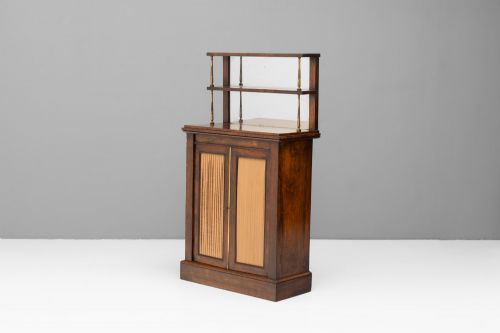
- A compact sideboard popular in the nineteenth century. It frequently incorporates a small shelf superstructure on top of a low cupboard.
- Dresser
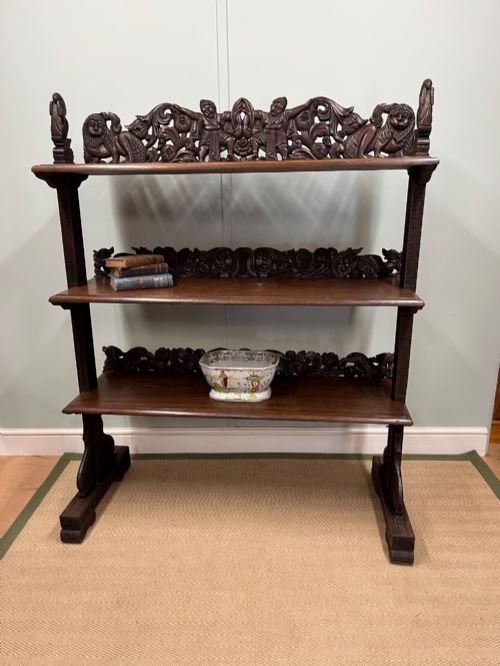
- A piece combining shelving or a rack with base cupboards or drawers. Country examples often display ceramic plates on open upper shelves.
- Washstand
- A bedroom or dressing room cabinet designed to hold a wash basin. Many feature marble tops and tiled splashbacks to protect surrounding woodwork.
- Ebonised
- Wood treated with a dark stain or finish to imitate ebony. This technique gained prominence during the Victorian era for dramatic contrast.
Wooden Sideboard Unit: Frequently Asked Questions
Where should I place a wooden sideboard unit?
These units suit dining rooms, living spaces, and wide hallways where you need surface space and concealed storage. Measure your wall length and clearance for opening doors or drawers before placement.
Position the piece away from direct heat sources to protect the timber and veneer from drying out or splitting over time.
How do I care for antique wooden furniture?
Dust the surfaces regularly with a soft, dry cloth to prevent dirt accumulation. Apply quality beeswax periodically to nourish unsealed or waxed wood finishes.
Avoid using harsh chemical sprays or placing wet items directly onto antique timber surfaces to preserve the original polish.
What is the difference between a sideboard and a buffet?
Sideboards generally feature a longer body with a combination of cupboards and drawers intended for general storage. Buffets historically focused on serving food and often stand slightly lower or feature tiered surfaces.
Both terms overlap considerably in older listings, so inspect the interior layout and dimensions to confirm suitability.
How do I identify Edwardian sideboards?
Edwardian pieces often display lighter oak or mahogany construction with restrained carving and satinwood inlay. They frequently incorporate mirror backs or raised galleries influenced by arts and crafts design.
Hardware on these pieces typically includes pressed brass handles and simpler decorative motifs compared to heavier Victorian predecessors.