









Wooden Shop Fitting
Wooden shop fitting pieces are functional commercial antiques spanning the nineteenth and early twentieth centuries, sought after for their robust construction and practical storage.
Wooden Shop Fitting
When you search for a wooden shop fitting, you encounter a range of commercial furniture including banks of drawers, display cabinets, counters, and hat stands originating from Victorian and Edwardian retail environments.
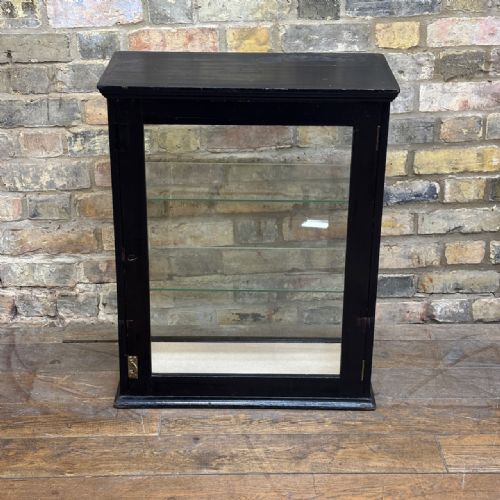
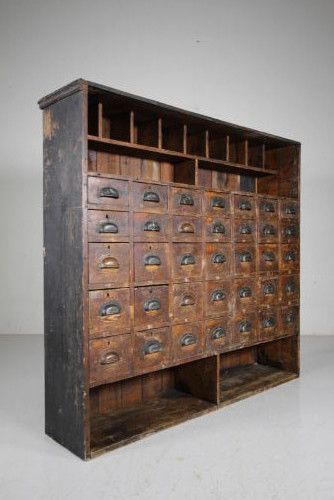
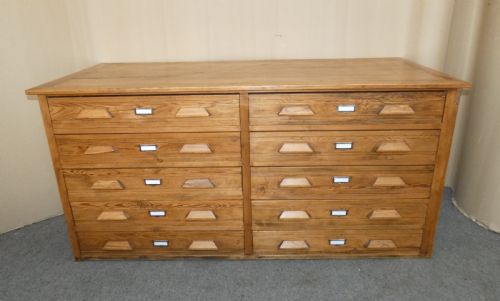
The pieces on this page are dominated by multi-drawer haberdashery units, chemist fittings, drapers tables, and countertop display cases from the nineteenth century up to the 1930s.
Form follows function closely in these items, designed originally for trade use by milliners, drapers, and grocers, which now serve domestic interiors for storage and display.
How they were made
Makers utilised timber such as pine, mahogany, oak, fruitwood, and pitch pine, often pairing solid wood carcases with brass fittings, cast iron hardware, and glazed panels.
Joinery techniques focus on durability and daily commercial wear, visible in dovetailed drawer construction, panelled doors, and adjustable internal shelving systems.
Wooden Shop Fitting Retail Price Guide 2026
Typical asking prices for wooden shop fitting among the pieces listed under this phrase on Sellingantiques today, from the lower quarter to the upper quarter. They describe what is for sale here now, not the wider market.
Recorded periods range from the nineteenth century, through Victorian and Edwardian eras, up to the 1930s.
What varies in quality
Quality depends upon the integrity of the original commercial hardware, such as brass pulls, glazed panels, and manufacturer branding, alongside the choice of timber.
Finer examples retain their original painted surfaces, working locks, and maker details, whereas utilitarian pieces show heavier structural adaptation from decades of trade use.
Luxmore's of Ilfracombe·G H Gledhill Halifax·Saml. Elliott & Sons
The Wooden Shop Fitting Glossary
- Haberdashery cabinet
- A multi-drawer storage unit originally used in drapery shops for ribbons and small sewing goods. These feature numerous shallow drawers, often with glass fronts.
- Drapers table
- A long sturdy table utilised in fabric retail for measuring and cutting cloth. They are typically constructed from French pine or oak.
- Countertop display cabinet
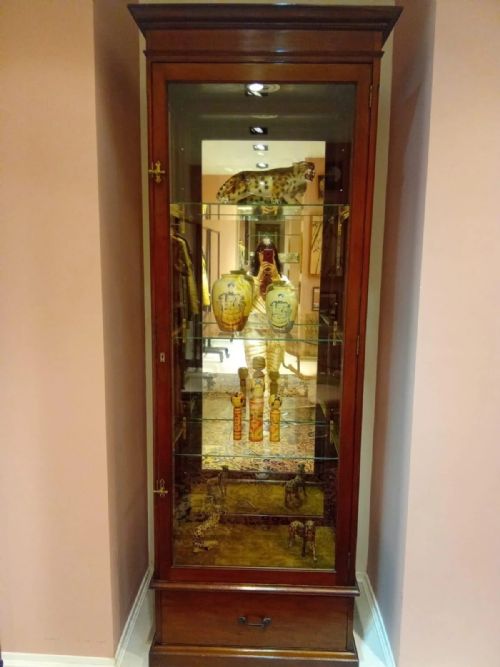
- A glazed showcase placed upon a shop counter to display small goods to customers. They often incorporate brass frames and adjustable shelving.
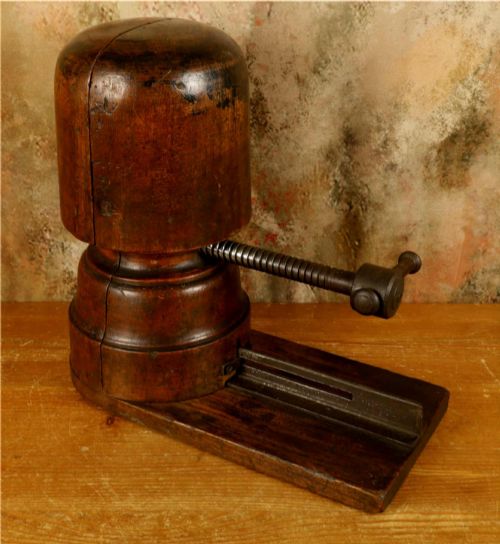
- Hat stretcher
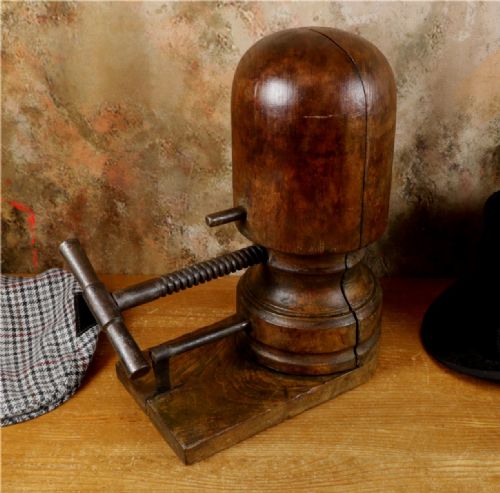
- A specialist wooden tool used by milliners to shape hats. Examples double as display stands.
- Epicerie steps
- Wooden shelving units originating from French grocery shops for displaying provisions. They provide tiered access to goods.
Wooden Shop Fitting: Frequently Asked Questions
What are wooden shop fittings used for today?
These pieces provide substantial storage and display capacity in modern homes. Banks of drawers and cabinets suit kitchens, studies, and living spaces.
Their commercial origins mean they are built to withstand heavy daily use, making them practical for organising clothes, kitchenware, or collections.
How do I identify a Victorian shop fitting?
Victorian pieces typically display dense hardwoods like mahogany or pitch pine, traditional dovetail joinery, and heavy brass hardware. Stylistic cues align with nineteenth-century cabinet making.
Many bear original maker stamps, hardware manufacturer plaques, or period retail labels that connect the item to its commercial history.
Are haberdashery cabinets suitable for modern clothing?
Haberdashery cabinets feature shallow drawers originally designed for ribbons, threads, and small accessories. While some drawers accommodate folded garments, others are best suited for smaller items.
Measuring the internal drawer dimensions before purchase ensures the storage fits your specific clothing or collection requirements.
What is the difference between a drapers table and a shop counter?
A drapers table is an open, long wooden table designed for cutting fabric, often featuring minimal lower framing or simple stretchers. A shop counter is a closed unit with drawers or panelled sides facing the customer.
Counters frequently incorporate workspace tops and secure storage on the assistant side, whereas tables remain accessible from all sides.