



Wooden Shelf Ends
These wooden shelf ends and associated small furniture pieces bring character and period charm directly to your home.
Wooden Shelf Ends
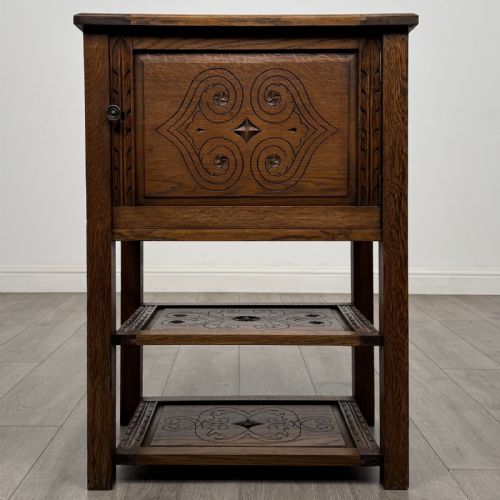
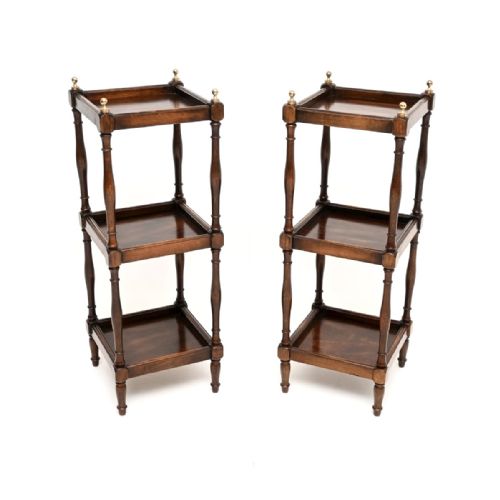
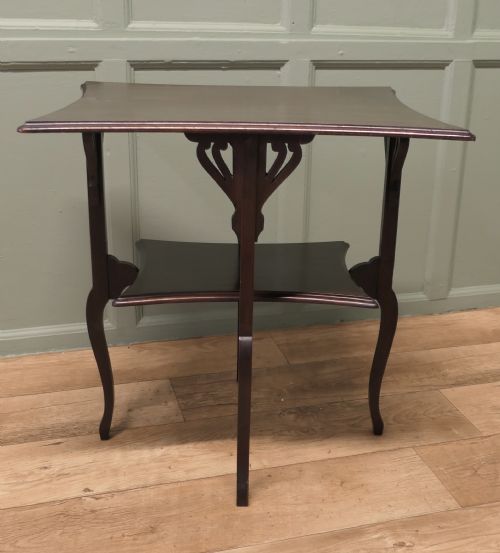
When you search for wooden shelf ends, you are looking for practical and decorative items that support your books and organise your living spaces. The examples you encounter on this page span several distinct periods including the Victorian era, the Edwardian period, and the nineteen-twenties.
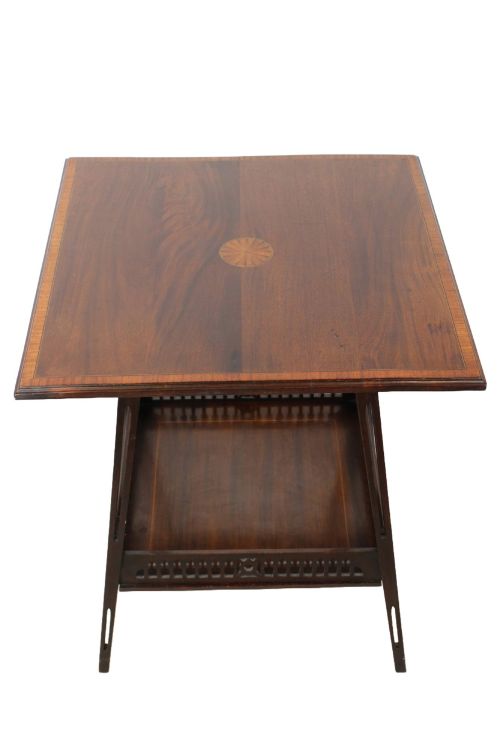
The pieces listed here encompass various forms such as occasional tables, side tables, bedside tables, and open bookcases. You will find items constructed from diverse materials including mahogany, oak, pine, and partridge wood, reflecting traditional craftsmanship.
Origins and styles represented in the current selection range from Jacobean Revival and Arts and Crafts to Rustic Country and Regency Style. Each piece offers a tangible connection to historical cabinet-making traditions.
How they were made
Craftsmen utilised solid timbers such as oak and mahogany, often enhancing the surfaces with wood inlay and brass details. These materials were selected for their durability and attractive grain patterns.
Construction techniques included traditional joinery methods suited to the period, alongside fretwork and carved ornamentation seen in Jacobean and Arts and Crafts examples.
Wooden Shelf Ends Retail Price Guide 2026
Typical asking prices for wooden shelf ends among the pieces listed under this phrase on Sellingantiques today, from the lower quarter to the upper quarter. They describe what is for sale here now, not the wider market.
What varies in quality
Quality in these items is determined by the selection of timber and the precision of the joinery. Superior pieces display carefully matched veneers, refined inlay work, and robust structural integrity.
The depth of hand-carving and the quality of applied brass fittings further distinguish finer examples from simpler utilitarian pieces.
Trevor Page and Co
The Wooden Shelf Ends Glossary
- Arts and Crafts
- A design movement valuing handcraftsmanship and simple forms over mass production. Pieces in this style often highlight the natural grain of oak or mahogany.
- Wood Inlay
- A decorative technique where small pieces of contrasting timber are fitted into the surface. This creates intricate patterns and borders on table tops and cabinet fronts.
- Partridge wood
- A dense, exotic hardwood known for its distinctive partridge-feather patterning. It was occasionally utilised for striking occasional furniture and bookcases.
Wooden Shelf Ends: Frequently Asked Questions
What periods do these pieces date from?
The selection includes items from the nineteenth century, the Victorian era, and the Edwardian period. Later examples extend into the nineteen-twenties and nineteen-thirties.
Each era brings distinct characteristics in timber choice, decorative inlay, and overall stylistic influence.
How do I identify Arts and Crafts furniture?
Arts and Crafts pieces emphasise visible construction and honest materials such as oak. They often avoid excessive ornamentation in favour of clean structural lines.
Fretwork and subtle hand-finishing are also common hallmarks of this particular design movement.
What woods were commonly used?
Makers frequently utilised mahogany and oak as primary structural and decorative timbers. Pine, satinwood, and exotic hardwoods like partridge wood also appear.
Brass fittings and painted finishes were often added to enhance the visual appeal of the piece.
How do I care for antique wooden furniture?
Maintain your wooden pieces by keeping them away from direct sunlight and extreme temperature fluctuations. Regular dusting with a soft cloth preserves the polished surface.
Applying a quality beeswax periodically helps nourish the timber and protects the historic finish.