



Wooden Reading Light
These wooden reading light pieces bring period warmth and practical illumination to a room, offering the sturdy elegance of earlier centuries.
Wooden Reading Light
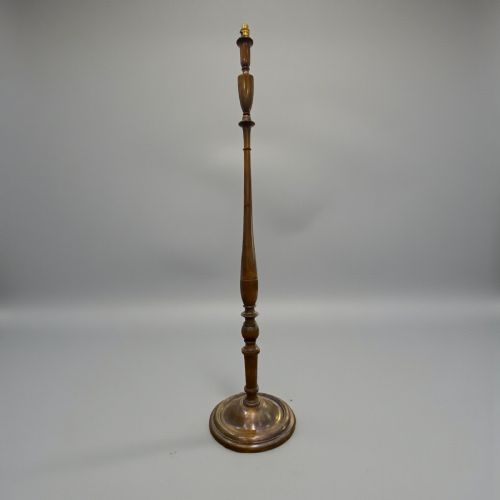
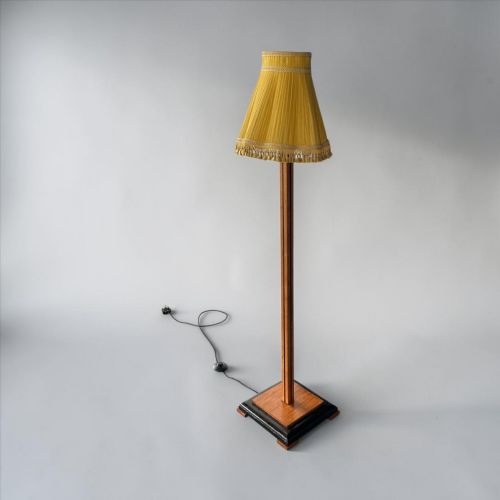
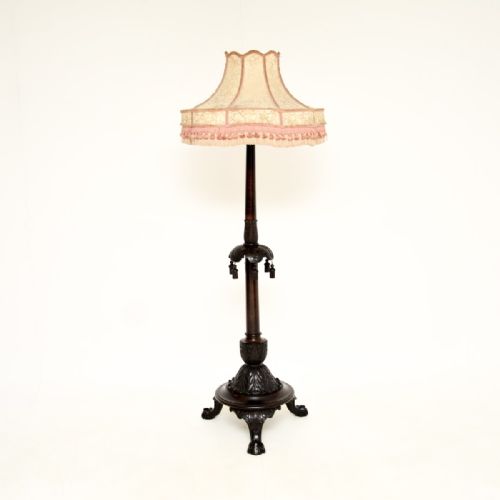
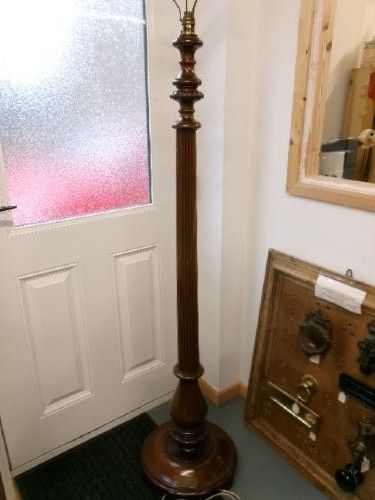
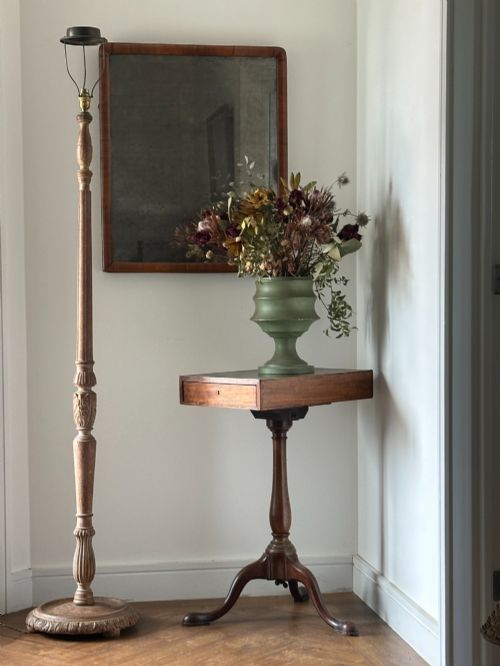
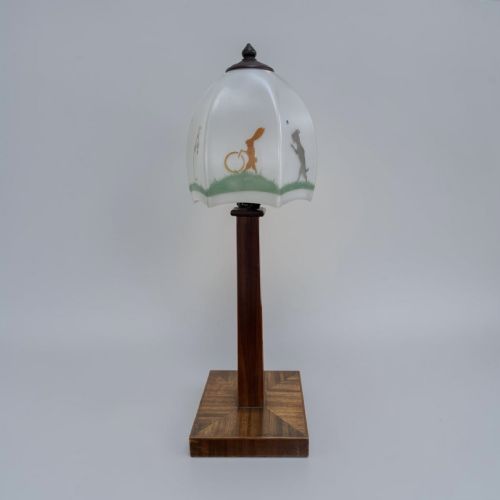
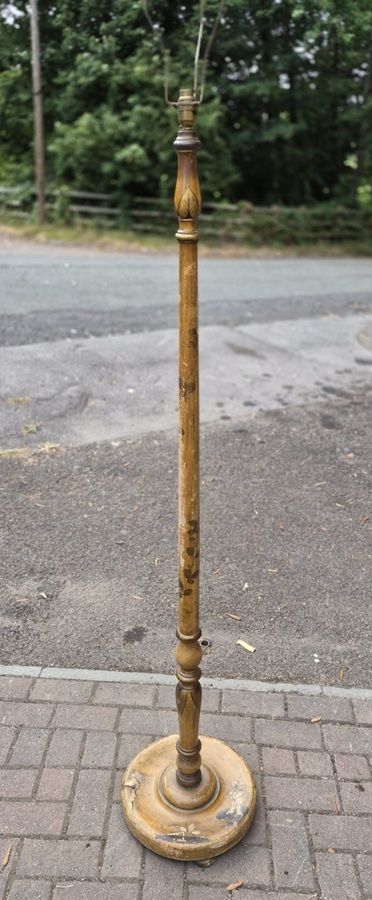
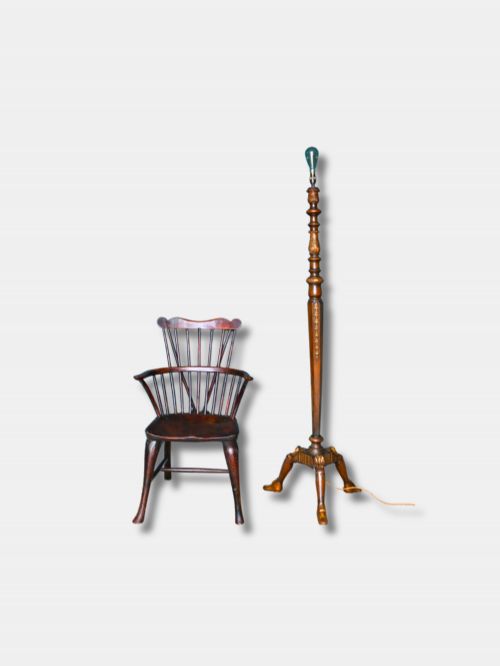
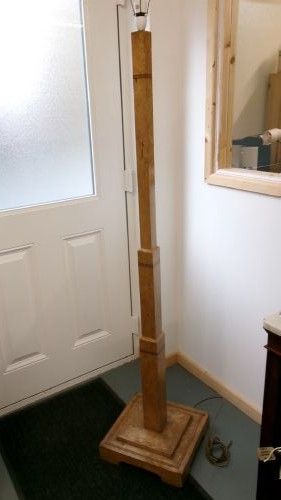
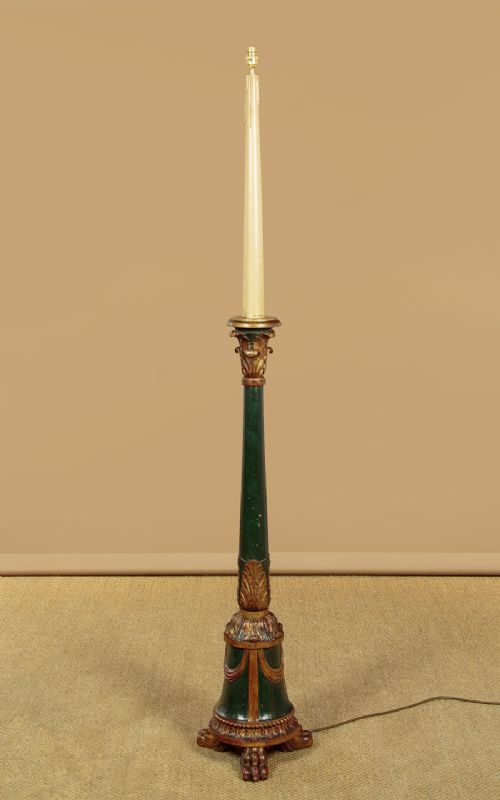
A wooden reading light typically takes the form of a standard lamp, floor lamp, or desk lamp designed to illuminate a specific space. Buyers searching for a wooden reading light will encounter various configurations ranging from tall floor models to smaller table and desk variants.
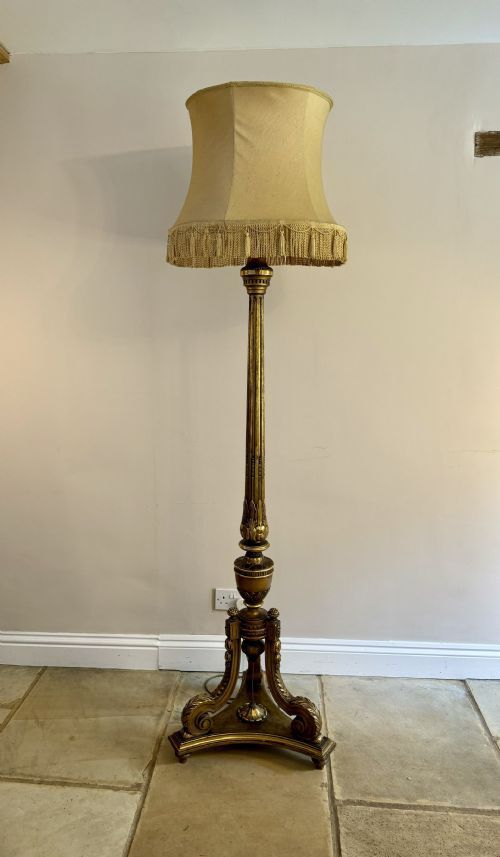
Tall standard lamps dominate the offerings, often featuring turned shafts or tripod bases. Desk lamps and converted lamp tables also emerge, providing focused illumination suited to writing or reading tasks.
Materials and construction methods
Cabinet makers utilised dense hardwoods such as oak, mahogany, and walnut to construct the primary vertical shafts and bases of these lamps. Turning and carving techniques created fluted columns, tripod supports, and decorative motifs characteristic of the Victorian and Edwardian periods.
Metal components like brass hardware and toleware shades integrate with the timber structures, while giltwood and parcel gilt finishes add reflective surface detail. Fabric elements complete the fixtures, softening the light output.
Wooden Reading Light Retail Price Guide 2026
Typical asking prices for wooden reading light among the pieces listed under this phrase on Sellingantiques today, from the lower quarter to the upper quarter. They describe what is for sale here now, not the wider market.
Several upright timbers began life holding candles before welcoming modern wiring into their ancient cores.
Distinctions in quality and execution
The calibre of timber selection and depth of carving separate standard examples from finer works. Master cabinet makers employed carefully figured walnut or mahogany, ensuring grain patterns enhance the visual weight of the standard lamp.
Fine joinery at the tripod or circular base ensures structural stability for tall vertical shafts. Subtle decorative details, such as parcel gilt accents or ebonised contrasting elements, indicate higher workshops.
Whytock and Reid
The Wooden Reading Light Glossary
- Standard Lamp
- A tall floor-standing lamp designed to support a shade and illuminate a room from a standing position. These pieces often serve as the main lighting feature in a seating area.
- Torchere
- A tall ornamental stand, sometimes adapted to house a lamp fitting. Originally intended to hold a candle or torch, these slender pieces elevate the light source.
- Toleware
- Painted or enamelled sheet metal frequently used for desk lamp shades and canisters. This material provides a durable, coloured contrast to wooden bases.
- Parcel Gilt
- Partially gilded woodwork where gold leaf highlights specific carved details or raised mouldings. This technique adds contrast against the dark mahogany or walnut body.
- Tripod Base
- A three-legged support system providing stability for tall lamp standards. This configuration prevents tipping on uneven floorboards.
Wooden Reading Light: Frequently Asked Questions
What is a standard lamp?
A standard lamp is a tall floor-standing lighting fixture designed to hold a shade at eye level. These pieces provide ambient or reading illumination without requiring table space.
Most examples feature a weighted base, a vertical timber shaft, and wiring routed internally or externally through the column.
How do I date a wooden lamp?
Dating relies on identifying the prevailing style, such as Art Deco geometric lines or Victorian carved mahogany motifs. Timber choices and turning patterns also offer clues to the decade of manufacture.
Examining the wiring methods and plug types can provide secondary evidence, though many older lamps have undergone rewiring for modern safety standards.
Where should I place a floor lamp?
Floor lamps fit well beside armchairs, sofas, or in dark corners that require vertical height and downward illumination. Their slender shafts take up minimal floor space while distributing light effectively.
Ensure the base sits on a stable surface, as tall wooden standards require adequate balance against accidental knocks.
Are these lamps converted from other objects?
Some historical pieces originate as candlesticks, vases, or torchere stands that later received electrical fittings. Adaptations are common in antique lighting as domestic habits shifted from candles to electricity.
Look for evidence of previous use at the top of the shaft where fittings were added to accommodate modern bulb holders.