



Wooden Reading Lamp Stand
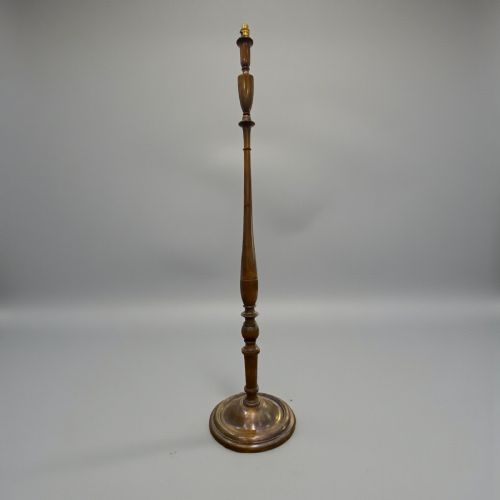
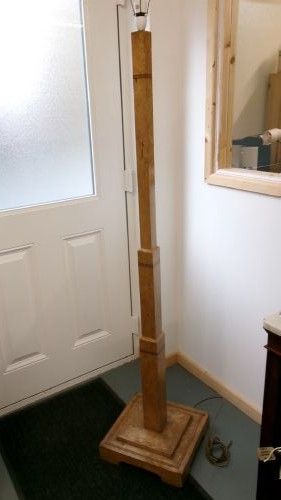
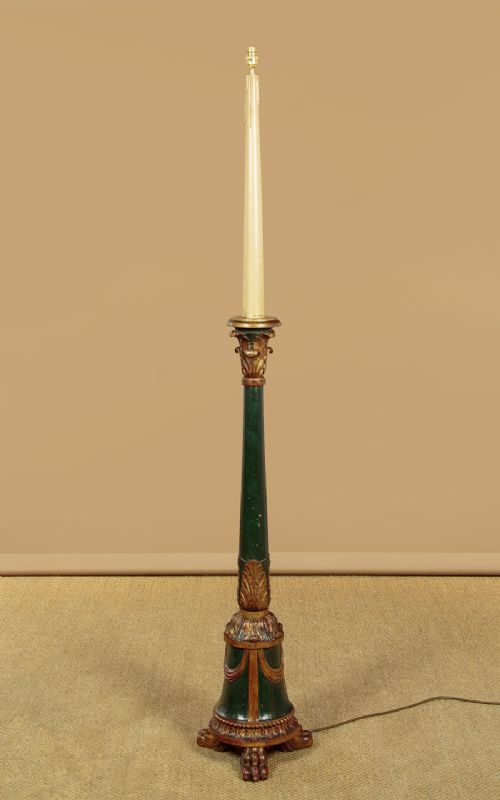
These wooden reading lamp stand examples combine practical illumination with sculptural presence, offering a grounded period focal point for a study or sitting room.
Wooden Reading Lamp Stand
When searching for a wooden reading lamp stand, you are looking at substantial upright lighting fixtures designed to hold a shade and direct light over a chair or desk. The pieces listed under this phrase span the nineteenth century through the interwar years, encompassing standard lamps and floor lamps.
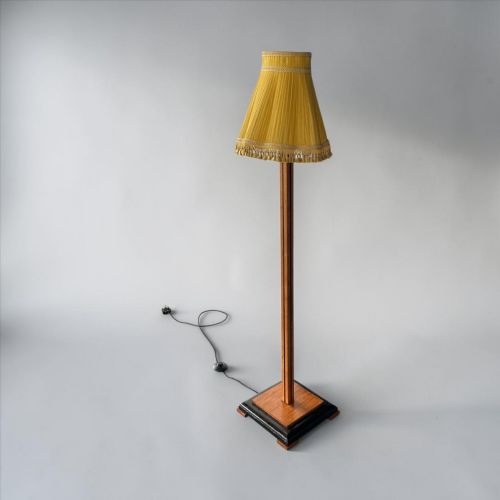
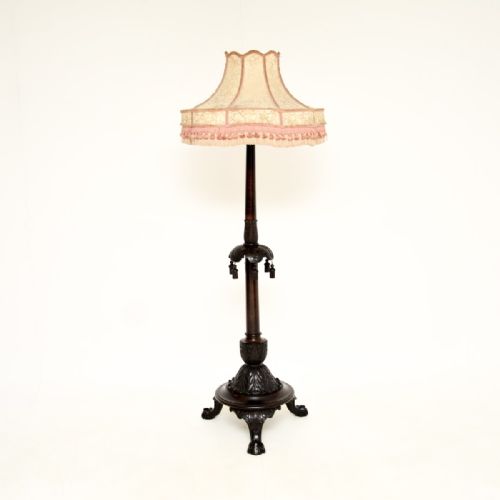
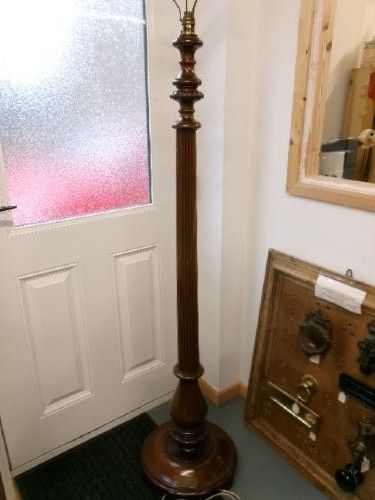
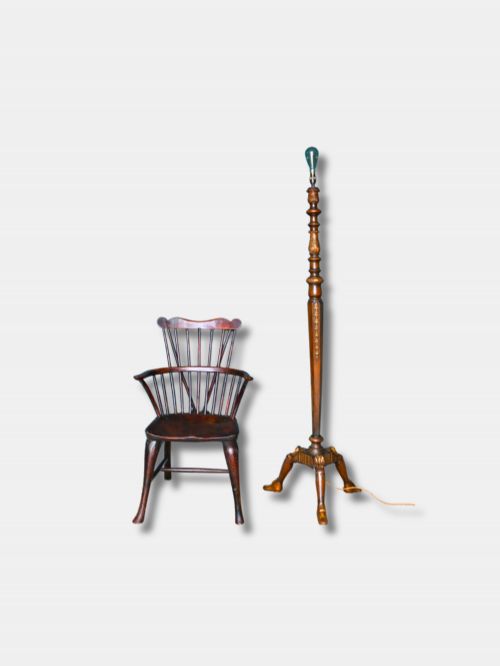
The version you are most likely to meet on this page is an upright standard lamp from the nineteen twenties or nineteen thirties. These examples utilise timbers such as walnut, oak, and mahogany, often standing on tripod bases or weighted circular feet.
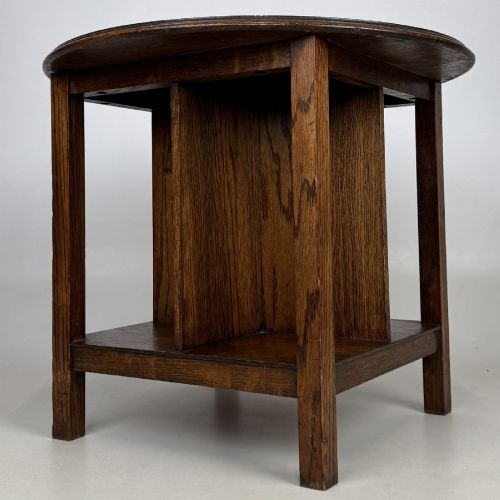
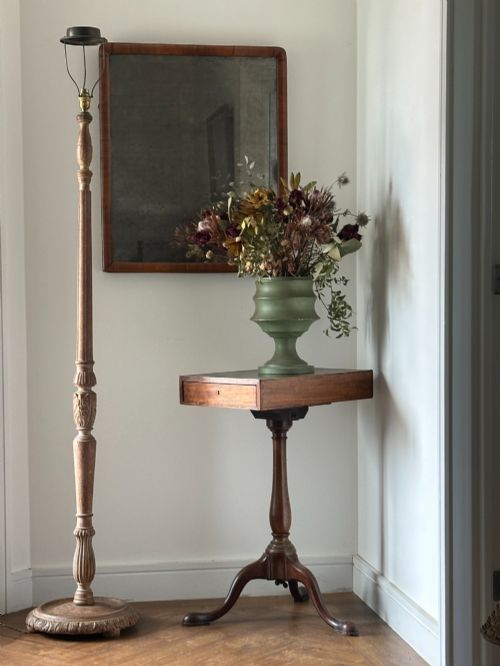
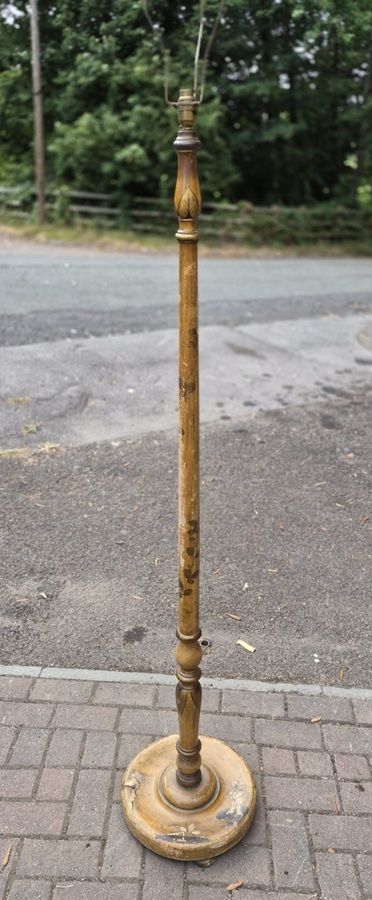
Other variations appearing in the evidence include Edwardian Chinoiserie styles, painted wooden finishes, and converted table stands or torchere forms. Each piece brings specific period characteristics to a room, ranging from simple cottage proportions to elaborate revival designs.
Materials and construction methods
The construction of these stands relies heavily on turning and carving dense hardwoods. Craftsmen selected walnut, oak, mahogany, and rosewood for their strength and grain patterns, occasionally applying parcel gilt, paint, or giltwood finishes to the timber surface.
Many stands incorporate secondary metals such as brass fittings or accents alongside the primary wooden structure. Fabric shades typically complete the composition, while wiring and electrical components have often been updated or adapted from earlier oil or gas configurations.
Wooden Reading Lamp Stand Retail Price Guide 2026
Typical asking prices for wooden reading lamp stand among the pieces listed under this phrase on Sellingantiques today, from the lower quarter to the upper quarter. They describe what is for sale here now, not the wider market.
Listings feature walnut, oak, mahogany, and giltwood timbers across periods from the nineteenth century to nineteen thirty.
Distinctions in quality
The difference between standard production and superior pieces lies in the crispness of the carving and the choice of timber figure. Higher quality examples display well-figured walnut or oak with precise decorative detailing such as reeding, fluting, or parcel gilt highlights.
Stability and proportion also separate the grades of these stands. A well-balanced base, secure joints, and harmonious vertical proportions distinguish a thoughtfully made piece from a purely utilitarian item.
Heals·Whytock & Reid
The Wooden Reading Lamp Stand Glossary
- Standard lamp
- A tall floor-standing lamp designed to provide ambient or reading light. These pieces usually feature a heavy base and a tall column supporting a shade.
- Torchere
- A tall ornamental stand or floor lamp, originally intended to carry a torch or candle. In later periods, these forms were adapted to hold electric lamp fittings.
- Tripod base
- A support structure resting on three feet or legs. This configuration provides stable ground contact for tall upright furniture forms.
Wooden Reading Lamp Stand: Frequently Asked Questions
How do I date a wooden reading lamp stand?
Dating relies on identifying stylistic markers such as Art Deco geometric lines, Edwardian Chinoiserie motifs, or Victorian carved mahogany details. Timber choices and turning methods also offer clear clues to the decade of manufacture.
Examining the construction joints and any remaining original fittings helps confirm whether a piece belongs to the nineteenth century or the interwar period.
Are these lamps safe to use today?
Many vintage and antique stands have been rewired or converted from earlier lighting systems to meet modern electrical standards. It is standard practice to check the internal wiring and plug before daily use.
Qualified professionals can easily update the flex and lamp holders while preserving the historic timber exterior.
Can I change the lampshade style?
Most stands accept a variety of shade fittings depending on the specific harp or carrier attached to the top. Selecting a shade that matches the proportion of the wooden column is essential for visual balance.
Fabric shades in simple pleated or drum shapes often complement both Edwardian and Art Deco timber bases.
What is the difference between a standard lamp and a floor lamp?
In British antique terminology, standard lamp and floor lamp are generally used interchangeably to describe tall upright lighting stands. Both terms refer to furniture designed to stand directly on the floor.
Regional preferences and dealer descriptions often determine which term appears on a specific listing.