




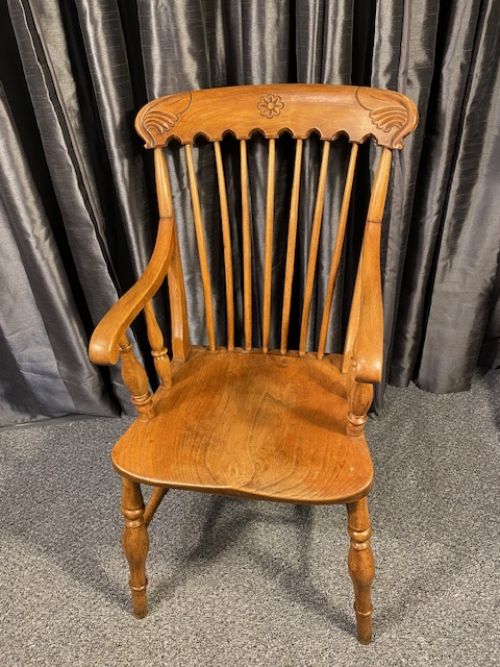

Wooden Rail Back Chairs
Wooden rail back chairs bring everyday historic function into a room, offering sturdy timber framing and shaped supports that make seating both practical and characterful.
Wooden Rail Back Chairs
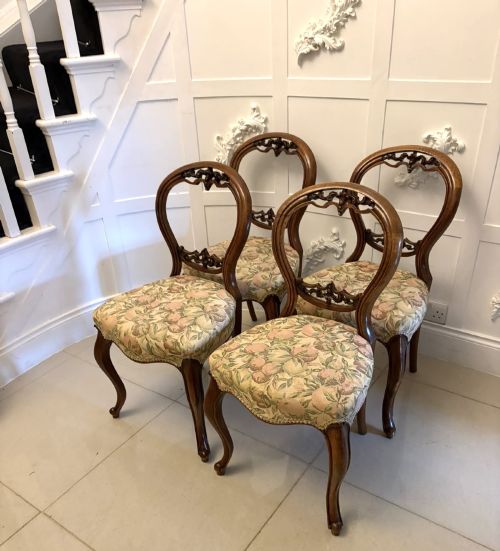
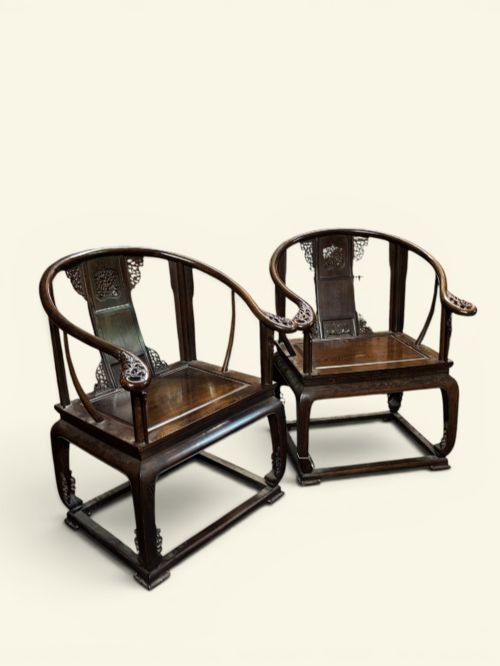
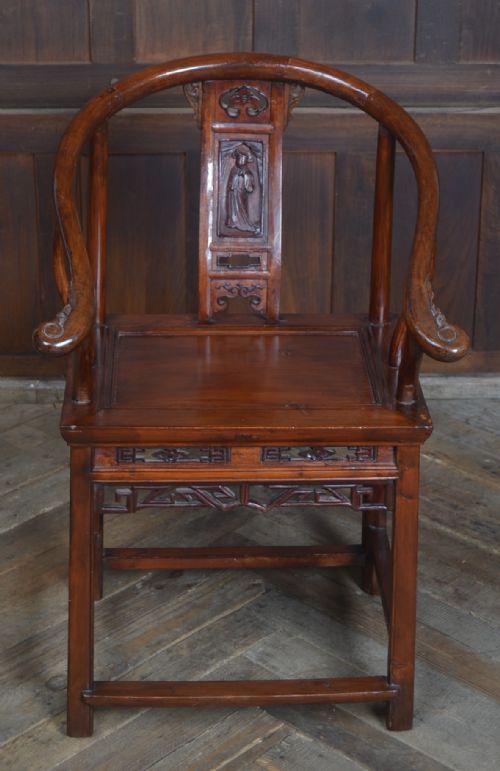
Wooden rail back chairs encompass a wide variety of seating forms from different centuries, ranging from formal dining sets to rustic kitchen helpers and horseshoe armchairs. When exploring wooden rail back chairs, buyers encounter pieces from the eighteenth, nineteenth, and early twentieth centuries built in mahogany, elm, oak, and beech.
Armchairs, side chairs, and larger dining sets make up the primary forms available. Buyers frequently discover both single statement pieces and matched sets spanning the Victorian era and the Arts and Crafts movement.
Materials and construction methods
Makers utilised dense hardwoods such as mahogany and oak alongside resilient domestic timbers like elm and beech to form the structural frames. Turned legs, carved back rails, and steam-bent components demonstrate traditional joinery techniques honed across the eighteenth and nineteenth centuries.
Surfaces feature polished timber finishes, lacquered coats, or pickled treatments that highlight the natural grain of the wood. Seating areas frequently incorporate drop-in fabric pads, velvet upholstery, cane webbing, or solid timber contours.
Wooden Rail Back Chairs Retail Price Guide 2026
Typical asking prices for wooden rail back chairs among the pieces listed under this phrase on Sellingantiques today, from the lower quarter to the upper quarter. They describe what is for sale here now, not the wider market.
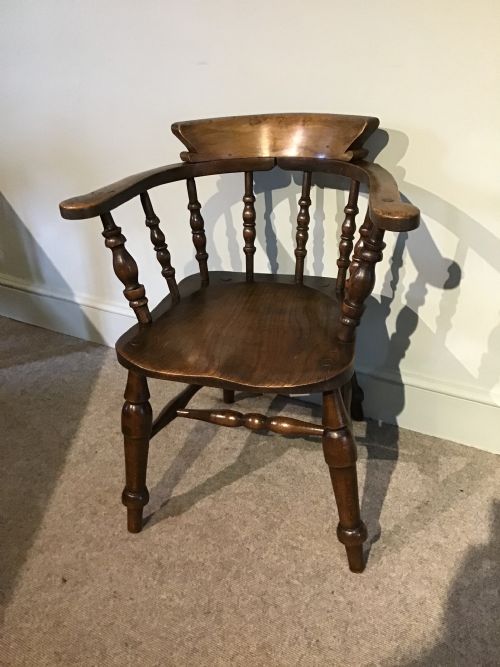
A sturdy smokers bow brings instant nineteenth-century tavern atmosphere straight to your modern desk.
Assessing quality and craftsmanship
Quality in these chairs rests upon the crispness of the timber carving, the tightness of the joinery, and the integrity of the original wood. Pieces featuring elaborate back rail carvings or well-preserved cane and bergere seats demonstrate higher levels of artisanal skill.
The balance between decorative flourish and structural sturdiness defines the upper tier of examples. Coarser country pieces display simpler utility, whereas refined Regency and Victorian dining chairs showcase sophisticated turning and proportion.
Liberty & Co
The Wooden Rail Back Chairs Glossary
- Rail back
- A chair design featuring horizontal or vertical wooden bars across the backrest for support. These rails are often shaped or carved.
- Horseshoe-back
- An armchair design where the back and armrests form a continuous circular rail. This traditional form appears frequently in Chinese seating.
- Bergere
- An upholstered armchair with an enclosed wooden frame where the back and sides frequently incorporate cane work. It offers a lighter aesthetic than fully padded upholstery.
- Klismos
- An ancient Greek chair style characterised by concave curved legs and a sweeping curved backrest. Revival versions appeared during the Regency and nineteenth century.
- Smokers bow
- A sturdy low-backed wooden armchair originating in nineteenth-century England, often used in smoking rooms or kitchens.
Wooden Rail Back Chairs: Frequently Asked Questions
What periods do these chairs cover?
The selection spans from the eighteenth century through the Victorian and Regency eras up to the early twentieth century. Pieces reflect diverse stylistic movements including Arts and Crafts and traditional Chinese design.
Buyers find everything from formal dining sets to rustic country kitchen seating within these historic periods.
How do I care for wooden rail back chairs?
Maintain timber surfaces by applying appropriate wax or polish periodically to prevent the wood from drying out. Keep upholstered or cane sections clean with gentle brushing and avoid placing antique chairs in direct sunlight or near heat sources.
Regular checks on joints will ensure the framing remains stable during everyday use.
Are these chairs suitable for daily dining?
Many examples on this page, particularly the Regency and Victorian dining chair sets, were constructed specifically for regular table use. Their robust hardwood frames provide reliable support for daily seating.
Lighter decorative or antique armchairs may suit occasional use or function as feature pieces in a hallway or study.