
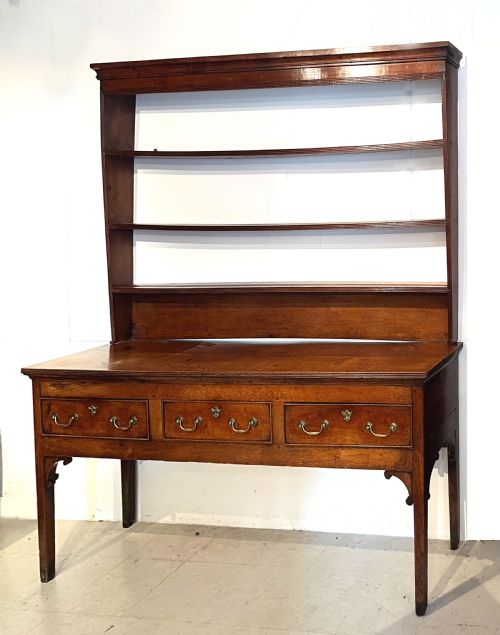


Wooden Plate Display
Wooden plate display pieces hold tableware upright against walls or on surfaces, offering both practical storage and traditional domestic charm.
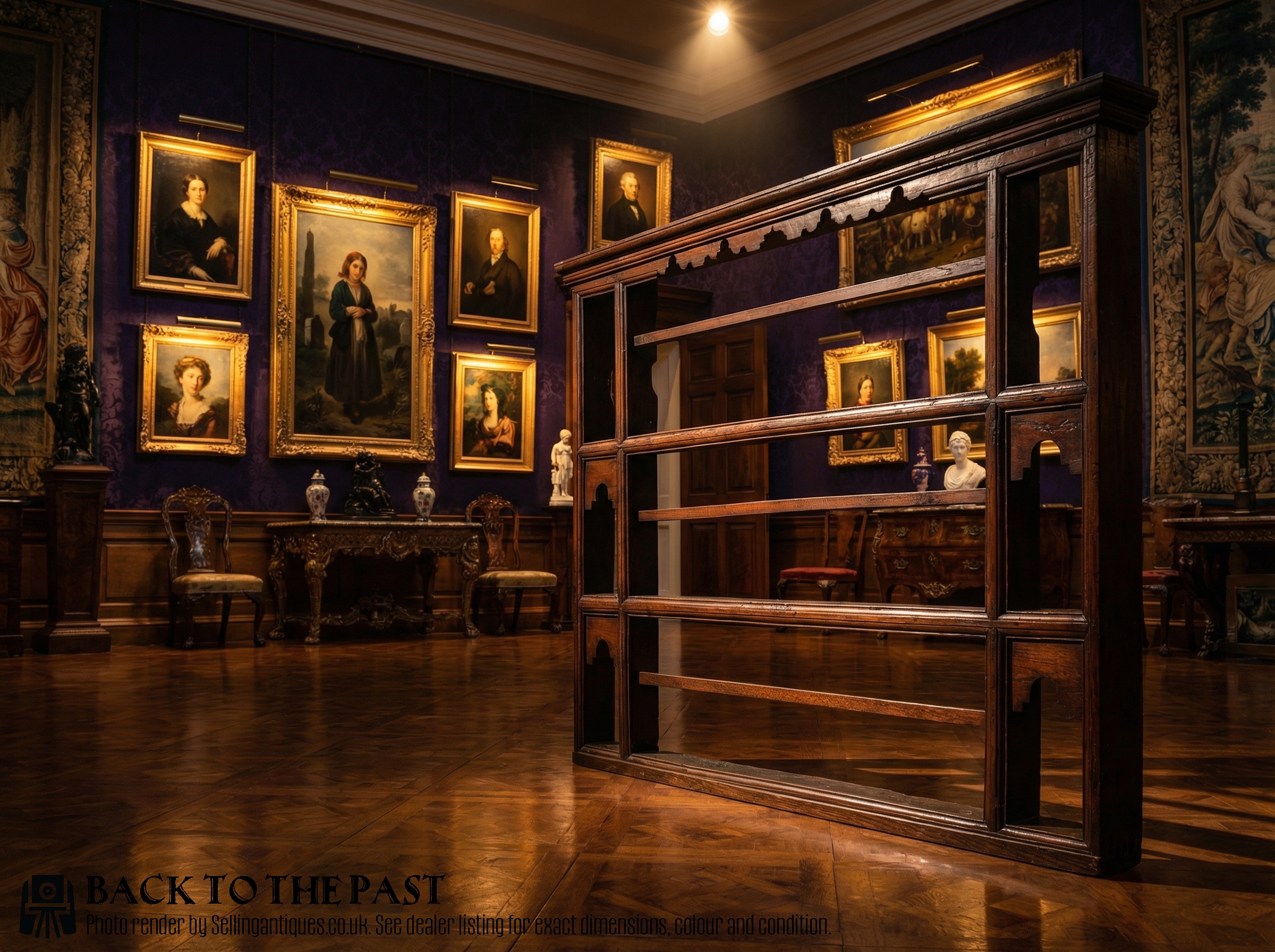
Wooden Plate Display
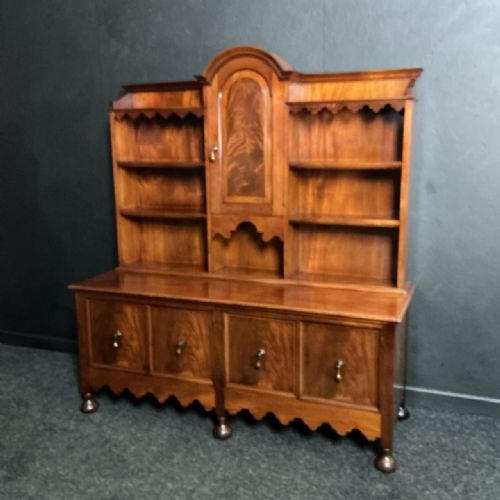
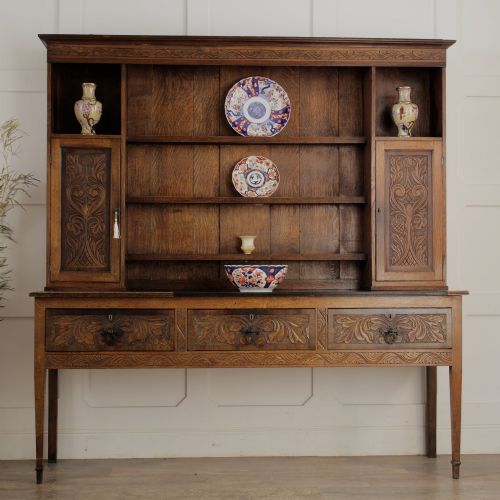
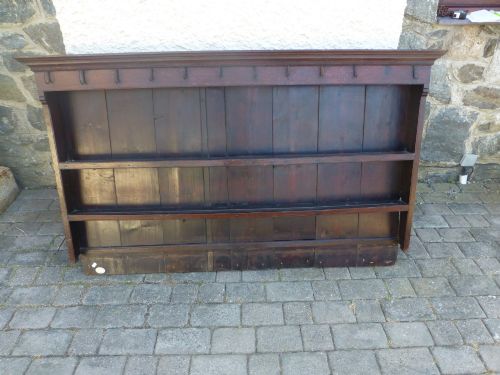
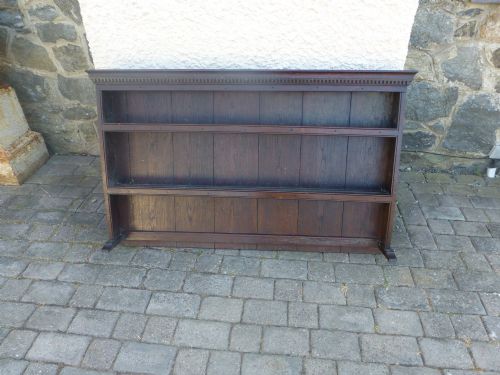
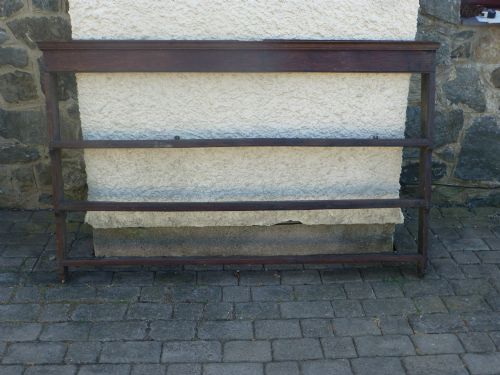
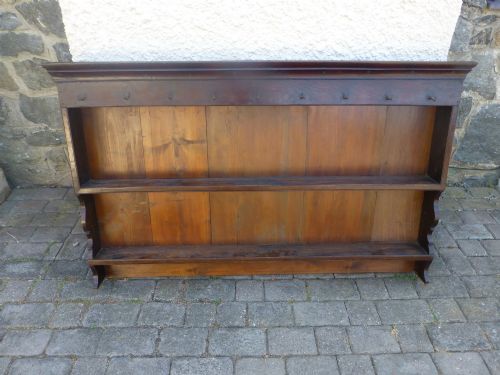
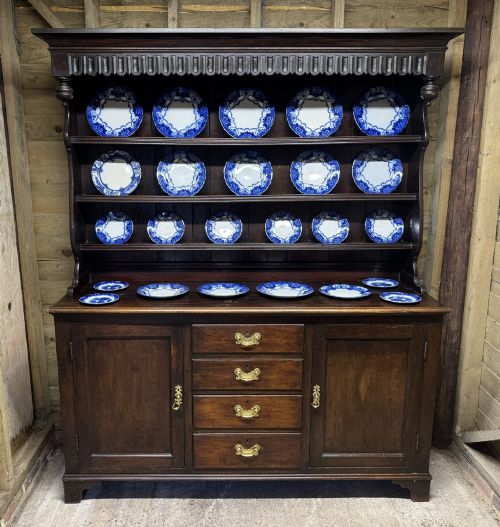
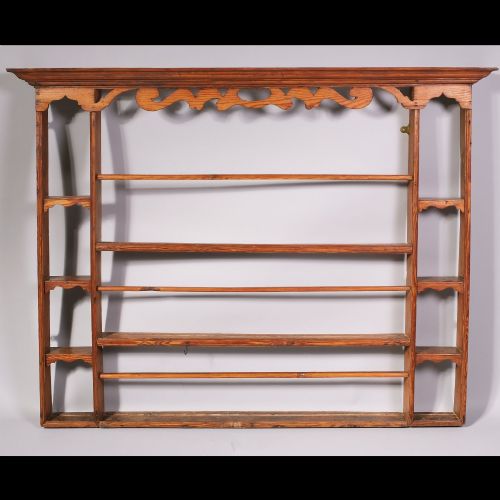
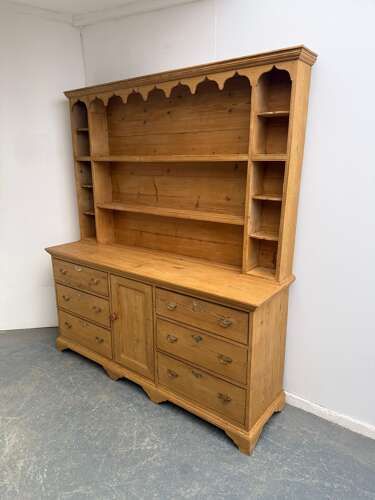
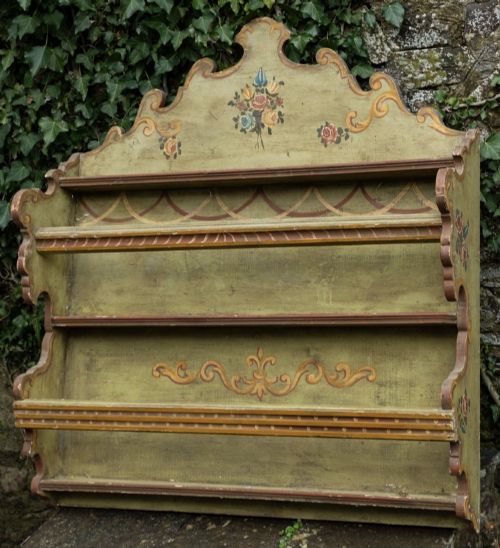
When you search for wooden plate display, you encounter wall shelves, plate racks, and full dressers designed to exhibit ceramics and chargers. The forms range from simple hanging pine rails to substantial Georgian and Victorian oak dressers with integrated display tiers.
The pieces on this page lean heavily towards country furniture, featuring regional Welsh dressers alongside simpler wall-mounted plate racks in oak and pine. These items reflect centuries of domestic organisation where kitchenware doubled as household decoration.
Earlier examples often show the marks of daily use in vernacular timbers like oak and cherry, while later Edwardian and early twentieth-century pieces introduce painted surfaces and lighter display stands.
How they were made
Cabinetmakers constructed these pieces primarily using solid local timbers such as oak, pine, and mahogany, frequently pairing woods like oak frames with pine backboards in country workshops.
Joinery techniques relied on pegged mortise and tenon joints for structural strength in large dressers, alongside simpler lap joints and housing dados for fixed shelving and plate rails.
Surface finishes range from waxed patinas developed through generations of handling to historic painted schemes utilising traditional pigments like Pompeian Ash.
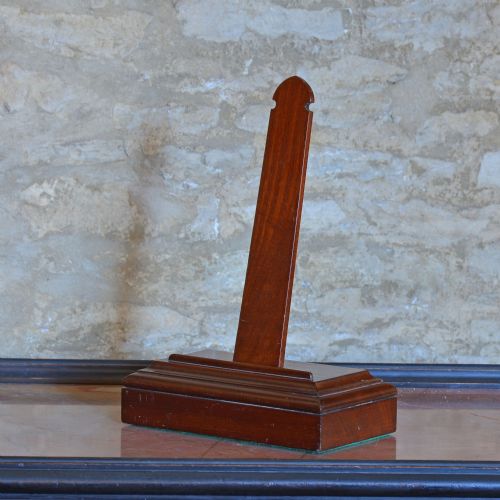
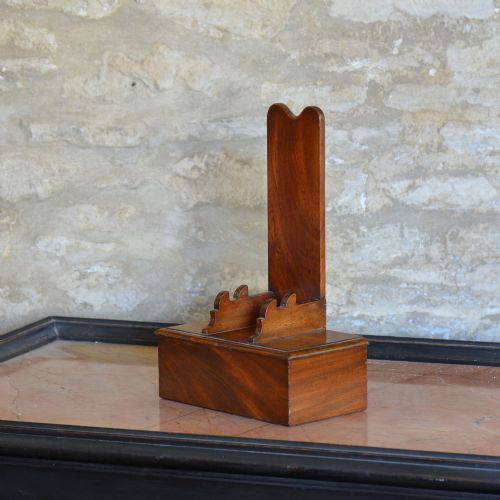
The selection encompasses both wall-mounted delft racks and freestanding floor dressers alongside specialised table plate stands.
What varies in quality
The standard of a wooden plate display rests on the integrity of its timber selection and the retention of its original components, particularly backboards and hanging hooks. Superior examples display harmonious proportions where plate grooves and retaining rails remain crisp and unaltered.
Construction depth also separates standard regional pieces from finer workshops, visible in thoughtful details like moulded cornices, applied columns, or restrained carving rather than purely utilitarian assembly.
Surface preservation dictates much of the appeal, distinguishing items that retain deep, untouched historic wax patinas from those compromised by aggressive stripping or unsympathetic modern restoration.
The Wooden Plate Display Glossary
- Delft rack
- A wall-mounted or dresser-top set of shelves specifically grooved to hold plates and chargers upright. These fixtures kept fragile earthenware visible and secure in busy kitchens.
- Welsh dresser
- A large kitchen storage unit combining a base cupboard or drawer section with an open plate rack superstructure. They originated in Welsh farmhouses for domestic utility.
- Charger
- A large decorative plate, often made of ceramic or metal, intended for display on racks or stands rather than dining use. They form the focal point of many traditional wall displays.
- Marquetry
- The art of applying thin veneers of different coloured woods to a structural surface to create decorative patterns. It appears on select refined display pieces.
- Cornice
- The decorative moulding crowning the top of a dresser or large wall shelf. It frames the overall composition and offers a stylistic marker for dating.
Wooden Plate Display: Frequently Asked Questions
How do I hang a heavy plate rack?
Heavy oak and pine plate racks require secure fixing directly into wall studs or masonry using appropriate brackets. Distributing the weight evenly prevents the strain from pulling fixings loose over time.
Once loaded with ceramic plates, the downward pressure increases significantly. Professional installation ensures the safety of both the antique timber frame and your display items.
Are these plate racks safe for modern plates?
Most historic plate display grooves accommodate standard dinnerware depths safely. However, unusually thick or heavy modern stoneware may not sit comfortably in older, shallower channels.
Checking the depth of the display groove before loading prevents plates from tipping forward. Adding invisible clear retaining wire provides extra security for valuable displays.
Can I paint a plain wooden display shelf?
While many historical pieces feature painted finishes or were altered in later periods, applying modern paint to an untreated antique surface affects its historic integrity and patina.
If the timber is already stripped or modern, finishing with traditional breathable paints like casein or milk paint aligns with period practice. Historic waxed surfaces are best maintained with regular waxing rather than painting.
How do I distinguish Georgian from Victorian plate racks?
Georgian oak plate racks typically exhibit simpler, robust vernacular framing with pegged joinery and rich, dark wax patinas developed over centuries. Their proportions prioritise straightforward utility.
Victorian pieces often introduce denser timbers like mahogany, along with machine-cut mouldings, turned supports, or decorative carved flourishes reflecting changing nineteenth-century domestic fashions.