


Wooden Pedestal Base
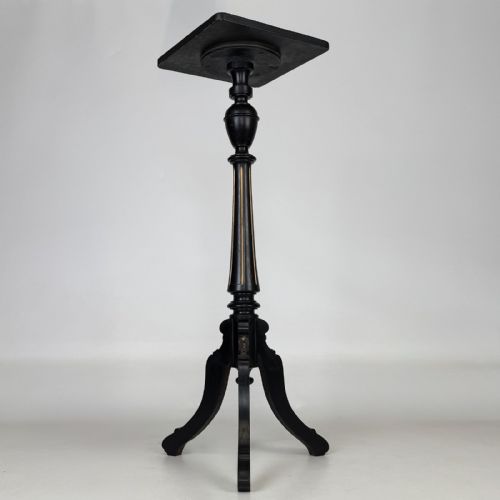
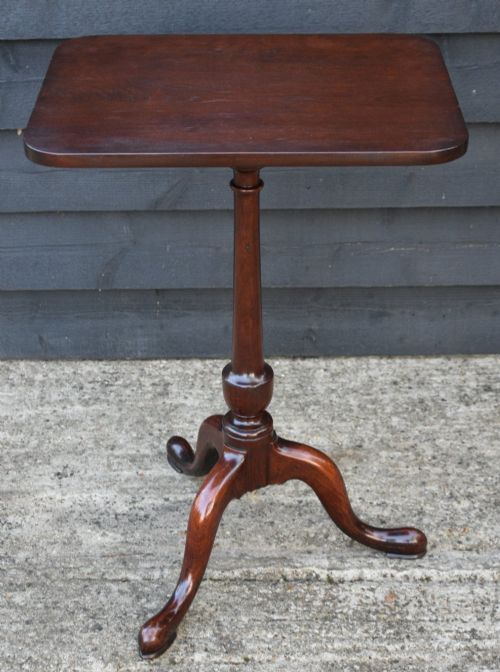
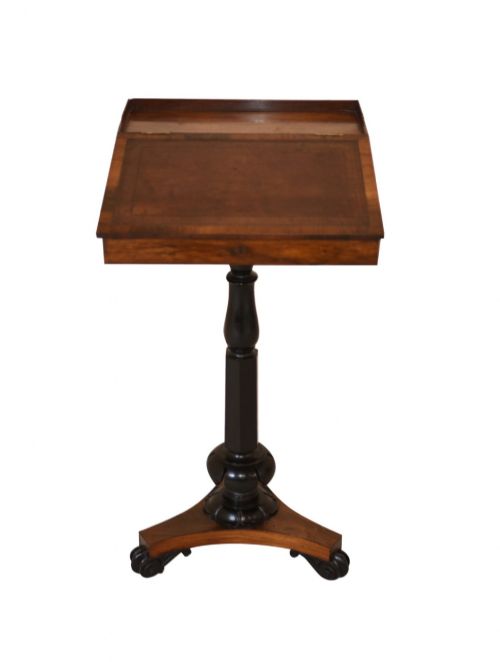
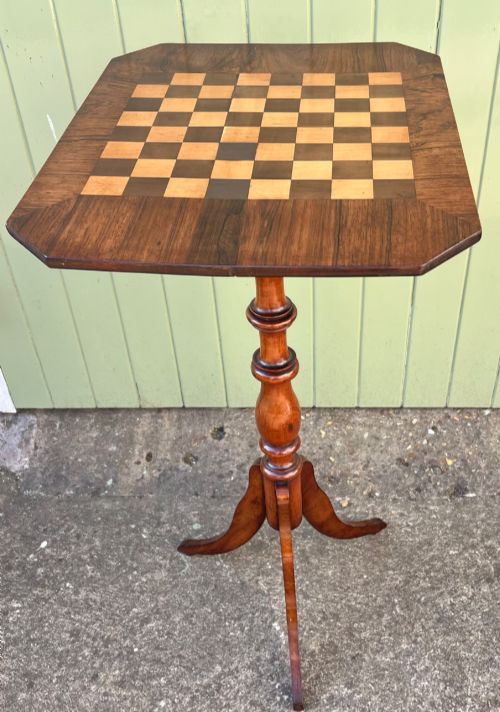
A wooden pedestal base supports everything from small wine tables to monumental torchieres, anchoring period furniture with solid timber.
Wooden Pedestal Base
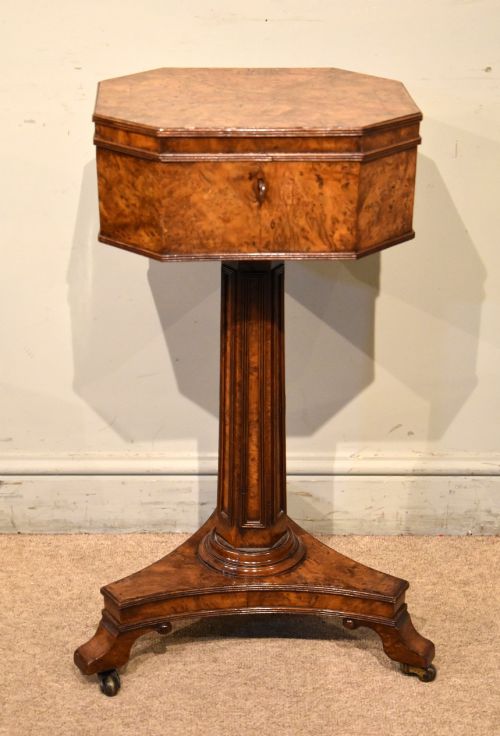
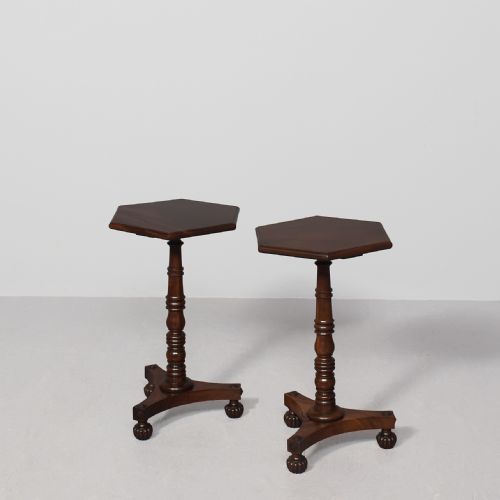
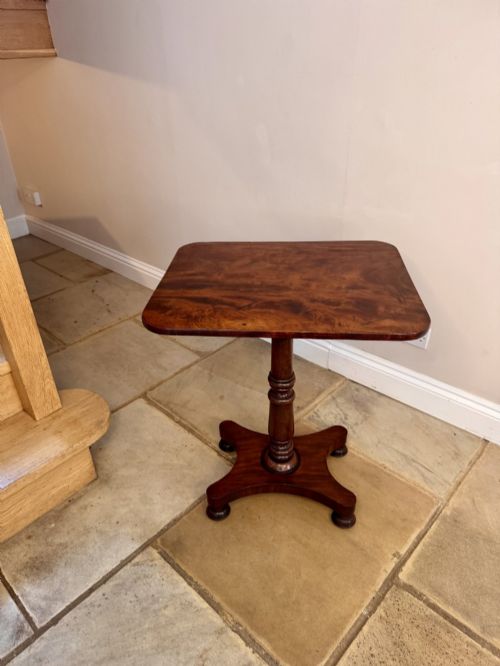
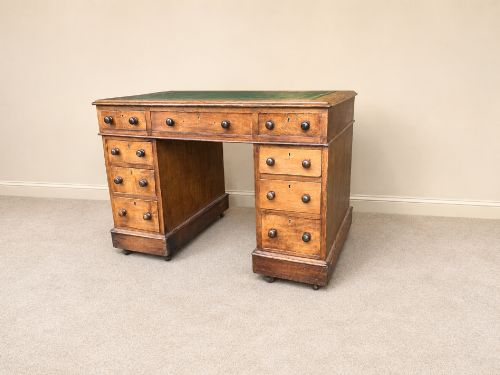
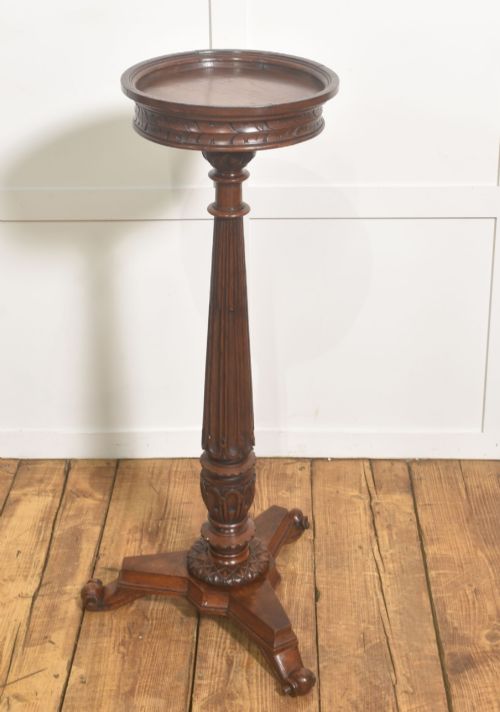
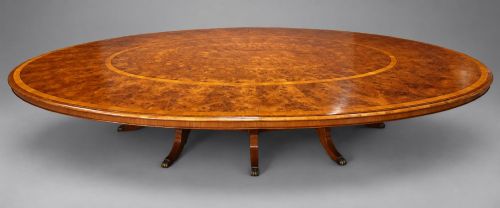
A wooden pedestal base underpins a wide variety of furniture seen here, including side tables, dining tables, plant stands, and torchieres. Buyers seeking a wooden pedestal base encounter forms ranging from compact wine tables to grand display columns.
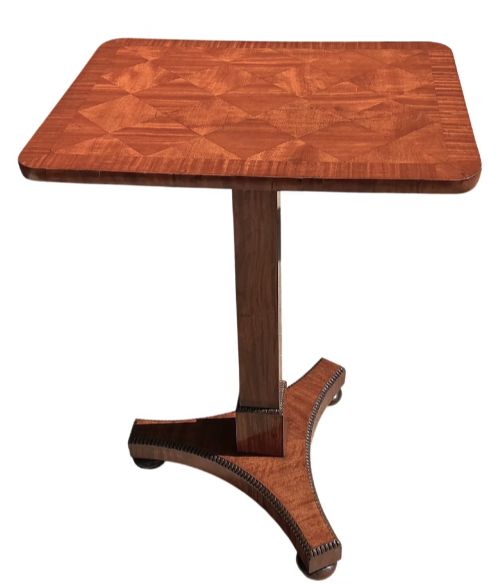
The pieces on this page span the seventeenth, eighteenth, and nineteenth centuries, taking in the Georgian, Regency, William IV, Victorian, and Edwardian eras. Common formats include tripod bases supporting tilt-top tables and heavy central pillars carrying large dining surfaces.
Origins stretch across British workshops as well as Continental and colonial makers, using timber frameworks designed to carry weight centrally. Many items combine a sturdy vertical shaft with decorative feet, such as carved quadrapod or tripod configurations.
Materials and construction
Cabinet makers utilised dense hardwoods such as mahogany, oak, walnut, rosewood, and fruitwood to construct stable vertical supports and load-bearing columns. Burr walnut and figured walnut veneers frequently cover core timbers on larger Victorian dining tables and pedestal cabinets.
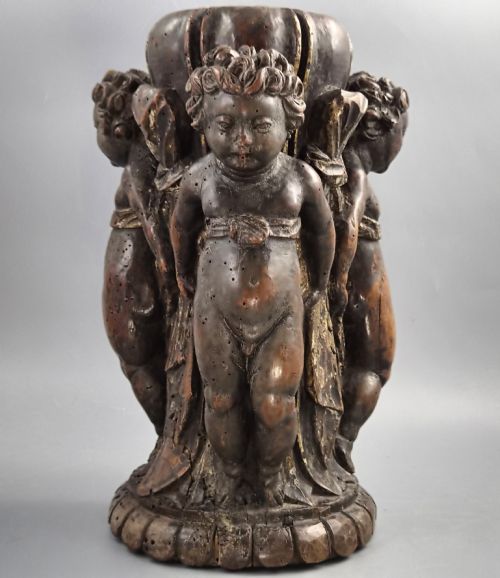
Turning lathes shaped cylindrical shafts, bobbin profiles, and classical columns, while hand carving produced intricate details like putti, foliage, and tripod animal feet. Joinery relies on solid tenons and central iron fixings to keep heavy tops secure upon their pillars.
Wooden Pedestal Base Retail Price Guide 2026
Typical asking prices for wooden pedestal base among the pieces listed under this phrase on Sellingantiques today, from the lower quarter to the upper quarter. They describe what is for sale here now, not the wider market.
Object types range from small wine tables and plant stands to large extending dining tables and console tables.
Judging quality and proportion
Quality rests on the integrity of the central joint where the pillar meets the base and the table top, since loose joints compromise stability. Heavier tables demand substantial timber thickness in the feet and legs to prevent wobbling under load.
Carving depth and sharpness distinguish standard production from exceptional pieces, especially on Italian Baroque or Victorian carved walnut stands. Figure and grain matching in rosewood, mahogany, and burr walnut veneer also separate utilitarian items from high-status furniture.
Holland and Sons
The Wooden Pedestal Base Glossary
- Torchiere
- A tall stand or pedestal originally designed to hold a candle or torch, now used for lamps or display figures. These often feature elaborate carved wooden shafts.
- Tripod base
- A three-legged support structure common on wine tables, plant stands, and torchieres. This design ensures stability on uneven floors.
- Tilt-top
- A table mechanism allowing the surface to hinge vertically for storage against a wall when not in use. It locks flat onto the pedestal catch during meals.
- Quadrapod base
- A four-legged support system frequently found beneath large Victorian dining tables and heavy pedestal furniture. It distributes weight across four directional feet.
- Treen
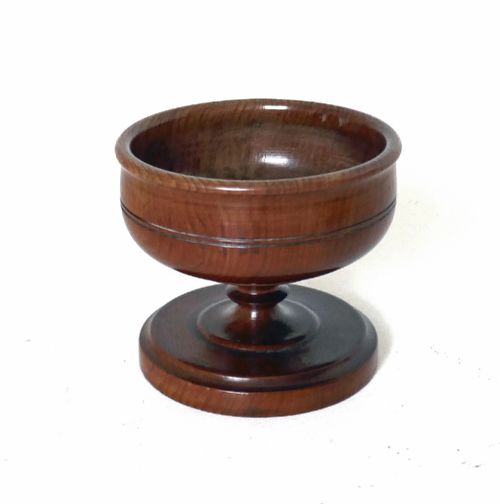
- Small handmade wooden objects produced domestically or commercially, often featuring turned elements and raised bases. This category covers early utilitarian items like salt cellars.
Wooden Pedestal Base: Frequently Asked Questions
What is a wooden pedestal base used for?
These bases support tables, plant stands, torchieres, and display columns by concentrating weight onto a central pillar or column. They allow furniture to stand independently without standard four-corner legs.
This central design maximises legroom around dining and wine tables while providing sturdy elevation for decorative items.
How do I identify a Victorian pedestal table?
Victorian examples often utilise dense timbers like mahogany, rosewood, or burr walnut with heavier carved details and robust central columns. Look for platform bases, quadrapod feet, and rich dark patination.
Earlier Regency and William IV pieces tend to show cleaner classical lines, while Edwardian versions lean towards lighter inlaid mahogany.
Can I use a torchere as a plant stand?
Historic torchieres and display columns function well as plant stands because their elevated platforms showcase foliage and trailing stems. Many original pieces were built specifically to display sculpture or ornamental vases.
Ensure the base diameter matches the weight distribution of the plant pot to maintain balance.
Are tilt-top tables stable?
Tilt-top tables rely on a catch mechanism beneath the surface to lock the top securely onto the pedestal shaft. When properly engaged, they remain firm for daily use as wine or occasional tables.
Over decades of use, the hinge mechanism can wear, so check that the top sits level and secure when lowered.