






Wooden Parlour Table
A wooden parlour table brings tactile domestic history into a room, offering functional surface area combined with period craftsmanship.
Wooden Parlour Table
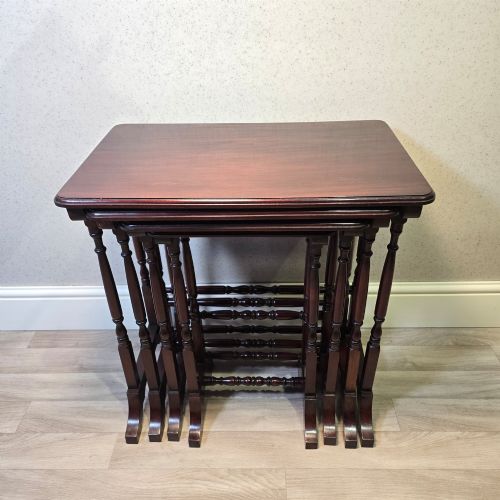
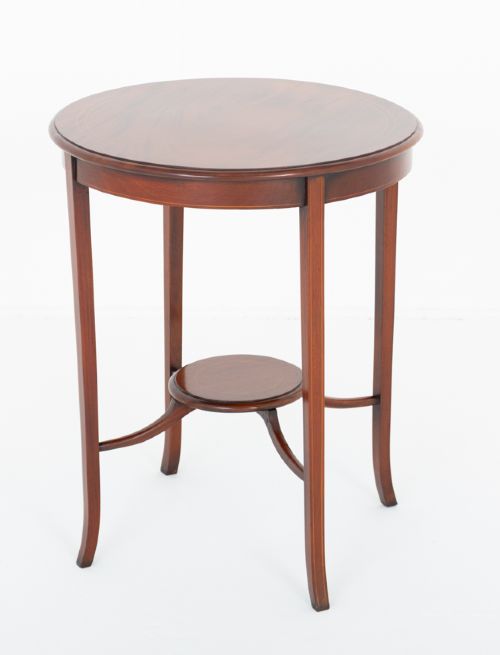
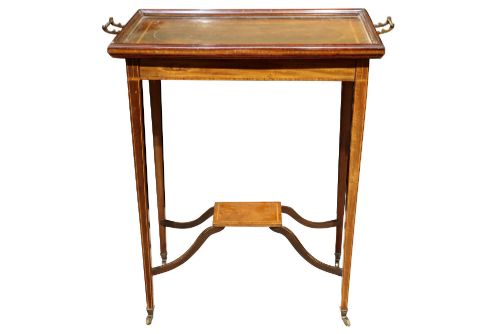
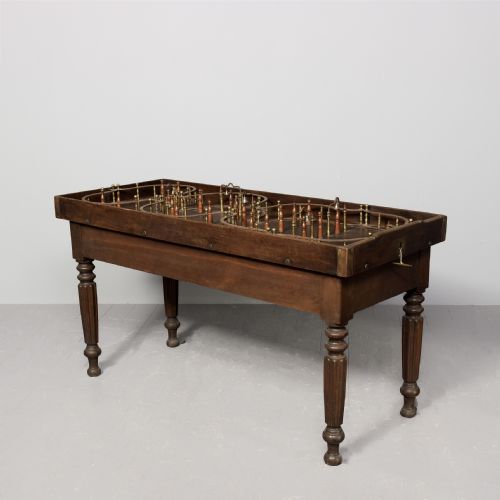
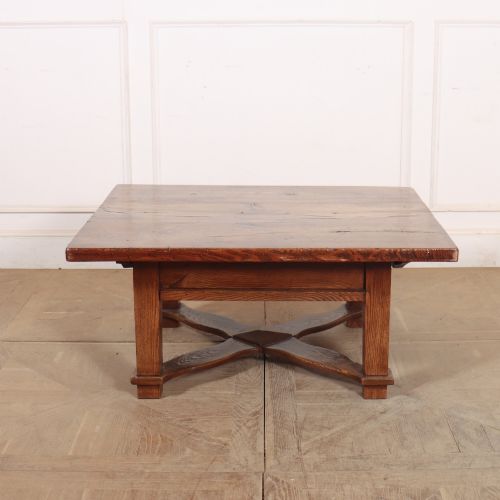
A wooden parlour table serves as a functional and decorative surface designed for domestic interiors across the nineteenth and early twentieth centuries. These pieces appear most frequently in Victorian and Edwardian iterations, encompassing formats such as centre tables, occasional tables, side tables, and games tables.
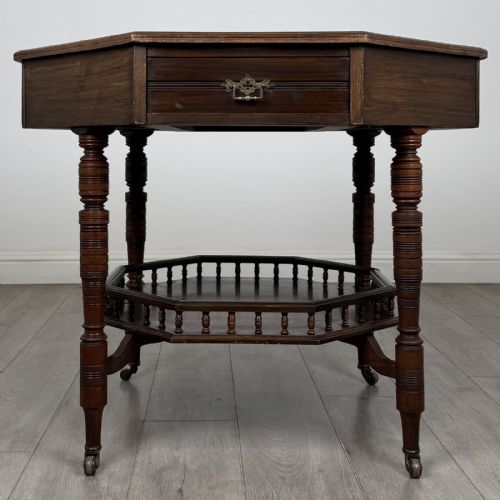
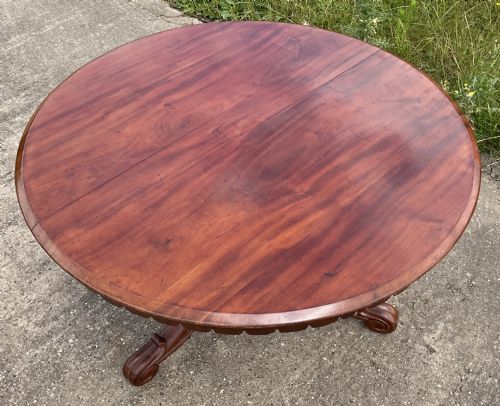
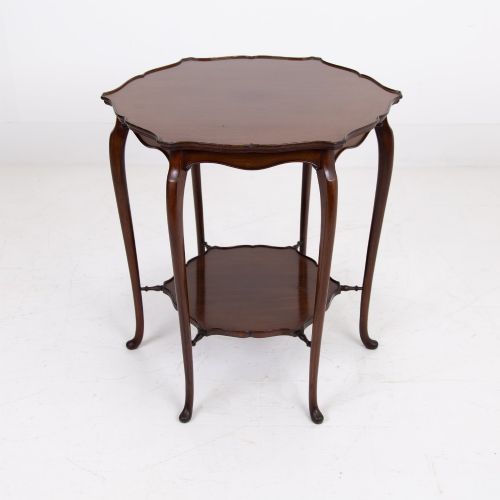
Makers utilised various timber species to construct these tables for formal reception rooms and sitting rooms. Buyers encounter round, octagonal, oval, and square top configurations, frequently supported by turned legs or lower tiers.
The selection ranges from simple occasional stands to elaborate inlaid centrepieces intended to display ornaments or facilitate parlour pastimes. Each form reflects the changing domestic habits of the period in which it was manufactured.
Materials and construction methods
Cabinet makers built these tables predominantly from solid and veneered hardwoods including mahogany, walnut, rosewood, oak, and satinwood. Workshops employed contrasting timbers such as boxwood for delicate stringing and marquetry inlay.
Surfaces often feature turned supports, carved foliate details, and galleried edges assembled with traditional joinery. Brass fittings and marble inserts appear on specific continental and high-status examples within the selection.
Wooden Parlour Table Retail Price Guide 2026
Typical asking prices for wooden parlour table among the pieces listed under this phrase on Sellingantiques today, from the lower quarter to the upper quarter. They describe what is for sale here now, not the wider market.
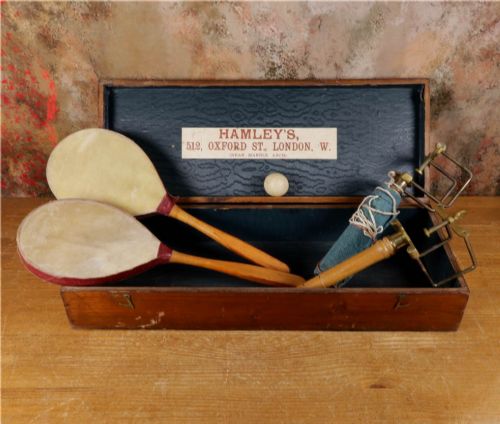
Several tables share space with antique parlour games and croquet sets, proving nineteenth-century living rooms took entertainment seriously.
Distinctions in quality
The standard of a wooden parlour table depends on the selection of figured timber veneers and the precision of the inlaid marquetry. Finer examples display meticulous hand-carved detailing on the foliage and robust structural joinery in the underframe.
Proportion and the integration of secondary elements like galleried shelves or multi-tiered structures separate standard utility pieces from workshop-attributed productions.
James Winter·Gillows of Lancaster·Jaques & Hamleys·F.H.Ayres Ltd
The Wooden Parlour Table Glossary
- Occasional table
- A small, movable stand designed for light use in a sitting room or parlour. These versatile tables appear in circular, square, and multi-tiered formats.
- Centre table
- A large, freestanding piece intended to occupy the middle of a room rather than sit against a wall. They frequently feature circular or octagonal tops with substantial pedestal or multi-leg bases.
- Inlay
- A decorative technique where pieces of contrasting wood, such as satinwood or boxwood, are inserted into recessed sections of a primary timber surface to create patterns.
- Galleries
- A raised decorative border or railing fitted around the edge of a table top or shelf to prevent objects from sliding off.
- Nest of tables
- A set of graduated tables designed to fit neatly beneath one another when not in use, offering space-saving functionality.
- Figured wood
- Timber possessing an attractive natural grain pattern, such as flame mahogany or burr walnut, selected specifically for its decorative visual impact.
Wooden Parlour Table: Frequently Asked Questions
How do I identify a Victorian parlour table?
Victorian examples typically feature dense timbers like mahogany or walnut, often combined with heavy turned legs or elaborate carved details. Their proportions tend to be substantial to suit the domestic interior style of the nineteenth century.
Look for construction methods such as hand-cut joints and distinct period patination that indicate age and traditional workshop production.
Where should I place a centre table?
A centre table is designed to stand free in an open space, making it suitable for the middle of a living room or a large hallway. It provides a functional surface accessible from all sides.
Ensure there is adequate surrounding clearance for movement and to fully appreciate the design of the table top and base.
What is the difference between an occasional table and a side table?
Occasional tables are generally smaller and more easily moved about a room to serve a temporary function, such as holding a lamp or book. Side tables are traditionally positioned against a wall and often feature drawers or fixed lower shelves.
Both forms utilise similar timbers and decorative styles from the Edwardian and Victorian periods.
How do I care for antique wood surfaces?
Maintain the timber by keeping the table away from direct sunlight and steady heat sources that can dry out or crack the wood. Dust regularly with a soft, dry cloth and apply occasional appropriate wax polish to nourish the grain.
Avoid placing damp items directly onto the polished surface to prevent water rings and staining.