

Wooden Occasional Chairs
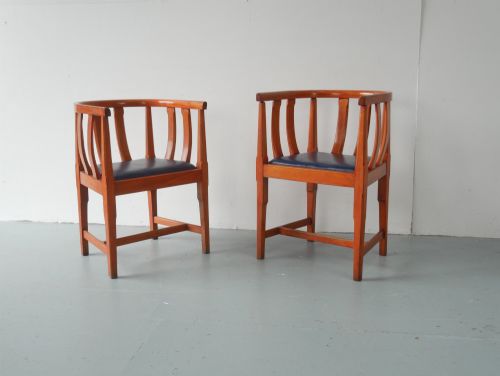
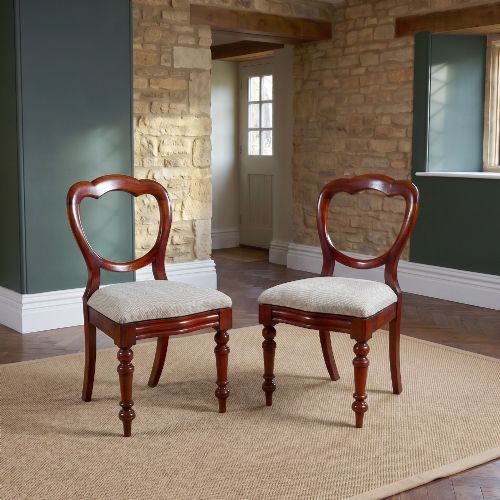
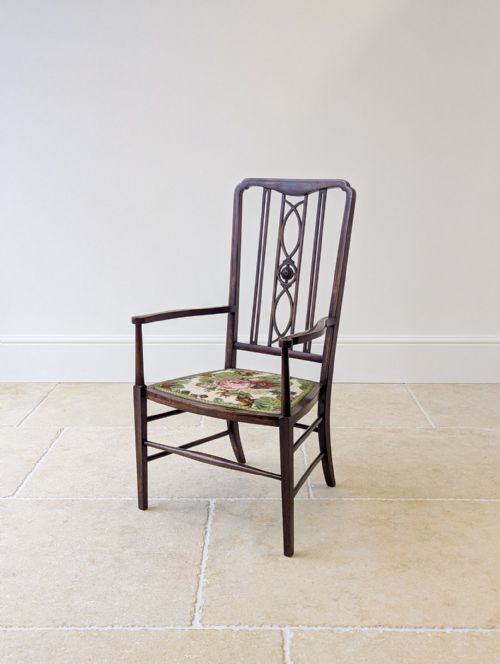
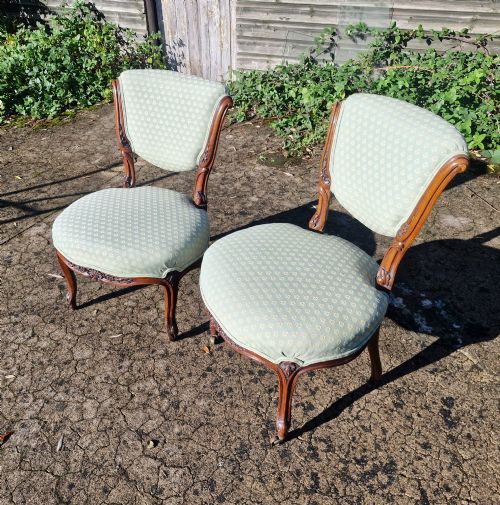
These wooden occasional chairs bring practical seats and distinct period character into a room.
Materials and Construction
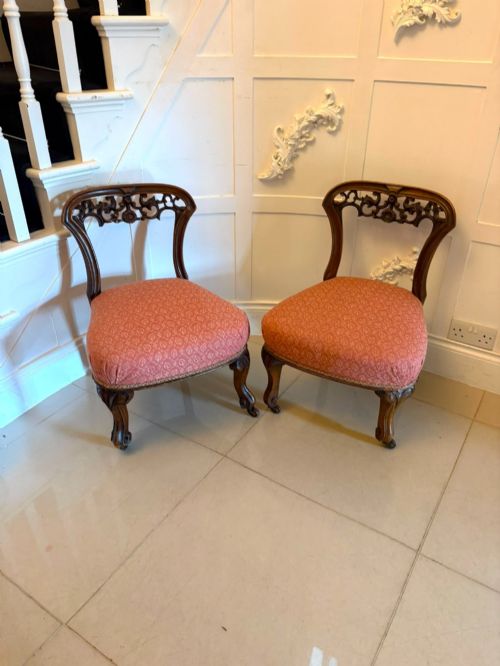
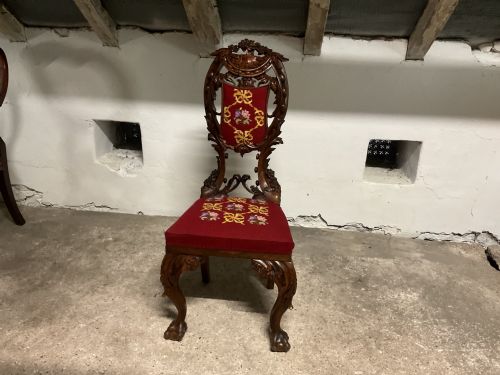
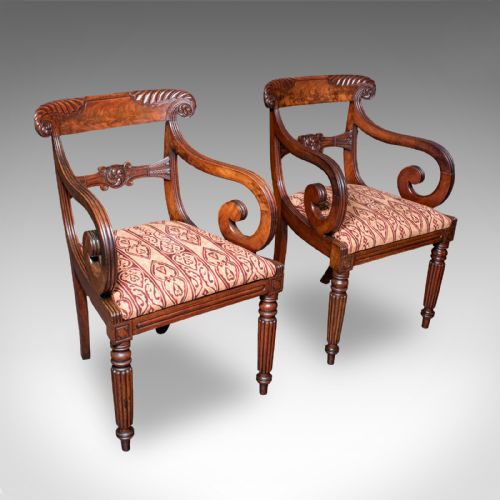
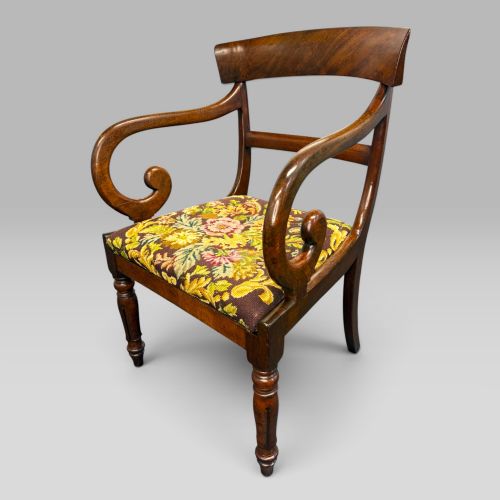
Cabinet makers relied primarily on solid timbers such as mahogany, walnut, oak, and beech to build sturdy frames. Satinwood and faux bois finishes added decorative surface variety to structural wood.
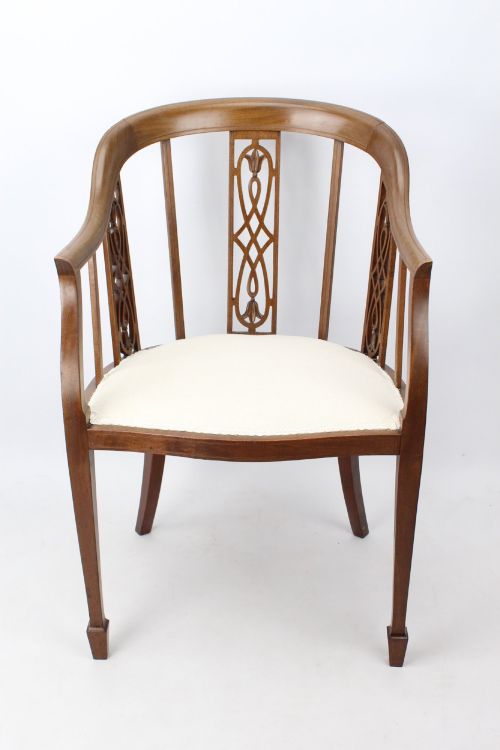
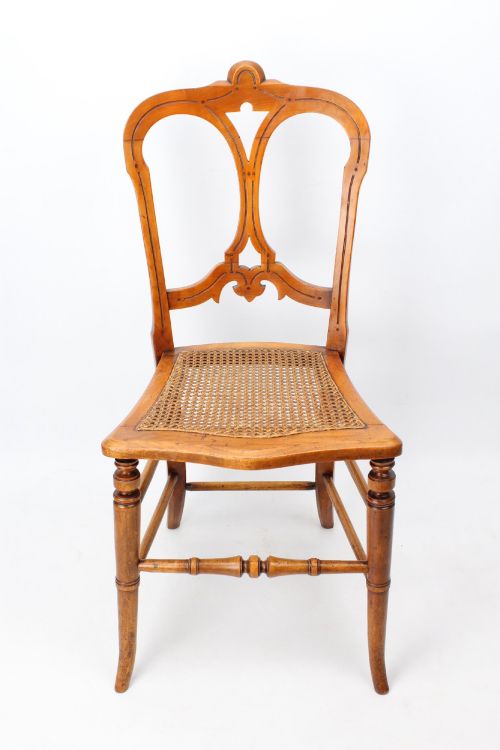
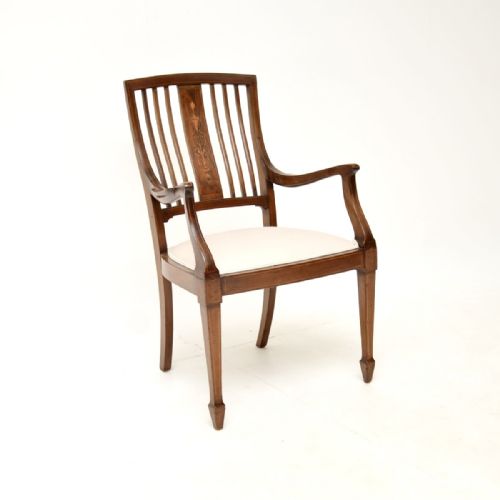
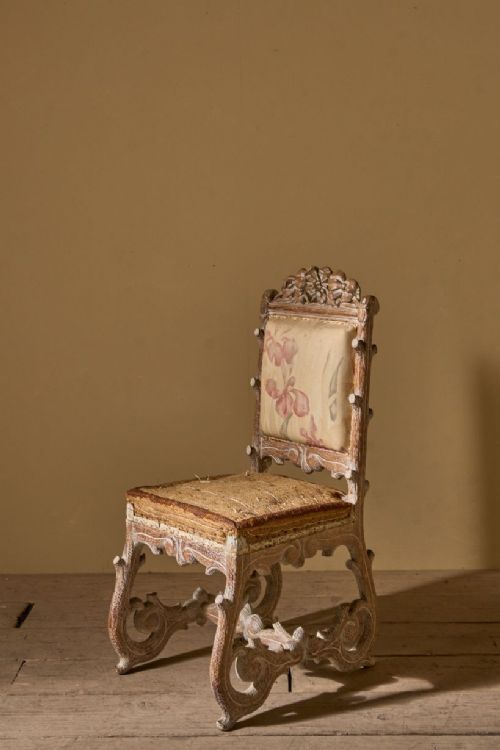
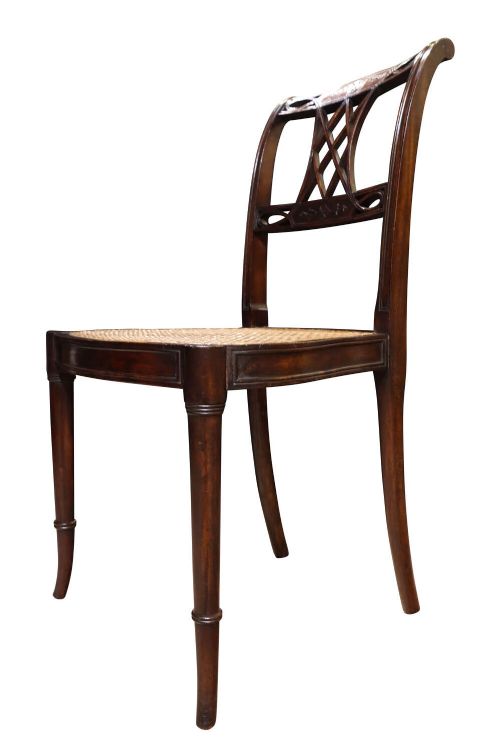
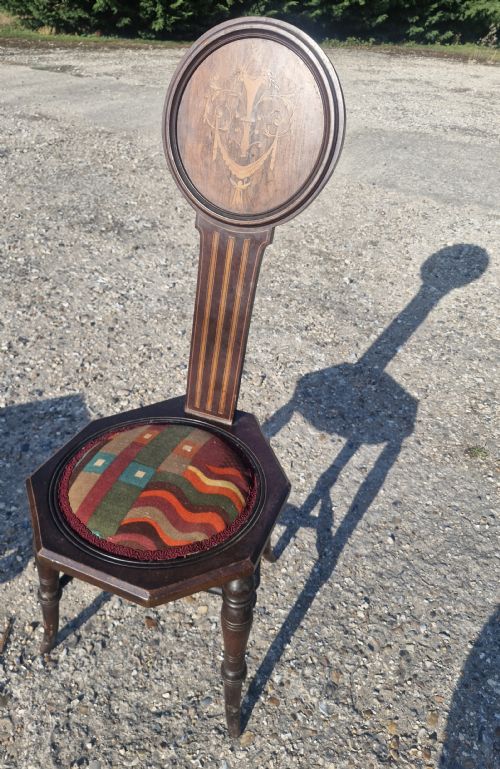
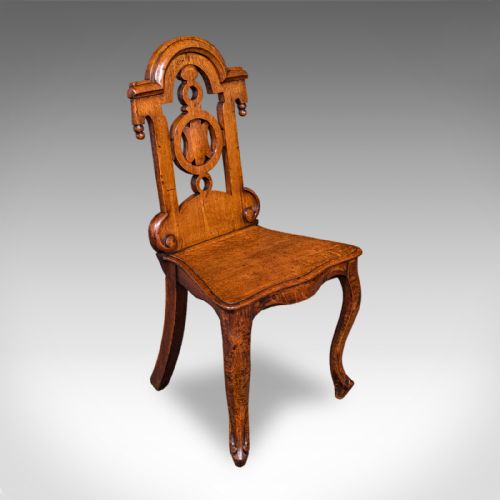
Traditional joinery united these frames, occasionally enhanced by hand-carved backs, pierced splats, or turned front legs. Inlaid elements in contrasting wood types demonstrate detailed craftsmanship.
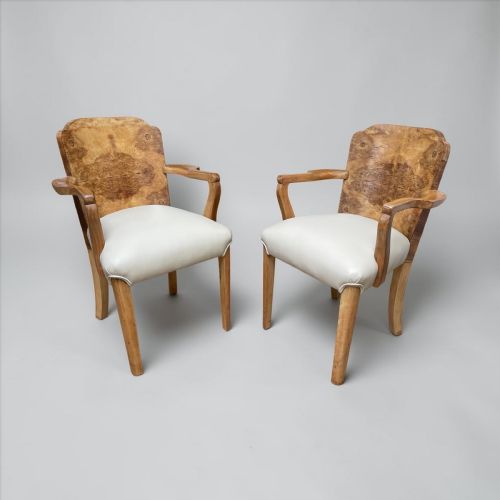
Seating surfaces integrated woven cane or upholstered pads covered in floral or geometric fabrics. Brass castors and painted decorations finished many of the elbow and armchair designs.
Evaluating Quality
Quality rests in the crispness of the carved detail and the integrity of the timber used for the frame. Dense hardwoods like mahogany and walnut show superior age-resisting strength compared to softer alternatives.
Inlay work and painted decorations reveal the hand of skilled artisans when executed with precision and restraint. Original upholstery materials and intact cane seating also elevate the standing of a piece.
Wooden Occasional Chairs Retail Price Guide 2026
Typical asking prices for wooden occasional chairs among the pieces listed under this phrase on Sellingantiques today, from the lower quarter to the upper quarter. They describe what is for sale here now, not the wider market.
Listings feature mahogany, beech, walnut, oak, satinwood, and fruitwood across Victorian, Edwardian, and Regency periods.
Collier and Plucknett
The Wooden Occasional Chairs Glossary
- Splat
- The vertical central strip of wood in the back of a chair. Pierced splats feature cutout decorative patterns.
- Fauteuil
- An open-armed upholstered armchair with exposed wooden sides of French origin. These typically date from the nineteenth century.
- Faux bois
- An artistic imitation of wood grain applied to a surface. This technique appears on nineteenth-century side chairs.
- Bobbin chair
- A seating form characterised by turned woodwork resembling a succession of bobbins or spools. These are common in Victorian examples.
- Corner chair
- A chair designed to fit into the corner of a room with a diagonal seating orientation. Edwardian versions often feature inlaid mahogany.
Wooden Occasional Chairs: Frequently Asked Questions
What is an occasional chair?
An occasional chair is a moveable seat designed to be brought out for use when extra guests arrive in a room. They occupy small footprints and suit reception spaces or bedrooms.
These chairs bridge decorative and practical roles. Their varied historical styles allow them to complement existing room layouts without dominating the space.
How do I date a Victorian chair?
Dating relies on examining the timber species, turning styles, and upholstery techniques present on the frame. Victorian designs often feature walnut or mahogany with turned front legs and castors.
Secondary clues include the specific revival style, such as rococo or neoclassical influences. Maker labels and construction marks can narrow the manufacturing period further.
Where should I place a salon chair?
Salon chairs suit quiet corners, bedrooms, or drawing rooms where light seating is useful. Their compact size makes them adaptable to narrow hallways or dressing areas.
Because they were built for light indoor use, avoid placing them in damp environments or areas with direct, harsh sunlight.
Are Edwardian chairs sturdy?
Edwardian chairs generally utilise solid beech or mahogany frames joined with dependable nineteenth-century woodworking methods. Many incorporate sturdy turned legs and supportive cane or upholstered seats.
Regular checks of the joints ensure these lightweight chairs remain stable during everyday household use.