



Wooden Mirror Chest
These wooden mirror chest pieces combine practical storage with fitted glass, appearing primarily in Victorian and Edwardian dressing forms.
Wooden Mirror Chest
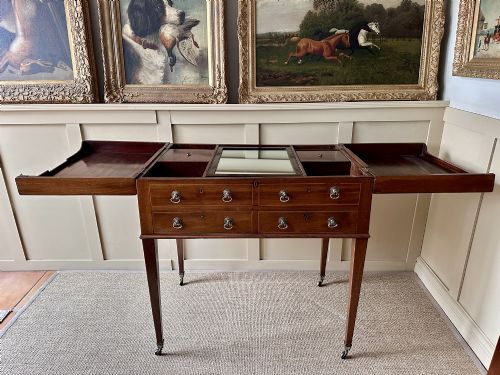
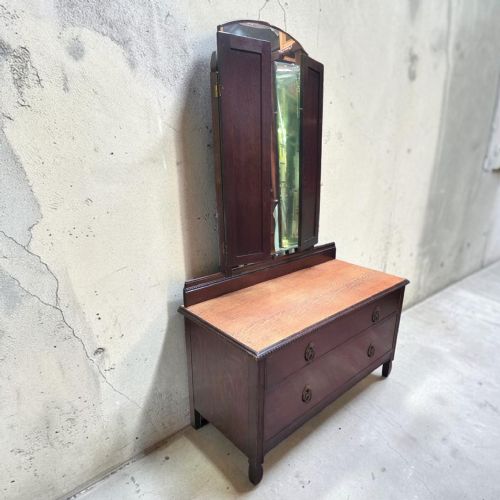
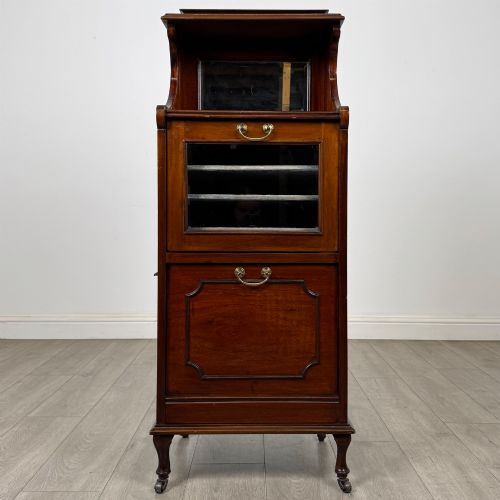
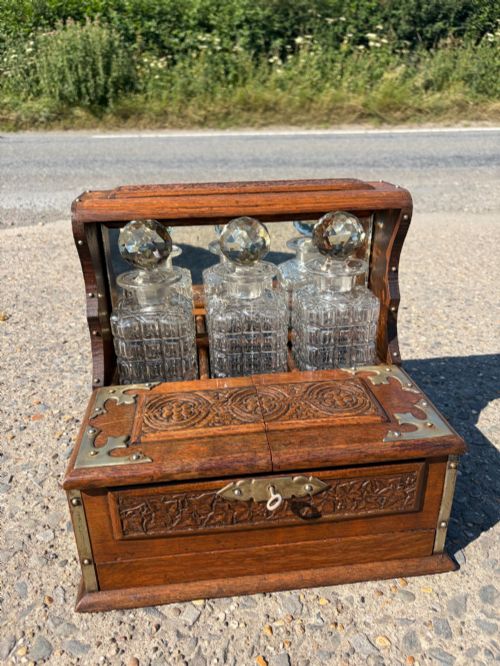
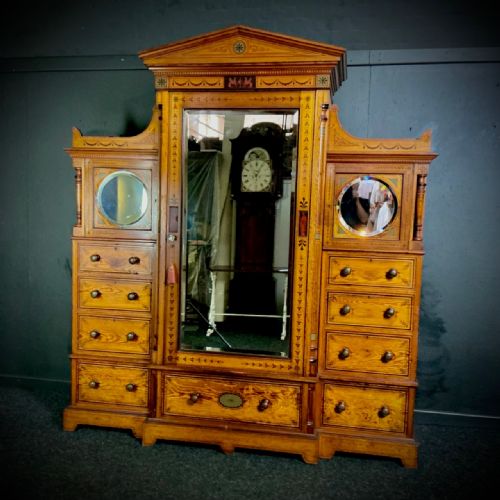
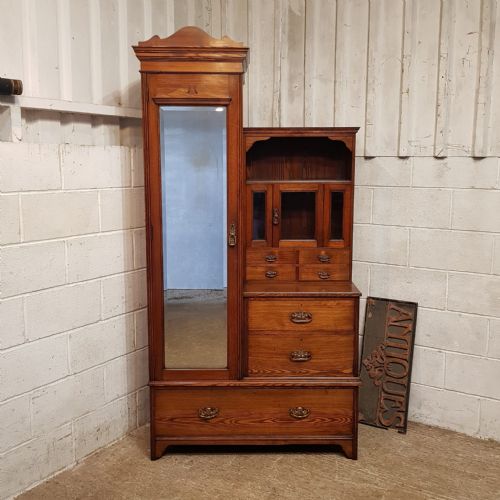
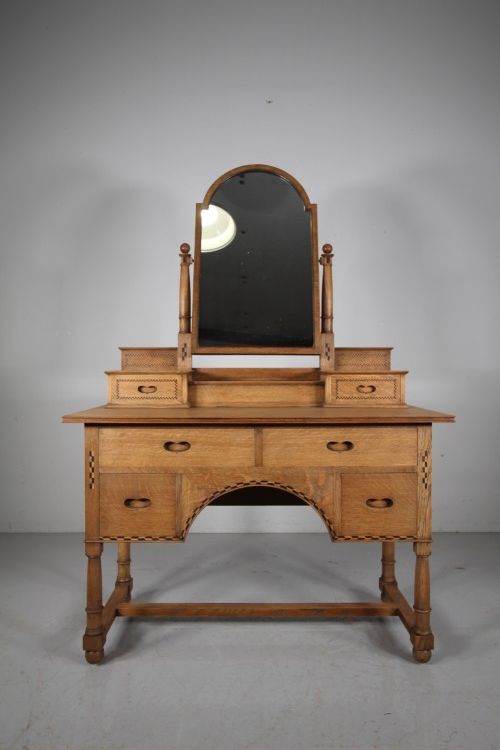
A wooden mirror chest brings together timber cabinetry and adjustable glass, most commonly found in this selection as Victorian and Edwardian dressing tables, dressing chests, and combination wardrobes.
The pieces range from compact Edwardian satin walnut chests to substantial Late Georgian and Victorian mahogany dressing tables incorporating swinging or triple mirror arrangements.
Makers utilised various secondary woods including oak, ash, and satin birch, whilst incorporating miniature forms and sophisticated combination furniture to maximise domestic utility.
Materials and Construction
Cabinetmakers constructed these forms using solid timbers and veneered surfaces of mahogany, oak, walnut, satinwood, and ash, often accented with brass hardware and marquetry inlay.
The mirror glass components require secure framing and adjustable wooden pivots or stands, integrated directly into the upper chest body or mounted atop a dressing table base.
Wooden Mirror Chest Retail Price Guide 2026
Typical asking prices for wooden mirror chest among the pieces listed under this phrase on Sellingantiques today, from the lower quarter to the upper quarter. They describe what is for sale here now, not the wider market.
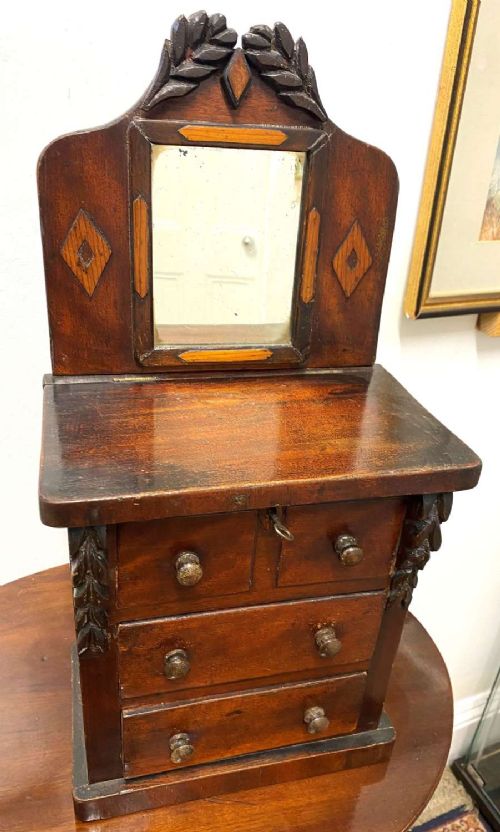
Several miniature wardrobe and apprentice piece versions exist here, offering full-scale cabinetry details on a miniature domestic scale.
Assessing Quality and Execution
The distinction between standard domestic pieces and finer workshops lies in timber selection, such as figured mahogany or rich satin walnut, alongside precise dovetail joinery in the drawer construction.
Design sophistication also elevates the work, distinguishing plain utilitarian chests from pieces featuring intricate marquetry stringing, brass mounts, or labeled craftsmanship from notable makers.
Heals·Gillows
The Wooden Mirror Chest Glossary
- Cheval mirror
- A full-length mirror hung in a frame that tilts on vertical pivots. It allows the viewer to see their entire reflection.
- Dressing chest
- A low chest of drawers fitted with a mirror on top. These items combined clothes storage with a surface for grooming.
- Marquetry
- Decorative woodwork where pieces of veneer are fitted into a ground material to form designs. It often employs contrasting timbers like satinwood and walnut.
- Satin walnut
- A timber derived from American red gum, frequently utilised in late nineteenth-century bedroom furniture for its warm tone. It mimics the appearance of more costly hardwoods.
Wooden Mirror Chest: Frequently Asked Questions
What is a wooden mirror chest?
A wooden mirror chest is a piece of furniture that unites a timber drawer unit with an integrated glass mirror. They serve primarily as dressing furniture for bedrooms.
Most examples date from the Victorian and Edwardian eras, utilising woods like mahogany, oak, and satin walnut.
How do I date these pieces?
Dating relies upon timber choices, construction methods, and stylistic details. Victorian pieces often use heavy mahogany or satin walnut with rich grain.
Edwardian and later pieces frequently employ lighter oak, satinwood, or ash, reflecting changing aesthetic preferences towards brighter domestic interiors.
Where were these pieces used?
These items belonged in the bedroom or dressing room of the home. They provided storage for garments alongside a dedicated surface and glass for personal grooming.
Larger combination wardrobes and dressing tables consolidated multiple functions into a single footprint to suit period domestic spaces.
Are the mirrors original?
Many pieces retain their original glass, though replacement is possible due to the fragile nature of antique mirrors. Original glass often displays subtle imperfections and light ageing.
Examining the backing boards and the fit within the wooden frame helps determine the period of the glass.