





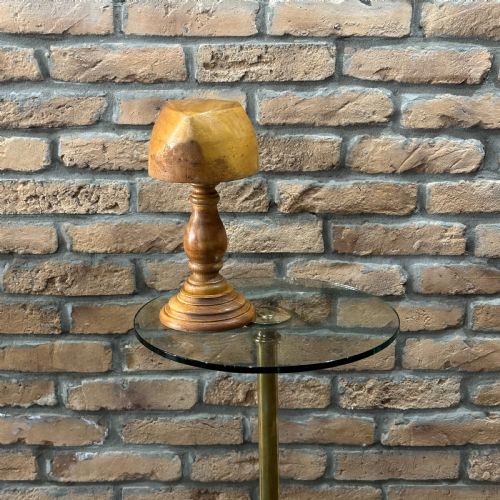
Wooden Millinery Form
A wooden millinery form is a functional workshop tool shaped to create and maintain hats, offering distinct sculptural character for modern interiors.
Wooden Millinery Form
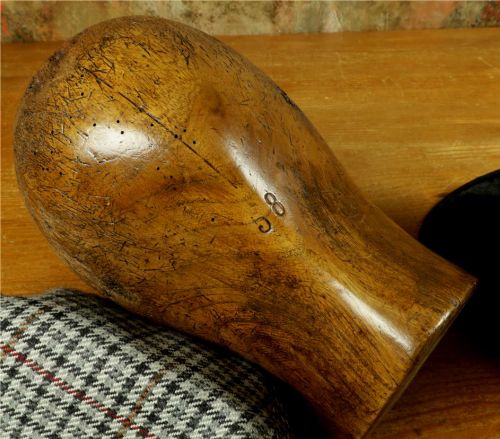
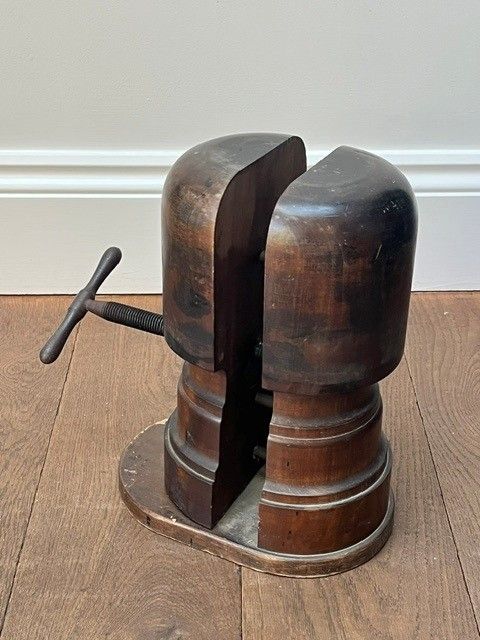
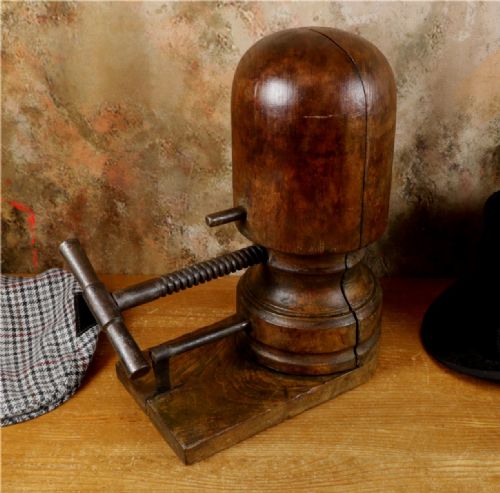
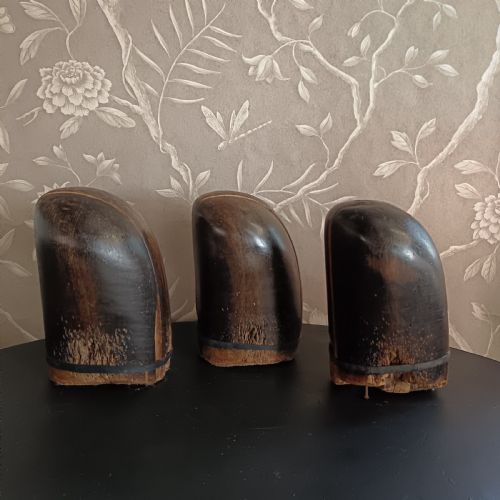
A wooden millinery form encompasses hat blocks, hat stretchers, and display stands originating from the nineteenth and early twentieth centuries. These objects served practical roles in shaping hats, caps, and headwear within traditional haberdashery and millinery workshops.
You will most commonly encounter French fruitwood blocks alongside Victorian industrial stretchers and carved folk art heads. The inventory ranges from simple beech hat blocks to specialised forms designed for military bearskin caps and wig display stands.
Pieces from this selection bridge utilitarian workshop equipment and decorative sculpture. Their forms reflect the specific head sizes and fashion shapes demanded by historical milliners across the Victorian and 1920s eras.
How they were made
Maker workshops utilised dense hardwoods such as oak, walnut, beech, and fruitwood to withstand the pressure of shaping damp felt and straw. These timbers were carved, turned, and joined to create solid heads and adjustable stretchers capable of repeated use.
Metal components in iron and cast iron frequently appear in the hardware of adjustable hat stretchers and mounting stands. Some examples incorporate fabric or papier-mache elements to build up specific contours required for detailed hat construction.
Wooden Millinery Form Retail Price Guide 2026
Typical asking prices for wooden millinery form among the pieces listed under this phrase on Sellingantiques today, from the lower quarter to the upper quarter. They describe what is for sale here now, not the wider market.
Current listings feature hardwood, fruitwood, and cast iron materials across Victorian and 1920s periods.
What varies in quality
The choice of dense hardwood timbers and the retention of original workshop patination distinguish finer surviving examples. Pieces bearing maker stamps or specialised configurations, such as military cap blocks, show superior craftsmanship.
The Wooden Millinery Form Glossary
- Hat block
- A solid wooden form carved to the interior shape of a hat, used by milliners to block and dry felt or straw. These blocks define the specific crown height and head size of the finished millinery.
- Hat stretcher
- A mechanical device composed of wooden segments expanded by an internal screw mechanism to enlarge hats. They served to adjust hat sizes within trade workshops.
- Fruitwood
- Dense, fine-grained timber sourced from fruit-bearing trees such as pear or apple, favoured for detailed turning. It provides a smooth surface that resists splitting under workshop pressure.
- Haberdashery
- The trade and equipment associated with sewing, buttons, and hat-making supplies. Millinery forms originate directly from the commercial spaces of these traditional outfitters.
Wooden Millinery Form: Frequently Asked Questions
What is a wooden millinery form used for?
These wooden blocks and stretchers were originally utilised by hatters to shape, size, and store millinery during production. In contemporary settings, they serve as sculptural display pieces for hats, wigs, and scarves.
Their robust construction and historical patina make them popular focal points for interior styling and collection.
How do I date a hat block?
Dating relies on observing the timber types, turning marks, and overall silhouette relative to known fashion periods. Victorian and early twentieth-century examples often display distinct tool signatures from workshop production.
Stylistic cues, such as the proportions of carved folk art heads, also help place pieces within eras like the 1920s Art Deco period.
What woods were used for hat blocks?
Workshop makers selected hard timbers capable of enduring heavy pressure and moisture during the hat-making process. Oak, walnut, beech, and fruitwood appear frequently across surviving pieces.
These dense materials ensured the forms maintained their exact dimensions through years of commercial use.
How should I display a hat block?
These sculptural objects require stable placement where their turned wooden contours can be viewed from multiple angles. Many collectors place them on bookshelves, sideboards, or dedicated metal stands.
Keeping them away from direct heat sources helps preserve the historical wood finish and prevents timber splitting.