


Wooden Military Cane
These wooden military cane examples are purposeful pieces of history, combining practical service with distinguished presence.
Wooden Military Cane
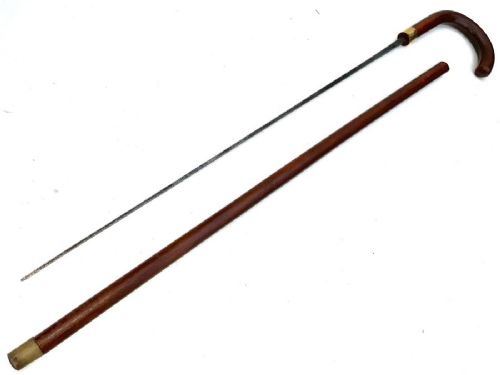
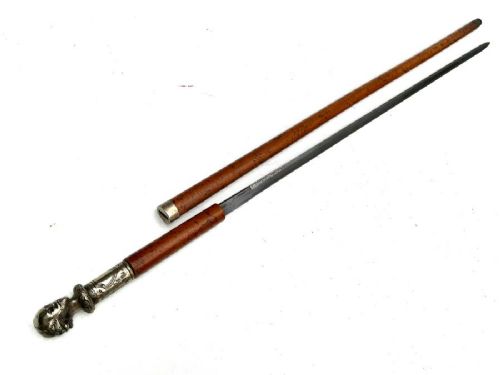
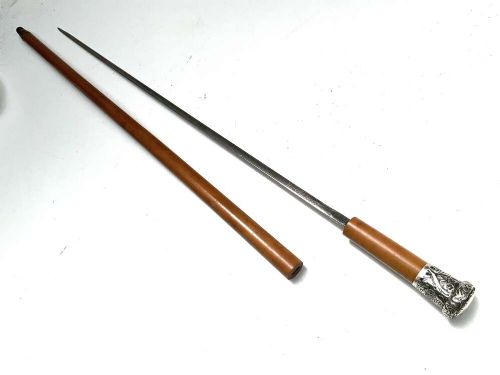
When you search for a wooden military cane, you are looking at items tied to service, command and campaign life across the nineteenth and twentieth centuries. These pieces encompass walking sticks, swagger sticks and sword sticks associated with various regiments and officers.
The versions most likely to be met on this page date from the Victorian, Edwardian and early twentieth-century periods, including specific pieces linked to units such as the Grenadier Guards and British India regiments.
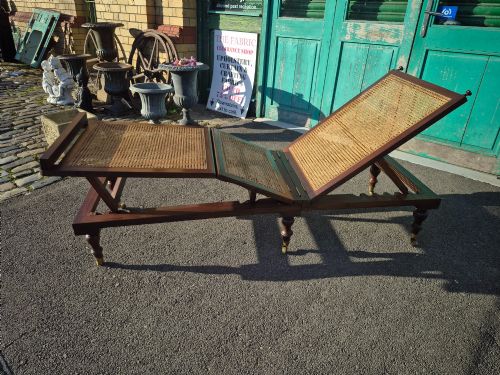
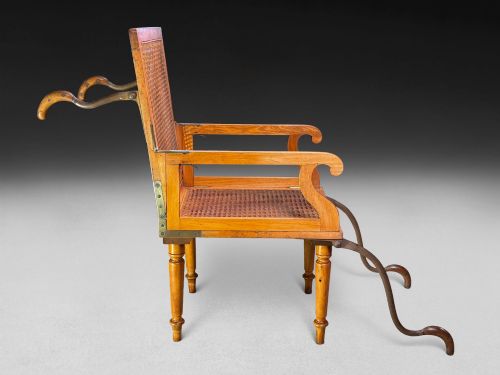
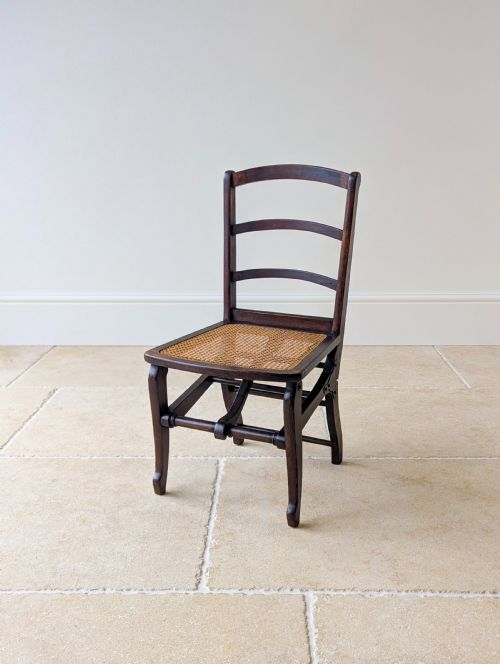
Beyond portable sticks, the broader evidence reveals campaign furniture forms such as folding chairs, daybeds and armchairs in mahogany and hardwood, reflecting the functional requirements of officers on the move.
How they were made
Makers utilised dense timbers such as mahogany and hardwood alongside cane to ensure the shafts and frames could withstand rigorous daily use. Metal components like brass, steel and iron frequently reinforced these pieces.
Silver plating often embellished the mounts and handles of walking and swagger sticks, adding a decorative finish to items intended for parade or formal duties.
Listings span the nineteenth and twentieth centuries, featuring periods such as the Regency, Victorian, Edwardian and nineteen-thirty.
What varies in quality
The distinction between standard service items and superior examples lies in the selection of timber and the fineness of the metal mounts. Substantial weight and balanced proportions indicate careful workshop execution.
Engraved silver plating and clear regimental associations elevate individual pieces, separating utilitarian equipment from items commissioned or presented with distinction.
The Wooden Military Cane Glossary
- Swagger stick
- A short cane carried by uniform personnel as a symbol of authority. These are typically slender and feature metal caps or regimental insignia.
- Sword stick
- A walking stick containing a concealed blade within the wooden shaft. They combine the appearance of a standard cane with a hidden defensive weapon.
- Campaign furniture
- Portable furnishings designed to fold or dismantle for transport by officers on military service. Mahogany and hardwood were standard for durability.
- Regiment
- A military unit commanded by a colonel and comprising several battalions. Items often bear specific regimental crests or inscriptions.
Wooden Military Cane: Frequently Asked Questions
What is a wooden military cane?
A wooden military cane is a walking stick or swagger stick associated with officers and regiments from the nineteenth and twentieth centuries.
These items served as marks of authority or personal equipment during active service and ceremonial duties.
How were swagger sticks used?
Swagger sticks were carried under the arm by officers and senior non-commissioned officers as part of their walking out uniform.
They denoted rank and discipline rather than serving as mobility aids.
What materials are common?
Common materials include hardwood, mahogany and cane, frequently paired with brass, steel or silver-plated mounts.
These durable substances suited the practical demands of military life.
How do I identify the period?
Dating relies on style markers, materials and any inscribed regimental details referencing specific campaigns or battalions.
Pieces span the Victorian, Edwardian and early twentieth-century eras.