

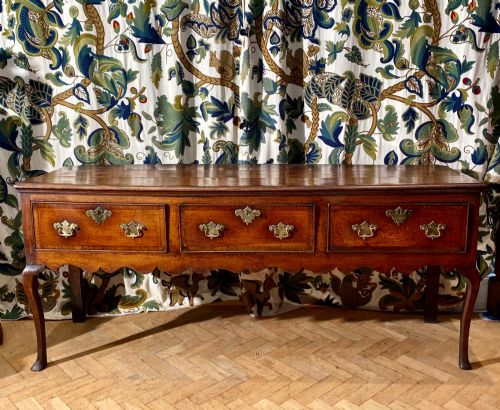
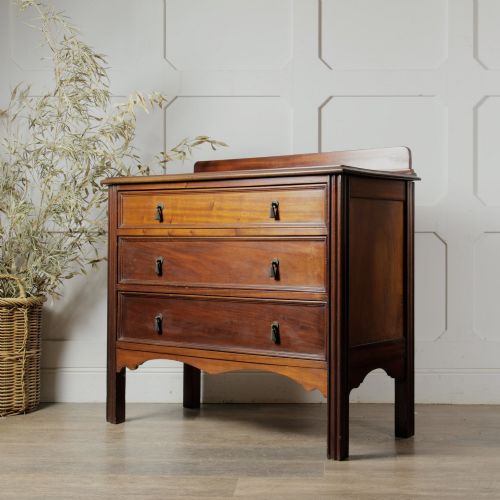
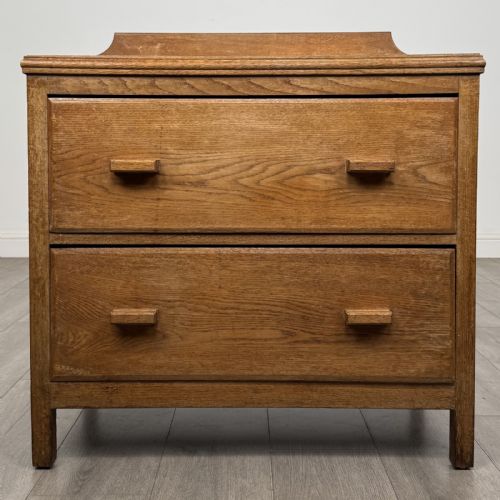
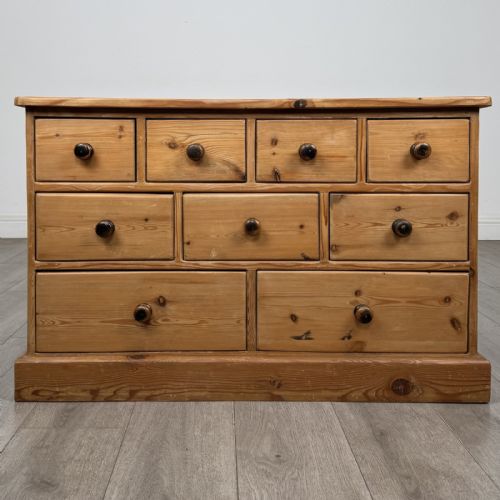
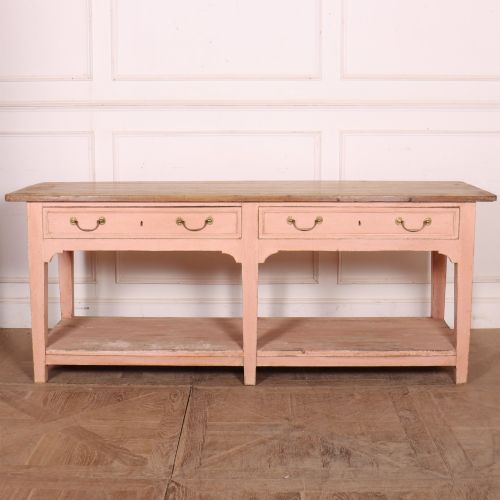
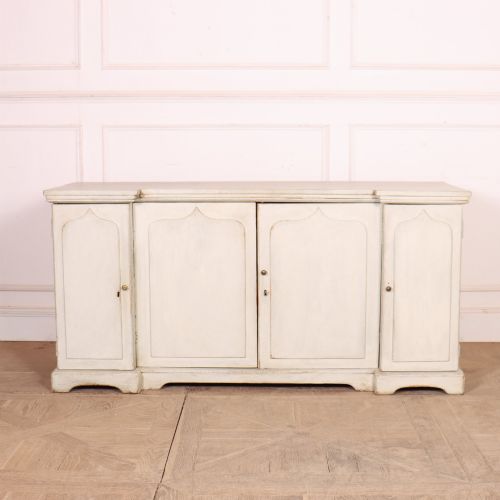
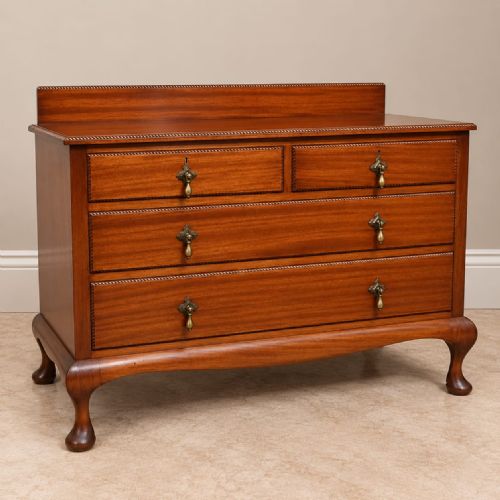
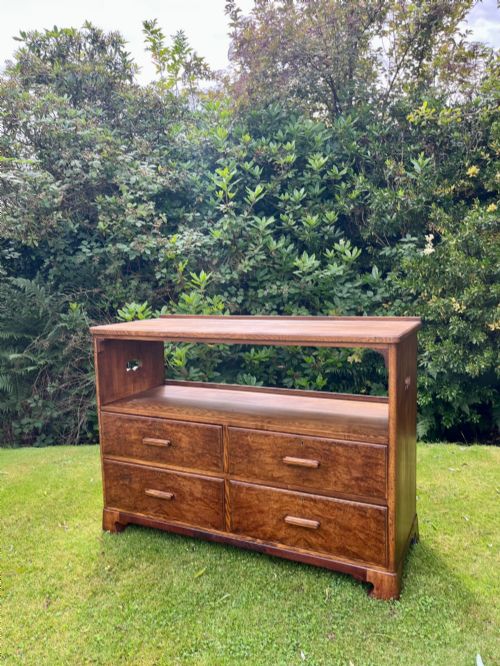
Wooden Low Dresser
These wooden low dressers offer practical surface space and storage, bringing centuries of craftsmanship into modern homes.
Wooden Low Dresser
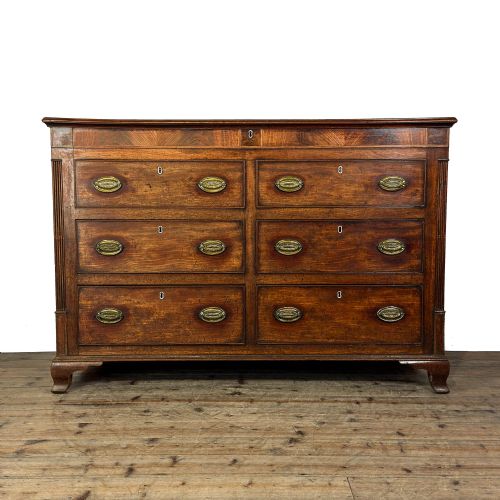
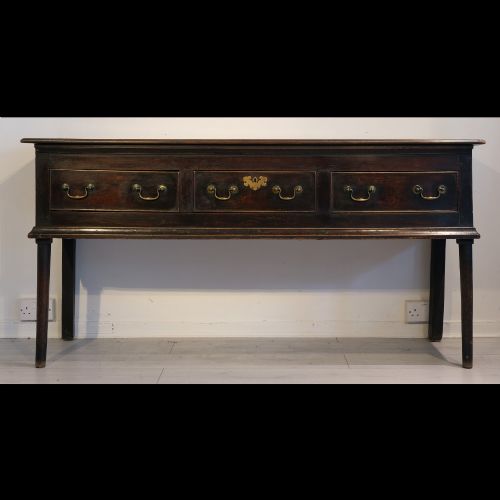
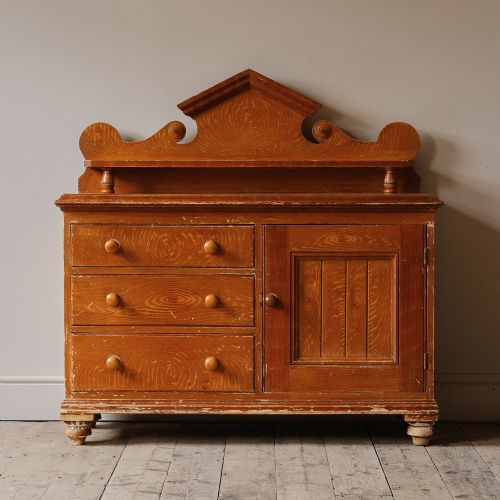
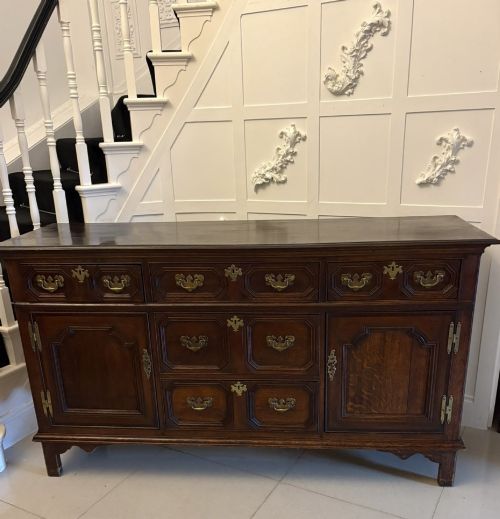
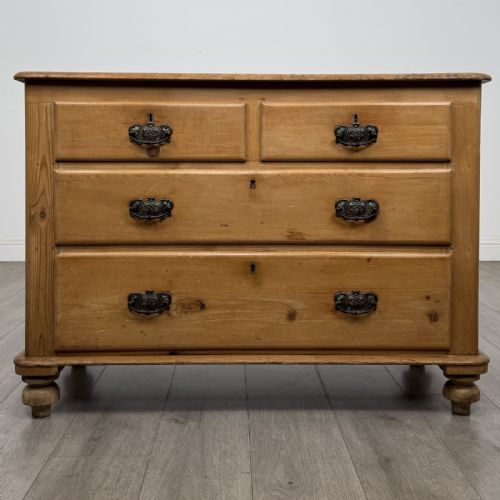
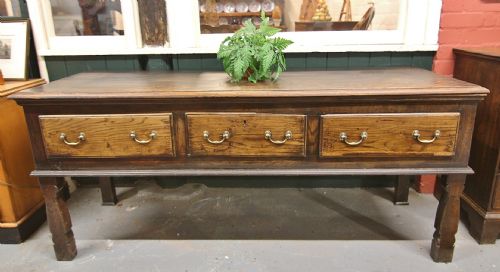
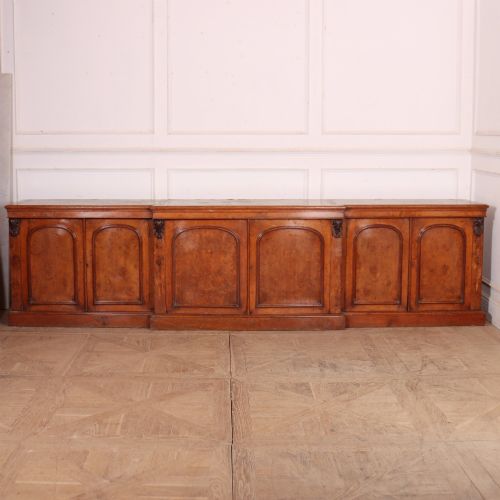
A wooden low dresser typically functions as a low sideboard, dresser base, or chest of drawers designed for utility and display. Buyers seeking a wooden low dresser encounter forms ranging from Georgian and Victorian country pieces to Edwardian and later twentieth-century iterations.
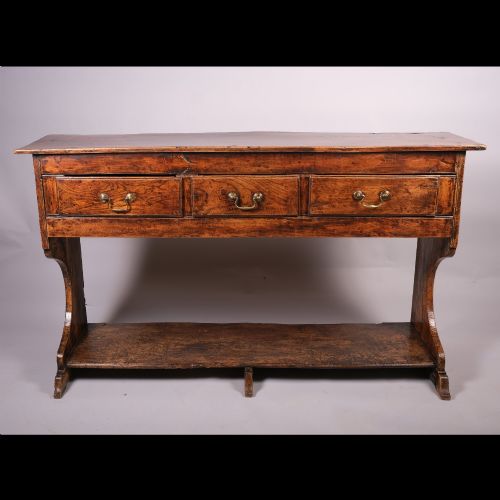
The selection includes regional variations such as Lancashire and Scottish farmhouse pieces, alongside English, Dutch, and French examples. Forms span from open potboards to multi-drawer sideboards and apothecary styles.
These items originate across the eighteenth, nineteenth, and early twentieth centuries. Oak, pine, and mahogany dominate the construction, accompanied by elm, walnut, and cherrywood.
Materials and construction
Makers relied principally on hardwoods such as oak, mahogany, walnut, and elm alongside softer timbers like pine. Surfaces often display a waxed finish, traditional paint, or inlaid details.
Hardware typically incorporates brass handles and pulls, while structural elements utilise iron fixings. Construction methods reflect the prevailing standards of Georgian, Victorian, and Arts and Crafts traditions.
Wooden Low Dresser Retail Price Guide 2026
Typical asking prices for wooden low dresser among the pieces listed under this phrase on Sellingantiques today, from the lower quarter to the upper quarter. They describe what is for sale here now, not the wider market.
Some apothecary and drapers chests retain compartments once filled with dried herbs or linen bolts.
Distinctions in quality
Quality rests upon the selection of timber, such as burr walnut, golden oak, or figured mahogany, and the integrity of the cabinetmaking. Superior examples exhibit considered proportions, refined drawer construction, and well-preserved original surfaces.
Whytock and Reid·Bowman Brothers·WC Burt
The Wooden Low Dresser Glossary
- Dresser base
- The lower portion of a traditional kitchen dresser, functioning independently as a sideboard with cupboards or drawers. These pieces provide surface space and enclosed storage.
- Potboard
- An open slatted lower shelf beneath a dresser base historically used for storing heavy pots and pans. This feature is common in regional English and farmhouse furniture.
- Breakfront
- A piece of furniture featuring a central section that projects forward from the flanking outer sections. This architectural arrangement creates depth and visual interest on sideboards and dresser bases.
- Gallery
- A raised wooden or brass rail running along the back or sides of a top surface to prevent items from sliding off. Galleries frequently appear on chest of drawers and sideboard designs from the Edwardian period.
- Lancashire
- A regional style of furniture originating from northwest England, often associated with sturdy proportions and substantial drawer arrangements. Pieces from this tradition utilise local timbers like oak.
Wooden Low Dresser: Frequently Asked Questions
What is a wooden low dresser?
A wooden low dresser is a heavy-topped storage unit, often found as a dresser base or sideboard, designed for domestic use. These pieces provide low horizontal surfaces paired with multiple drawers or cupboards.
Origins stretch from the eighteenth century through to the early twentieth century, taking stylistic cues from Georgian, Victorian, and Arts and Crafts movements. Timbers like oak, pine, and mahogany form the primary body of these works.
How were dresser bases used?
Dresser bases served primarily in kitchens and dining rooms for food preparation, serving, and the storage of tableware. The top surface held provisions while drawers and lower shelves contained utensils.
Potboard variants allowed heavy cookware to sit within reach on open lower slats. Over time, these utilitarian tables transitioned into principal living space storage.
How do I style a low dresser?
A low wooden dresser acts as a focal sideboard in dining rooms, hallways, or living spaces. The surface accommodates lamps, ceramics, and books while keeping storage concealed below.
Pairing country oak or pine pieces with modern interiors creates contrast, while mahogany and walnut designs suit traditional room schemes. Low proportions ensure sightlines remain open across the room.
How do I identify eighteenth century oak?
Eighteenth century oak furniture displays dense grain patterns, hand-cut joinery, and patination acquired over centuries of use. Pegged joints and timber shrinkage indicate age before industrial manufacturing.
Regional characteristics, such as Lancashire or Scottish farmhouse builds, show distinct regional preferences in drawer count and structural framing. Waxed finishes highlight the natural figure of the wood.