

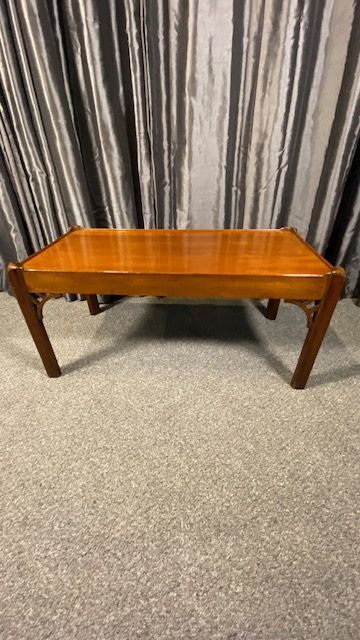
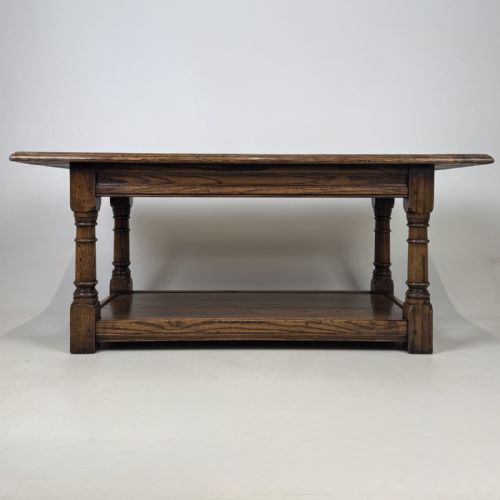
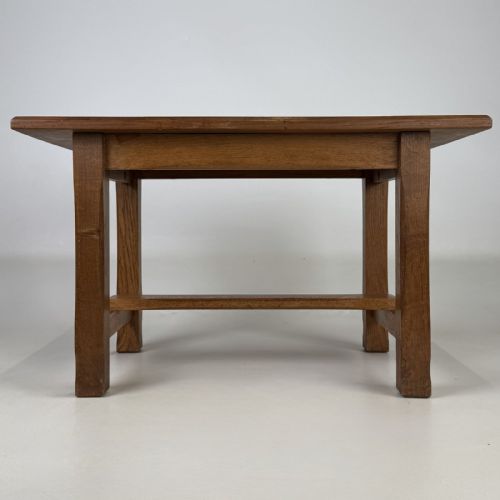
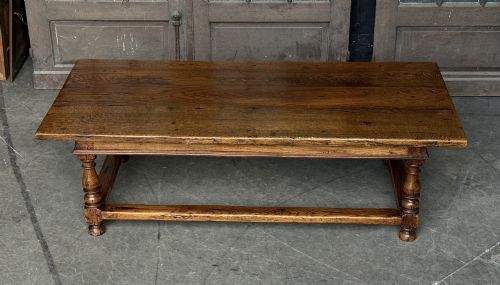
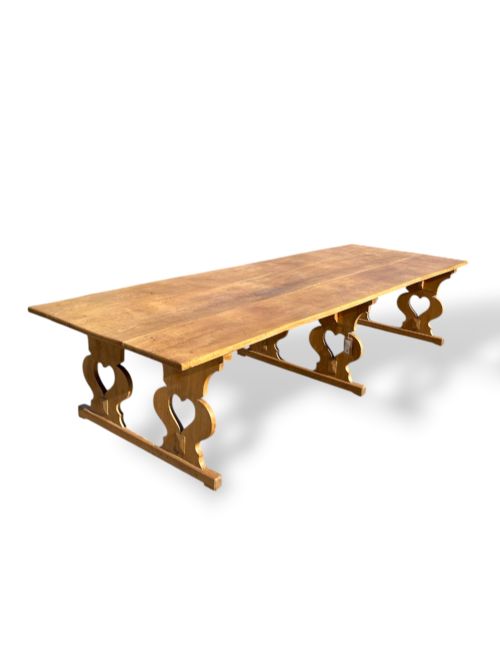
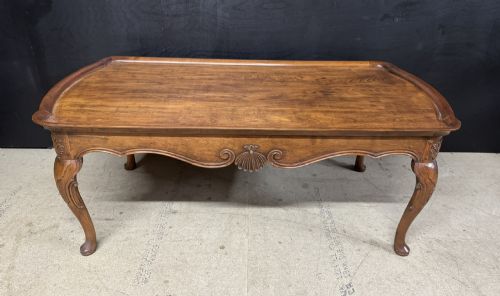
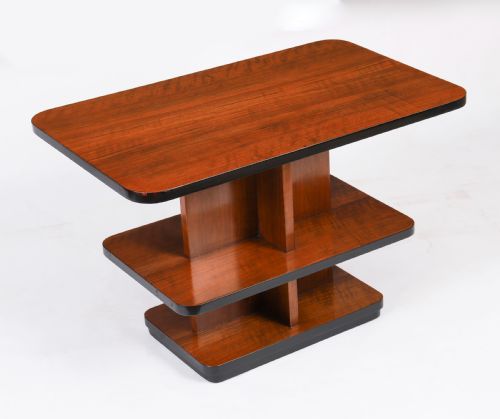

Wooden Low Cocktail Table
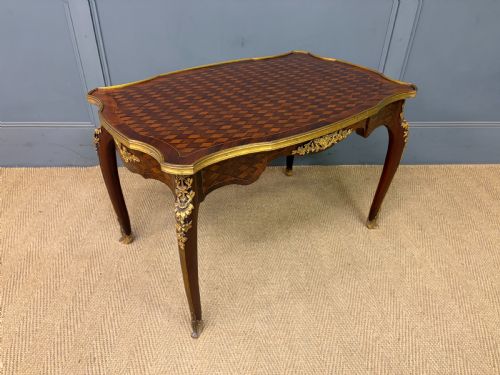
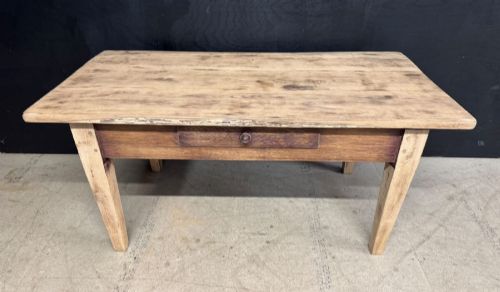
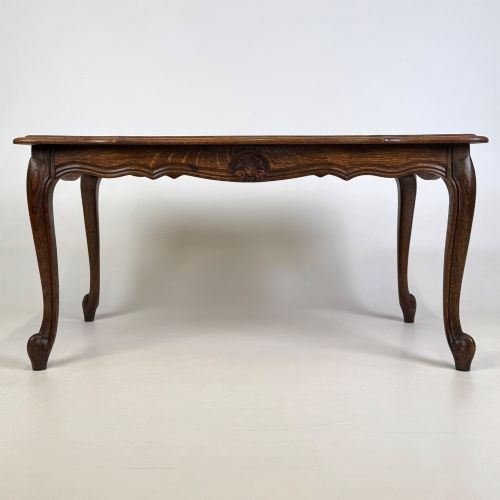
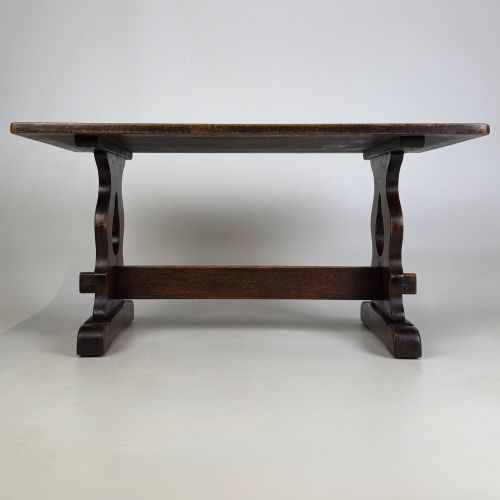
These wooden low cocktail table examples bring together centuries of craftsmanship, offering practical surfaces shaped from walnut, oak, and burr walnut.
Wooden Low Cocktail Table
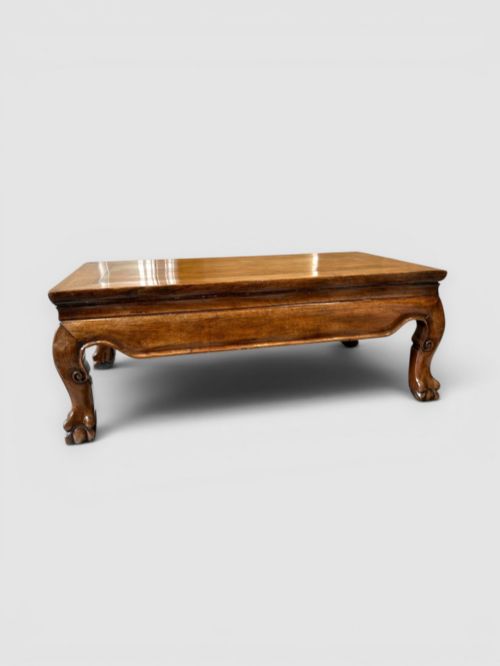
When you search for a wooden low cocktail table, you encounter low forms adapted for modern living from earlier centuries and decades. The pieces gathered here span the eighteenth century through the Art Deco era and Edwardian period, taking the shape of coffee tables, opium tables, and low tables.
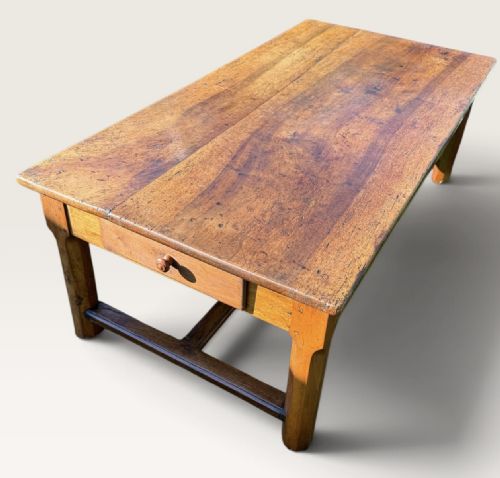
You meet heavy proportions in English oak alongside lighter French marquetry and burr walnut. Many examples originate from domestic traditions, ranging from rustic farmhouse forms to Queen Anne revival designs and tiered Art Deco creations.
The selection ranges from large proportions suited to generous rooms down to small, circular, and tray top formats. Walnut and oak dominate the offerings, matched with elm, cherry wood, and mahogany.
How they were made
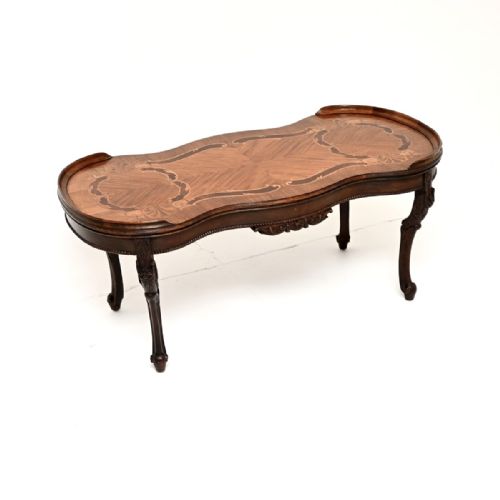
Cabinetmakers utilised solid timbers and decorative veneers, applying burr walnut, yew wood oyster veneer, and marquetry patterns across tabletops. Carving, turning, and joinery define the structures, with turned legs supporting oak and walnut frames.
Surfaces feature inlaid details, marble tops, and painted finishes, while structural elements include side drawers and tiered platforms. Joinery techniques reflect the period of origin, from eighteenth-century elm construction to Edwardian and Art Deco manufacturing.
Wooden Low Cocktail Table Retail Price Guide 2026
Typical asking prices for wooden low cocktail table among the pieces listed under this phrase on Sellingantiques today, from the lower quarter to the upper quarter. They describe what is for sale here now, not the wider market.
The listings span periods from the 18th century through the Art Deco era, featuring walnut, oak, elm, and mahogany.
What varies in quality
The distinction between ordinary and exceptional pieces rests on the choice of timber and the precision of the cabinetwork. Figured walnut, burr walnut, and intricate marquetry demand superior skill from the maker compared to plain pine or standard oak boards.
Proportion and decorative restraint elevate certain items, particularly where carved details or inlaid veneers are integrated into the design. The integrity of the original surface finish and the harmony of the legs to the top determine the standing of each piece.
Betty Joel
The Wooden Low Cocktail Table Glossary
- Marquetry
- The art of forming decorative patterns by fitting together thin slices of wood veneer. This technique appears on tabletop surfaces across various periods.
- Oyster veneer
- Timber cut across the branch to produce circular or oval rings resembling oysters. It creates distinctive patterns on period surfaces.
- Pie crust
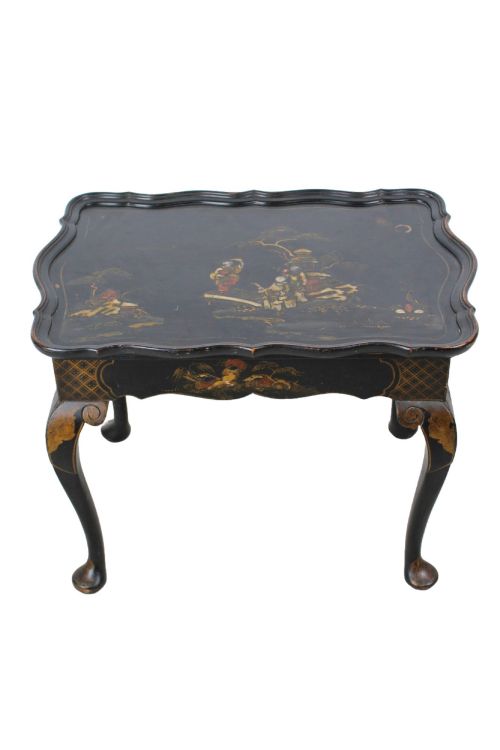
- A carved, scalloped raised edge running along the perimeter of a tabletop. This detail is found on walnut pieces.
- Tiered
- Having successive levels or stages arranged one above another. It is characteristic of certain Art Deco designs.
- Chinoiserie
- European imitation or adaptation of Chinese artistic motifs and styles. It appears on tray top tables from the Edwardian era.
Wooden Low Cocktail Table: Frequently Asked Questions
What is a wooden low cocktail table used for?
These low surfaces serve primarily as coffee tables positioned centrally in living spaces. They provide a stable platform for drinks, books, and decorative objects while maintaining sightlines across a room.
Historically, many of these low forms originated as larger tables cut down or specialised low furniture such as opium tables and farmhouse benches. Their reduced height makes them suited for placement in front of seating areas.
How do I identify the period of a wooden low cocktail table?
Dating relies on observing the combination of timber, structural joinery, and decorative style. Eighteenth-century examples often feature solid elm, oak, or walnut with traditional jointing, while Edwardian and 1930s pieces display distinct characteristics like marquetry, tiered structures, or Art Deco geometry.
Makers' marks, veneer types, and specific stylistic revivals such as Queen Anne or Chinoiserie also provide clear indicators of origin. Comparing the leg turnings and edge profiles helps narrow down the decade of manufacture.
How do I care for antique wood surfaces?
Preserving wood surfaces requires protection from direct sunlight and sudden changes in temperature or humidity. Regular dusting with a soft cloth prevents particle buildup, and occasional application of appropriate wax maintains the lustre of walnut, oak, and mahogany.
Avoid placing hot cups or wet glasses directly onto polished timber without coasters. Gentle treatment preserves the original patina built up over decades or centuries.
Are these tables sturdy enough for daily use?
Most pieces are built from durable hardwoods like oak, walnut, and mahogany designed for functional domestic service. Their solid construction allows them to withstand regular use in modern living environments.
Care should be taken with delicate items featuring fine marquetry, oyster veneer, or painted finishes. Proper placement ensures that the timber supports daily demands without sustaining structural strain.