





Wooden Lion Masks
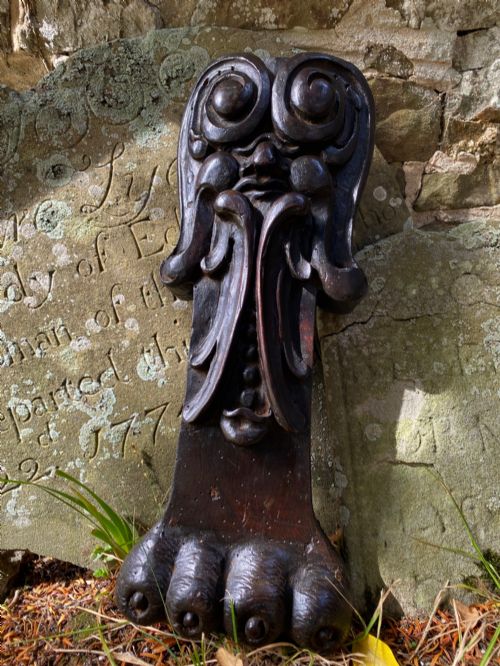
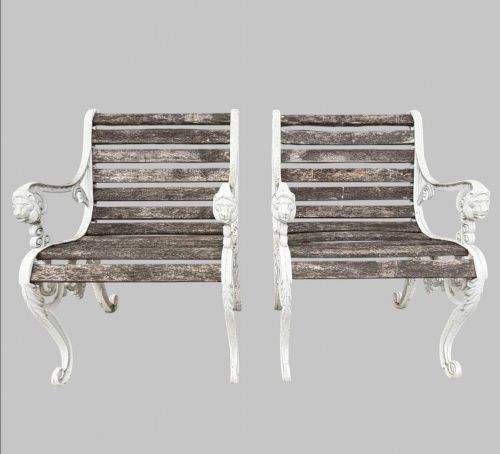
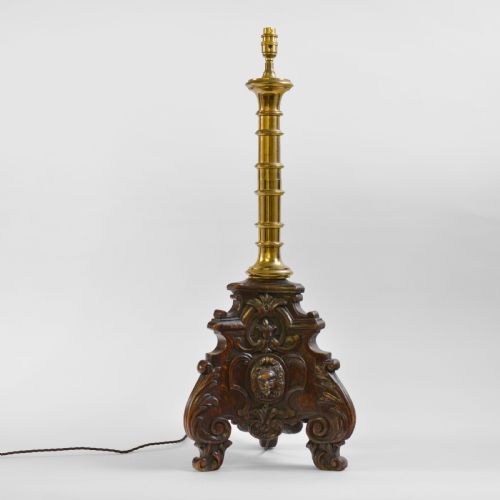
These wooden lion masks are sculptural carvings found upon sideboards, tea caddies, and architectural panels, bringing classical strength and dignity to period interiors.
Wooden Lion Masks
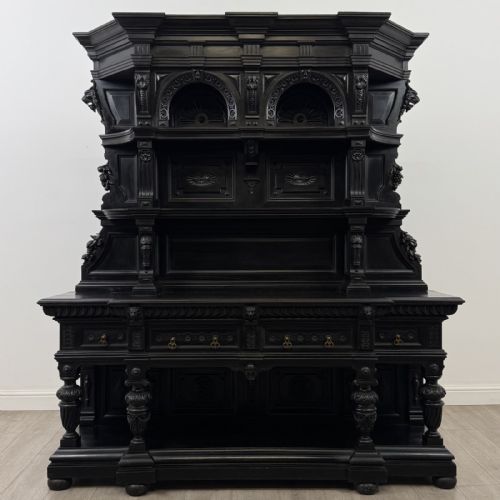
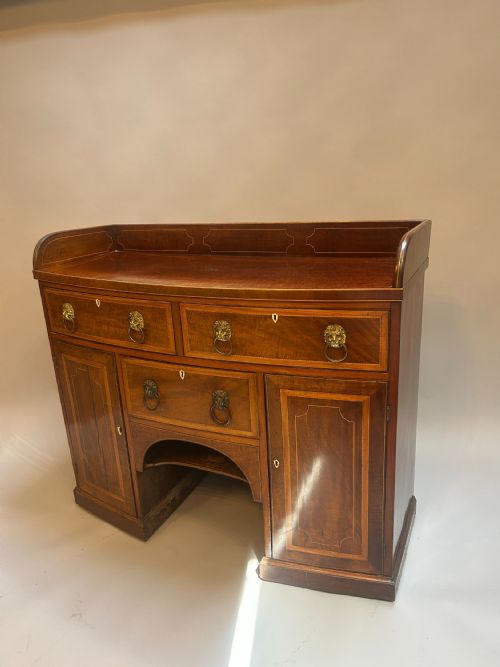
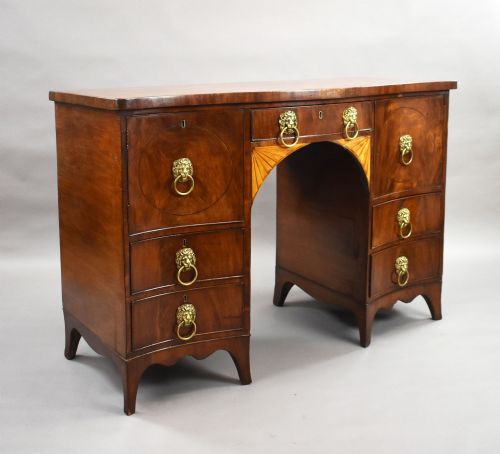
Wooden lion masks appear most frequently as decorative carvings integrated into mahogany, walnut, and oak furniture such as sideboards, wine coolers, and tea caddies. Dating largely from the Georgian, Regency, and Victorian periods, these architectural and decorative elements serve both an ornamental and functional purpose.
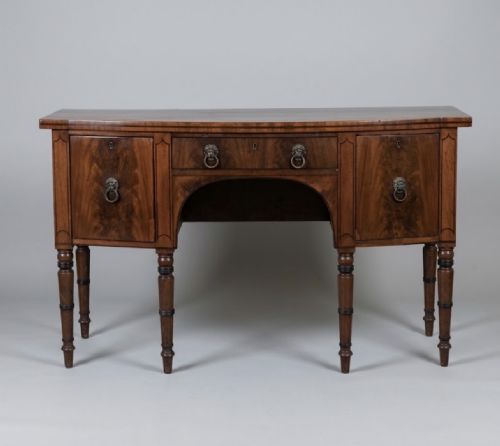
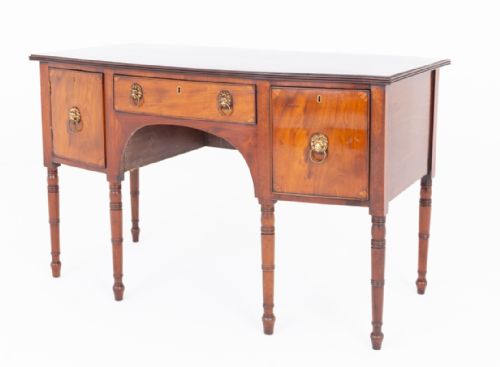
On this page, buyers will most commonly encounter these fierce motifs rendered on the drawers and pedestals of sideboards or as standalone carved wall masks. They span styles from George III and Regency to Victorian and Black Forest, reflecting centuries of classical revival in British and European cabinet making.
The form draws on ancient Roman and Renaissance motifs, translated by 18th and 19th-century carvers into striking wooden reliefs. Whether applied as drawer pulls or carved directly into solid timber, they provide an enduring focal point for period furniture.
How they were made
Many examples incorporate brass mounts or rings held in the lion's mouth, combining cast metalwork with carved timber. The wood was typically finished with wax or polish to highlight the natural figure and colour of the mahogany or walnut beneath.
Wooden Lion Masks Retail Price Guide 2026
Typical asking prices for wooden lion masks among the pieces listed under this phrase on Sellingantiques today, from the lower quarter to the upper quarter. They describe what is for sale here now, not the wider market.
Listings demonstrate that these carvings span the Georgian, Regency, and Victorian periods, executed in mahogany, walnut, and oak.
What varies in quality
Integration into the host piece matters equally; the finest examples form an organic part of the furniture's architectural design rather than looking like an afterthought pinned to a drawer front.
The Wooden Lion Masks Glossary
- Cellarette
- A lockable container used for storing wine bottles near the dining table. They frequently incorporate heavy timber carving and brass handles.
- Black Forest
- A style of 19th-century wood carving originating from the Swiss region, known for highly realistic representations of animals, including lions and tigers.
- Bowfront
- A convex, outward-curving furniture front popular during the Georgian and Regency eras. Sideboards of this shape often display carved mask details on their central drawers.
- Inlay
- The technique of inserting contrasting strips of wood, such as satinwood or boxwood, into the primary timber of a surface. This decorates the areas surrounding the carved elements.
Wooden Lion Masks: Frequently Asked Questions
What pieces feature wooden lion masks?
These carved motifs appear predominantly on formal dining room furniture, including mahogany sideboards, sarcophagus wine coolers, and tea caddies. They are also found on standalone architectural wall panels and Black Forest animal carvings.
Cabinet makers used the motif to convey strength and classical authority, placing them centrally on drawer fronts or flanking the corners of large case pieces.
How do I date a carved lion mask?
Dating relies on the surrounding furniture style, the timber used, and the crispness of the hand-carving tool marks. Georgian and Regency pieces typically employ dense mahogany with restrained classical proportions, while Victorian interpretations often feature heavier, deeper relief work in walnut or oak.
Secondary woods inside drawers and the method of construction provide further clues to the precise era of manufacture.
Were these masks purely decorative?
While many served an ornamental function on the faces of sideboards and wall masks, others performed a practical role. On wine coolers and cellarettes, the lion's mouth frequently holds a brass ring that serves as a functional carrying handle.
On smaller boxes and tea caddies, they act as decorative escutcheons or visual anchors for heavy side mounts.
How should I care for carved wood?
Maintain the timber by applying a microcrystalline wax sparingly to nourish the grain and protect the carved details from drying out. Avoid placing carved pieces near direct heat sources or in fluctuating humidity, which can cause the dense hardwoods to split.
Dust gently with a soft, dry brush to keep the deep recesses of the lion's mane free from particle buildup.