



Wooden Kitchen Island Stool
These wooden kitchen island stool pieces bring genuine historic character to a home, offering sturdy seating grounded in centuries of practical craft.
Wooden Kitchen Island Stool
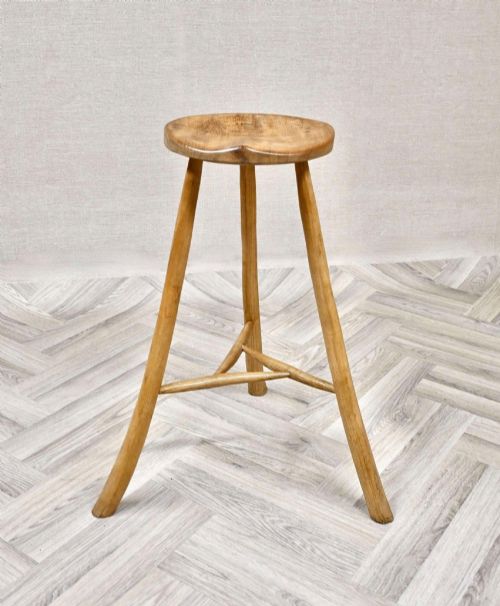
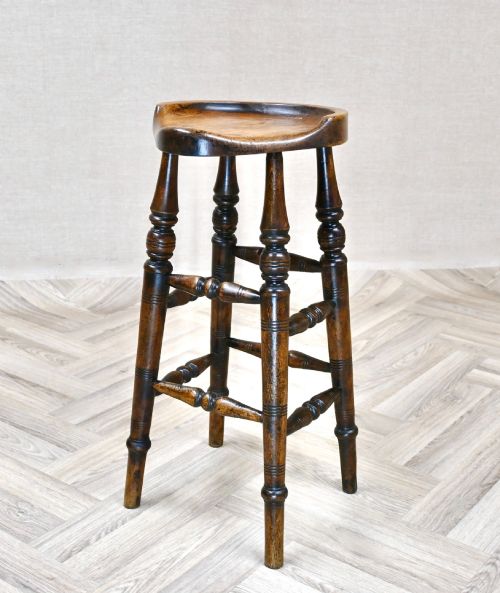
When you search for a wooden kitchen island stool, you are looking at utilitarian seating designed for raised surfaces, domestic prep work, and informal gathering. The pieces available here span from the nineteenth century into the early twentieth century, showing straightforward forms shaped by everyday utility.
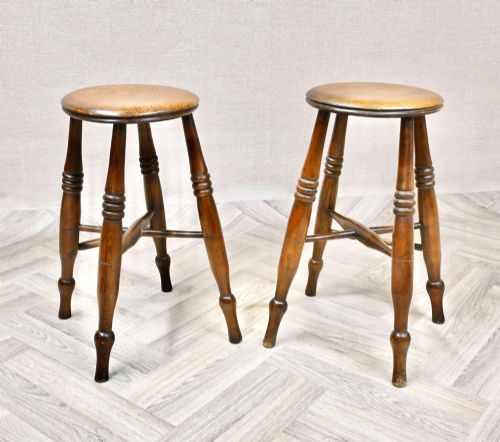
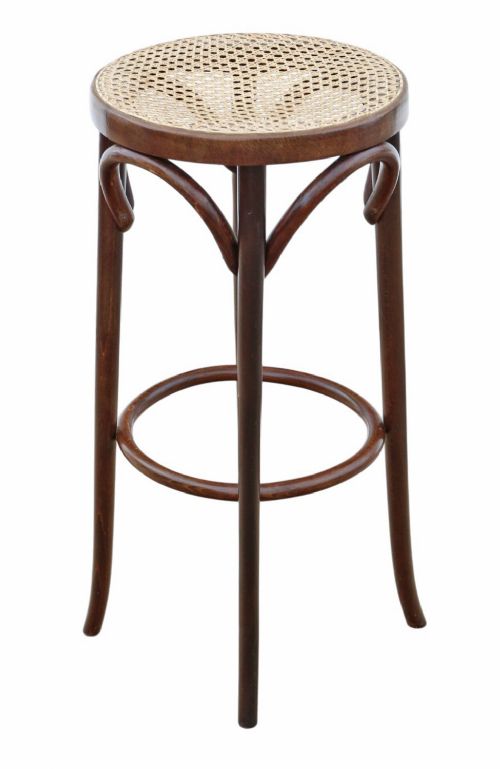
You are most likely to meet tall bar stools and high stools stemming from nineteenth century workshops, alongside early twentieth century bentwood variations. These range from single pieces to sets of tall bar stools and farmhouse table stool collections.
The forms lean heavily towards rustic country, farmhouse, and European bistro styles. Alongside traditional stools, the selection includes related utilitarian items such as chopping blocks and butchers blocks.
How these pieces were constructed
The construction relies heavily on solid timber, with beech, oak, pine, and elm appearing across the inventory. These woods were chosen for their durability and availability in vernacular furniture production.
Makers utilised traditional joinery and steam-bending techniques, particularly visible in the Vienna bentwood examples from the nineteen-twenties and nineteen-thirties. Additional materials such as cane and wire occasionally support the primary wooden structures.
Wooden Kitchen Island Stool Retail Price Guide 2026
Typical asking prices for wooden kitchen island stool among the pieces listed under this phrase on Sellingantiques today, from the lower quarter to the upper quarter. They describe what is for sale here now, not the wider market.
The current selection spans the nineteenth century up to nineteen-thirty, incorporating beech, oak, pine, and elm.
What separates the finest examples
Quality rests in the integrity of the timber and the honesty of the construction. Superior pieces show thoughtful selection of woods like elm or oak, where grain pattern and structural resilience meet.
The distinction between standard utility items and finer examples lies in the refinement of the turning and the grace of the bentwood curves. Early twentieth century bentwood high stools demonstrate a lightness of touch that elevates simple seating into considered design.
The Wooden Kitchen Island Stool Glossary
- Bentwood
- Wood shaped by exposure to steam, allowing makers to create flowing curves without joints. This technique defines iconic café and bar seating from the nineteenth and twentieth centuries.
- Vernacular
- Everyday furniture made by regional joiners rather than high-style cabinetmakers. These pieces prioritise practical function over ornamental decoration.
- Butchers block
- A heavy timber chopping surface constructed from end-grain wood blocks. It shares the workspace of a kitchen environment with high stools.
- Bar stool
- Tall seating designed for elevated counters or work benches. Historical versions often feature integrated footrests for stability.
Wooden Kitchen Island Stool: Frequently Asked Questions
How were high stools used originally?
These tall pieces served working functions in domestic kitchens, workshops, and commercial settings like bistros and pubs. They provided necessary elevation for standing-height counters and prep tables.
Over time, their practical role expanded into casual dining and social spaces, setting the precedent for modern kitchen island seating.
What woods should I expect to find?
The inventory relies on sturdy hardwoods and softwoods suited to heavy daily use. Beech, oak, elm, and solid pine form the backbone of these traditional pieces.
Makers selected each timber based on its structural strength and local availability, resulting in honest surfaces that age with distinct character.
How do I date an older wooden stool?
Dating relies on observing construction methods, tool marks, and material wear. Nineteenth-century examples often display hand-turned elements and pegged joinery.
Twentieth-century pieces, such as those from the nineteen-twenties and thirties, frequently introduce steam-bent components and lighter structural profiles.
Are these stools suitable for daily use?
Historic seating from these periods was built for demanding utilitarian environments. Their robust construction makes them well-suited for contemporary domestic life.
Placing them around a modern kitchen island bridges historic craftsmanship with everyday household practicality.