

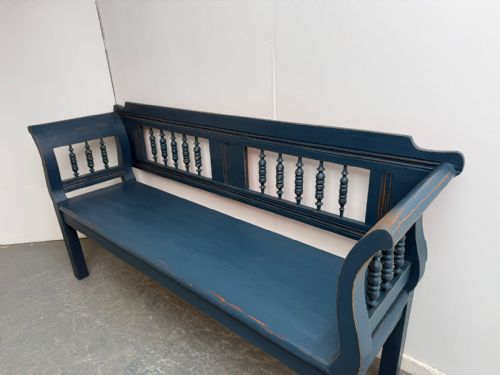


Wooden Kitchen Bench
A wooden kitchen bench brings practical seating and honest utility to a room, offering sturdy charm gathered from nineteenth-century farmhouses and workshops.
Wooden Kitchen Bench
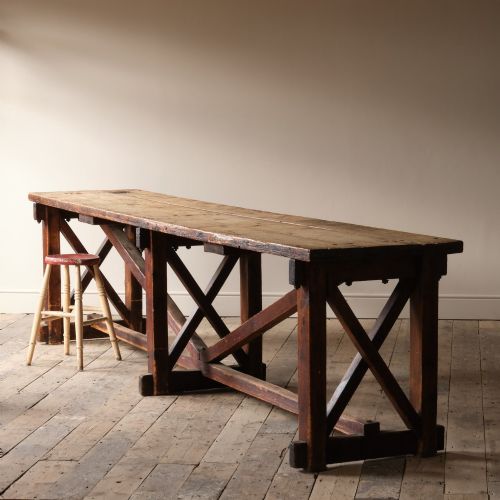
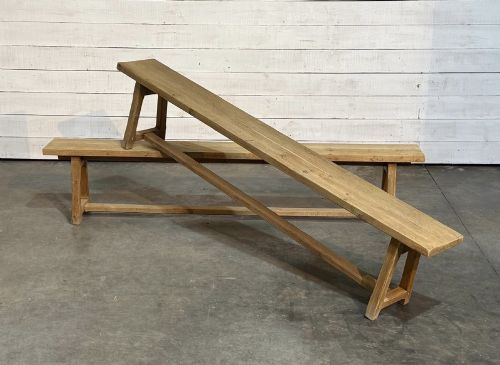
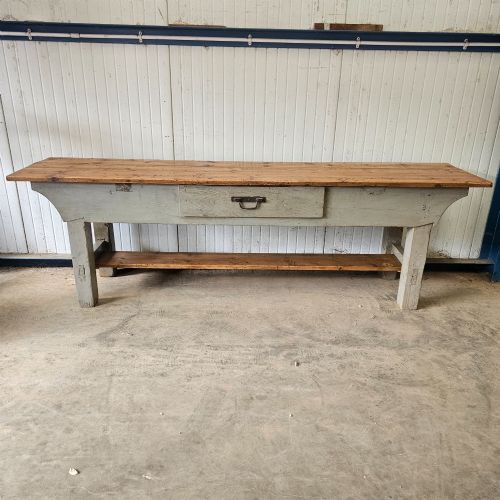
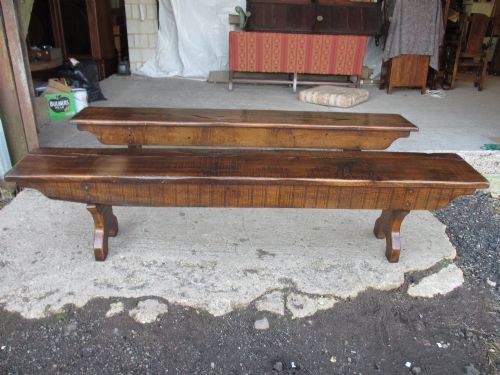
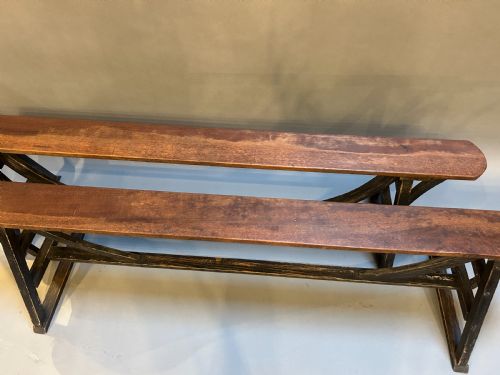
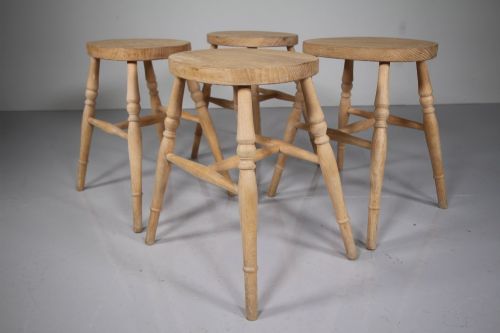
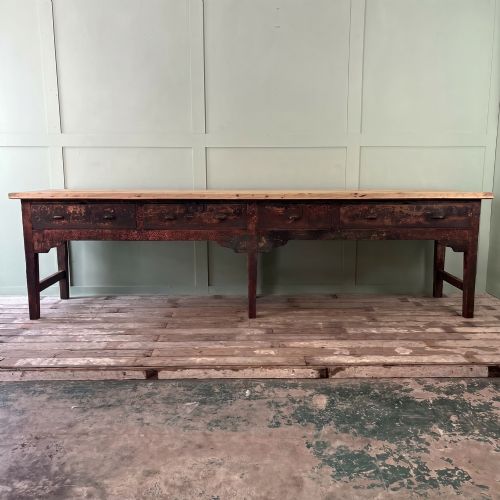
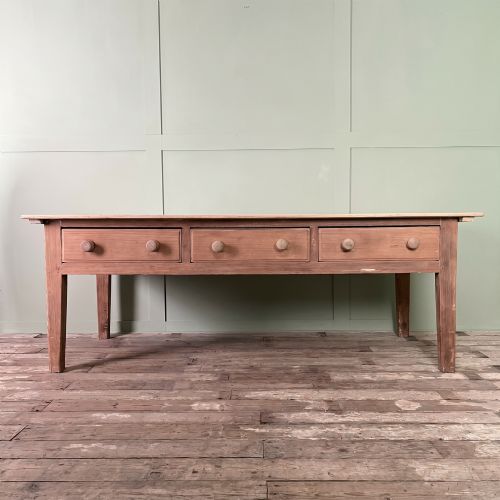
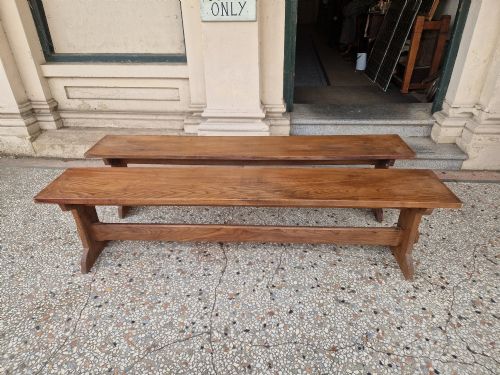
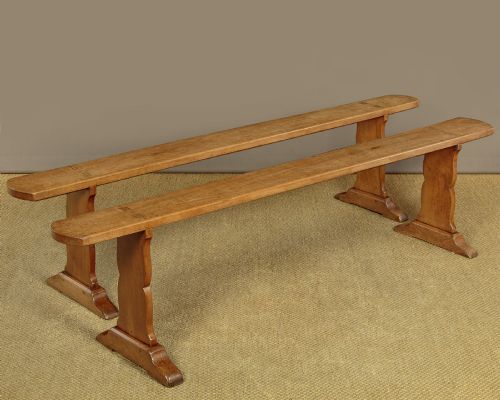
A wooden kitchen bench serves as a functional seating option or a robust surface for domestic preparation. The pieces found here range from simple plank benches to heavy oak and pine worktables adapted from trade use.
The most common examples on this page are nineteenth-century pine benches and workbenches originating from English, French, and Scandinavian contexts. Buyers also encounter Edwardian oak designs and cherrywood dining benches from the early twentieth century.
These items bring regional character into modern homes, functioning equally well beside a dining table or as a standalone surface in a hallway or kitchen.
Materials and construction methods
Construction relies heavily on durable domestic timbers such as pine, oak, elm, and cherrywood, selected for their strength and longevity. Craftsmen built these benches to endure heavy daily labour in workshops, dairies, and country homes.
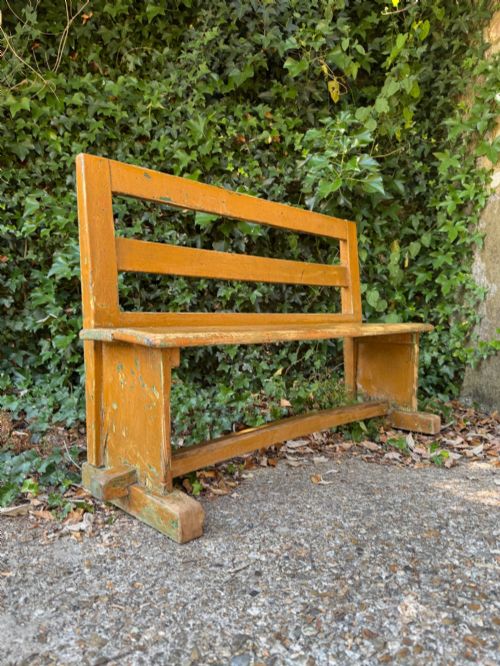
Joinery techniques include thick plank tops secured to solid trestle ends, shaped supports, or integrated vices on workbench variants. Painted finishes in blue or green often appear alongside waxed or scrubbed natural wood surfaces.
Wooden Kitchen Bench Retail Price Guide 2026
Typical asking prices for wooden kitchen bench among the pieces listed under this phrase on Sellingantiques today, from the lower quarter to the upper quarter. They describe what is for sale here now, not the wider market.
Listings feature timbers including pine, oak, elm, and cherrywood, spanning the nineteenth century through the Edwardian period and the 1930s.
Factors influencing quality
Quality rests in the integrity of the timber and the honesty of the surviving surface. Benches that retain their original paint or aged patina hold greater character than those stripped down without regard for their history.
Structural heft and thoughtful proportions distinguish everyday utility items from finer workshop pieces. The presence of original working elements, such as wooden vices or integrated lower shelves, elevates a piece.
The Wooden Kitchen Bench Glossary
- Settle
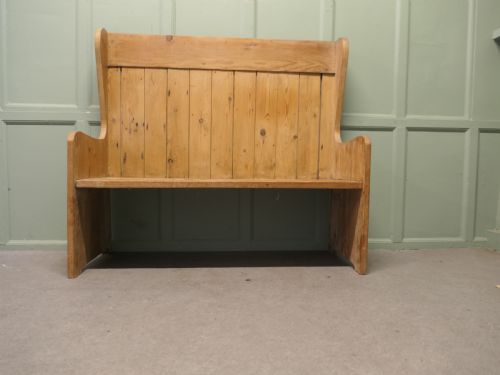
- A wooden bench featuring a high back and solid arms designed to block cold draughts in older properties. They frequently served as fireside seating in country pubs and farmhouses.
- Workbench
- A heavy-duty table fitted with thick timber tops and sometimes vises, originally utilised by carpenters, artisans, and bakers for manual trade tasks.
- Trestle
- A structural support consisting of a horizontal beam fixed to two splayed legs, commonly used to bear the weight of long dining benches and tables.
- Refectory table
- A long, narrow dining table traditionally built for communal dining halls and paired with matching long benches.
- Patina
- The surface sheen and colour acquired by wood and paint over decades of use and handling.
Wooden Kitchen Bench: Frequently Asked Questions
How do I clean a wooden kitchen bench?
Wipe the surface gently with a damp cloth using mild soap where necessary, avoiding harsh chemical cleaners that strip the aged finish.
Apply a clear beeswax periodically to nourish unpainted timber and maintain its natural moisture resistance.
Can I use an antique workbench for dining?
Many workbenches and prep tables share comfortable dining heights and provide exceptional legroom for daily family meals.
Check the clearance beneath any integrated lower shelves or vices to ensure comfortable seating positions for guests.
Are these benches sturdy enough for daily use?
Constructed from heavy timbers like oak, elm, and pine, these pieces were originally built to withstand rigorous daily trade and domestic labour.
Their solid joints and thick plank construction make them exceptionally durable for modern seating demands.
How can I date a pine kitchen bench?
Examine the tool marks, construction joints, and nail types visible on the underside and framing of the piece. Hand-cut joinery and deep surface wear typically indicate nineteenth-century origins.
Original painted layers also offer clues to the era of manufacture and subsequent domestic use.