



Wooden Jardiniere Pot
These wooden jardiniere pot examples bring living greenery indoors with sturdy craftsmanship spanning the Victorian, Edwardian, and later periods.
Wooden Jardiniere Pot
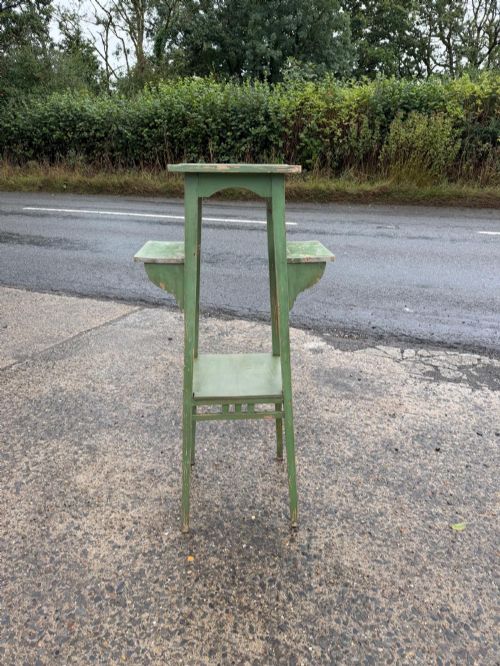
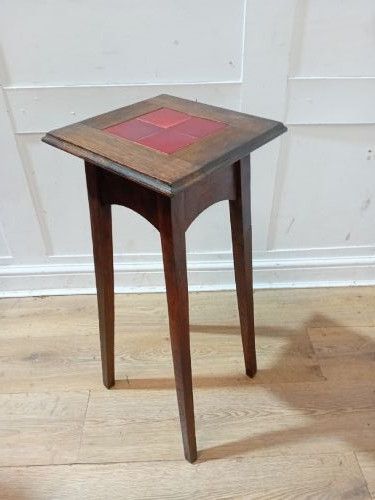
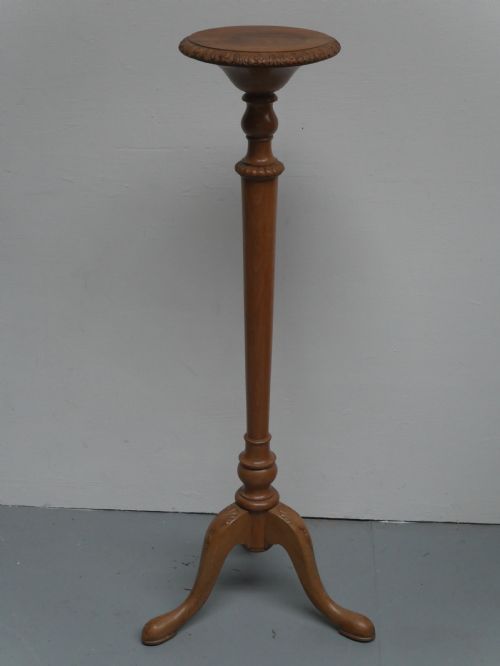
A wooden jardiniere pot serves as an elevated vessel for displaying indoor plants and flowers within domestic interiors. These pieces appear in forms ranging from low coopered barrel planters to tall plant stands and pedestals.
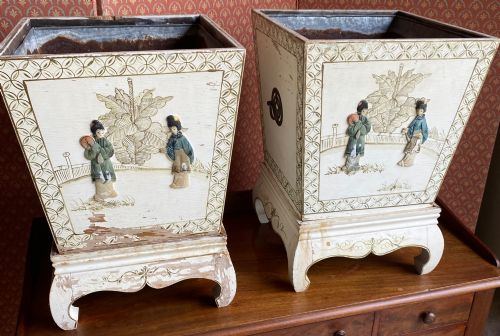
The selection reflects diverse aesthetic influences, including traditional British oak and mahogany designs alongside Chinoiserie, Arts and Crafts, and Japanese styles. Pieces originate from periods spanning the late nineteenth century through the early decades of the twentieth century.
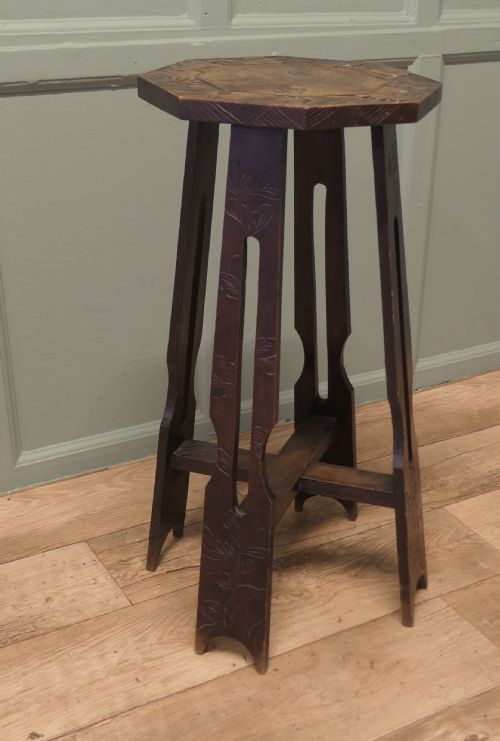
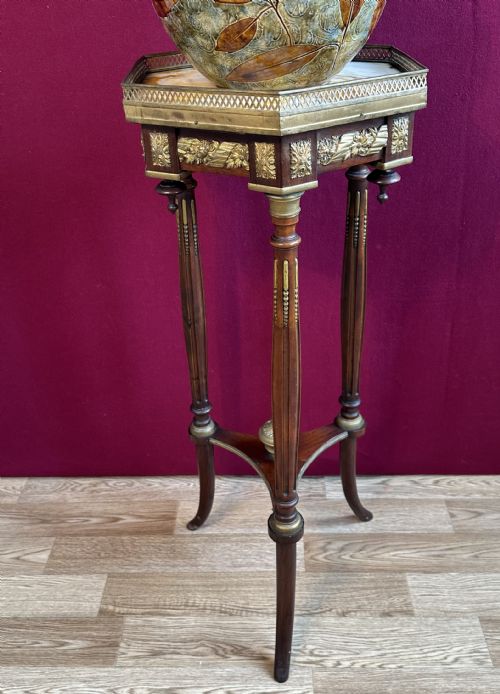
Buyers encounter variations such as octagonal plant stands, marble-topped vase supports, and paired planters designed for formal reception rooms or hallways.
Materials and construction methods
Carpenters utilised timbers such as oak, mahogany, walnut, elm, and satinwood to construct the structural bodies of these stands and planters. Cooperage techniques appear in barrel-style designs where wooden staves are bound tightly together.
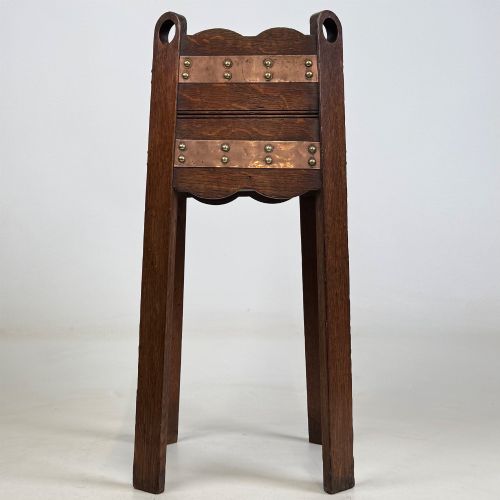
Metal components play a crucial role in both function and decoration, incorporating brass bands, copper linings, and detailed mounts. Surface treatments range from original paint finishes and carved ornamentation to intricate wood inlay.
Wooden Jardiniere Pot Retail Price Guide 2026
Typical asking prices for wooden jardiniere pot among the pieces listed under this phrase on Sellingantiques today, from the lower quarter to the upper quarter. They describe what is for sale here now, not the wider market.
Listings feature oak, mahogany, walnut, and elm alongside brass and copper details from the Victorian and Edwardian eras.
Assessing quality in construction and detail
Quality separates standard utility items from exceptional decorative pieces through the selection of timber and the precision of joinery. Finer examples display thoughtful integration of contrasting materials, such as fitted marble inserts or hand-hammered metal details.
The integrity of the original finish and the crispness of any carved ornament or coopered construction distinguish pieces created by skilled workshops from simpler commercial outputs.
Liberty & Co
The Wooden Jardiniere Pot Glossary
- Coopered
- Constructed from curved wooden staves joined side by side to form a cylinder, similar to barrel-making. This technique provides natural strength to vessels holding soil and water.
- Jardiniere
- A decorative pot or stand designed to hold a plant or flower arrangement. The term derives from the French word for gardener.
- Inlay
- A decorative technique where pieces of contrasting timber or material are fitted into a recess flush with the surface. It adds visual richness to satinwood and mahogany tables.
- Pedestal
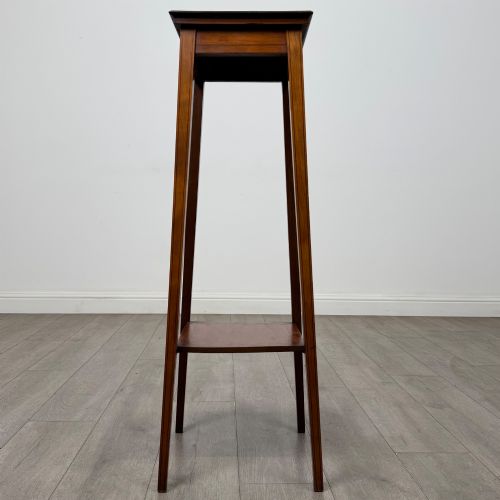
- A tall support or base used to elevate a plant pot, vase, or jardiniere. These forms lift greenery to eye level within a room.
Wooden Jardiniere Pot: Frequently Asked Questions
What is a wooden jardiniere pot used for?
These vessels house potted plants or display floral arrangements within interior spaces, lifting greenery off the floor to showcase foliage.
Historically, they also functioned as wine coolers or decorative stands for heavy vases in nineteenth-century drawing rooms.
How do I care for a wooden planter?
Protect the interior timber by using a waterproof liner or pot to prevent moisture from damaging the wood and metal bindings.
Maintain the exterior surface with occasional gentle dusting and appropriate wax polish suited to period furniture.
Are these pots waterproof?
Most antique wooden planters rely on metal liners, such as copper or brass inserts, to contain water and protect the wooden staves.
Inspect the interior lining condition to ensure moisture does not reach the surrounding timber structure.
How do I identify an Edwardian plant stand?
Edwardian pieces often feature lighter satinwood or inlaid decoration, reflecting a shift away from heavier Victorian styles toward brighter domestic interiors.
Construction details and wood types align with manufacturing practices popular around the turn of the twentieth century.