



Wooden Hunting Decoy
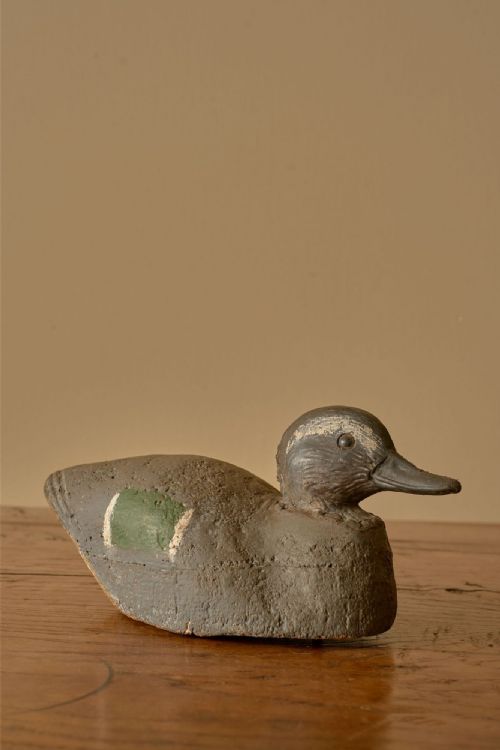
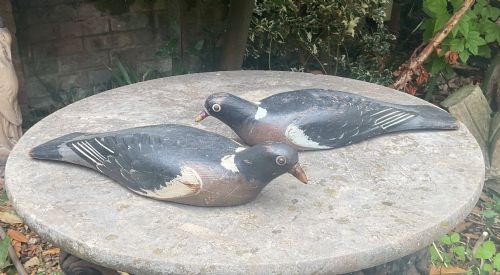
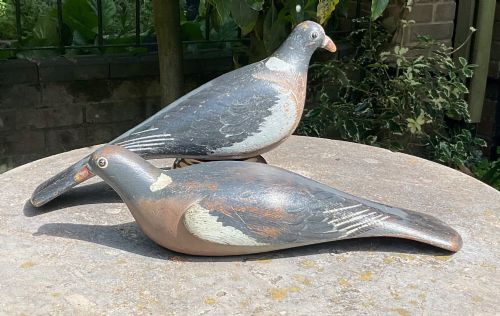
These wooden hunting decoy items are carved and painted bird figures collected for their folk art character and early century origins.
Wooden Hunting Decoy
A wooden hunting decoy represents a carved bird figure historically utilised to attract wildfowl or pigeons during shooting expeditions. Buyers searching for wooden hunting decoy examples encounter items shaped from timber to mimic ducks, geese, and pigeons.
The pieces on this page span the nineteenth century, the Edwardian era, and the early twentieth century. Most examples appear as carved ducks and pigeons, often found in pairs or small sets.
Many items embody English folk art traditions from the 1900s through the 1930s. They function today primarily as decorative sculptures and treen rather than working sporting equipment.
How they were made
Maker construction relies on carved wood, hardwood, and turned wood shaped into naturalistic bird forms. Artisans utilised hand tools to carve the timber bodies and heads of ducks, geese, and pigeons.
Surfaces received hand-painted finishes using oil or mineral paints to simulate plumage and coloration. Some specimens incorporate glass elements for realistic eyes or metal components for mounting and assembly.
Wooden Hunting Decoy Retail Price Guide 2026
Typical asking prices for wooden hunting decoy among the pieces listed under this phrase on Sellingantiques today, from the lower quarter to the upper quarter. They describe what is for sale here now, not the wider market.
Listings feature items spanning the 19th century through the 1930s, constructed from carved wood, hardwood, and turned timber with hand-painted surfaces.
What varies in quality
Quality rests in the sculptural boldness of the carving and the preservation of the original paint surface. Stronger examples display confident tool marks and uncompromised surface pigment that reflect authentic age.
Proportion and stance distinguish superior folk art objects from simpler utility pieces. The harmony between the turned or carved wooden form and the remaining hand-painted details dictates visual appeal.
The Wooden Hunting Decoy Glossary
- Decoy
- A carved or moulded figure used to attract birds or animals to a specific location. These items were originally placed on water or in fields by hunters.
- Treen
- Small handmade wooden objects for domestic or utilitarian use. Decoys and bird calls often overlap with this category of antique woodenware.
- Folk art
- Art produced from an indigenous culture or peasant tradition without formal academic training. English folk art pieces display regional vernacular characteristics.
- Edwardian
- Pertaining to the reign of King Edward VII, spanning from 1901 to 1910. Objects from this period often blend traditional craftsmanship with lighter aesthetic sensibilities.
- Bird call
- A small mechanical device used to mimic avian vocalizations. These accessories frequently accompany sporting collections alongside carved decoys.
Wooden Hunting Decoy: Frequently Asked Questions
What is a wooden hunting decoy?
A wooden hunting decoy is a carved bird figure traditionally used by sportsmen to attract waterfowl or pigeons into range. Today, collectors value them as tactile pieces of folk art sculpture.
Most examples are shaped from timber and finished with hand-painted surfaces that record decades of handling and exposure.
How were decoys used originally?
Hunters placed these carved wooden birds on lakes, rivers, or open fields to lure live flocks within shooting distance. They relied on realistic silhouettes and camouflage paint schemes to deceive approaching birds.
Over time, working decoys acquired natural patinas from weather and storage in damp sporting environments.
How do I date a decoy?
Dating relies on examining the tool marks, timber types, and paint layers visible on the object. Nineteenth-century examples often show hand-carved body construction and dense hardwood weights.
Edwardian and early twentieth-century pieces typically feature brighter folk art pigments and simpler turned or carved elements.
Where should I display decoys?
These decorative objects suit plain wooden surfaces, bookshelves, or mantelpieces where their sculptural silhouettes stand out. Collectors often group pairs or sets together to recreate a sense of movement.
Keep them away from direct sunlight and extreme temperature fluctuations to protect the original painted wooden surfaces.